 In addition to a Covid family death, I lost two friends in December, plus my last (and favorite) uncle. The focus was on grieving, plus a severe autoimmune flare-up it caused.
With Christmas around the corner, I found it difficult to feel the joy of the season. And writing? That felt out of the question, so my work-in-progress languished. Everywhere I turned were reminders of loss and the pain of suffering loved ones left behind. It seemed there was little I could do but pray and endure and pretend to be happy, so that I didn’t dampen anyone else’s holidays.
But there was more I could do, which I learned inadvertently from my teenage granddaughter, Abby. She’s taking dozens of my W.I.P. England photos, resizing and refocusing them for use in blogs, plus Facebook, Instagram and Pinterest posts. I watched her change photos from bright and cheery to somber and shadowy, in keeping with my mystery series.
Photoshop Your Days
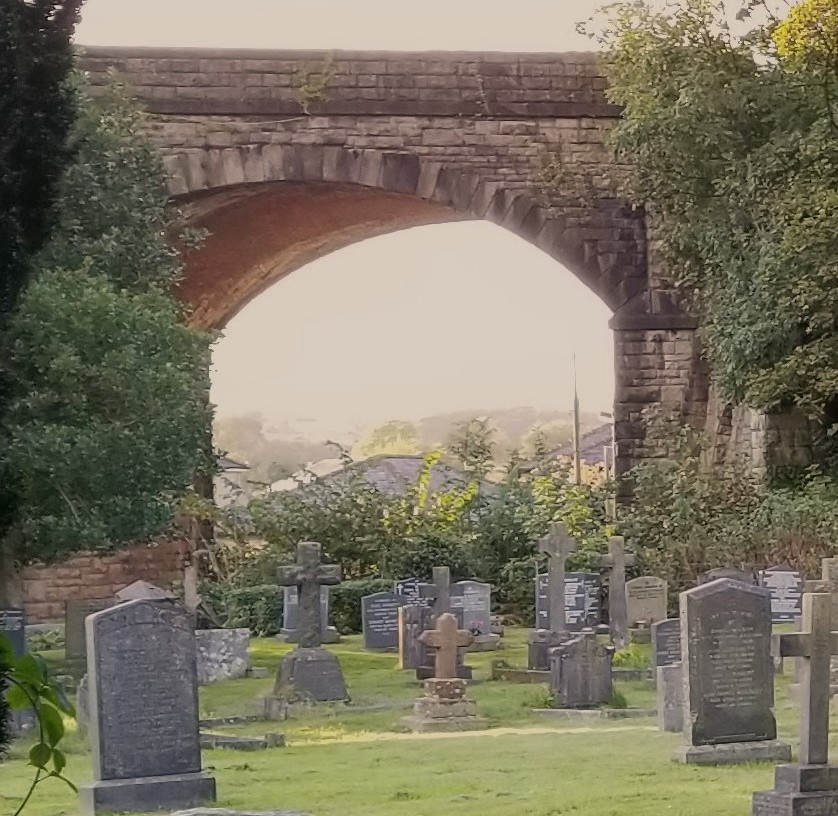
Abby was taking reality (the amateur photos I took), and either brightening or darkening the mood by what she chose to emphasize. So, I tried it myself, experimenting with a Yorkshire Dales graveyard photo (shown first below.) Using cropping and blurring and tints and hues, I brightened the mood (the second photo) and then used the same techniques in reverse to darken the mood (the third photo.)
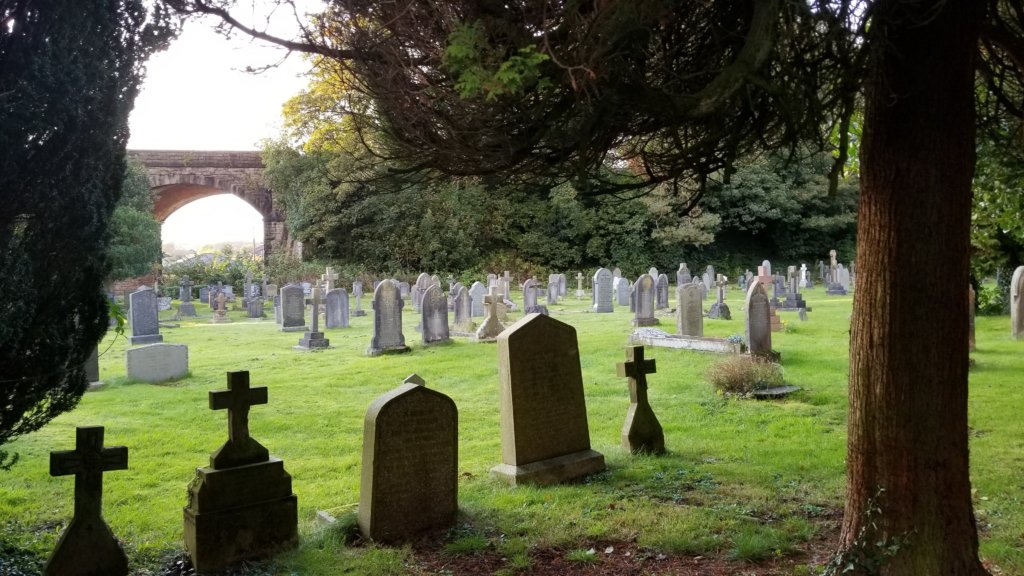
Here is a shift away from the darker elements to a brighter spot in the photo. Definitely a cheerier mood.
Here is a shift in focus again, but this time ignoring the brighter spots, but focusing on the somber, darker elements.
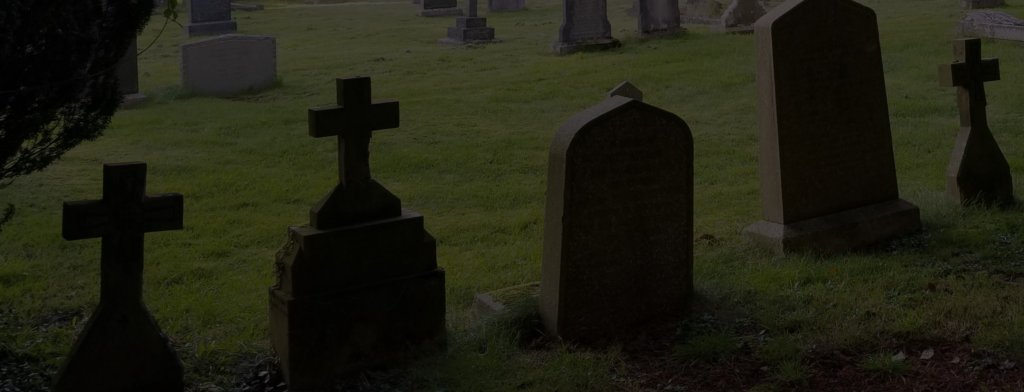
A light dawned. Could I finagle with my own downcast soul in the same way I adjusted the photos? Could I take the circumstances of loss and sickness—the true snapshot of my current life—and adjust my mood by choosing what to focus on? What could I crop out that wasn’t helpful to focus on? Could I brighten the tone? What heightened contrast would give a truer perspective?
Focus on Eternal Truths
Yes, the truth was that those were sad days. But what else was true? These loved ones were out of pain now. I trusted that I’d see them again one day. True, I felt unwell, but thanks to Covid isolation, I was already expert at ordering food via Instacart. So two Christmas dinners arrived with all the prep work done. And since I love Christmas music and movies, I filled the empty spaces with more intentional joy. It was Philippians 4:8 in action.
But in addition to changing the focus to things that were true and uplifting and kind, I had to crop out a few things from the current picture. First was to stop thinking about negative events in the world and in the extended family that, beyond fervently praying, I couldn’t change. I reviewed my old copy of Codependent No More by Melody Beattie to remind myself what problems I was responsible for, and which problems in the extended family I clearly was not responsible for fixing. And stepping back to view the whole situation made it look much less disheartening.
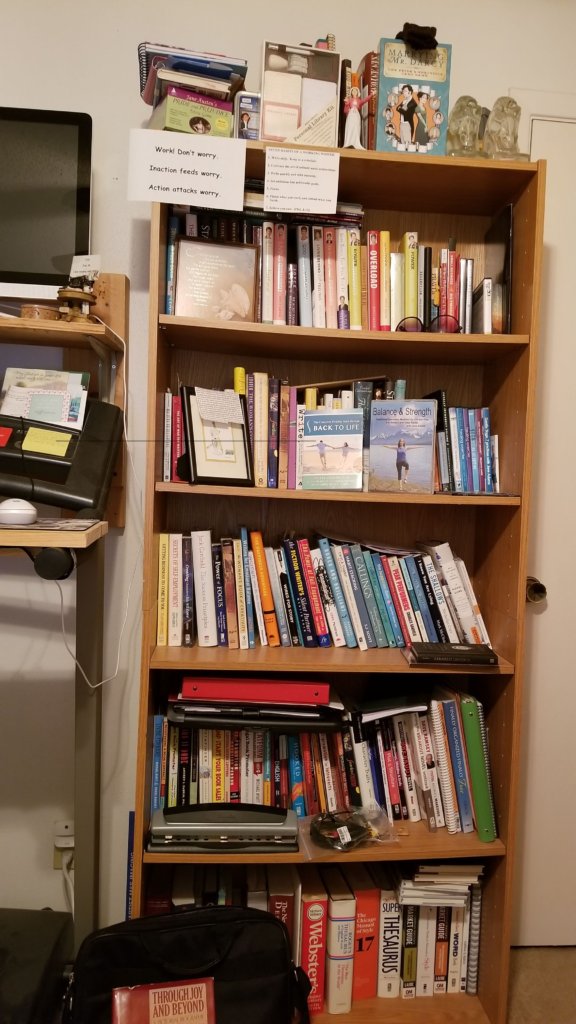
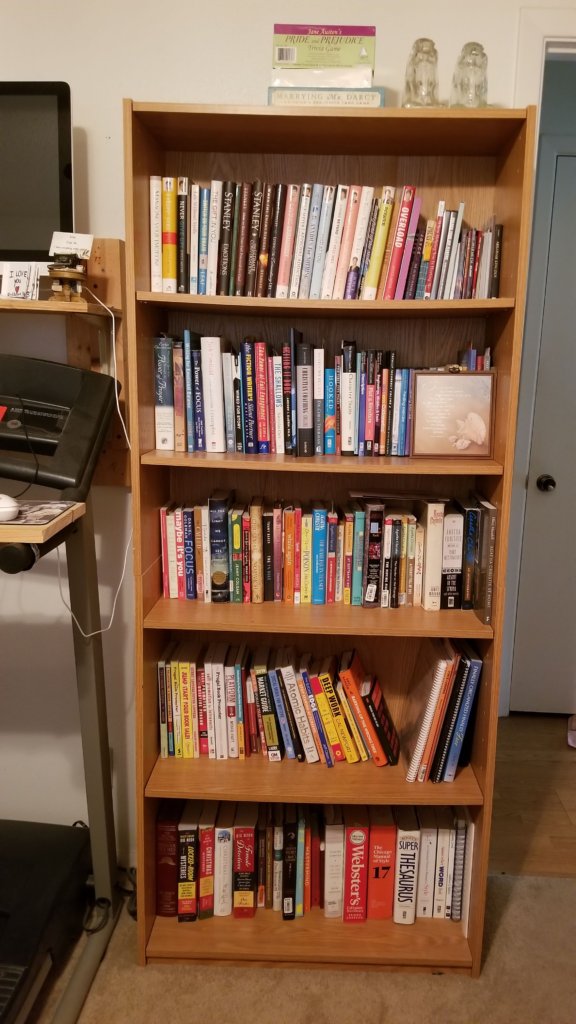
Making these seemingly small changes reminded me of another book on my shelves, The Upward Spiral: Using Neuroscience to Reverse the Course of Depression, One Small Change at a Time by Alex Korb, PhD. According to science, these small “photo app” changes shift brain chemistry from depression to hopeful joy. I even read some of my own blog posts, like From Panic to Focus: Save Your Writing Project and Find Your Focus: Stick to the ONE Thing.
So, if your 2021 New Year looks less joyous than in previous years (for any reason), don’t despair. Do some creative cropping, change your focus, and brighten the picture. Watch how you are transformed by the renewing of your mind!
[Originally published January 3, 2021, on the American Christian Fiction Writers blog]

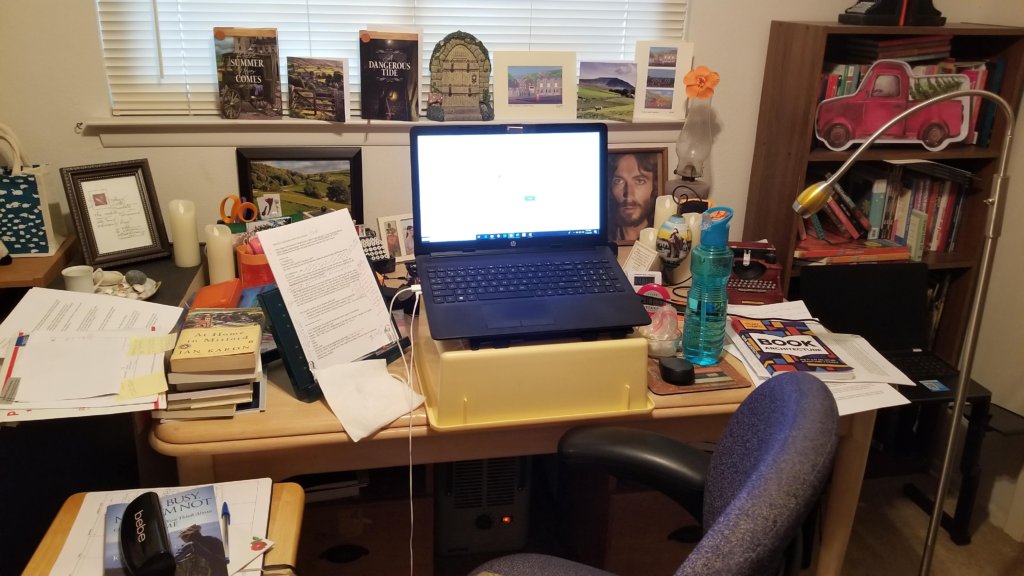
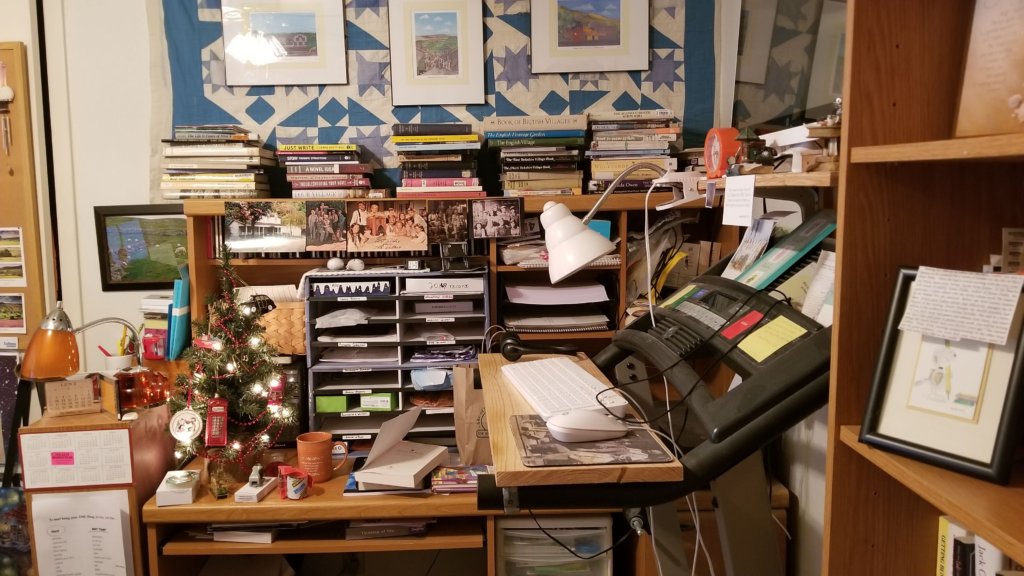
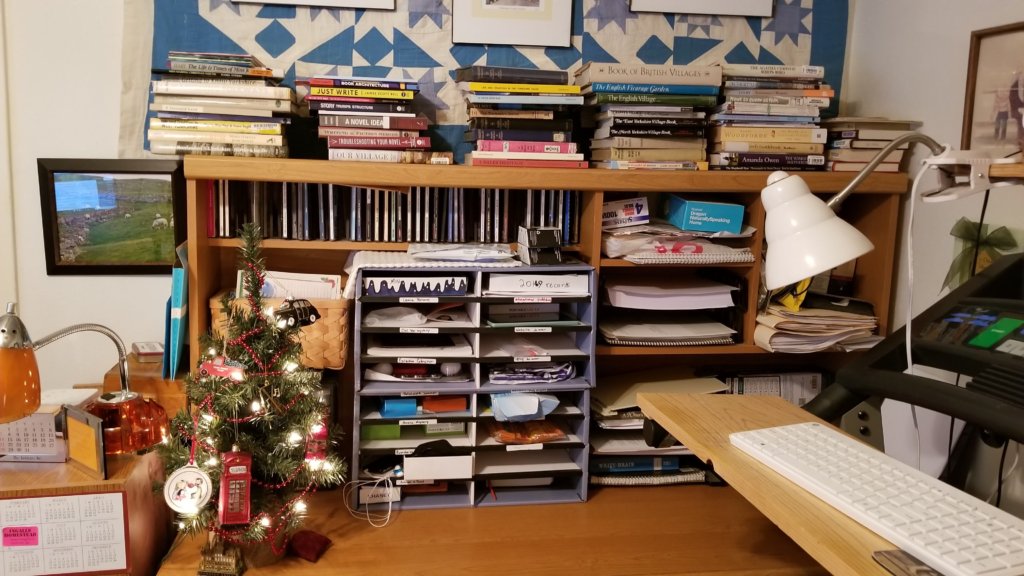
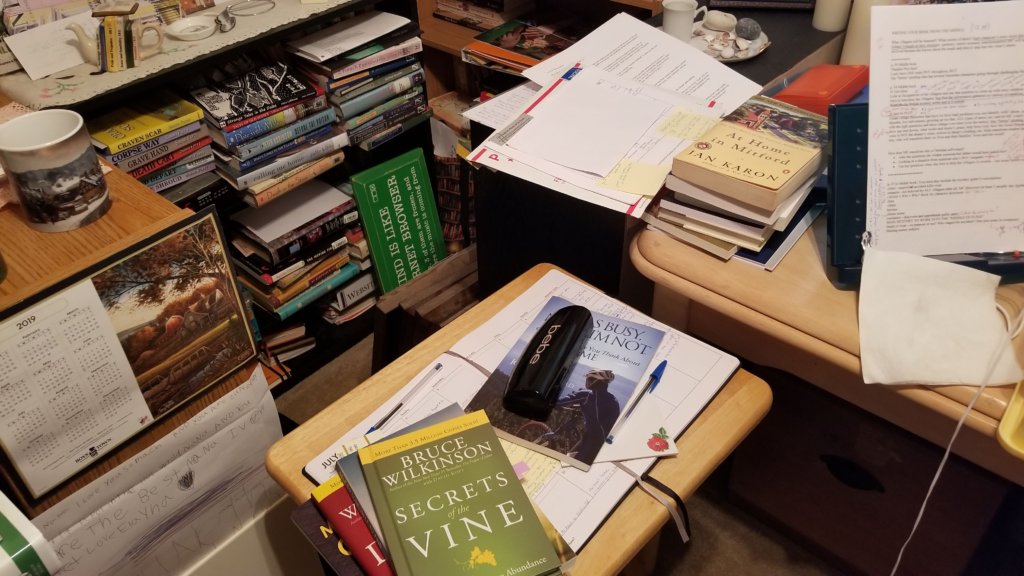

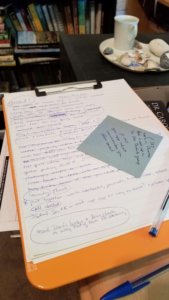 So this is my to-do list left for today, with five or six writer things to do before I can start the packing or run to the store for shampoo and all the little travel things you need. Then run some laundry, clean out the refrigerator, and try to figure out how I am going to fit everything I want to take with me into a suitcase and carry-on.
  I appreciate the notes I’ve received since re-starting the blog this month. I was asked a number of times, “Where have you been the last two years?” Because my Writer’s First Aid blog is all about helping writers hang in there and not quitting and not giving up on writing dreams, it’s certainly a legitimate question. As one person asked, “When writers disappear, where do they go?”

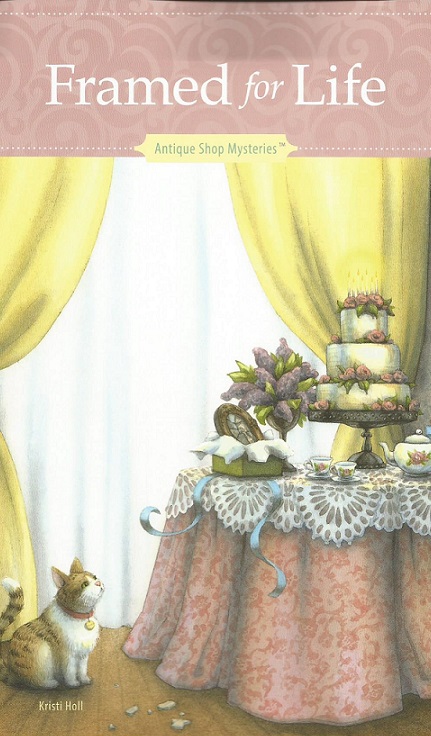
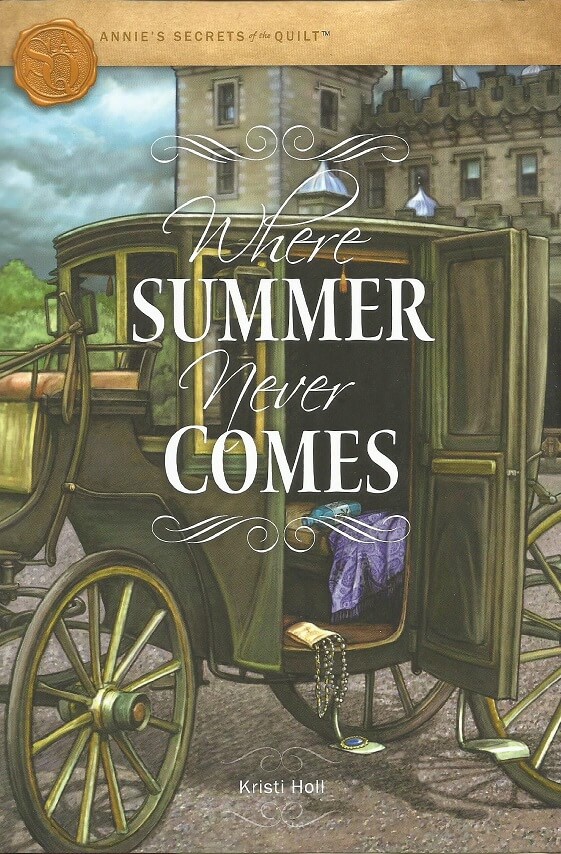
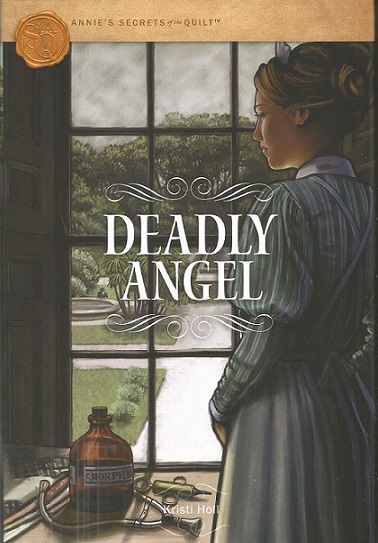
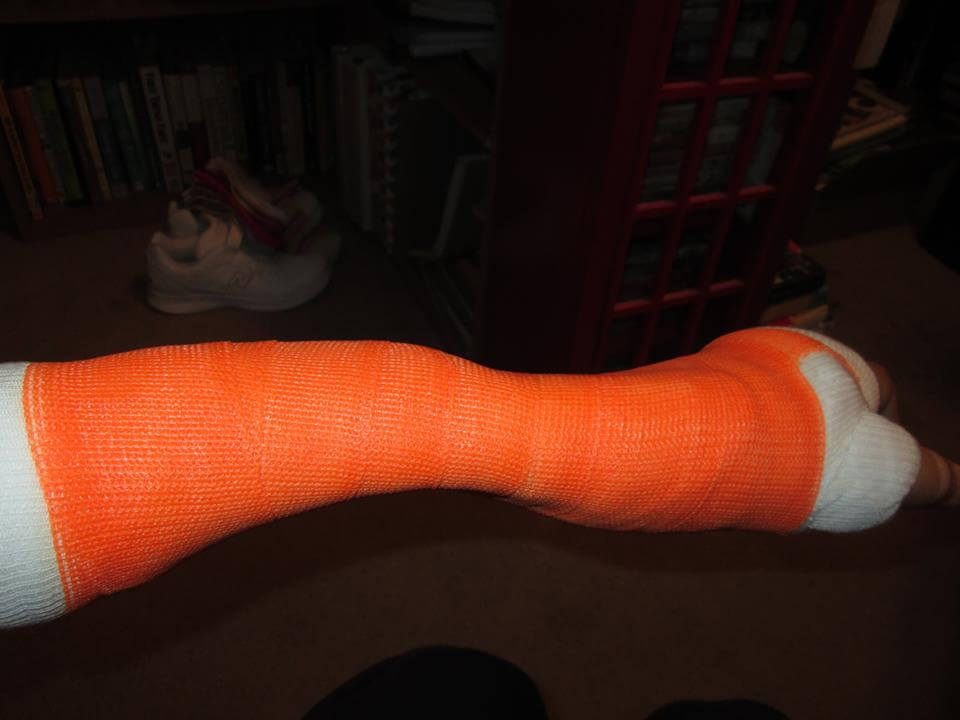 In April of 2017, I was gardening in the back yard
 Once the last cast came off, I had to start typing, but after all summer in casts, my wrist was frozen in a position with the thumb pointing up. I couldn’t rotate my wrist so that the palm faced up or down. I knew that the physical therapy later for my wrist would correct this, but in the meantime, I couldn’t type on a regular keyboard.
 I had had a lot of thinking time when in my casts since I couldn’t drive, and for a long time it was painful to ride anywhere in a car. It gave me time to think, to evaluate my frenetic writing lifestyle, and make some changes.
 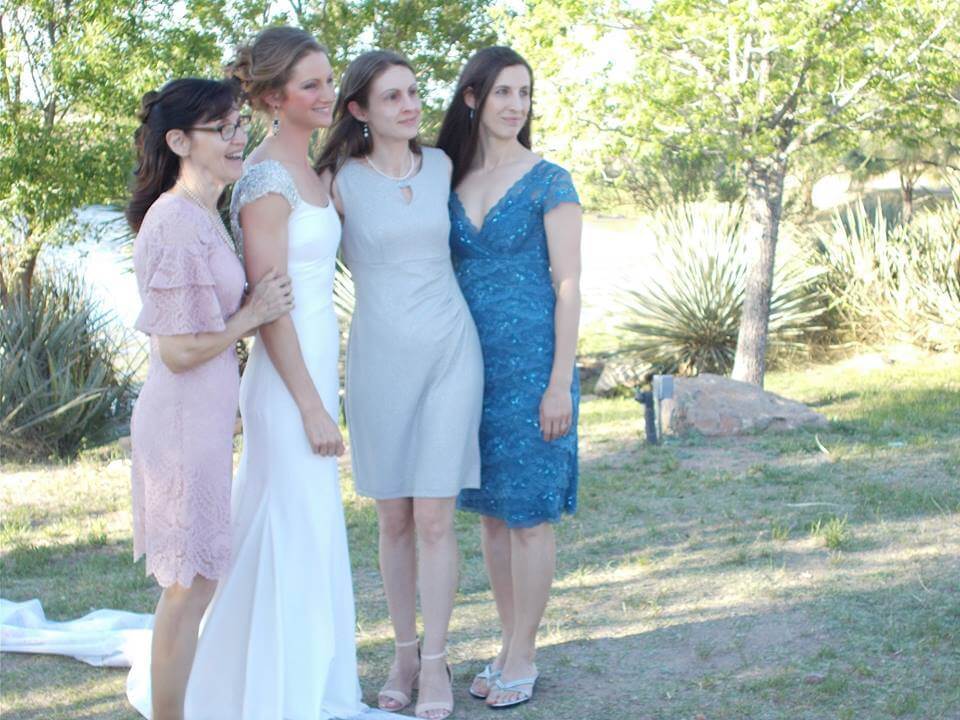 The most joyous event in recent years happened just two months ago. My middle daughter, Laurie, was married outdoors at a ranch in Tucson, and she was just the most beautiful bride. All four of my grandkids had parts in the wedding. I try to respect my kids’ privacy, but I’m going to post just one photo of the girls and me. Our whole family welcomed her husband, Jeff, with open arms. Isn’t it wonderful how a joyous event like this can totally eclipse the tougher events?
 Camp NaNoWriMo is a writing challenge that happens in July. It’s different from NaNoWriMo in November because you can work on ANY type of creative project of any length, not just a 50,000-word novel. First drafts or revision, scripts or stories or poems or essays… all are welcome! You track your goals based on word count, hours, or pages, and they welcome word-count goals between 30 and 1,000,000 words.