In elementary school, I admired Abraham Lincoln more than anyone I studied. I loved the drawing in my 35-cent paperback biography, showing young Abe lying flat on his stomach in front of the fireplace in his log cabin, reading a book.
He didn’t have the advantages others had, but he had grit.
A Long-Time Hero
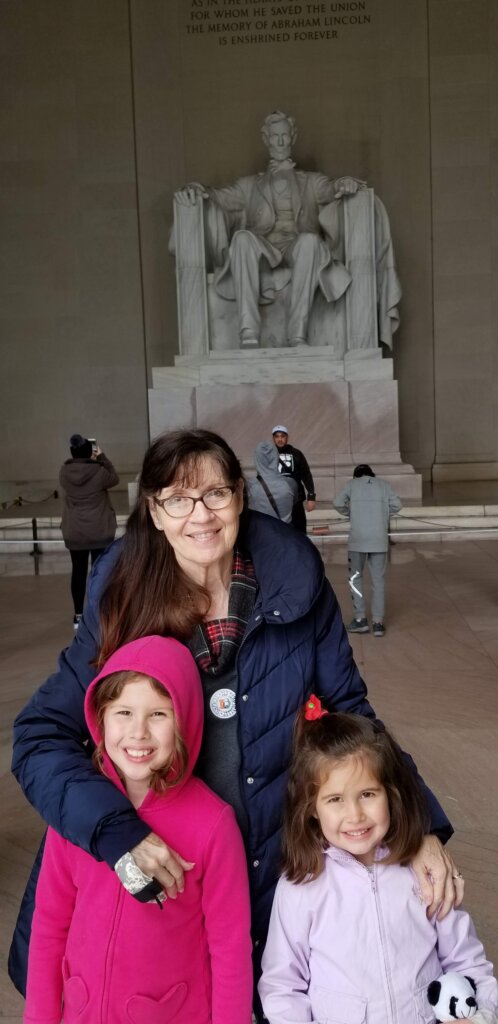
That girl in the 1950s dreamed of someday seeing the Lincoln Memorial in person. Finally, in 2017, I had my chance on a trip to DC with family. (Pictured are granddaughters Elayna and Sophie, 6 and 4, and I had a cast on my broken hand.)
Visiting the Lincoln Memorial was a dream come true for me. So last week, when I twice ran across the same famous Lincoln quote, I took note.
Abraham Lincoln once said, “I walk slowly, but I never walk backward.” Since I had had a couple of years of feeling like I had gone backward in some areas of my life, his quote caught my attention.
A Man with True Grit
I knew enough about Lincoln’s life to know he’d overcome many failures and setbacks, yet he still claimed that he never walked backward. Really? Look at the many times Lincoln failed along the way to becoming our 16th President of the United States.
1831: lost his job
1832: defeated in run for legislature
1833: failed in business
1835: sweetheart died
1836: had nervous breakdown
1838: defeated in run for House Speaker
1843: defeated in run for congressional nomination
1848: lost a re-nomination
1849: rejected for land officer position
1854: defeated in run for U.S. Senate
1856 defeated in run for nomination for U.S. vice president
1858: defeated again in run for U.S. Senate
1860: elected 16th U.S. President
How could Lincoln claim he never “walked backward”? Obviously, he did NOT mean that he never experienced setbacks. With every failure, he fell back and regrouped, studied the situation, and relentlessly moved forward again.
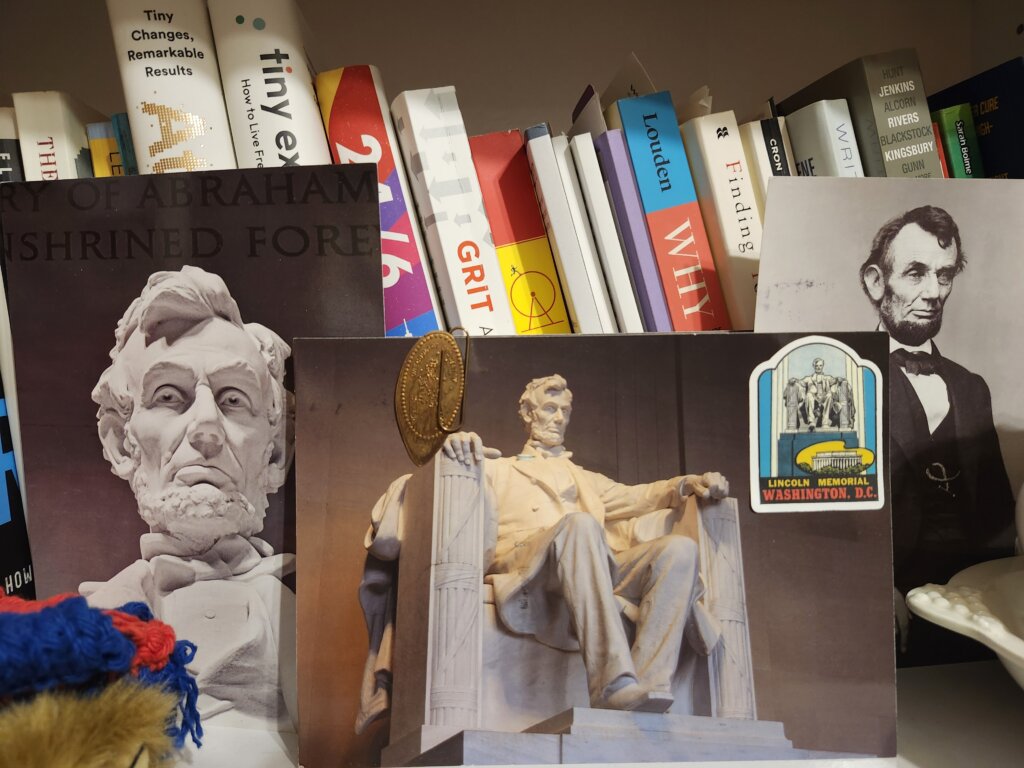
I’ve lived long enough to have experienced many setbacks of my own: in my health, in my writing career, in key relationships. But my many “Honest Abe” momentoes in my office remind me that it doesn’t matter how slow progress is at times. It’s only important that you and I (like Abe) refuse to walk backwards.
I’m too old, I’m too tired, I can’t write for hours anymore… But something won’t let me quit writing! Is there a solution?
Through a lot of trial and error, I found the solution for me: the 5-Minute Life. It didn’t just revolutionize my writing. You can also break a bad habit, or start a good habit, or rest when you’re weary—all in 5-Minute slices of your day.
Solving Problems, 5 Minutes at a Time
Want to break a habit of overeating at a meal and not stopping when you’ve had enough? After your meal, set your kitchen timer for 5 minutes and do something else. Maybe you’ll still eat more when the timer dings, but many times you won’t. The craving actually disappears in about 90 seconds, according to “habit experts.”
Want to start a new habit? Maybe lift weights, floss your teeth, write on your work-in-progress daily? Set your kitchen timer for 5 minutes, and when it dings, you can quit! Or, if you feel like going longer, you can and often will. (Getting started is usually more than half the battle, and you conquered that. Staying in motion is immeasurably easier.)
What about weariness or those pesky aches and pains? When you realize that your body is protesting, stop and set your timer for 5 minutes. Close your eyes and do deep breathing. Listen to uplifting music, something that soothes your soul. Wander around your back yard and see what’s blooming. You’ll be amazed how much 5 minutes can refresh you. (Just don’t waste it on your phone, email or social media. You’ll feel worse instead.)
“It doesn’t make sense to continue wanting something if you’re not willing to do what it takes to get it. If you don’t want to live the lifestyle, then release yourself from the desire. To crave the result but not the process, is to guarantee disappointment.” ~~James Clear, author of Atomic Habits
WELL, YES . . . AND NO.
Live the 5-Minute Life? How?
“To crave the result [the finished manuscript] but not the process [your writing habits, or eating habits, or sleeping habits, etc.] is to guarantee disappointment.”
I had a suspicion that something was wrong with my process. After floundering, I would have wonderful energetic re-starts, but the older I got, the amount of time I could stick to my writing schedule grew smaller. No matter how you take care of your health, age happens (if you’re lucky) and energy declines a bit each year.
I was sick and tired of giving up, getting depressed over NOT writing, then reading motivational books, praying hard, making check charts for the closet door to keep track of my work hours…and after a week or so, quitting again.
When younger, I could keep a rigorous writing schedule while teaching and raising kids, but not now at 71. I wanted to live the process and love it, but I found myself no longer able. [And it still bugs me to admit this.] Did that mean I had to quit writing books? It was beginning to seem so.
But, but, but…
What if I could invent a writing process that I COULD fall in love with all over again? When I started writing and publishing in 1983, I had to work my writing around a newborn, a toddler, and a newly adopted boy from Korea who spoke no English. But I found a writing process (writing in bits and pieces) that worked for me then, so I launched my career (while we added yet another baby.) Many of those experiences became my two writing books, Writer’s First Aid and More Writer’s First Aid.
The More Things Change…
. . . the more they stay the same.
I’m no longer scrambling for bits of time in the same way. But getting started writing when not feeling well or when busy with volunteer and grandchildren activities still takes some grit. However, writing or marketing for five minutes is doable for anyone.
Yes, more than half the time, my 5-minute chunks of writing or marketing stretched into 30-45 minutes. Even when it didn’t, though, I was astounded by how much I could do in 5 minutes–just like I had trained myself to do during the baby years. I started giving myself high fives for every bit I wrote. Silly maybe, but it worked!
Where There’s a Will
I stop for different reasons now, of course. It’s not because a toddler fell and cut her lip or a baby needs changing. It is more often the aches in my wrists [shattered left wrist in 2017 and broken right hand in 2019] that crawl up my arms. But while stopping is different, starting is remarkably similar.
Give it a shot and see! Live the 5-Minute Writing Life!
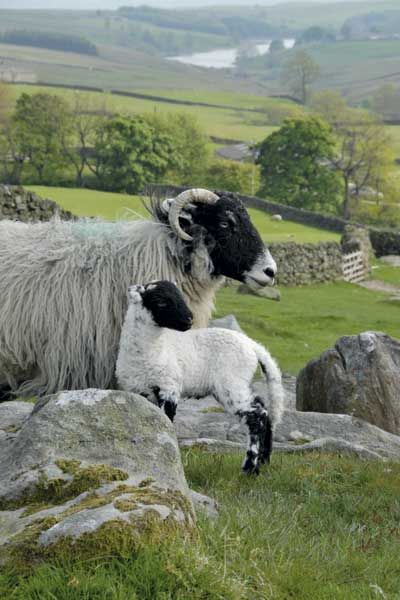
In the fall of 2019 I spent several weeks researching a mystery series set in a small village in the North Yorkshire Dales. The locals who own the shops depend on tourist trade from daily bus tours and mountain bike groups. In early 2020 villagers sent out a plea for the tourists to please stay home during the coronavirus scare. Students and parents (now working and learning from home) were coming to the villages in droves on their unexpected “vacations.”
They posed a threat to two distinct groups: the high number of older at-risk people living in the villages—and the sheep.
At-Risk Sheep?
Yes, but it has nothing to do with the virus. It’s lambing time in the Yorkshire Dales. Hiking groups climb up through the pastures. Bikers race down the trails on the other side of the stone fences marking the fields. Their dogs, often loose, bark at the sheep. The sheep startle easily, then panic and run. With pregnant ewes, the mere running can make them abort their lambs.
We writers can also react to fearful circumstances with panic. There are good reasons the Bible compares us to sheep needing a shepherd. We don’t lose lambs if we panic, but before our writing dreams come to fruition, we can lose the work we are carrying that God gave us to do.
Between a Rock and a Hard Place
Being terribly unsettled by COVID-19 is totally normal. Our families, regardless of age or situation, have faced huge changes these past weeks. As time passes, and people we know come down with the virus, the temptation to panic grows. Panic allowed to settle in (fed by constant exposure to the media) can derail our writing schedules for months.
Panic is nothing new for followers of God. Imagine the Israelites as they faced the Red Sea before them and the chariots pursuing from behind. The people cried out in terror at what was about to overtake them. And what was Moses’ response to them? “‘Don’t be afraid. Stand firm and watch God do his work of salvation for you today. . . God will fight the battle for you. And you? You keep your mouths shut!’” (Exodus 14:13-14 MSG)
In other words, when faced with impending doom and disaster, you should:
Fear not,
stand firm,
watch God work,
and stop spreading panic with your words.
Still great advice today.
Human Sheep at Risk Today
Most people in the world feel a similar panic at the virus situation. Specifically, for writers, book deadlines are right in front of us, but the coronavirus bears down from behind like those Egyptian chariots. How can we possibly write? Moses’ words are as applicable to us as they were to the panicked Israelites.
Remember that the Lord is still our Good Shepherd. We are still His sheep. We hear His voice. He knows us. We can still follow Him. We are trying to birth our stories during this time, but if we panic instead of trusting God, we are likely to abort the work He has given us to do.
Stay close to the shepherd. Do your part to keep yourself and others safe. Encourage one another instead of using your words to spread panic. Be calm and peaceful, and ready to account to non-believers for the hope that is within you. (1 Peter 3:15) Then, even in these times, you will be able to give “birth” to your writing projects.
We’re All in This Together
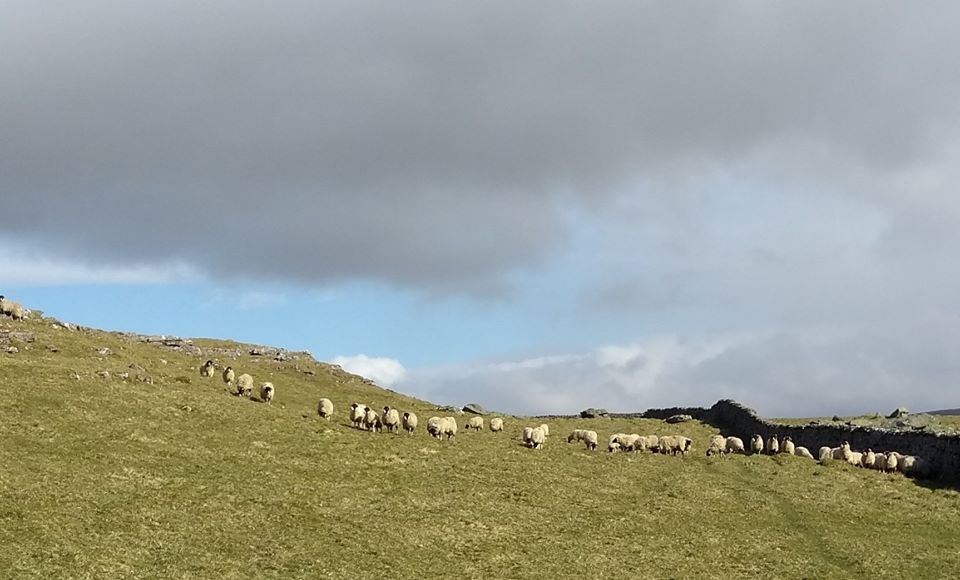
My mystery writer friend runs daily in the Yorkshire Dales, and she took this photo on the top of the fells. There were few tourists hiking or biking, and she was encouraged by the cooperation with the villagers.
Even the sheep practiced social distancing!
[First published on the ACFW American Christian Fiction Writers blog.]
Follow-up trips to the UK have been cancelled (twice), but God willing, I will return there near the end of September.
During the 1988 Jamboree encampment of 32,000 Boy Scouts, one troop (38 Scouts) led the entire Jamboree in cuts treated at the medical tent.
The huge number of nicks from busy knives sounded negative until someone toured the camp and saw the unique artistic walking sticks each boy in that troop had made. They led the entire encampment in other kinds of games, too.
Wounds simply mean that you’re in the game. It’s true for Boy Scouts—and it’s true for writers as well.
What Wounds?
I know an excellent writer who has revised a book for years. But she won’t submit it, even though everyone who has read it feels the book is ready. What benefit does she get from that? She never has to face rejection. She never has to hear an editor say, “This is good, but it needs work.” She never has to read a bad review of her book, or do any speaking engagements to promote her work, or learn how to put together a website.
She will also never feel the exhilaration of holding her published book in her hands. She won’t get letters from readers who tell her how much her book means to them and has helped them. She won’t get a starred review or win an award or do a book signing. She won’t move on and write a second (and third and fourth) book.
Paying the Price
If you want to be a writer, you have to risk a few wounds. Figure out ways to bandage them and recover from them, but don’t be afraid of getting them. They’re simply a sign that you’re a writer.
Make a list of the parts of the writing life that make you want to stay on the sidelines and out of the line of fire. It might be a fear of rejection, a fear of approaching editors or agents at a conference, fear of online harassment on social media, fear of walking into a writing group for the first time, fear of your mother’s reaction to your novel, fear of bad reviews, or something else. There are books out there for writers dealing with all of these things. Identify your issues, deal with them, and then get in the game!
As a writer, don’t ever underestimate the power of self-discipline. Talent, passion, and discipline are needed—but the greatest of these is discipline.
Best-selling author Elizabeth George speaks to this point on the first day she faces her students in her creative writing classes. Study this quote from her book, Write Away—and read through to the zinger at the end. This multi-published, mega award-winning author tells them:
“You will be published if you possess three qualities—talent, passion, and discipline.
You will probably be published if you possess two of the three qualities in either combination—either talent and discipline, or passion and discipline.
You will likely be published if you possess neither talent nor passion, but still have discipline. Just go the bookstore and pick up a few ‘notable’ titles and you’ll see what I mean.
But if all you possess is talent or passion, if all you possess is talent and passion, you will not be published. The likelihood is you will never be published. And if by some miracle you are published, it will probably never happen again.”
Be Encouraged!
This is great news for all writers, I believe. We worry sometimes that we don’t have enough talent, that we have nothing original to say, that our voices won’t attract today’s readers. But as Ms. George says above—and after writing and teaching for thirty years, I totally agree–discipline is what will make you or break you as a writer.
Why is this good news? Because self-discipline can be mastered, bit by bit, day by day, until it’s a habit. Talent is a gift over which we have no control, and passion comes and goes with our feelings and circumstances. But your necessary ingredient to success—discipline—can belong to anyone.
Do whatever you have to do to develop the writing habit. Let that be your focus, and see if the writing—and publishing—doesn’t take care of itself!
I appreciate the notes I’ve received since re-starting the blog this month. I was asked a number of times, “Where have you been the last two years?” Because my Writer’s First Aid blog is all about helping writers hang in there and not quitting and not giving up on writing dreams, it’s certainly a legitimate question. As one person asked, “When writers disappear, where do they go?”
So this post is more about me and my life than most posts I write. Hopefully, you will be encouraged not to quit when life “happens,” as it does to us all. The last two years, it just happened that a LOT of life happened. Some events were quite painful, some intensely annoying, and some brought great joy. In each case, I learned valuable lessons. So . . . here are main events since I disappeared!
My Mom’s Sudden Passing
Mom and Dad’s engagement picture, 1948
Two years ago this month, at the time of my last new blog post, I was battling some symptoms (losing eyesight, exhaustion, hair falling out, not sleeping), plus I’d signed too many book contracts and was struggling to keep up. My mom in Florida (88) had had major heart surgery and other hospitalizations. Then my sister called to say Mom (who had recovered SO well and was even back to ballroom dancing) had died suddenly. So the summer of 2016 passed in a blur as we dealt with estate matters, cleaned out her house where she’d lived for 41 years, and got it sold. As those of you who have been through this process know, it takes a while to recover.
Sign on Gravestone: I Told You I Was Sick
During this time, I continued to get sicker, but doctors kept writing the symptoms off as “aging” issues that I needed to accept. Not very helpful! I burned the midnight oil Googling symptoms. Long story short on the health issues: when you are sure there is something wrong and doctors aren’t/won’t/can’t order the tests you need, find an independent lab nearby and order the tests yourself. I’m so glad I did!
By the time I could convince doctors that there was something seriously wrong with me, I had had the lab work done, got a diagnosis, and started a treatment program of my own found through reading online, watching conference videos, and studying current medical research. By the time doctors diagnosed my main issue, I had been on a treatment program of supplements and major dietary changes and was starting to see improved lab results. Be proactive in your ownhealthcare!It’s an ongoing learning process, but I am thrilled to feel better now than I have in years.
New Books Out
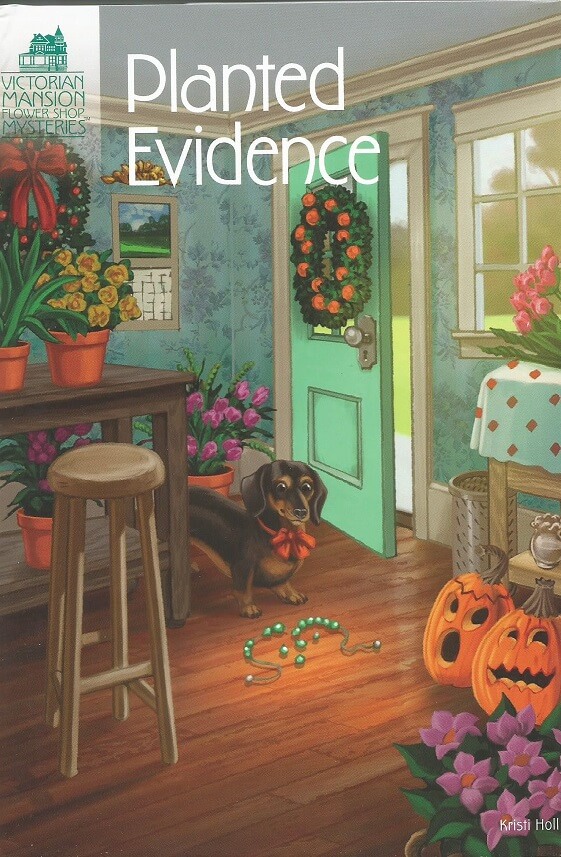
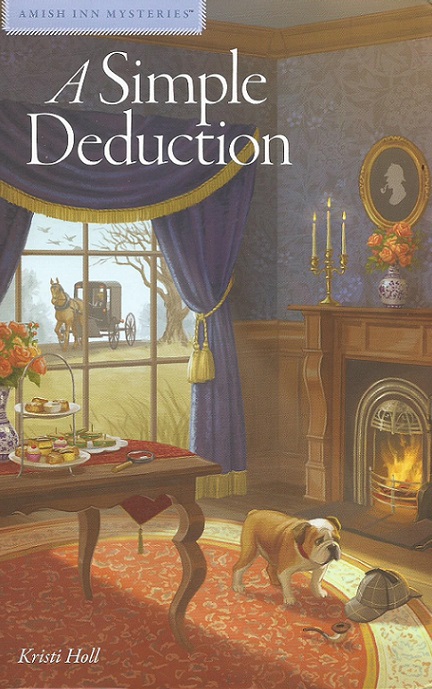
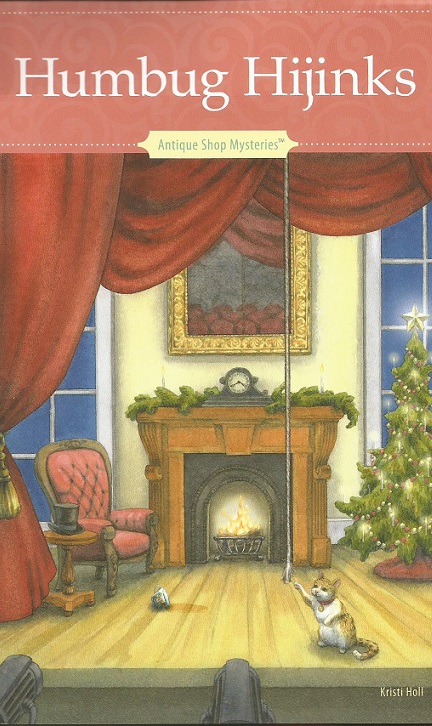
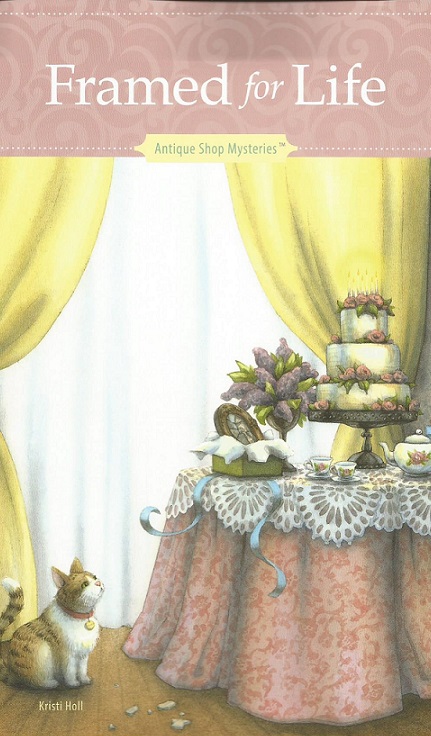
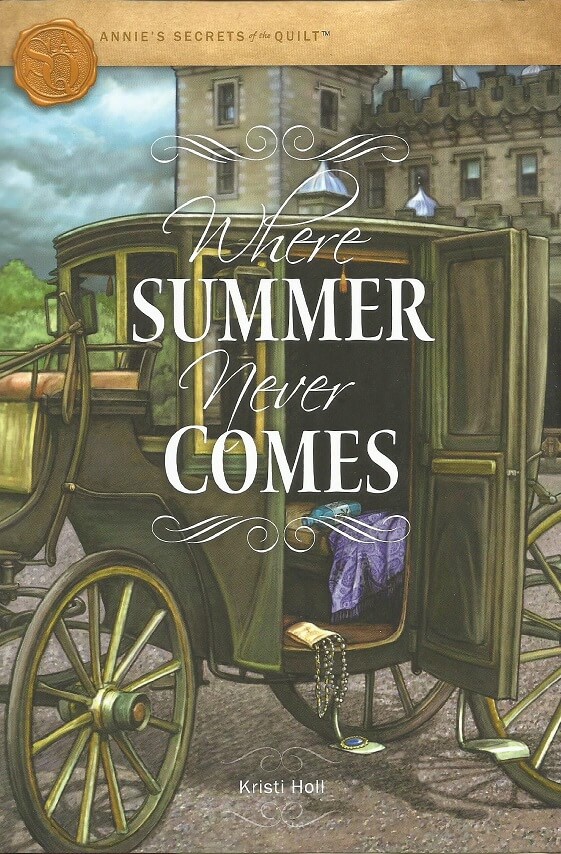
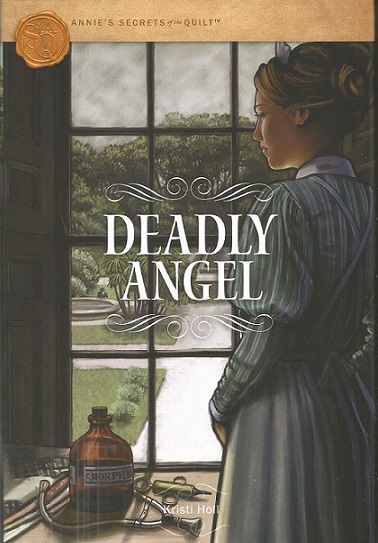
I was writing a lot during this time, and here are the last six adult mysteries I have had published by Annie’s Publishing. [I had someone ask if this was self-publishing. No, it isn’t. This company does many mystery series, and I have written for four of their series. They publish in hardcover, and now ebooks too, I’ve heard. https://www.anniesfiction.com/]
I have thoroughly enjoyed writing for my own age group after only writing fiction for children nearly thirty years. The only mistake I made was signing too many contracts at first, not taking into account the length difference between adult and children’s books. That sounds like a no-brainer, I know, but it didn’t register till later. You can read about them here if you want to know the plots: https://www.kristiholl.com/mysteries-for-adults-and-children/
Watch Your Step!
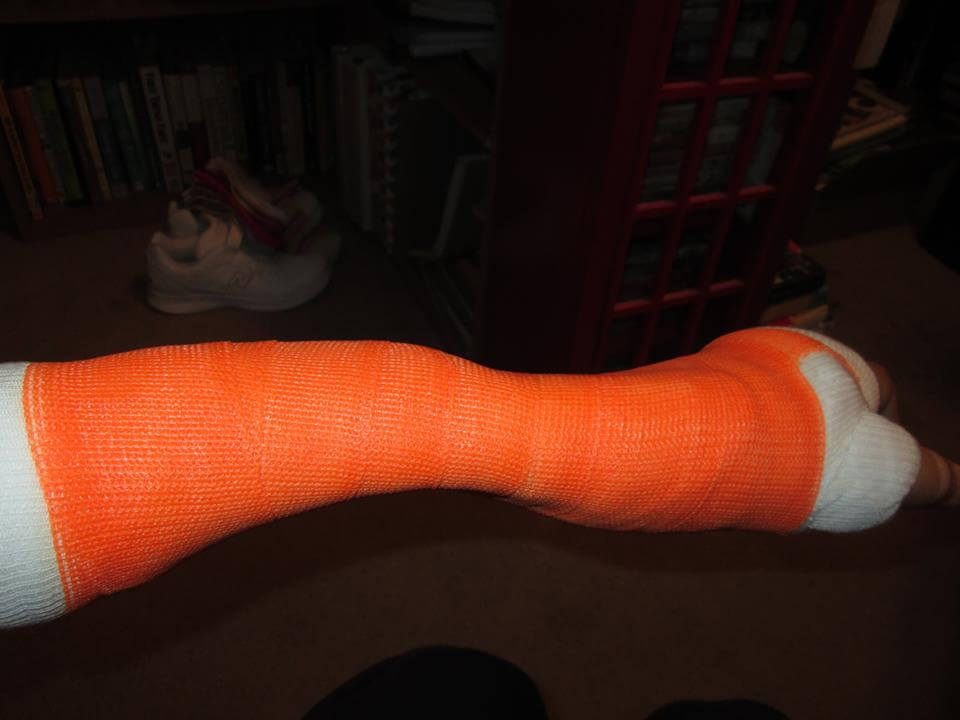
In April of 2017, I was gardening in the back yard, stepped backward without thinking, and tripped over a full watering can. I went down hard on our rocky dry Texas soil, tried to brace my fall, and broke my left wrist in four places and popped out my left shoulder. I avoided surgery but had to have three casts over eleven weeks, as they put me in traction and lined up each bone so it would attach. (I have tiny bones, without enough to attach steel plates and rods to, so I’m glad they avoided surgery.) They have a saying at the hospital: “crooked arm equals straight bone.” It was hard to believe when I saw the finished casts, but the x-rays did indeed show all the bone pieces in straight lines. [After seeing the shape of the cast, it made sense that physical therapy had to follow.]
I still had contracts to fulfill, and thankfully I had broken the left wrist. I used to enjoy writing by hand, so that’s what I did, filling up spiral notebooks and writing 55,000 words by hand in a couple of weeks. [I actually DID enjoy writing with no distractions that come with a computer. Your paper and pen don’t ding, squeak, ring or crash.]
Where There’s a Will, There’s a Way
Once the last cast came off, I had to start typing, but after all summer in casts, my wrist was frozen in a position with the thumb pointing up. I couldn’t rotate my wrist so that the palm faced up or down. I knew that the physical therapy later for my wrist would correct this, but in the meantime, I couldn’t type on a regular keyboard.
However, I found a new keyboard online that looked like something out of a Star Wars movie. It didn’t matter that my wrist was frozen in place because with this keyboard, you type with your thumbs pointed up. It is for people to cure carpal tunnel syndrome or who have had a broken wrist or wrist surgery. My speed was very slow, and I had to do a lot of one-finger correcting, but the book got turned in on time, and I took a break then.
Blessings in the Brokenness
I had had a lot of thinking time when in my casts since I couldn’t drive, and for a long time it was painful to ride anywhere in a car. It gave me time to think, to evaluate my frenetic writing lifestyle, and make some changes.
I remembered a book project that I’d put on the back burner for more than five years, one of those projects that you’re not sure will sell, but you’d love to write anyway. I decided it was now or never. Who knew when I might encounter another deadly watering can? So that’s the project I’m working on now.
Wedding Bells!
The most joyous event in recent years happened just two months ago. My middle daughter, Laurie, was married outdoors at a ranch in Tucson, and she was just the most beautiful bride. All four of my grandkids had parts in the wedding. I try to respect my kids’ privacy, but I’m going to post just one photo of the girls and me. Our whole family welcomed her husband, Jeff, with open arms. Isn’t it wonderful how a joyous event like this can totally eclipse the tougher events?
I’m Going to Summer Camp! Are You?
Camp NaNoWriMo is a writing challenge that happens in July. It’s different from NaNoWriMo in November because you can work on ANY type of creative project of any length, not just a 50,000-word novel. First drafts or revision, scripts or stories or poems or essays… all are welcome! You track your goals based on word count, hours, or pages, and they welcome word-count goals between 30 and 1,000,000 words.
You join an online cabin with up to 20 other writers. It starts tomorrow, and it’s still not too late to create a cabin or join someone else’s cabin. I like small groups myself. My cabin has only two people in it: my long-time writer friend and accountability partner and me. If you’re interested in joining a cabin of your own, check it out: https://campnanowrimo.org
I’m glad to be back in contact with you all. And thank you for notes I’ve received this month after I resurfaced. Writers make the best community!
A couple of months ago, after being sick and traveling and meeting two book deadlines, I stalled when given some unwelcome health news which required tests and more tests. I got really, really behind on an adult mystery, and for hours I would struggle to write, only to throw it all out at the end of the day.
I was used to writing in 90-minute or two-hour blocks, taking a break, then doing it all again. I’d used that schedule for years, since I no longer have small children living with me. But sickness and burn-out had taken their toll, and I wouldn’t make my deadline at the rate I was going.
Based on our personalities, our lifestyles, our season of life (small children, day job, retired empty nester) and our health, we all write in different “chunks.” By Allie’s definition, a chunk of writing is what you can comfortablydo in one sitting, stopping when you pass the point of “this writing is good” into “the writing I’m doing now will have to be tossed out because it stinks.” She had a test for determining the length of your natural chunk. Big and little chunks are equally valuable.
Frankly, I was going to skip the test when I got home and move on to the rest of her book. I had to get busy! Anyway, my natural chunk for years had been about 90 minutes, or about 1500 words. I knew that already. But was it anymore? My writing life was certainly no longer working.
Back to the Drawing Board
I decided to do the chunky test. (You’re supposed to do this five days in a row, one chunk per day.) I didn’t have five days to use for this, so I did four chunks spread throughout a day. I was careful to stop when I felt too tired to keep going productively. Big discovery!
My chunk had shrunk!
I wasn’t able to comfortably write 1500 words at a sitting. My four chunks averaged only 500 words, and my sitting was only 45 minutes. At first I was really dismayed. I was too far behind to write the novel in 500-word chunks. Or so I thought.
I had nothing to lose by trying this method of writing my “comfortable chunk,” then resting a good while, then doing another “comfortable chunk,” and so on throughout the day.
Changing It Up
It worked! Before the Chunky Method workshop, my struggles had only produced about 1200 words per day, and sometimes not that much. Using the Chunky Method, I was able to average about 5,000 words per day rough draft, and some days nearly 8,000 words. And with the rest breaks between the chunks, where I walked or just went outside, I wasn’t stiff and sore or even very tired in the evenings. [NOTE: Determining your “chunk” is just the first step in the Chunky Method. I would tell you more, but I don’t want to plagiarize her book.]
Because I was writing so close to the deadline, I followed my own advice and got a paid critique from a writer I know and trust who has written award-winning mysteries. (Thank you, Mary Blount Christian!) After revising according to her excellent critique, I was able to turn in the manuscript on time. (And very little revision was requested by the editor this time too.)
So, in case you’re stuck, or you’re trying to write in the midst of stressful circumstances, I’d encourage you to buy The Chunky Method. It could change your writing life. It sure did mine!
Nothing in the world can take the place of persistence. Nothing.
So today I’m bringing you three recent posts on the topic of persistence in writing. Each article approaches the subject in a slightly different way. All are though-provoking and encouraging.
So if you’re thinking of quitting, read these articles first. You just might change your mind!
You’ll find some very good advice in “Persistence is Resilience” by Jordan Rosenfeld, author of Make a Scene… Jordan is also an excellent teacher, if you’re looking for a class to improve your craft.
Winston Churchill once said,“Continuous effort–not strength or intelligence–is the key to unlocking our potential.”
I believe he’s right. Over the years, the writers I’ve seen succeed weren’t the most talented. They were the ones who refused to give up.
Plugging Away
I pondered that principle last month during NaNoWriMo when I was sick or gone or being interrupted. I also watched the 38 people in my NaNo Challenge Group plugging away through much tougher challenges than I had.
Samuel Johnson said,“Great works are performed not by strength, but by perseverance.” In a like vein, Helen Keller (one of the most determined people you’ll ever read about) said,“We can do anything we want to as long as we stick to it long enough.”
That’s good news to me! Is it to you?
It’s Your Choice
We may not be the most talented writers. We may not be the most clever or well read. We may not have an MFA in writing or be able to afford expensive writing conferences. BUT we can each choose to persevere, to stick to it till we finish.
Know where you want to go, and map out a clear strategy on how you plan to get there. Team up with writing friends and encourage each other. There are many ways to study and grow, ranging from free online courses and books to expensive MFA programs at prestigious colleges.
But in any case, the only person with an advantage is the one who refuses to quit. Is that YOU?
Typically, writing students are excited two times: at the very beginning of the writing course and again at the end (because they are graduating and/or being published.)
Book writers are also excited at the beginning of a project (when their idea and characters are new) and at the end (when the final draft is complete or it’s sold.)
But the middle? Middles can be miserable.
Part of the Package
Last year I had two writers in the same week, both talented and one already published, write to say that they were no longer excited about writing because it had become difficult. “This is harder than I thought it would be” is something I frequently hear. The new writer usually wants me to explain how to make it easy again, how to take the work out of the writing (because, presumably, it’s not hard work for me.)
I think this comes from a real misconception about writing. Writing is like having a good relationship with someone. It’s exciting when you first meet, it’s satisfying after years of sharing experiences and working through the conflicts, but the middle is a mixture of joy and tests (or obstacles.) Frequently it’s not fun! It’s just part of the package–and it’s the same with writing.
“Between the beginning and the end, every situation or pursuit has a ‘middle’–and the middle is where we often face our greatest challenges, hurdles, roadblocks, obstacles, detours, and tests. People who are easily led by their emotions rarely finish what they start. They give up when the project is no longer exciting and all they see in front of them is hard work.”
Just a While Longer
If you’re on the verge of quitting writing, I would encourage you to give it a bit longer. Face the challenges and be determined to overcome them. Find ways to make the middles fun! They can be every bit as rewarding as beginnings and endings–it just takes more work. Don’t be satisfied with “just trying” something, but see it through to the end. At least 90% of the time, you’ll be so glad you did.
I know there are rare instances where the only wise thing to do is to give up (on a career choice, a relationship, or a story). That choice is the exception to the rule though. Don’t be quick to quit writing just because it stops being fun for a while.
Best Predictor of Success
Many new writers will ask me, “Do you think I have what it takes to succeed as a writer?” I used to believe that I could tell within a couple of lessons with students. I have found over the years that I was wrong. Too often the students I had earmarked for long and happy writing careers quit because it grew difficult, and they were used to instant and easy success.
On the other hand, students who were mediocre at the beginning have gone on to publish well! I have a shelf of student books to prove it. They studied, they learned, they took courses and got critiqued if necessary. They submitted and endured rejection slips–but they persevered. And I’m proud to say that their books are impacting the world of children in very positive ways.
Crossing the Finish Line
ALL writers have trouble sticking it out during those “miserable middles.” Do you have any mental tricks or words of wisdom that work for you at such times? If so, please share!
 In elementary school, I admired Abraham Lincoln more than anyone I studied. I loved the drawing in my 35-cent paperback biography, showing young Abe lying flat on his stomach in front of the fireplace in his log cabin, reading a book.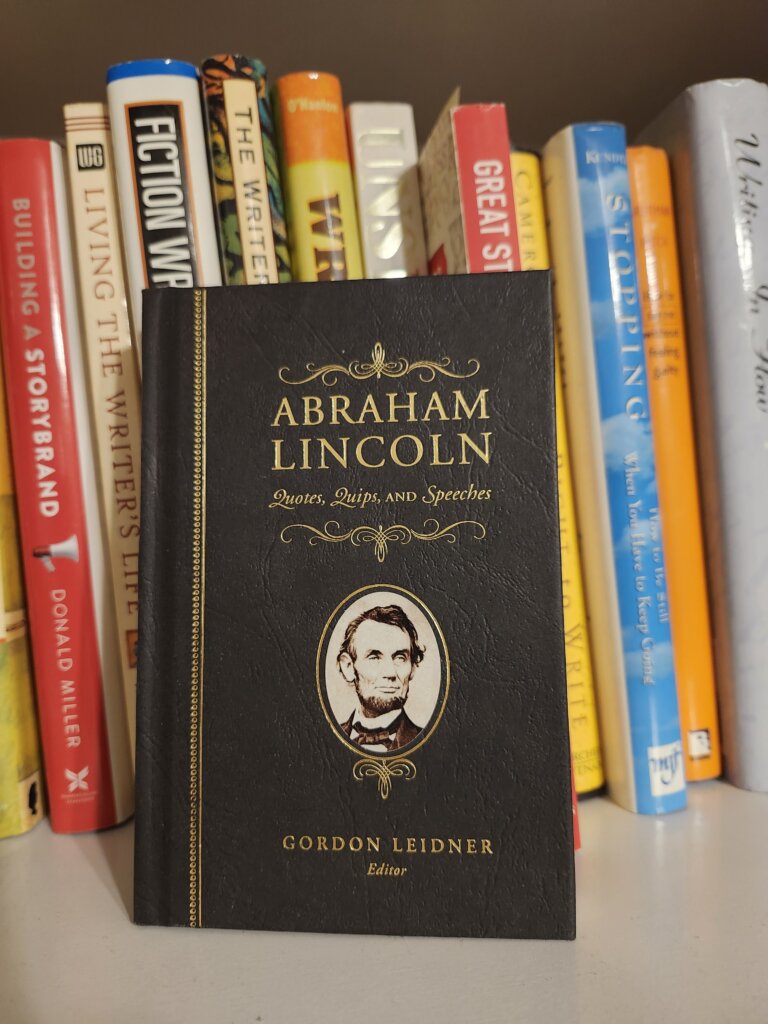
 In the fall of 2019 I spent several weeks
  My mystery writer friend runs daily in the

 I appreciate the notes I’ve received since re-starting the blog this month. I was asked a number of times, “Where have you been the last two years?” Because my Writer’s First Aid blog is all about helping writers hang in there and not quitting and not giving up on writing dreams, it’s certainly a legitimate question. As one person asked, “When writers disappear, where do they go?”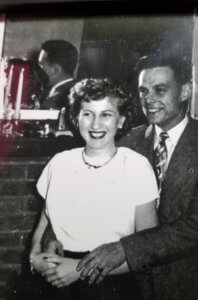
 In April of 2017, I was gardening in the back yard
 Once the last cast came off, I had to start typing, but after all summer in casts, my wrist was frozen in a position with the thumb pointing up. I couldn’t rotate my wrist so that the palm faced up or down. I knew that the physical therapy later for my wrist would correct this, but in the meantime, I couldn’t type on a regular keyboard.
 I had had a lot of thinking time when in my casts since I couldn’t drive, and for a long time it was painful to ride anywhere in a car. It gave me time to think, to evaluate my frenetic writing lifestyle, and make some changes.
 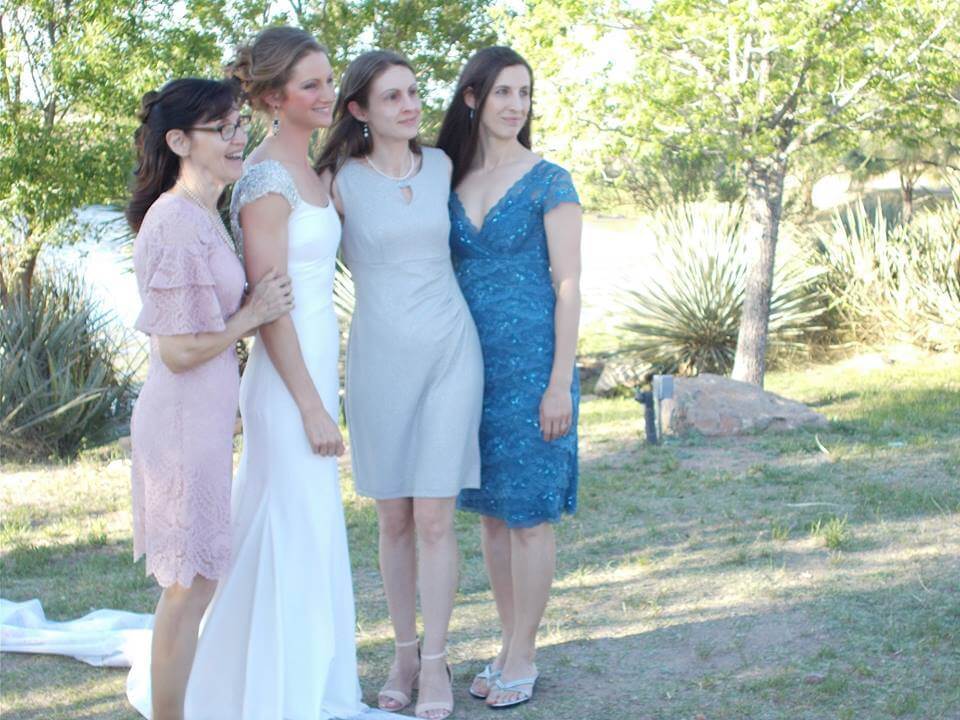 The most joyous event in recent years happened just two months ago. My middle daughter, Laurie, was married outdoors at a ranch in Tucson, and she was just the most beautiful bride. All four of my grandkids had parts in the wedding. I try to respect my kids’ privacy, but I’m going to post just one photo of the girls and me. Our whole family welcomed her husband, Jeff, with open arms. Isn’t it wonderful how a joyous event like this can totally eclipse the tougher events?
 Camp NaNoWriMo is a writing challenge that happens in July. It’s different from NaNoWriMo in November because you can work on ANY type of creative project of any length, not just a 50,000-word novel. First drafts or revision, scripts or stories or poems or essays… all are welcome! You track your goals based on word count, hours, or pages, and they welcome word-count goals between 30 and 1,000,000 words.


