When It’s Time to Update Your Writing Habits

writingSome writing habits can serve you all the days of your life. But other writing habits need to be moderated or tossed out when your season of life changes.

I’m in a season like that right now, and one thing that works for me during such changing times is to read about famous authors’ writing habits. It gives me ideas of what might work better in my fluctuating circumstances.

Time To Change?

Sometimes the need to revise our writing habits is obvious. Your times and places to write before you have your first child may never match your writing times and places after the babies start to arrive. The same is true for writing when you have a full-time job compared to when you’re retired. (And that changes again when your elderly father moves in with you.) Or when you’re healthy compared to when you’re healing from an accident or illness. So many events can leave you feel overloaded and in need of changing your habits.

Life is always changing, and sometimes drastically. But even with the common, garden-variety type of life changes, old writing habits can become obsolete. Other more workable habits need to replace them if your career is to continue.

Writers Reveal Their Writing Habits

Is your life is in a state of flux at the moment? If your previous schedule and habits no longer work for you, consider a change. Check with successful published writers. See what works for them. Then feel free to copy anything you like and try their habits on for size. We can all learn from each other.

Some great places to start looking include:

Are Your Writing Dreams Big Enough? Shoot for the Moon!

Every 7-10 years, I go through a restless writing period. I sense a need or desire to do something different, usually something “they say” is out of vogue or not the genre flavor of the month.

Lately, something has been egging me on to try something more challenging. I’ll talk about that in the coming weeks, but for today, I want to challenge you with a question. 

ARE YOUR WRITING DREAMS BIG ENOUGH?

Shooting for the Moon

I’ve been reading about famous inventors (like Edison), famous businessmen (like Ford), and famous entrepreneurs (like Bill Gates and Steven Spielberg). They lived in different historical periods and pursued different kinds of projects. But they all had one thing in common. They did NOT set “reasonable and achievable goals.” They dreamed bigger dreams than anyone thought they could achieve. And then they achieved them–and more.

Edison (who only had a few months of formal education) decided to try to invent a light bulb in less than three years, even though far more intelligent scientists had spent more than 50 years so far trying to do the same thing. An outlandish goal! “They” said it couldn’t be done. But he ended up inventing it in two years!

When Ford started his auto company, the other 250 American automakers were turning out 12 to 300 cars per year. A reasonable goal for Ford to set would maybe be 150 cars per year. But his dream was to produce cars that the average family could afford–not just the wealthy. And he ended up producing 1,000 cars per day off his assembly lines. (That’s per DAY, not per year.)

Their Key to Major Success

Because Spielberg and Gates are present-day phenomena, you’re already familiar with their stories. They became such huge successes for the same reasons Edison and Ford did. They dreamed big, new ideas and then went ahead and accomplished what “they said” was impossible.

The award-winning writers of the past and present who became household names did the same thing. Their books were repeatedly rejected at first too, because “they said” no one would read them. Names like Dr. Seuss, Pearl Buck, Louisa May Alcott, Agatha Christie, Beatrix Potter, John Grisham, James Patterson, Judy Blume, Madeline L’Engle, Margaret Mitchell, Anne Frank, J.K. Rowling, Stephen King…the list goes on and on of authors who decided to follow the advice of Write What You Love.

Ignore What “They Say”

Maybe “ignore” is too strong, but at least take all the expert advice out there with a big grain of salt. Because of the changes in the publishing industry, the naysayers are thicker than ever. “They say” you have to write what will sell instead of following your passion. “They say” you can’t get a good agent–you need to settle for someone with no experience whom no editor will work with. “They say” you can’t expect to sell your novel to a national publisher, so get familiar with self-publishing. There’s not a thing wrong with any of those choices, but make sure they are choices you want to make.

There were many, many years where I needed to write for the market 100%. I needed to write what would sell and what I could get contracts for ahead of time. My single parent household depended on that income. The books were good, and some of them excited me, but I was also practical. I have some leeway now though, and lately I’ve been exploring outside my comfort zone where some yet-undeveloped dreams and ideas lie. I have the itch again to write something different.

I’ve been asking myself the same question lately that I posed to you: ARE YOUR WRITING DREAMS BIG ENOUGH?

Writers Finding Encouragement, from Without and Within

Talk about encouragement! I was sent this photo a couple weeks ago. Her name is Kathy Carter, and when she and her husband visited England recently, they stopped at Jane Austen’s home in Chawton. She is in the reading room, and she found my Jane Austen book, A Dangerous Tide, on the shelf. I was astounded that it was still there.

As I wrote in this blog post “Jane Austen and Me,” the book had been accepted to be housed in Jane’s home for 12 months, at which time it would be taken down to make room for others. But the photo of Kathy showed that my mystery was still in Jane’s home, 29 months after it was added. I would have been thrilled with the unexpected news at any time, but that particular morning, it was heaven sent.

I had gotten bogged down in my “dream project,” another historical set in England, wondering if I were chasing rainbows. For decades now, I’ve had contracts before I started writing any books. So working again without a contract on something where I don’t have a buyer lined up feels like tight-rope walking without a safety net. I was waging a war with self-doubt about continuing to pursue this project when the photo of Kathy Carter arrived in my email’s Inbox. What encouragement that was to me just when I needed it!

Encouragement to Keep Writing

Writers all need encouragement. Sometimes we need it because we’re starting out, piling up rejections, and wondering if we’re wasting our time. Sometimes we need encouragement if published books don’t garner the sales or 5-star reviews we hoped for. And sometimes (like me now), we are attempting a book outside of our normal niche, and one that requires skills we don’t yet have. 

The way we get encouragement has changed over the years. When I started writing, we got fan letters from kids in snail mail only, and they weren’t part of a class assignment. (They sometimes started out, “I hope you’re not dead like the last author I wrote to.”) It was easy to save letters in a box back then. Now, you need computer files or places to back up in the cloud if you want to peruse such things later for encouragement on the days when the words don’t flow or your rejection letters outnumber your fan letters ten to one.

Or you can do like I’ve started to do. I print out photos and put them where I can see them. I plan to add Kathy Carter’s picture to this Jane Austen photo group on my office wall. It’s important to do things like this so that you’re reminded of your good news. Otherwise, you can forget all about it in less than an hour as various crises happen and life rushes in to fill your time.

Encouragement On Your Own

But what if you don’t have tangible signs of encouragement? Most writing days, this will be true. You must search out your own encouragement then. There are many places online where writers can now go for encouragement. Two of my own posts include an article on how to stop discouraging yourself (Silent Sabotage) and an article (Learned Optimism) by Randy Ingermanson on simple ways to change your thinking that lift you out of discouragement quickly.

Find sources of daily encouragement. Also search for a writing group (locally or online), or start one, where encouraging each other is a large part of it. And remember to encourage other writers yourself. You will reap what you sow.


Good Intentions, Plus RELIABLE Accountability, Spells Success

intentionsWhat do all success stories have in common? Action. Success is the result of action.

What sustains and maintains that success? Repeated, reliable sustained action.

You can’t succeed by doing nothing. You must recognize the importance of being intentional, or having good intentions. But that isn’t enough. The often overlooked step is making it tangible. This intention can’t merely be in your head or scribbled on a scrap of paper that you’ll lose in your car. You must have a system you trust. (paraphrased from Stephen Guise’s blog The Minimum Requirement for Success)

Tracking Progress? Or Losing Track?

One of the hardest things many of us struggle with is not backsliding after getting a grip on a habit we want to establish. I have health habits I work on (drink eight glasses of water each day, exercise thirty minutes each day, no screen time after 8 p.m. so I can sleep, sugar-free day), writing habits (write 25 minutes and rest 5 minutes, don’t check email before 10 a.m.) and spiritual (devotional and prayer first thing). The trouble is, once I establish a habit well and then move on to work on another habit, I tend to forget (and backslide) on the progress I’d worked hard to establish.

There’s too much to remember! And yet, most health and writing habits are only valuable if you are consistent, if you do them daily or almost daily. I’ve blogged about mini habits in the past, and I’ve run several 30-day mini habit challenges which were very successful. Mini habits are much more reliable than motivation to help you meet your goals. I’m still a firm believer concerning mini habits, but I have been unable to find an easy and reliable way to track both earlier habits and new ones I’m working on. 

Until now.

The Best Way I’ve Found to Track Habits

I have tried various ways to track daily habits: wall calendars with check marks, notebooks with a list of daily habits, an erasable board on my office wall. They all had their benefits. I could see the wall calendar and erasable board whenever I sat down to work in my office, so it reminded me then. The notebook idea meant I could take my reminders on the road, thus keeping up with my habits on trips (which is a real challenge.) But nothing worked for all situations.

Then I read Stephen Guise’s idea about habit tracking on a smart phone with a free app called the Habit Loop tracker. It took me an hour to set it all up, but I have used it faithfully for weeks now. It’s fun. It’s colorful. And it’s the only thing visible on my smartphone’s home screen. (In other words, it’s not just a productivity app that is lost among two dozen other apps.) It goes with me everywhere. I don’t have to be online to track a habit. It keeps track of all the statistics for me. It allows me to set reminders, if I want to. And did I mention that it’s FREE?

For a simple tutorial in setting it up, read The New Best Way to Track Mini Habits by Stephen Guise. He takes you step-by-step through the process of setting it up, including screen shots of how he did it. My home screen looks different than his though. I only have the Habit widget and my ten mini habits on the home screen.

Good Intentions Versus Intentions That Work

intentionsGood intentions, for our writing or anything else, only work if we have a way to hold ourselves accountable. If you’re still hunting for a system to keep building reliable habits, I hope you’ll try this Habit Loop idea.

If you do, let me know how it works for you!

Lies We Writers Tell Ourselves and Others

liesI’ve tried very hard and written consistently during this summer, making good use of the time I’ve had between visiting company, having grandchildren overnight, taking trips, and attending birthday parties.

And that statement is a big FAT lie.

It’s a lie I’ve told myself this summer. And it’s a lie I’ve told others. Truthfully, I haven’t made very good use of my time at all. If the first statement were true, I would have much more to show for my writing time this summer.

Fooling Ourselves

Sometimes the lies we tell ourselves have a big enough “grain of truth” in them that we’re only guiltily aware that we’re stretching that truth. Honestly, I did put in quite a few hours per week on my book idea, but not nearly as many hours as I pretended. On the other hand, sometimes we know that we’ve stretched the truth to such an extent that it’s close to snapping like a rubber band.

Why do we do it? And more important, what can we do to stop lying and actually become productive with our hours?

I was pondering that question when I came across a post by one of my favorite “habits” bloggers, James Clear. I’ll quote a bit below, but then I hope you’ll click over to his full article if this portion describes you as closely as it has me this summer.

Stop the Lying!

We often lie to ourselves about the progress we are making on important goals.

For example:

  • If we want to lose weight, we might claim that we’re eating healthy, but in reality our eating habits haven’t changed very much.
  • If we want to be more creative, we might say that we’re trying to write more, but in reality we aren’t holding ourselves to a rigid publishing schedule.
  • If we want to learn a new language, we might say that we have been consistent with our practice even though we skipped last night to watch television.

We use lukewarm phrases like, “I’m doing well with the time I have available.” Or, “I’ve been trying really hard recently.” Rarely do these statements include any type of hard measurement. They are usually just soft excuses that make us feel better about having a goal that we haven’t made much real progress toward. (I know because I’ve been guilty of saying many of these things myself.)


Why do these little lies matter?


Because they are preventing us from self-awareness. Emotions and feelings are important and they have a place, but when we use feel-good statements to track our progress in life, we end up lying to ourselves about what we’re actually doing.

Practical Answers

truth liesUnless we distinguish between truth and the lies (and half-truths) we tell ourselves, we won’t make a lot of writing progress. That “honest introspection” comes first. Then, after admitting the truth, we can pursue solutions.
James Clear’s article gives you some examples of what he uses for solutions. On Friday, I’ll share with you something I found that has turned my productivity around and provided the self-accountability I needed. Maybe it will help you as much as it’s helped me!


How Does Your Talent Grow? (Or Can It?)

Related imageIs your amount of God-given writing talent a fixed quantity? We often hear that it is, but that you can study and practice to improve your writing skills. If that’s true, how would you respond to this email?

“I know that publishing has changed drastically, but I don’t want to self-publish, and I don’t want my first book to be an e-book. I want to hold a published (by a traditional publisher) book in my hands. I’m willing to work hard—very hard—to improve my craft, and I’m willing to market, but I only have so much talent. Do I even have a chance of landing a traditional publisher?”

Award-winning songwriter Irving Berlin knew that while talent may first separate you from others, the advantage it gives doesn’t last long. “Talent is only a starting point,” Berlin said. “You’ve got to keep working that talent.”

Working that talent? Berlin sounds as if he’s saying that we all start with some talent–but there’s something we’re supposed to do with it. After 35 years of writing and 27 years of teaching writing, I have to agree. At least, my own experience supports the idea that our bit of writing talent is more than a given attribute, like our height or bone structure. It’s something we can work with.

Okay, but what do we do with it?

Where You Focus Matters

John Maxwell, motivational speaker, often talks about finding your “strength zone,” or the areas you excel. He says the majority of people don’t do that. Instead, they waste time focusing on strengthening their weaknesses instead.

For example, I can write short nonfiction very quickly, and little rewriting is needed. I also have a talent for plotting good mysteries. On the other hand, I can’t write a poem to save my life. It would be silly for me to spend a large amount of time trying to write verse novels or picture books. Instead it makes more publishing sense to follow Maxwell’s advice and get even better at what I already do well.

Increase Our Talent? Really?

Most of us believe that we are born with a certain amount and type of creative talent that is fairly fixed. We know we can practice our writing skills and improve, but talent seems as constant as having blue eyes or big feet.

But are you truly stuck with a certain amount of talent, and you just have to make do with it? Or are there ways to maximize whatever God-given talent you might happen to have? Maxwell says there are thirteen ways you can make the most of your talents. For writers–for anyone–that’s good news! Choose one of these ways today, and use it to help your talent grow.

  1. Belief lifts your talent.
  2. Passion energizes your talent.
  3. Initiative activates your talent.
  4. Focus directs your talent.
  5. Preparation positions your talent.
  6. Practice sharpens your talent.
  7. Perseverance sustains your talent.
  8. Courage tests your talent.
  9. Teachability expands your talent.
  10. Character protects your talent.
  11. Relationships influence your talent.
  12. Responsibility strengthens your talent.
  13. Teamwork multiplies your talent.

Get Started Today!

Many writers compare themselves to others and feel as if they were on the short end of the stick when talent was distributed. Even so, there are things you can do to help it grow. In changing publishing times, this is good to know.

Which one of the ways above can you choose to implement today? And then another way tomorrow? I challenge you to take each attribute and focus on one per week–and watch your talent grow in the coming months.

Finding–and Maintaining–Passion for Your Writing

“Enthusiasm is one of the most powerful engines of success. When you do a thing, do it with all your might. Put your whole soul into it. Stamp it with your own personality…Nothing great was ever achieved without enthusiasm.”

~~Ralph Waldo Emerson

Where do you get this enthusiasm? It comes from having passion for your writing.

How does a writer act who is passionate about his writing? He can’t wait to get up in the morning and get started. He is eager and energetic. This comes from loving what you do, and doing what you were born to do or feel called to do. Feeling this passion for your writing keeps you going. Even on our most frustrating days, quitting is no longer an option. When you’re passionate about your writing, perseverance is almost a given.

Sounds like heaven! But how does a writer achieve such euphoria?

You need the answers to two main questions:

  • How do you develop passion for the most important areas of your life?
  • How do you maintain that passion during the inevitable tough times?

First: Find It

Are you doing what you really want to do in your writing career? Are you doing it at least part of the time? (I know that for most of my writing life, it was half and half. Half the time I was writing what I really wanted to write–fiction usually–whether it sold or not. The other half of my writing time went to work-for-hire projects, teaching, speaking or whatever brought guaranteed income.) Ask yourself: Am I truly doing what I want to do?

If you’re not skilled enough to do the work you’d love to do, make time to educate yourself so you are. While maintaining your current job (either outside the home and/or raising children), do whatever it takes to prepare for your dream writing jobs. It’s very difficult to create the passion for doing something you don’t want to do or a job you are “settling for” because you don’t feel skilled enough to do what you’d really love to do.

Do whatever you need to do to overcome those lying voices in your head that say you’ll never be good enough, you’re not smart enough, you’re not whatever enough. Read inspirational books, read author biographies about how they got started and grew as writers, and say “no” to whatever is eating the time you need to study and read and write. My favorite way to “change my brain” is through Caroline Leaf’s online 21-Day Detox program, which I have used for several years now. 

Second: Maintain It

Passion for your writing makes your days fly by (in a good way). It helps you get more done in less time. That being true, it deserves whatever time you need to keep your writing passion alive. If your passion for writing dies, then writing just becomes another drudge job.

So how can you maintain passion and enthusiasm every day? First–and maybe most obvious–is to spend more time actually doing what you love to do. What is your pet writing project, the one that may never sell but you love it? Spend more time each day working on it. Even if it’s only an extra fifteen minutes or half an hour, it will remind you why you love to write.

Another key to maintaining passion for all your work is to keep a close eye on your physical, mental, emotional, and spiritual health. For example, I gave up sugar a couple years ago after being diagnosed with an autoimmune disease. For a gal whose blood type is Hershey’s, that was a big deal for me. But more and more, sugar was making me sick and sluggish and sleepy. It was affecting my work–both the output and how I felt during work time. I don’t miss the sweets now, but during the first thirty days, I might have mugged you for your candy bar. What does that have to do with writing? It’s about maintaining passion. I don’t feel passionate about anything–including writing–if I don’t feel physically well. 

Tricks of the Trade

I know I’m not alone in trying to find and/or maintain passion for my writing on some days (or during certain seasons of life). Feel free to share (here or on Facebook) some tips for how YOU maintain your writing enthusiasm during fluctuating times!

The People Around You: Well-Poisoners, Lawn-Mowers, and Life-Enhancers

The blog post earlier this week, Conversations Crucial for Creative Success, generated more private email responses from people than any post I’ve written in years.

Some readers told about overcoming the negative impact of verbal put-downs by parents and other family members. Some blog readers found people in their lives to lack reciprocity: no willingness to make room for a writer’s dreams if it cost them any of the writer’s time or attention. A couple people described the most supportive critique groups imaginable–and their “make or break” value to the unpublished writer. (I would add that they are just as critical after being published. The challenges are different then, but just as tough.) 

It Takes All Kinds to Make a World

After reading the posts, I went digging for a quote I had read somewhere. It was something the late Walt Disney said:

“There are three kinds of people in the world. First, there are the well-poisoners, who discourage you and stomp on your creativity and tell you what you can’t do. Then there are the lawn-mowers, people who are well-intentioned but self-absorbed. They tend to their own needs, mow their own lawns, and never leave their yards to help another person. Finally, there are life-enhancers, people who reach out to enrich the lives of others, to lift them up and inspire them.

Walt had his share of well-poisoners and lawn-mowers in his life, but hopefully, he had plenty of life-enhancers too. His creativity produced some of the best-loved movies my kids grew up on and my grandkids still enjoy. 

Be Selective

The words of others do have an impact on us, whether positive or negative, so be aware of this. As much as possible, limit the time spent with the doom-and-gloom naysayers in your life (or don’t share your writing dreams with them).
You will know, after a few attempts, which people will support you and who will deflate your dreams. Protect your dreams at every stage of your career from those who, for whatever reasons, are discouraging.

On the flip side of this coin, make a concerted effort to find supportive friends. It doesn’t always have to be another writer who understands “writing issues,” but someone who will simply encourage your dreams. If you find an encouraging writer–or joy of joys, a whole critique group of writers!–consider yourself blessed. Hang onto them for dear life.

Weeding and Feeding

One of the quickest ways to weed out the negative well-poisoners, I’ve found, is to agree with them. “Yes, you’re right! Very few people make a living by writing novels, but I’m still going to try.” [SMILE] “Yes, you’re right. My routines have changed. Now I use my best time in the morning for writing and use my tired brain time later in the day for housework.” “Yes, it’s quite possible that my first sale was a fluke and it won’t happen again. But I love to write, so I’ll keep writing anyway.”

For the lawn-mowers in your life, who focus on their own needs but don’t notice you’d like some help too, it’s easiest to just ignore them. Drop your expectations that they will notice your need and volunteer. Make your writing plans independent of them. If you have small children, write when they sleep or trade babysitting time with another mom or write while the kids have swim lessons. Make plans to carry out your goals as if it only depended on you–because in the end, it does.

For the life-enhancers, the best way to find them is to be one yourself. Go to writing events. Join online writing groups, like the free NaNoWriMo events or those for your special type of writing. (e.g. Society of Children’s Book Writers and Illustrators, Mystery Writers of America, Romance Writers of America, American Christian Fiction Writers, Science Fiction and Fantasy Writers of America.) Join critique groups, or form one yourself.

People for Your Inner Circle

When you meet other writers, encourage them in their writing attempts. Granted, a small number might turn out to be well-poisoner writers. Thankfully, they are few and far between. More will be lawn-mower writers, those who want and need and welcome your encouragement, but don’t give much back.

Hold out for the life-enhancer type of writer, someone who won’t just take encouragement, but give some back as well. These are your keepers. These are the writers you want in your inner circle. These are “your people.” Then you can have those “crucial conversations” needed for your creativity.”


The Disappearing Writer: Now You See Him, Now You Don’t!

 I appreciate the notes I’ve received since re-starting the blog this month. I was asked a number of times, “Where have you been the last two years?” Because my Writer’s First Aid blog is all about helping writers hang in there and not quitting and not giving up on writing dreams, it’s certainly a legitimate question. As one person asked, “When writers disappear, where do they go?”

So this post is more about me and my life than most posts I write. Hopefully, you will be encouraged not to quit when life “happens,” as it does to us all. The last two years, it just happened that a LOT of life happened. Some events were quite painful, some intensely annoying, and some brought great joy. In each case, I learned valuable lessons. So . . . here are main events since I disappeared!

My Mom’s Sudden Passing

Mom and Dad’s engagement picture, 1948

Two years ago this month, at the time of my last new blog post, I was battling some symptoms (losing eyesight, exhaustion, hair falling out, not sleeping), plus I’d signed too many book contracts and was struggling to keep up. My mom in Florida (88) had had major heart surgery and other hospitalizations. Then my sister called to say Mom (who had recovered SO well and was even back to ballroom dancing) had died suddenly. So the summer of 2016 passed in a blur as we dealt with estate matters, cleaned out her house where she’d lived for 41 years, and got it sold. As those of you who have been through this process know, it takes a while to recover.

Sign on Gravestone: I Told You I Was Sick

During this time, I continued to get sicker, but doctors kept writing the symptoms off as “aging” issues that I needed to accept. Not very helpful! I burned the midnight oil Googling symptoms. Long story short on the health issues: when you are sure there is something wrong and doctors aren’t/won’t/can’t order the tests you need, find an independent lab nearby and order the tests yourself. I’m so glad I did!

By the time I could convince doctors that there was something seriously wrong with me, I had had the lab work done, got a diagnosis, and started a treatment program of my own found through reading online, watching conference videos, and studying current medical research. By the time doctors diagnosed my main issue, I had been on a treatment program of supplements and major dietary changes and was starting to see improved lab results. Be proactive in your own healthcare! It’s an ongoing learning process, but I am thrilled to feel better now than I have in years.

New Books Out

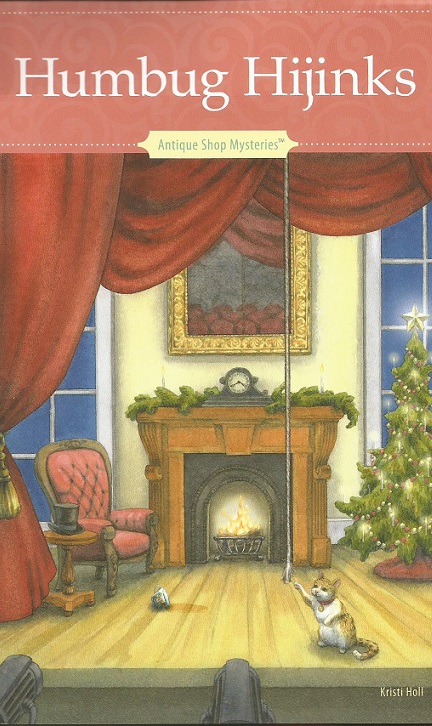
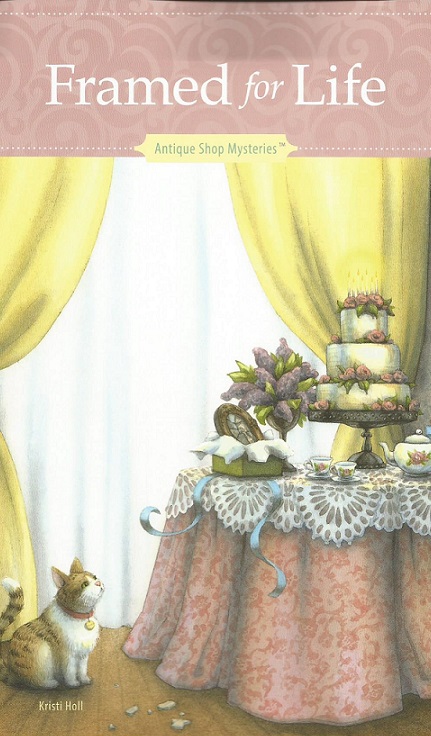
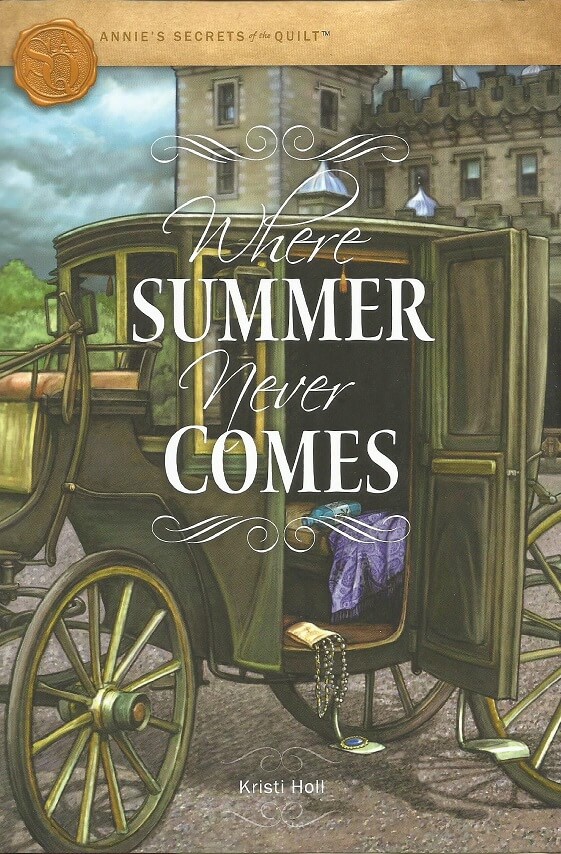
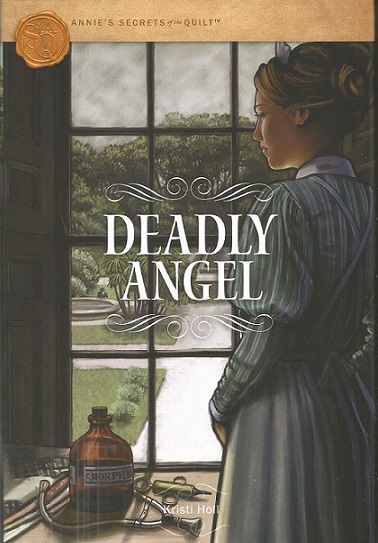
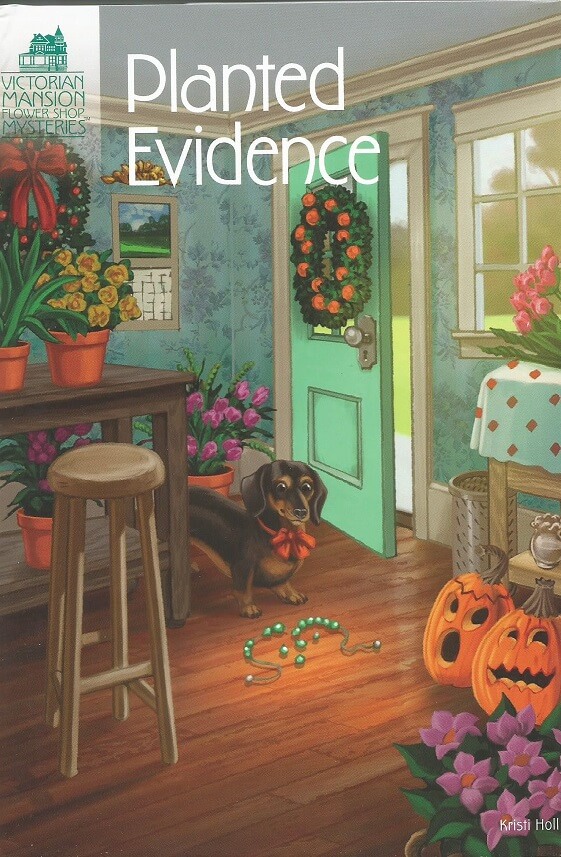
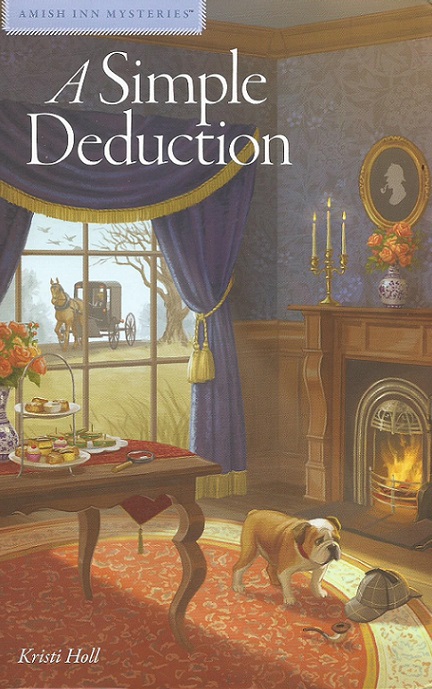
I was writing a lot during this time, and here are the last six adult mysteries I have had published by Annie’s Publishing. [I had someone ask if this was self-publishing. No, it isn’t. This company does many mystery series, and I have written for four of their series. They publish in hardcover, and now ebooks too, I’ve heard. https://www.anniesfiction.com/]


I have thoroughly enjoyed writing for my own age group after only writing fiction for children nearly thirty years. The only mistake I made was signing too many contracts at first, not taking into account the length difference between adult and children’s books. That sounds like a no-brainer, I know, but it didn’t register till later. You can read about them here if you want to know the plots: https://www.kristiholl.com/mysteries-for-adults-and-children/

Watch Your Step!

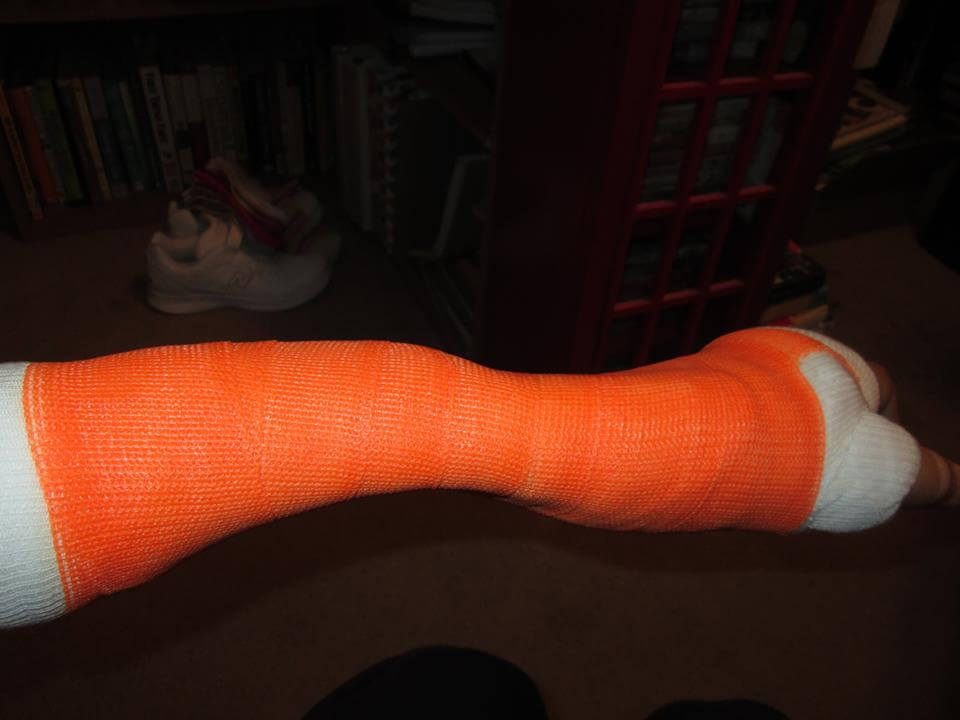
In April of 2017, I was gardening in the back yard, stepped backward without thinking, and tripped over a full watering can. I went down hard on our rocky dry Texas soil, tried to brace my fall, and broke my left wrist in four places and popped out my left shoulder. I avoided surgery but had to have three casts over eleven weeks, as they put me in traction and lined up each bone so it would attach. (I have tiny bones, without enough to attach steel plates and rods to, so I’m glad they avoided surgery.) They have a saying at the hospital: “crooked arm equals straight bone.” It was hard to believe when I saw the finished casts, but the x-rays did indeed show all the bone pieces in straight lines. [After seeing the shape of the cast, it made sense that physical therapy had to follow.]

I still had contracts to fulfill, and thankfully I had broken the left wrist. I used to enjoy writing by hand, so that’s what I did, filling up spiral notebooks and writing 55,000 words by hand in a couple of weeks. [I actually DID enjoy writing with no distractions that come with a computer. Your paper and pen don’t ding, squeak, ring or crash.]

Where There’s a Will, There’s a Way

Once the last cast came off, I had to start typing, but after all summer in casts, my wrist was frozen in a position with the thumb pointing up. I couldn’t rotate my wrist so that the palm faced up or down. I knew that the physical therapy later for my wrist would correct this, but in the meantime, I couldn’t type on a regular keyboard.

However, I found a new keyboard online that looked like something out of a Star Wars movie. It didn’t matter that my wrist was frozen in place because with this keyboard, you type with your thumbs pointed up. It is for people to cure carpal tunnel syndrome or who have had a broken wrist or wrist surgery. My speed was very slow, and I had to do a lot of one-finger correcting, but the book got turned in on time, and I took a break then.

Blessings in the Brokenness

I had had a lot of thinking time when in my casts since I couldn’t drive, and for a long time it was painful to ride anywhere in a car. It gave me time to think, to evaluate my frenetic writing lifestyle, and make some changes.
I remembered a book project that I’d put on the back burner for more than five years, one of those projects that you’re not sure will sell, but you’d love to write anyway. I decided it was now or never. Who knew when I might encounter another deadly watering can? So that’s the project I’m working on now. 

Wedding Bells!

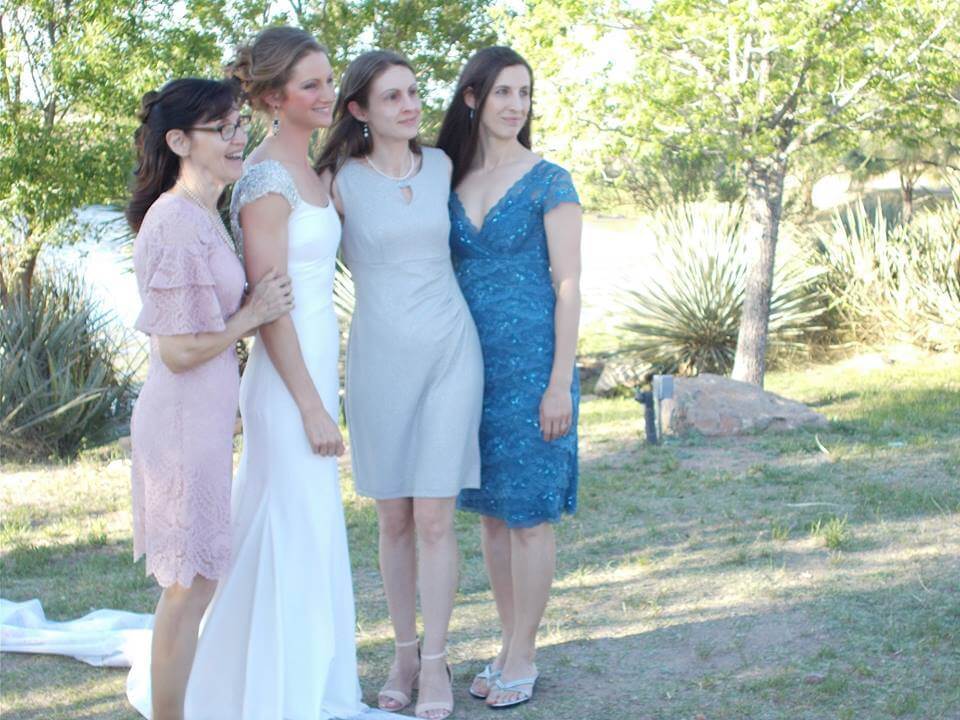
The most joyous event in recent years happened just two months ago. My middle daughter, Laurie, was married outdoors at a ranch in Tucson, and she was just the most beautiful bride. All four of my grandkids had parts in the wedding. I try to respect my kids’ privacy, but I’m going to post just one photo of the girls and me. Our whole family welcomed her husband, Jeff, with open arms. Isn’t it wonderful how a joyous event like this can totally eclipse the tougher events?
 

I’m Going to Summer Camp! Are You?

Camp NaNoWriMo is a writing challenge that happens in July. It’s different from NaNoWriMo in November because you can work on ANY type of creative project of any length, not just a 50,000-word novel. First drafts or revision, scripts or stories or poems or essays… all are welcome! You track your goals based on word count, hours, or pages, and they welcome word-count goals between 30 and 1,000,000 words.

You join an online cabin with up to 20 other writers. It starts tomorrow, and it’s still not too late to create a cabin or join someone else’s cabin. I like small groups myself. My cabin has only two people in it: my long-time writer friend and accountability partner and me. If you’re interested in joining a cabin of your own, check it out: https://campnanowrimo.org

I’m glad to be back in contact with you all. And thank you for notes I’ve received this month after I resurfaced. Writers make the best community!

7 Paths from Busy to Productive

productiveAre you as productive as you’d like to be?

Earlier this week, we looked at the differences between being busy and being productive. Our time and energy are precious to us. When we spend both, we want results. Spinning our wheels uses time and energy too, but that depletes us, whereas being productive with our time and energy leaves us energized

So, how can we redeem our time, making sure that our time is invested and not wasted?

1. Monitor Your Thoughts

First, think about what you’re thinking about. Your thoughts about your writing create your feelings about it, and how you feel determines the actions you take. And, of course, your actions will determine the results you have at the end of your writing time.

For me, many times when I sit down to write a scene or chapter, I suddenly think it’s a boring or dumb idea and no one will like it. If I don’t interrupt my thinking right there and contradict that “stinking thinking,” my emotional reaction is to continue to feel that way until I want to procrastinate with “networking” Facebook or “researching” YouTube videos, or watching a show on Britbox or AcornTV. My thoughts tell me that I don’t have to write yet. It offers me a way to avoid dealing with my fear that my book idea is only interesting to me. This happens more times than I can count, and especially if I’m at a challenging point, or doing a rough draft, which is the scariest for me. I can so easily slip from my productive writing plans into busy work and distraction.

Most days I plan on having to do a “thought detox” when I get started. I know it’s probably coming. Each person must deal with their negative thoughts in their own way. For me, it works best if I pray, reaffirm that God is helping me create, and trusting Him with the outcome. Then I get to work. The sooner in the day you do the mental detox, the sooner you will be productive. You’ll also sidestep the anxiety and procrastination and addictive eating or Netflix bingeing. Too many days I’ve wasted most of the day planning to write but indulging anxious feelings first, then being disgusted with myself, then finally working on my stinking thinking, and getting down to writing about 4:00 in the afternoon. I’ll write 1-2,000 words and kick myself for not beginning much earlier and writing three times as much. What a waste of a writing day!

2. Set Self-Imposed Specific Deadlines

This trick pertains to those writing under contract as much as those writing on spec or who are self-publishing. It’s basic human nature. If you give yourself two years to write a book, it will take you two years. If you give yourself four months to write a book and that’s all you can give, it will take you four months. (Get used to deadlines. You won’t say to an editor, “Let’s leave the deadline in the contract blank, because I don’t know how long this will take.”)

You might think setting deadlines like that won’t work, but it’s just like when you were in school. You had two weeks to get a paper done, or you had two weeks to get the book read. How did you know how long it would take you to get that paper written? When was it due? That’s how long it took you. You have to treat self-created deadlines the same way.

Studies have repeatedly shown that when you give yourself a shorter amount of time to produce a result, it’s much more energizing and enjoyable. Bear that in mind when creating your deadlines. Giving myself two hours to write 2,000 words is much more energizing than giving myself all day to do it. It will take all day then, interspersed with lots of procrastinating which makes me even more tired in the end. With a shorter time deadline, there’s no time for stressing and confusion and procrastination, then making yourself get back to work. You just get to the writing and whiz along usually.

3. Break It Down: Daily and Hourly NON-Negotiable Deadlines

To improve productivity, set tighter production deadlines every day. Example: “I’ll write this blog post in two hours.” (Or “I’ll proofread three chapters” or “write 2,000 words” in two hours.) Then close out all your apps, set a timer, and go! It’s a mindset, a thought choice. You already have the skill of creating non-negotiable deals and deadlines with yourself. At one point, many of us made a non-negotiable deal with ourselves that said, “If my baby is hungry or has a messy diaper, I will always feed her and change her as soon as possible.” We didn’t have to keep negotiating with ourselves every few days when we didn’t want to get out of bed in the middle of the night.

We’ve made similar non-negotiable deals with ourselves about all kinds of things, from being faithful to a spouse, to paying rent on time (whether we felt like it at the moment or not, whether or not we were tired, and whether or not we just wanted to do something else.) Making non-negotiable deals with yourself and keeping your word to yourself is a skill you already have. Think about how you use that skill in other areas of your life. Then apply that skill to your writing.

4. Make Results-Focused Task Lists

To be more productive, don’t create a to-do list that has you spend time doing something, like “spend two hours on marketing.” That’s an invitation to busy work, not useful for productivity. You don’t want to just spend activity time—you want to produce a result. Instead of “spend two hours on marketing,” your to-do list item for those two hours might read, “write a blog post, find two more agents to query, and announce my new blog post on Facebook.” If you focus on results, you will be more efficient with your time and not get sidetracked on Facebook reading everyone else’s posts. Always focus on results, not time spent. (Your result might be words written or revised, pages of research for your novel, lessons done from a book you’re studying on craft, etc.) Save your browsing of social media for after your work is done.

I used to have on my calendar things like “study character book two hours.” It’s interesting and helpful to learn new information, but unless I actually do the exercises at the end of each chapter and apply what I learn to my WIP, I find the time hasn’t been very productive. (Remember, we’re talking here about producing results.) Taking in information, via books or podcasts or blogs, certainly can have value, depending on what you’re reading. But it’s so easy for those of us who love books and information to fool ourselves into thinking we’ve had a productive day because we read James Scott Bell’s most recent plotting book. It might have been good, it might potentially help us write better, but we haven’t actually produced anything simply by reading. I AM VERY GUILTY OF THIS. I would so much rather read about writing than write! It makes me FEEL productive without actually having to produce anything. I LOVE books about writing—I have so many that I could open a store all by myself. But I learned that I had to leave them as a treat or reward AFTER the daily writing got done if I’m only going to read them.

5. Eliminate Distractions To Be Productive.

Productive writers allow themselves very little or no time to indulge in stress or confusion. They don’t check Facebook, or turn on the TV. You give yourself one hour to revise four pages of your novel, you sit down and you get it done. And you’re very focused because there’s that timer going. See also I’m Losing My Mind and Your Phone Habit OR Your Writing Life: It’s Your Choice for dealing with smartphone distractions. I use Internet blocking apps too, like Freedom software and Anti-Social software (both free).

Oddly enough, I find that my 2,000 words written in two hours is just as good as the same amount produced over an entire day or week. When you give yourself a time frame, your alertness goes up, your focus intensifies, your productivity increases. You feel efficient. So, try it out. Race the clock. Set a timer and give yourself half an hour to flesh out a character for your book. Will it be complete in half an hour? No. You’ll add to it later, but you’ll have something solid to work with.

6. Plan. Plan. Plan Some More.

To be productive, plan before you take action. Starting faster doesn’t get it done faster if you don’t have a plan. This isn’t an “outlining vs. writing by the seat of your pants” issue. Pantsers have to make plans, or they would miss deadlines right and left too. No matter what your writing style is, no one meets deadlines without specific plans of what they intend to accomplish on any given writing day. If there’s something you don’t know how to do, then your plan includes researching how to do it, and the timeframe for accomplishing that. You don’t want to write from a pressured last-minute state—it’s like writing with a gun to your head—but from a planned and energized state. You’ll enjoy the writing more and be doubly productive.

7. Work Hard. Play Hard.

Studies show that the most productive people—not just writers—alternate working hard with playing hard. The most productive writers I know alternate short work periods (30-60 minutes) with decent rest or play periods (30 minutes). The rest or play can be anything rejuvenating that you look forward to: half an hour of a favorite show, a walk outside, relaxing with a fiction book of someone else’s, etc. (You don’t count things like folding laundry or loading the dishwasher as a break. It might be a break from sitting and writing, and you might untangle a plot problem that way, but it won’t rejuvenate you or energize you. It’s just a different kind of work.) Work hard. Rest or play hard. Work creates results. Rest creates energy. Rinse and repeat.

Most of us—me included—can do twice as much writing as we’re already doing. We’re all working on lots of things besides writing. We all have challenges in our lives that make the writing harder at times. I wouldn’t say that without the experience to back it up. Big challenges come in our personal lives, our work lives, and our health. If you continue to write long enough, you will probably deal with them all. But learning some productivity habits—knowing how to get results from the time and energy you invest—will keep you in the writing game.