When Your Writer’s Personality is Rejected

The post below about a writer’s personality ran six years ago, and something happened this past week that reminded me of how much we need other writers. I am blessed to have two such people as close friends: one who is my age and in relatively the same stage in life, and one who is 15 years older, who has weathered tougher times than I have and still kept her marvelous sense of humor. I hope to be like her someday. However, the first 2/3 of my writing life wasn’t like that, and I felt truly alone in this venture. If that sounds like you, read on (including the comments which I saved.) When I say that “we’re all in this together,” I mean it.

*******

If you’ve studied personality types, you may have noticed how many writers have a good dose of the Melancholy Temperament.

Some of the signs:

  • You’re sensitive to your own feelings plus the vibes given off by others.
  • You notice things that go over the heads of others.
  • You love solitude—and need it to feel sane and calm.
  • You like to think, and think deeply.
  • You may be more of an observer at parties, avoiding the limelight if possible.

All those traits help your writing immensely. Other writers will love those traits in you.

Unwelcome Personality

Be warned, however. Many people in your life won’t like some of your creative personality. When that happens, it will feel like another form of rejection.

I was reminded of this when re-reading a terrific book called The Soul Tells a Story by Vinita Hampton Wright. Here’s what  the author has to say about this:

“My gifts were always welcomed and encouraged in my family, church, and school communities. What was not welcomed was the personality from which those gifts spring. I was moody, easily depressed and extremely introverted. I had no social skills, was too honest when I talked, and didn’t know anything about flirtation or other forms of politics.” She added that she had “an overriding sense that people didn’t accept me as I was. I would be told to stop having a long face, that I should smile more, that I should be more outgoing…that to be inward was to be self-centered.”

If you have some Melancholy Temperament, and you also grew up in a dysfunctional environment, your personality traits may be even more pronounced.

Finding a Kindred Personality

I could really identify with Ms. Wright’s words. All my life I’ve been told that I think too much. So my best friend (a non-writer) shocked me when we first met. She said, “I like that you read a lot and think deeply.” She does too—and we bonded for life! You need to have such kindred souls in your life–even one will do.

I’m not saying we never need to change. And I’m not suggesting that you announce to your family “I’m moody because I’m a writer, so get over it” or snarl “Go away and leave me ALONE because I’m an introvert” or tell people off because you are honest.

On the other hand, stop tying yourself into a pretzel to be what someone else thinks you should be.

Be Grateful for Your Writer’s Personality

I’ve spent a lot of my life trying to “undo” my writer’s personality, not realizing what it was (or that it was part of a gift). You may find that there are few people that you can be your unvarnished self with. (I am blessed with a best friend, a dear sister, and another writer who let me relax and say whatever is on my mind and never judge or reject me. If you have even ONE person in your life where you can do that, you are blessed.)

With everyone else, I tone down the tell-it-like-it-is honesty, and I smile whether I want to or not. I developed social tricks to get others to talk so I didn’t have to. I’ve dumped my “unacceptable” feelings into journals for nearly thirty years.

I might not be as brave as some of you. Or maybe I’m just old enough to be too tired to deal with people who don’t understand me and don’t want to try. It stirs up exhausting discussions that go nowhere. I’d rather save that energy for my writing.

Put Your Writer’s Personality to Good Use

Don’t get me wrong. I don’t stuff things till I implode. (I used to–bad for the blood pressure!) Instead, I pour those in-your-face honest feelings into my fiction and nonfiction. I let characters say things I don’t say anymore. I tend to create characters that feel like they’re out of the mainstream socially. And I love characters who are sensitive and probably think too much.

Ms. Wright says: “Creativity takes you places that are weird to others. Don’t be surprised when others reject you for being different, asking too many questions or expressing yourself in ways that are unfamiliar to them.”

You’re not alone if you get this type of reaction fairly often. Just be sure to hang out with people—like me—who will value your writer’s personality. They’re out there. Look for them, and don’t stop till you find one. I was in my late 30s before I found a truly kindred soul.

When you find someone who likes your writer’s personality, you may find out that they’re undercover writers as well. If so, you’re doubly blessed.

If you’ve ever felt this way, please leave a comment! You’re among friends here! [NOTE: I understand that a security issue has blocked comments. I have a “work order” into Sucuri to get it fixed, in case you try to post and can’t. Argh!]

Spiral UP? Or spiral DOWN? Your choice!

For over a year, I’ve been dealing with three difficult circumstances that impacted everything, causing one downward spiral after another. Since I tend to handle things privately, I disappeared from social media. 
But last fall, I felt the urge to get back to thriving (if at all possible) instead of simply surviving.

Easy to say, but hard to do!

Self-Examination

I had picked up some escapist survival habits that were more engrained than I first believed. I had great intentions at the beginning of the day; however, failure to follow through happened with regularity (like many times daily). One or two poor choices flipped me into that excuse of “I’ve ruined today, so I’ll start again tomorrow.”

I don’t think I’ve had a perfect day yet where I made good eating choices, writing choices, and relationship choices without fail. And my lightning quick brain finally realized perfection wasn’t EVER going to be possible. Not this side of heaven anyway. But I finally learned something critical that improved every area that needed healing:

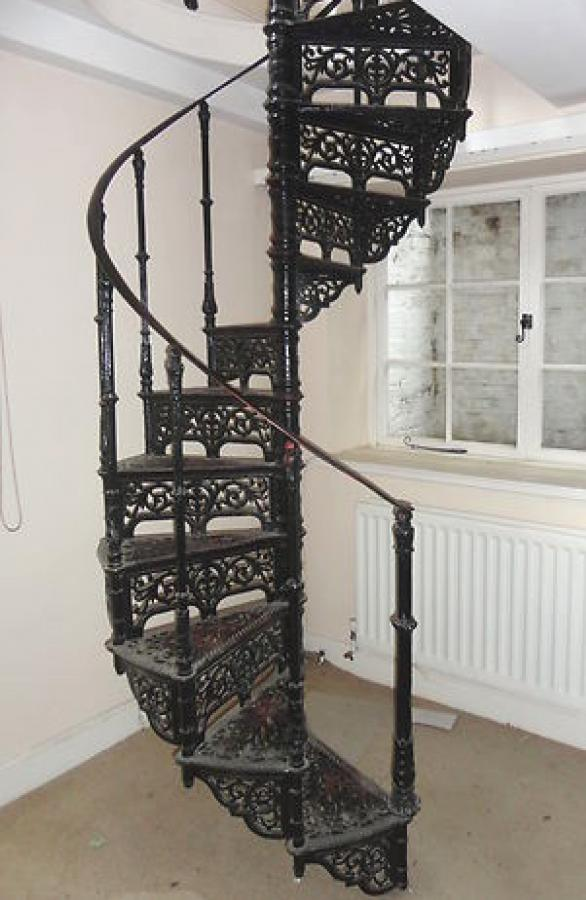
Every poor choice is the beginning of a spiral. Like a circular staircase, you can either spiral up or down. You always have two options, and you get to choose.”

Spiral Down Fast

Each day contains at least one poor choice we make. (Often it is several.) A poor choice is one that doesn’t fit your goals. It could be a writing goal, a health goal, a time management goal, or a relationship goal.

A poor choice could be

  • scrolling social media during your writing time,
  • eating two sugary donuts,
  • binge watching TV till midnight, or
  • snapping at your child.

Your first poor choice is your critical choice moment

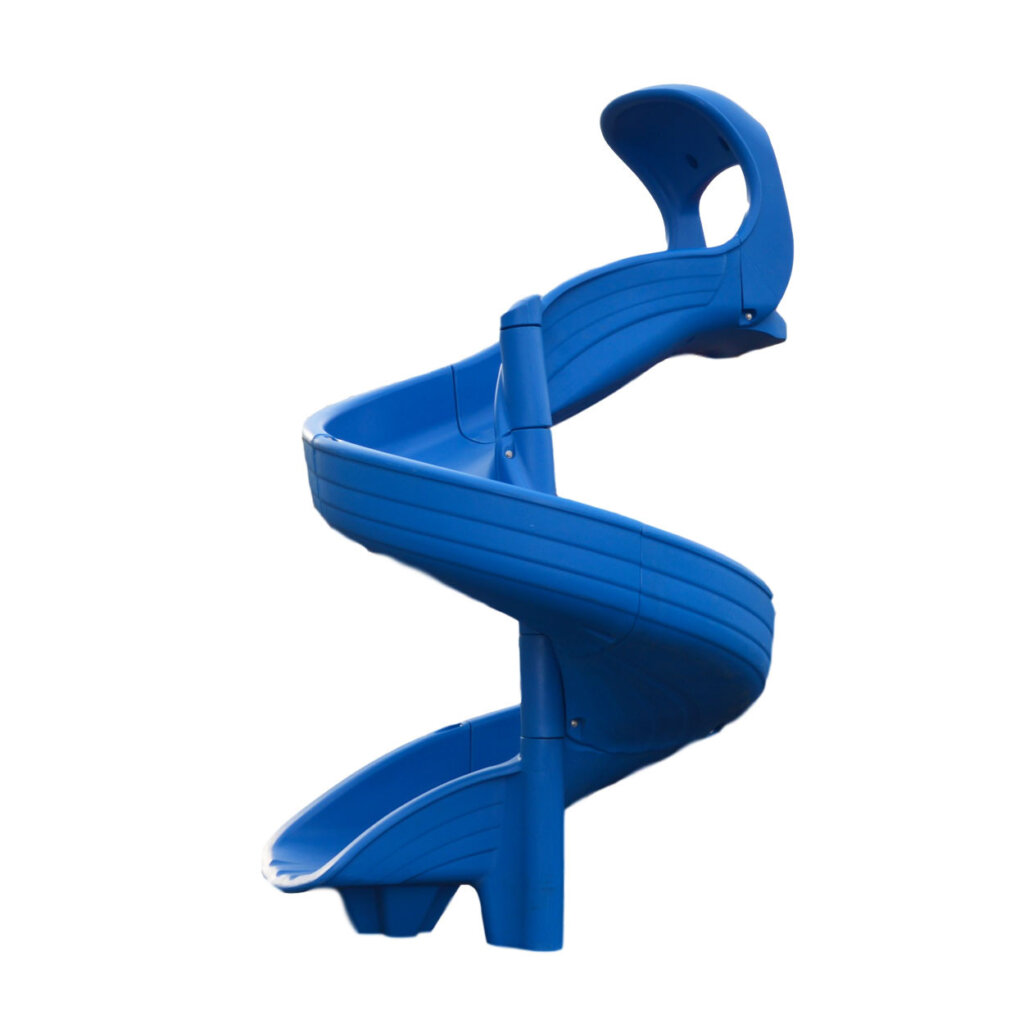
You can make a poor choice and SPIRAL DOWNWARD FAST. Imagine yourself at the top of this twisty slide. One push, and down you go, around and around until you hit bottom.

Practically speaking, what might that look like?

  • You can decide that the day is already ruined when you eat a donut for breakfast. So, you eat junk food and sugar bombs the rest of the day.
  • You feel guilty, so you add binge watching a favorite TV series until you are blotto.
  • You put away your manuscript again to tend to your headache, and
  • give the obstinate child the silent treatment for good measure.

Choice #2: Spiral Up (Slowly but Steadily)

On the other hand, you can make THE VERY SAME POOR CHOICE, then decide to SPIRAL UP SLOWLY, STEP BY TINY STEP, instead. 

You can stop the downward trajectory immediately by taking a small step UP.

  • After your donut, you might brush your teeth or plan a healthy lunch.
  • You might close all the live streaming tabs on your laptop.
  • You might turn to where you left off during your last writing session and re-read the page.
  • You might apologize to the child and hold her on your lap for a minute.
  • You might take a slow, five-minute walk to interrupt your negative thinking.

Continual Choices

Yes, the upward spiral is a slower path, but it’s a steady path of growth. The steps up don’t have to be big at all. And you can take lots of pauses to refresh with a stretch or walk around the yard or enjoy some planned treat with a favorite book.

The downward spiral that comes with several poor choices is a slippery, speedy easy path that comes with a hard landing. But even then, it’s not all over.

Pick yourself up at the bottom of the slide. Choose the upward spiral staircase right away, and just focus on the smallest step right in front of you. And after a pause, when you’re ready, take another step up. And eventually another. 

Every single poor choice throughout your week is just the beginning of a spiral. But whether you spiral up or down is entirely up to you. It really is. Pause. Relax. Breathe deeply. (And if you’re like me, pray for help.)

REMEMBER: the poor choice is the first step in both sequences. The direction (of your day, your week, and ultimately your life) is your CHOICE.


Stop Adding, and Try Subtracting!

I woke up feeling sick today, and it is my own fault. I ate both gluten and sugar yesterday, and a lot of it, which is a no-no if I want to feel well.
My writing to-do list was daunting, and while I wanted to make great strides ahead today, I just didn’t have the oomph. 

Then I remembered something my favorite habits guy, James Clear, said in his article, To Make Big Gains, Avoid Tiny Losses.”

In many cases, improvement is not about doing more things right, but about doing less things wrong… Improvement by addition is focused on doing more of what does work. Improvement by subtraction is focused on doing less of what doesn’t work.

Best Choice Today!

I’m too “under the weather” today to improve by ADDING more to my plate: not write faster, or write a longer period of time, or read a productivity book. Today I’m going to improve by SUBTRACTING things that don’t work: poor food choices, binge watching a show, and checking email every five minutes. Can I really make writing improvements that way?

[UPDATE LATER: I didn’t add various strategies in order to write more today. I simply subtracted (1) my poor food choices, (2) the presence of my phone for two hours, and (3) closed all social media tabs for the morning. And despite feeling rather rotten physically, I wrote more this morning than I have all week. Thank you, James Clear, for reminding me that there are  two paths to improvement.

Day 6, May 14, England

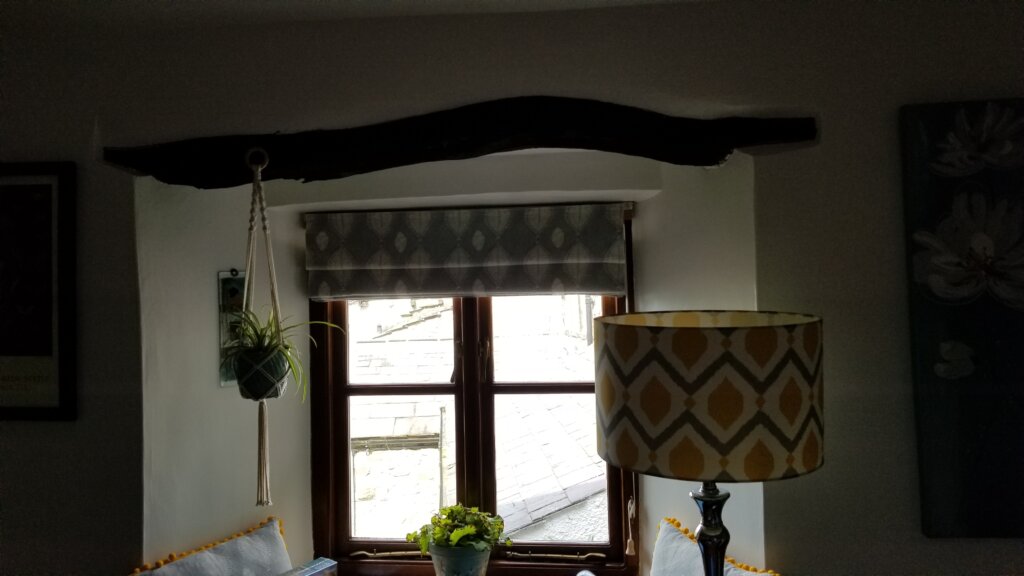
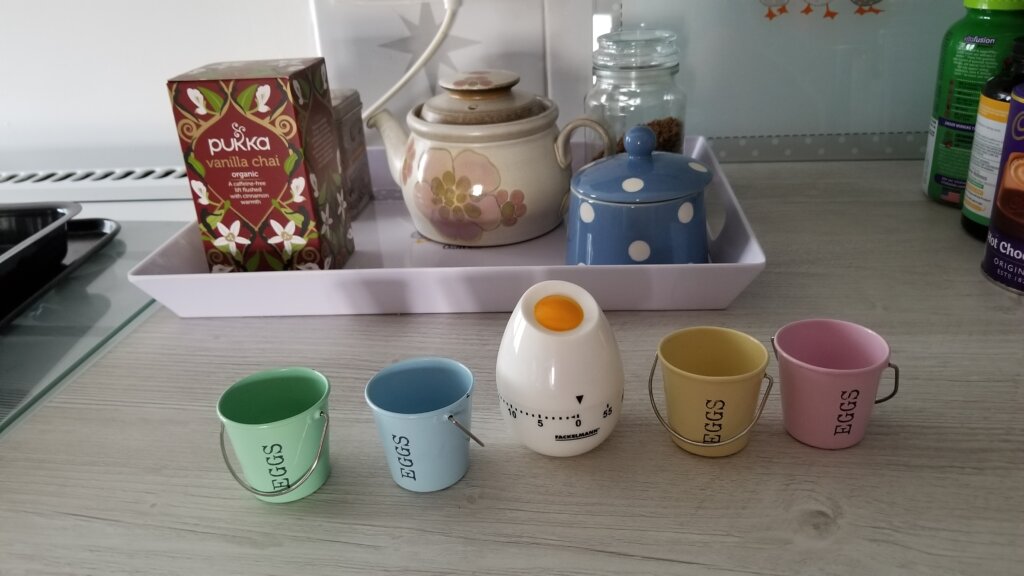
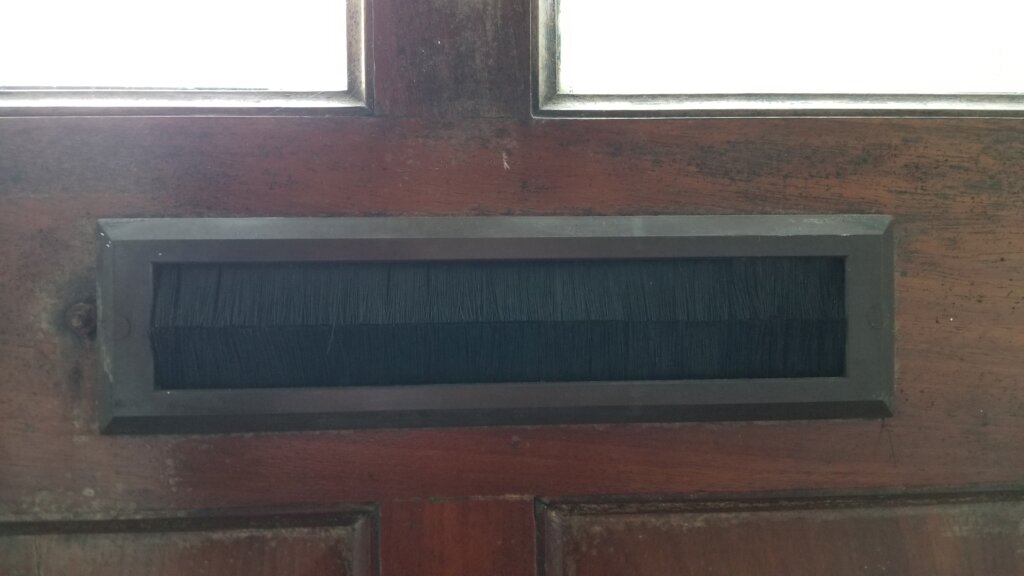
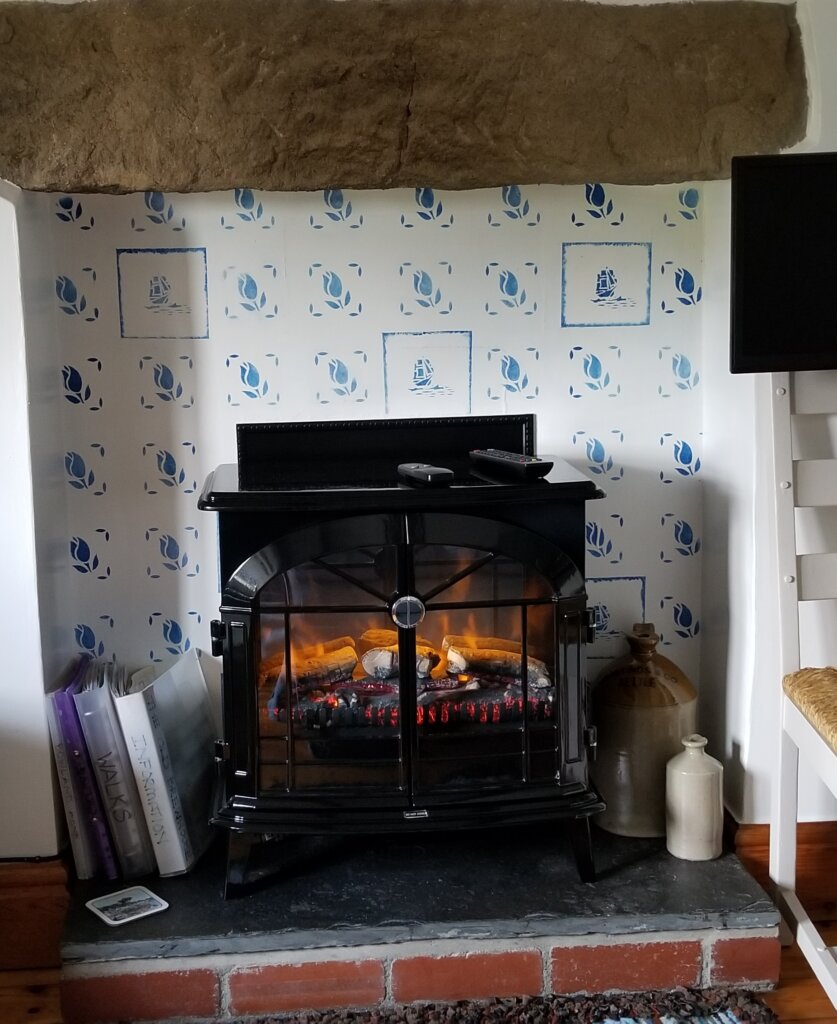
Today, I’m going to show you the little “British touches” in my cottage that I love and will miss back in Texas: the architecture (crooked beams above the windows and slabs of stone above the fireplace and door), the skeleton key lock and letter box (the “plop” of the village magazine landing on the mat always takes me by surprise), the little egg cups and egg timer, my teapot and breadbox, my fireplace, and British commercials! It’s the little things that I love the most.
 

Day 5, May 13, England

OLYMPUS DIGITAL CAMERA

I walked to the train station this afternoon. It was 65 and sunny, and I never saw so many people walking around with ice cream cones.

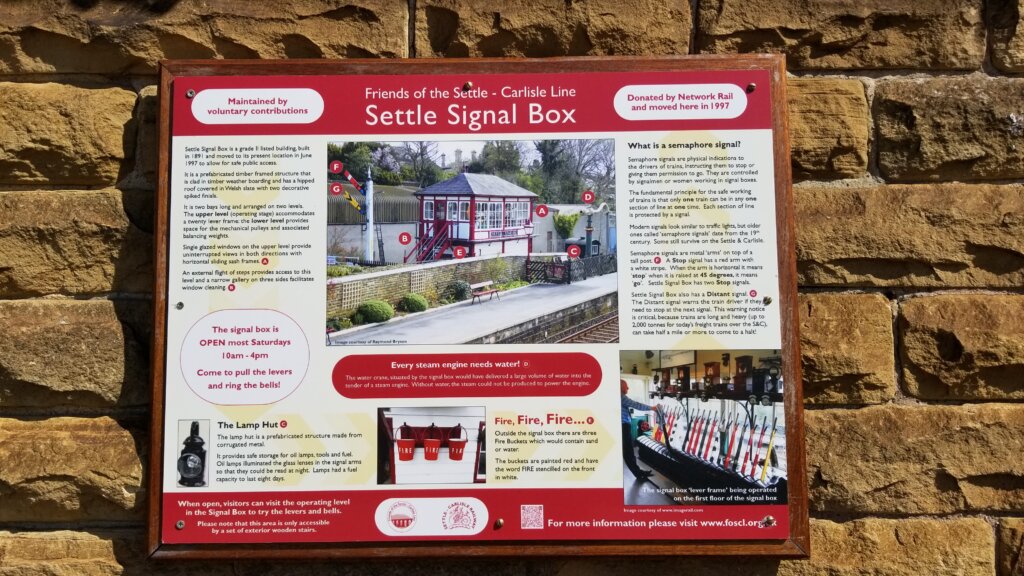
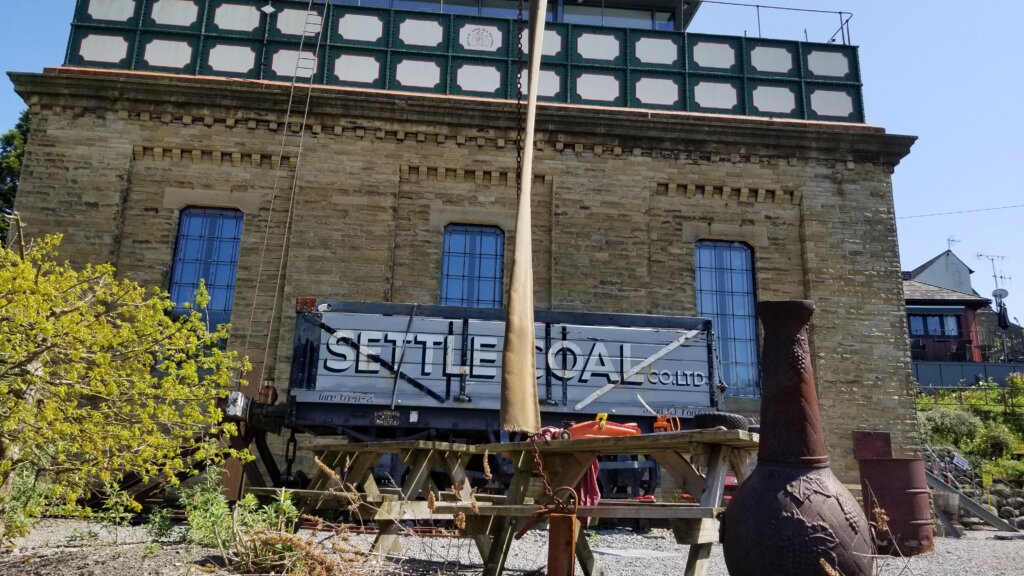
A steam train was scheduled to pass through (but not stop) about 4:00.  Here are the train station, the stationmaster’s house, the old water tower and coal house (for use back when steam engines were prevalent), and the Settle signal box, which is now a fascinating museum. Enjoy!


Day 4, England, May 12

Despite no rain in the forecast for two days, it feels like time to settle in today and do some solid writing. (But yes, I’ll take “walk breaks” today.)
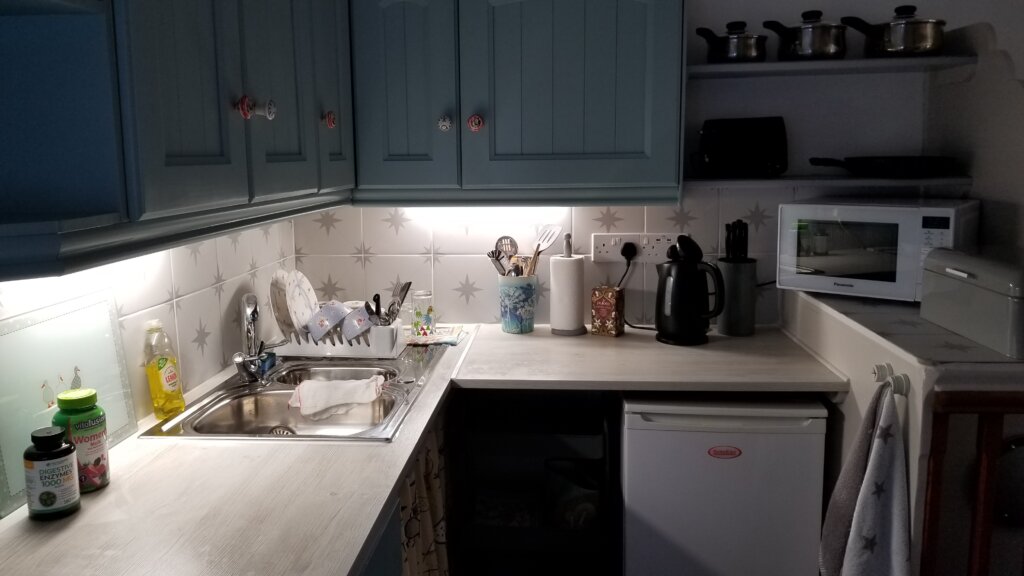
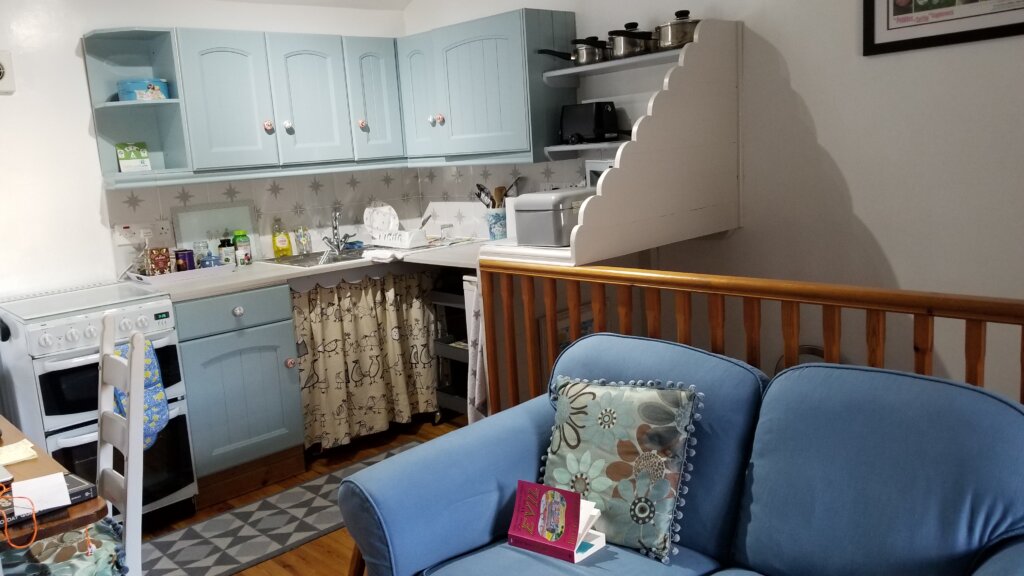
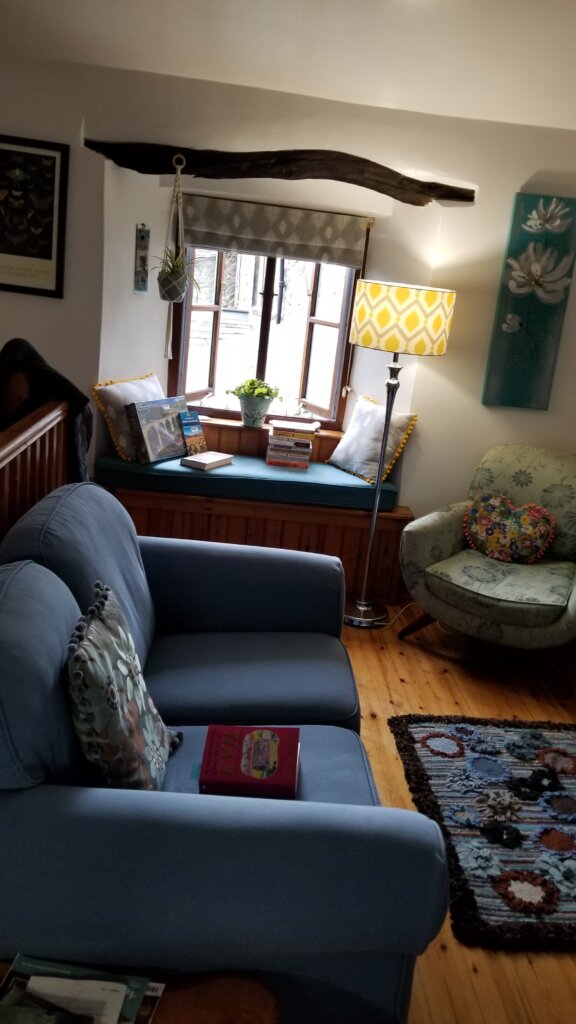
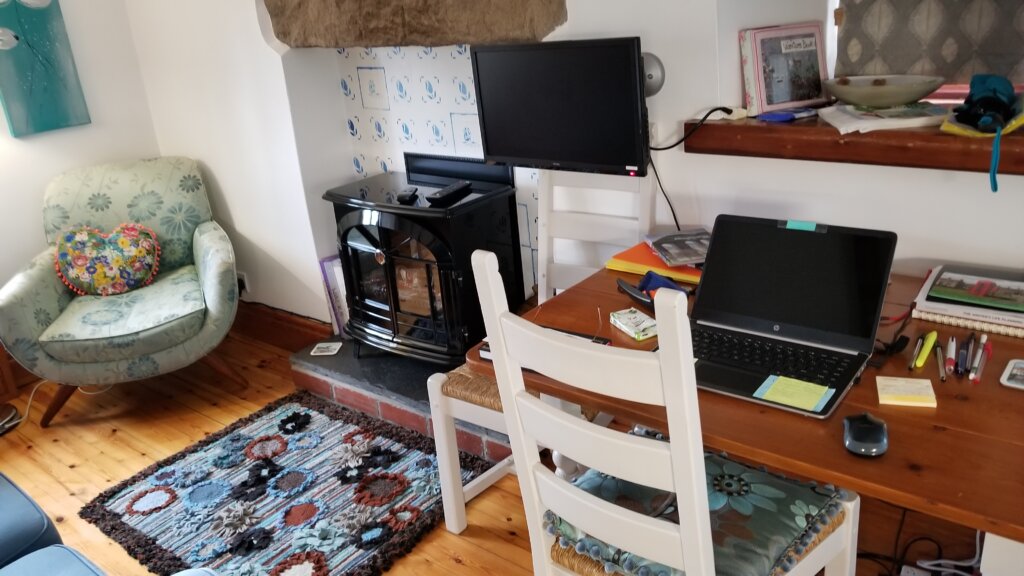
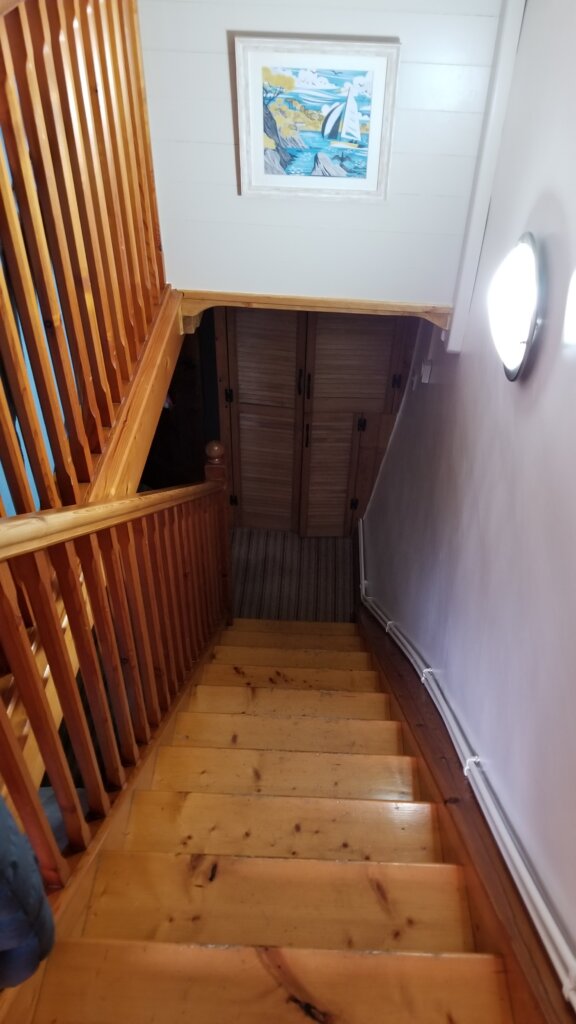
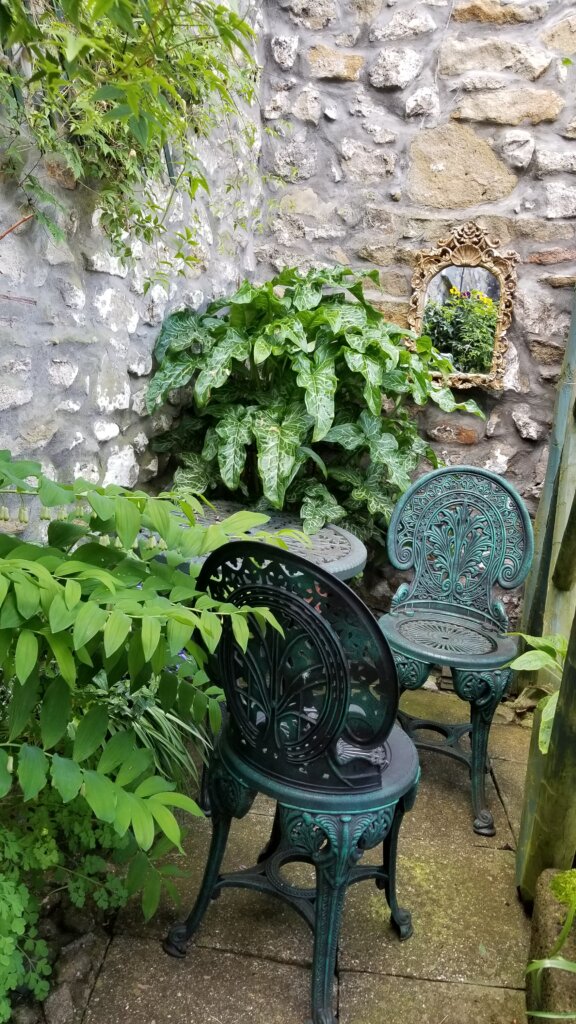
I’ve received a few questions about the cottage I’m staying in for three weeks. This is my third time here, and it feels like home. Here’s a tiny guided tour through The Old Brewhouse on Constitution Hill!

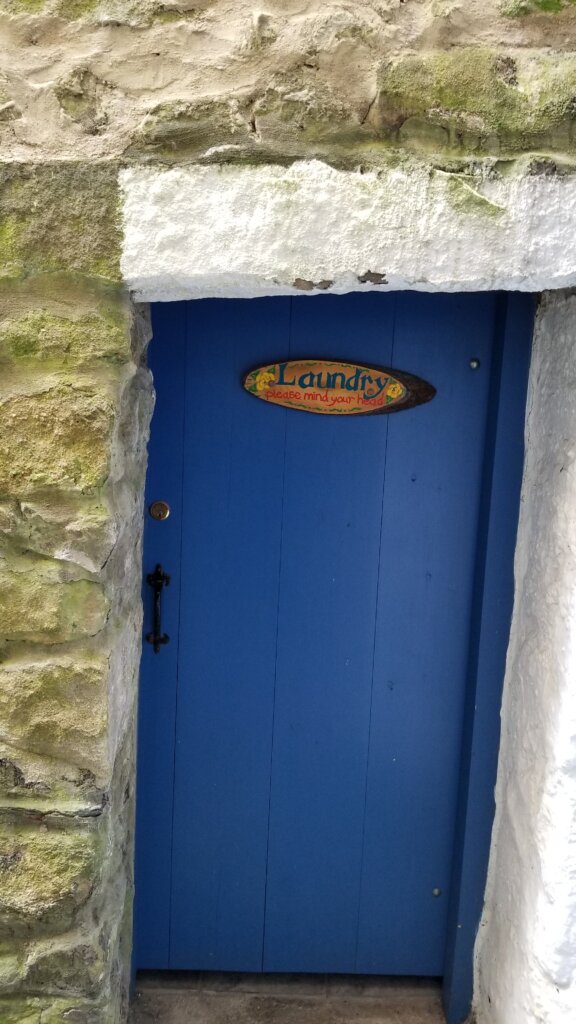
The kitchen, dining area (which is my writing spot), and the living room are on the ground floor. Downstairs is the bedroom and bath and a door out to the private garden and laundry room (watch your head!) Pretend you’re opening the front door and walking in…

Day 3, May 11, England

Day 3: my walk with Julia…
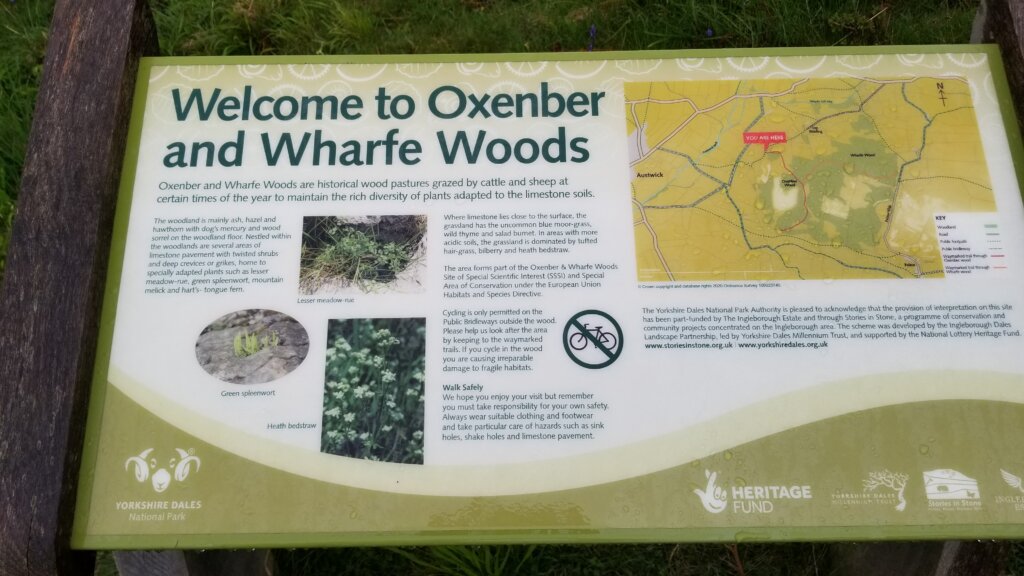
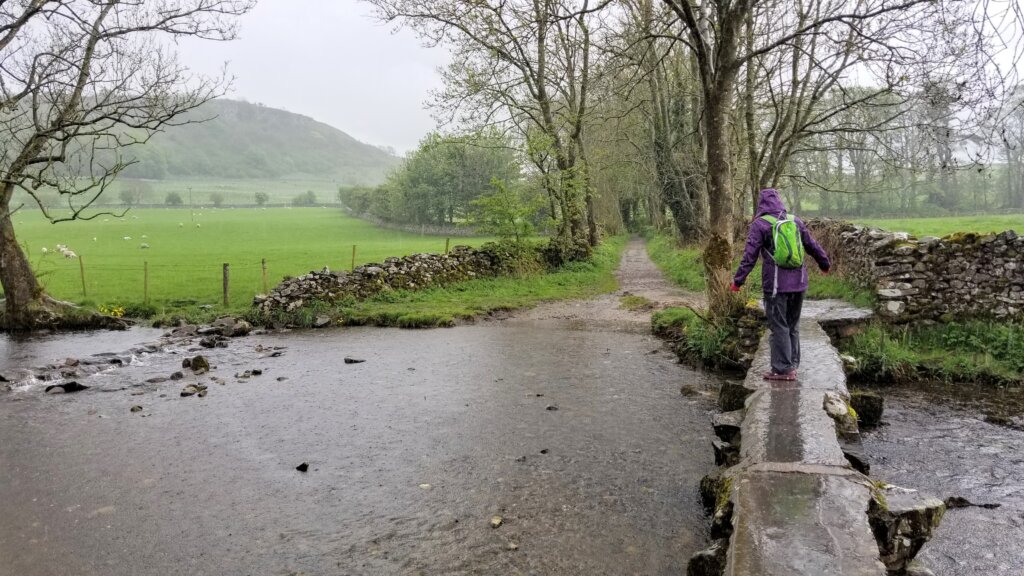
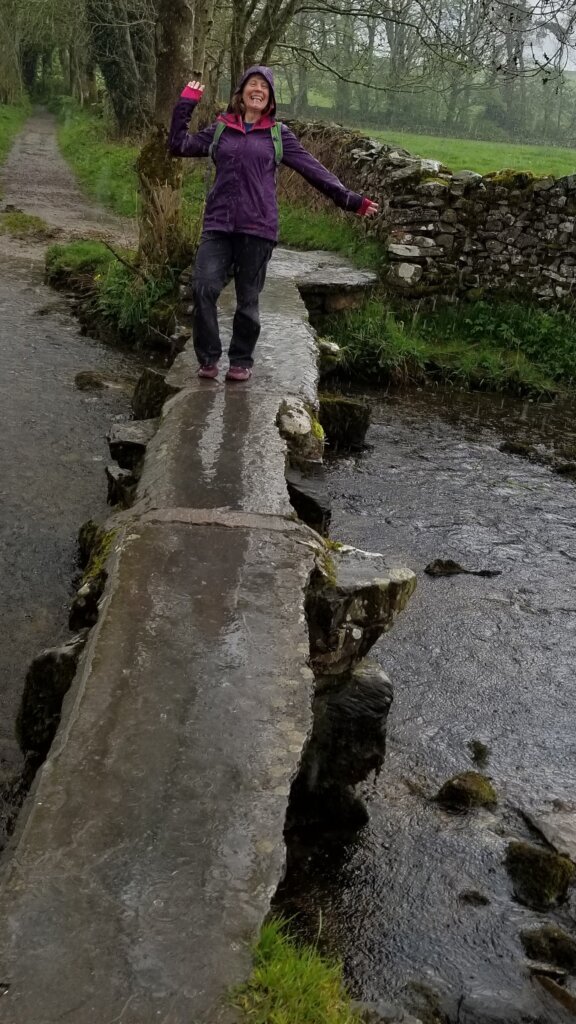
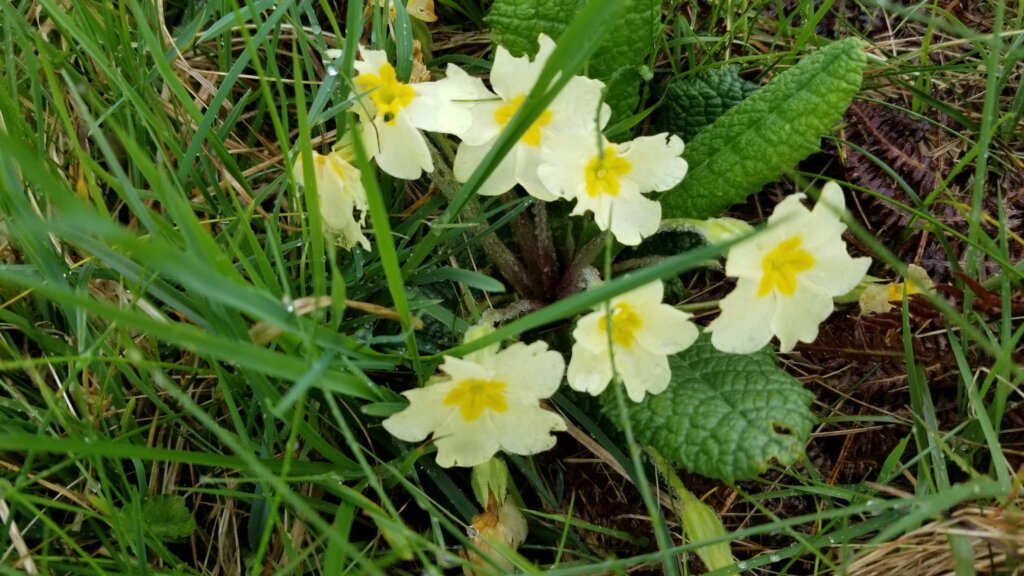
I met Julia Chapman five years ago, and she’s become a dear writing friend. This morning she took me up into the “bluebell woods” (Wharfe Woods) near the village of Austwick, where she lives.  https://www.yorkshiredales.org.uk/be-inspired/what-to-do/the-yorkshire-dales-in-spring/ We saw dozens of lambs, bluebells, wild lavender orchids, yellow cowslips, ivory primroses, wild garlic, and other wildflowers. (It’s absolutely stunning what a well-watered countryside can produce—no offense to Texas.)

From the bluebell woods:

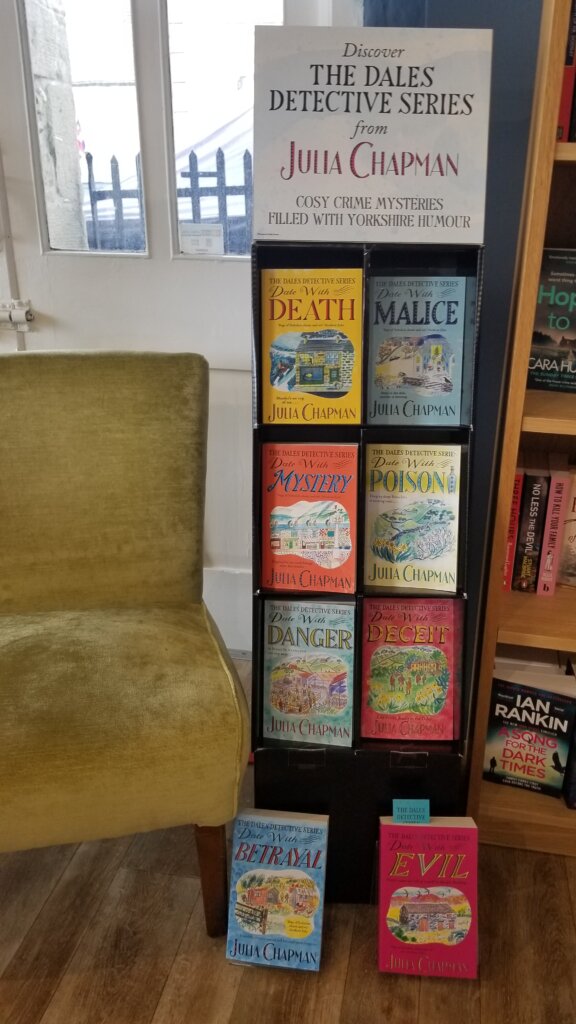
Writers are the same on both sides of the pond, and we talked nonstop all things publishing. It was such a joy to see Julia again. Her books are for sale everywhere, including the beautiful local Limestone Books bookstore.

Stone bridge several hundred years old…

Wild lavender orchid

Primroses

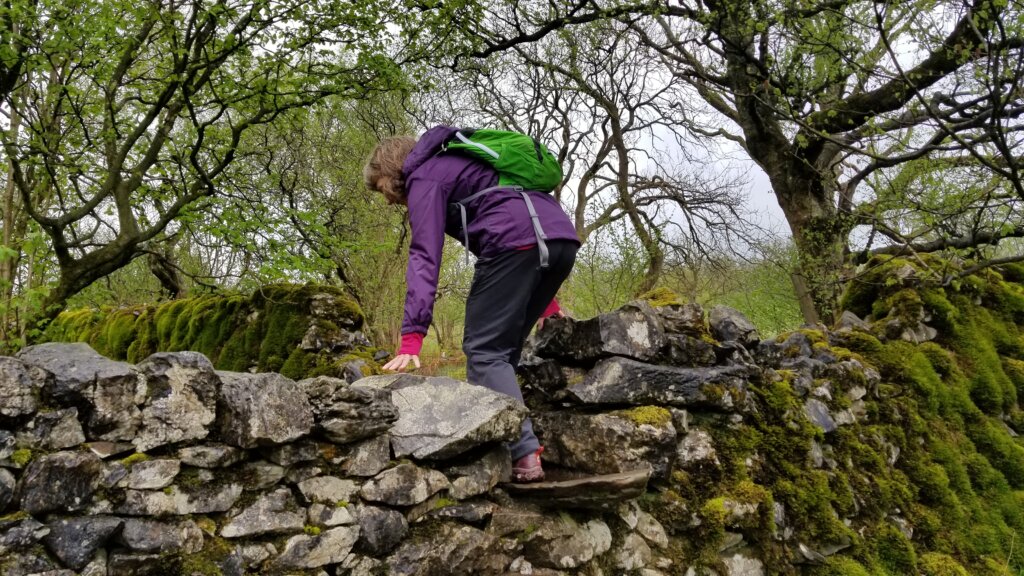
A stile built of stones projecting from the drystone wall

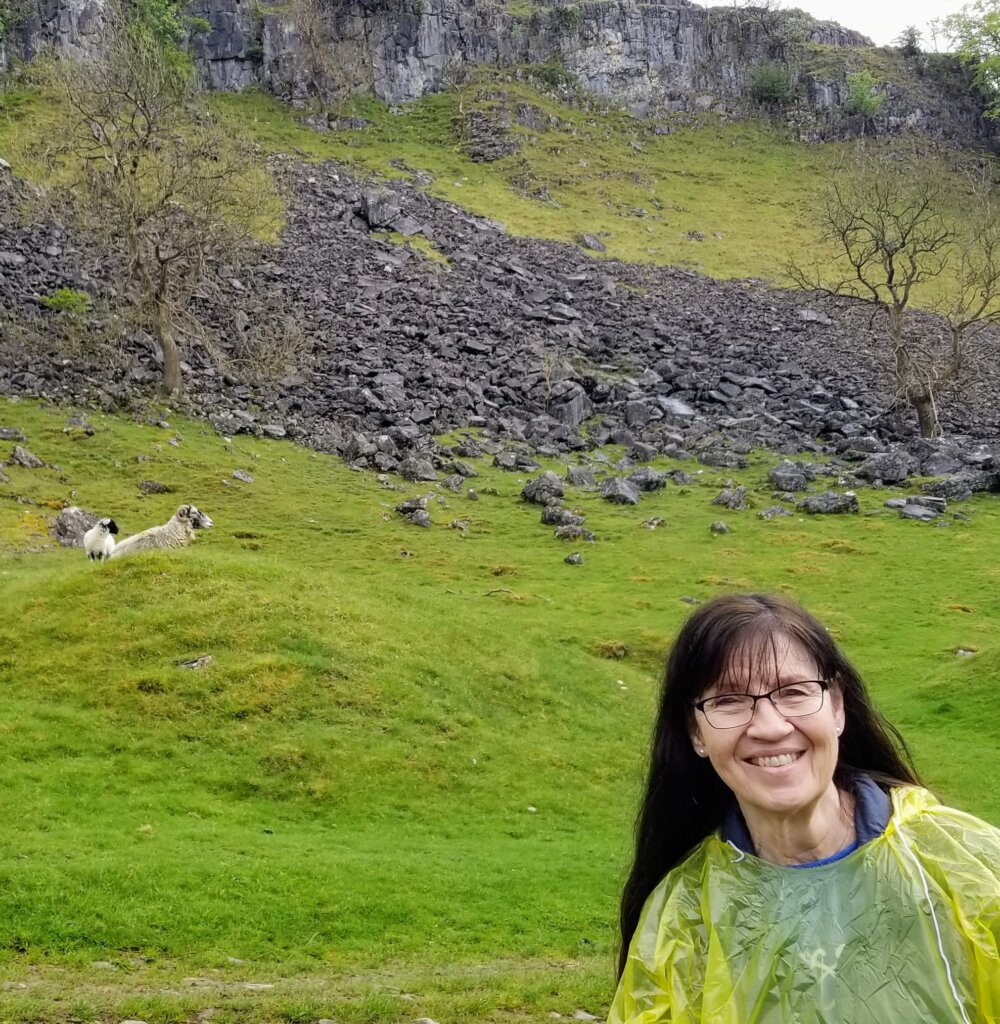
See the little lamb behind me with its mama!

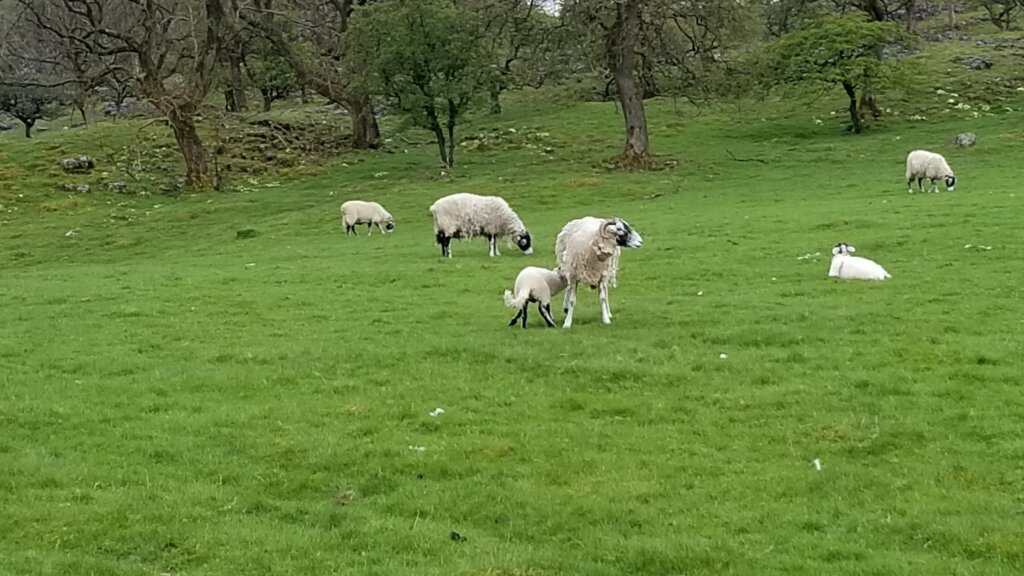
Lots and lots of little bleating lambs…my favorite thing!

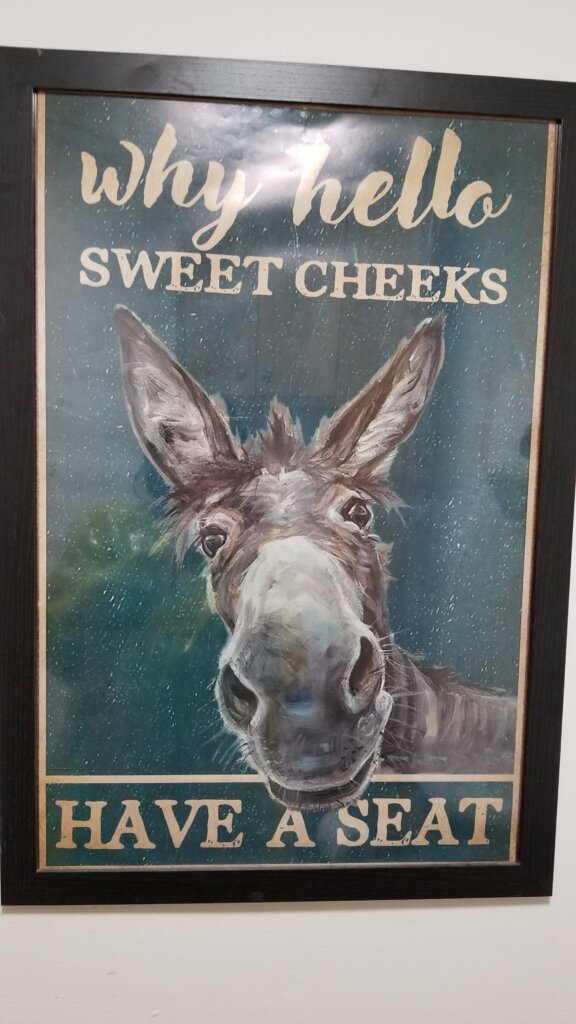
Stopped in a pub/café on the way home and found this in the “loo”!

Living the 5-Minute Life

I’m too old, I’m too tired, I can’t write for hours anymore… But something won’t let me quit writing! Is there a solution?

Through a lot of trial and error, I found the solution for me: the 5-Minute Life. It didn’t just revolutionize my writing. You can also break a bad habit, or start a good habit, or rest when you’re weary—all in 5-Minute slices of your day.

Solving Problems, 5 Minutes at a Time 

Want to break a habit of overeating at a meal and not stopping when you’ve had enough? After your meal, set your kitchen timer for 5 minutes and do something else. Maybe you’ll still eat more when the timer dings, but many times you won’t. The craving actually disappears in about 90 seconds, according to “habit experts.”

Want to start a new habit? Maybe lift weights, floss your teeth, write on your work-in-progress daily? Set your kitchen timer for 5 minutes, and when it dings, you can quit! Or, if you feel like going longer, you can and often will. (Getting started is usually more than half the battle, and you conquered that. Staying in motion is immeasurably easier.)

What about weariness or those pesky aches and pains? When you realize that your body is protesting, stop and set your timer for 5 minutes. Close your eyes and do deep breathing. Listen to uplifting music, something that soothes your soul. Wander around your back yard and see what’s blooming. You’ll be amazed how much 5 minutes can refresh you. (Just don’t waste it on your phone, email or social media. You’ll feel worse instead.)

“It doesn’t make sense to continue wanting something if you’re not willing to do what it takes to get it. If you don’t want to live the lifestyle, then release yourself from the desire. To crave the result but not the process, is to guarantee disappointment.” ~~James Clear, author of Atomic Habits

WELL, YES . . . AND NO.

Live the 5-Minute Life? How?

“To crave the result [the finished manuscript] but not the process [your writing habits, or eating habits, or sleeping habits, etc.] is to guarantee disappointment.”

I had a suspicion that something was wrong with my process. After floundering, I would have wonderful energetic re-starts, but the older I got, the amount of time I could stick to my writing schedule grew smaller. No matter how you take care of your health, age happens (if you’re lucky) and energy declines a bit each year.

I was sick and tired of giving up, getting depressed over NOT writing, then reading motivational books, praying hard, making check charts for the closet door to keep track of my work hours…and after a week or so, quitting again.

When younger, I could keep a rigorous writing schedule while teaching and raising kids, but not now at 71. I wanted to live the process and love it, but I found myself no longer able. [And it still bugs me to admit this.] Did that mean I had to quit writing books? It was beginning to seem so. 

But, but, but…

What if I could invent a writing process that I COULD fall in love with all over again? When I started writing and publishing in 1983, I had to work my writing around a newborn, a toddler, and a newly adopted boy from Korea who spoke no English. But I found a writing process (writing in bits and pieces) that worked for me then, so I launched my career (while we added yet another baby.) Many of those experiences became my two writing books, Writer’s First Aid and More Writer’s First Aid.

The More Things Change…

. . . the more they stay the same.

I’m no longer scrambling for bits of time in the same way. But getting started writing when not feeling well or when busy with volunteer and grandchildren activities still takes some grit. However, writing or marketing for five minutes is doable for anyone.

Yes, more than half the time, my 5-minute chunks of writing or marketing stretched into 30-45 minutes. Even when it didn’t, though, I was astounded by how much I could do in 5 minutes–just like I had trained myself to do during the baby years. I started giving myself high fives for every bit I wrote. Silly maybe, but it worked!

Where There’s a Will

I stop for different reasons now, of course. It’s not because a toddler fell and cut her lip or a baby needs changing. It is more often the aches in my wrists [shattered left wrist in 2017 and broken right hand in 2019] that crawl up my arms. But while stopping is different, starting is remarkably similar.

Give it a shot and see! Live the 5-Minute Writing Life!

Getting Unstuck after 2020

After losing two family members in the pandemic, I had a month-long severe reaction this spring to my second Covid shot. When I resurfaced, feeling practically comatose, I was behind on one Christmas mystery book deadline and a novel (set in 1850s England.) None of my decades-old “get started” techniques worked, which induced a near panic.

But one day I heard a podcast. (Details are included at the end.) Did you know that we have 60,000-70,000 thoughts per day? Roughly 95% of the thoughts are repetitive and unconscious. Only 5% of our daily thoughts are conscious and new. The negative ones, both conscious and unconscious, keep us stuck.

“Be transformed by the renewal of your mind,” the Bible urges. To do that, we need to first notice the conscious negative thoughts that keep us stuck. (Mine included “I’m too old for this.” “There’s not enough time.” “I’m too tired to even start.”) Then you grab a pencil and paper and ask yourself the following questions.

Unstuck with Five Magical Questions

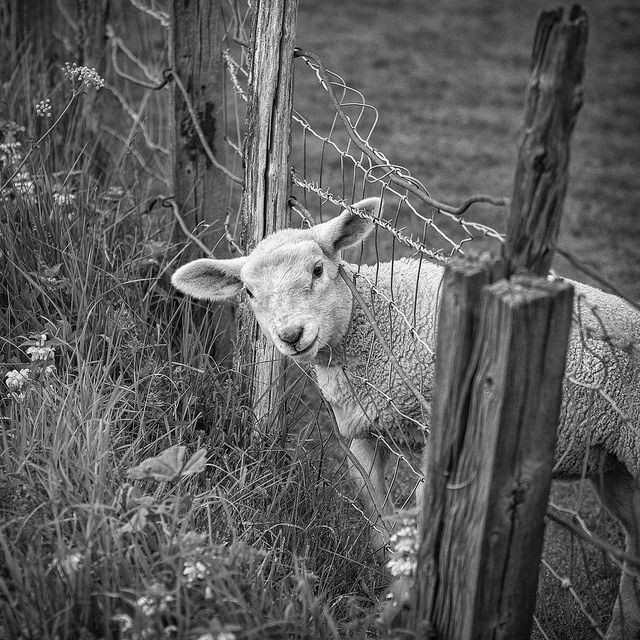
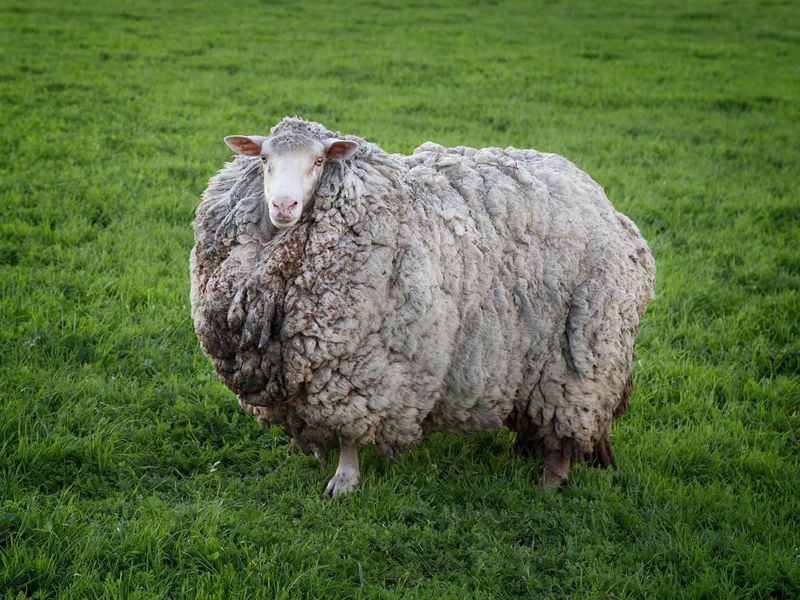
  1. If I feel overloaded, what would it take for this task to be easy? What would have to change for this situation to be simplified? I asked this when I felt overwhelmed, whether I needed to outline my cozy mystery or put away Christmas decorations. Sometimes the answer was to cut the goal into tiny pieces to make it easy. Or I deleted the task, or delegated it, or postponed it because it wasn’t critical. Sometimes I  rearranged my schedule to eliminate overload. (I felt every bit as overloaded as this sheep!)
  2. What is an improvement I’m willing to make? The smaller, the better, if you want to get moving quickly. Maybe I can’t write for an hour, but I’m willing to write ten minutes. I can’t walk three miles today, but I’m willing to walk around the block. I don’t want to stick to my diet today, but I’m willing to cut this candy bar in half. Small steps lead to larger ones.
  3. What perspective would I need in order to feel different? I use this question when I want to change my fearful, doubtful, or pessimistic mood. My change in perspective often includes a particular Bible verse that speaks to my need. Then I can look at my situation from a better point of view instead of my own limited one.
  4. In this particular situation, where do I need to be a little more patient, and where do I need to push a little harder? I ask the question, sit quietly, and listen. You’ll know if you need to rest more and be patient with healing, or if you actually are loafing and need to push yourself a bit.
  5. What is the difference between a true solution and a distraction? When I’m tired or discouraged, what actually renews my energy, a nap or a pint of ice cream? When I’m behind on a deadline and fighting panic, is watching a British movie a solution, or is it a distraction? The real self-care task isn’t always the most appealing choice. But it will be a true solution.

Questions for Every Season of Your Life

These powerful questions turned out to be so helpful that I taped the list in several places: beside my computer, in my daily planner, and in my prayer journal. They help me every day—not just in my writing, but in my food choices, exercise, home care, and when my grandkids are here.

Questions are a great way to use the 5% of our thoughts we have control over! Bring God into the process. Then the answers you receive will fit your personality, goals, and season in life.

More Help to Get Unstuck

(Taken in part from “Ten Questions that Change Everything” by Primal Potential podcaster, Elizabeth Benton; my post was first published on the National ACFW blog.)

Writing in the Yoke: Become an Easy Writer

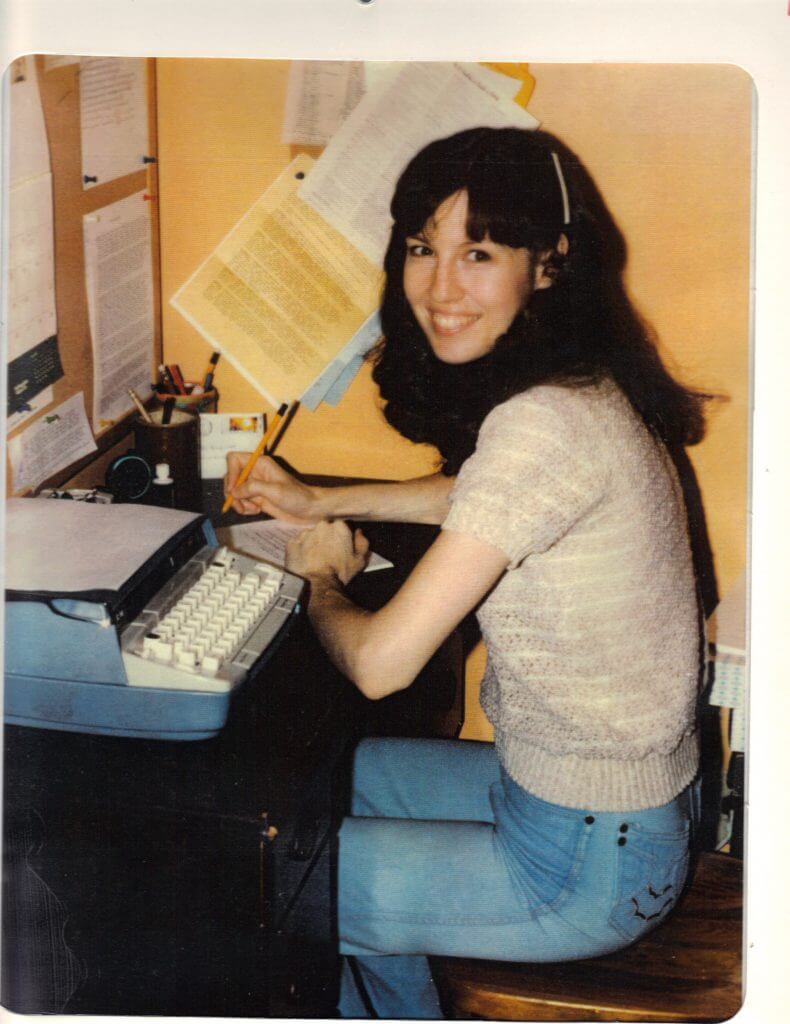
We are invited to get into the yoke with Jesus to do the writing God has called us to do. (Matthew 11:28-30) This way of working promises ease and rest for our souls. However, writing with ease and a light burden was not my writing experience for 35 years (not since writing changed from hobby-writing in a closet painted orange to a means of keeping a roof over our heads). 

I had my time-tested, never-fail method to meet deadlines (claim Bible verses about strength, grit teeth, white knuckle it and “just do it!” ) However, almost a year ago, my method stopped working. There were many factors. Even before dealing with Covid, life had become one thing piled on top of another to the point that, unless I discovered a much easier writing method, I would need to quit. Retire. Pack it in.

I couldn’t stand the idea. I loved the project I was working on, but something would have to change. One morning I was reading some familiar verses when they suddenly took on new meaning.  

Writing Made Easy

yoke“Come to Me, all who are weary and heavily laden, and I will give you rest. Take My yoke upon you and learn from Me, for I am gentle and humble in heart, and you will find rest for your souls. For MY yoke is easy to bear, and My burden is light.” (Matthew 11:28-30)

If His yoke was easy to carry, then whose heavy yoke was I in? I needed a new working style. Could I manage to switch yokes? I needed to learn more about yokes.

Equally or Unequally Yoked?

equal yoke

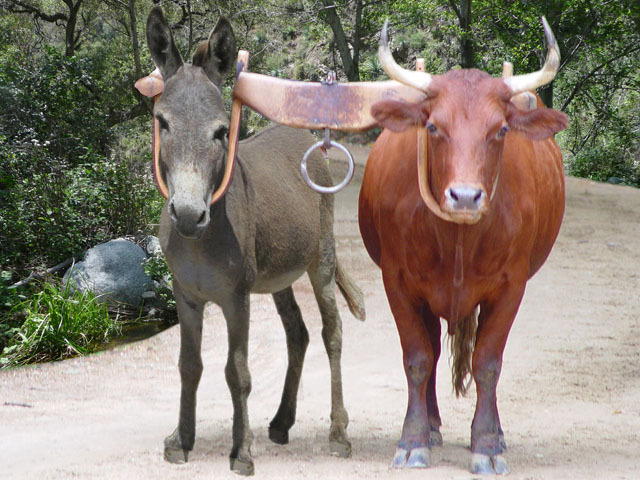
Farmers know that two animals yoked together must be suited to work in tandem.  If one is big and stronger than the other, injury or failure is certain. Deuteronomy 22:10 says, “Thou shalt not plow with an ox and an ass together.” They are different both in strength and temperament.

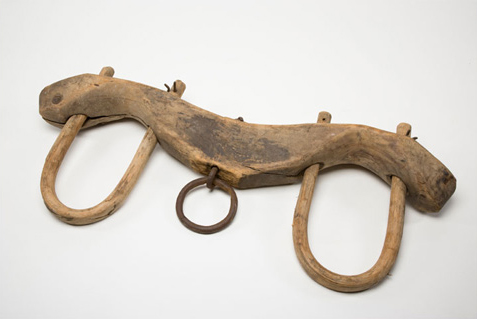
So, at first glance, the invitation to get into the yoke with Jesus seems unworkable. None of us imagines that we are equally powerful! Actually, Jesus had in mind a different kind of yoke. They were hand-carved to fit the animals perfectly so the yoke didn’t rub and cause irritation, no matter how different the animals were in size or strength.

unequal yokeSo, in Jerusalem at the time Jesus was speaking, a yoke often did join two unequal animals for a specific purpose; one was older or stronger or wiser, and the other was young and inexperienced. The animals were yoked together so that the more experienced animal could teach the younger, weaker animal how to do the work without strain, injury and being burdened down. (A perfect description of Matt. 11:28-30.)

So how would that work for my writing? Could I learn to “write in the yoke” for the rest of my career? These promises gave me hope: “I will give you restyou will find rest for your soulsmy yoke is easy, and my burden is light.

So, I have been experimenting with a writing method based on those verses. Could I write without stress and pressure and drama, but still have a peaceful rested soul?Happily, I am learning that the answer can be yes.

Types of Days in the Yoke

For me, writing in the yoke means responding to the Lord’s gentle tug or slight inner pressure to get moving—or to stop. This means writing at the Lord’s pace, because He knows what schedule works best for my health and writing.

There is a learning curve to this. I have three distinct types of “days in the yoke.” Some days my “stubborn donkey” wants to procrastinate, ignoring the tug to get writing. Resisting the gentle pull, I sometimes dig my feet in with determination. I write either with reluctance or downright resistance.

Other days my donkey over-reacts in the opposite direction. I am behind schedule, so letting the bigger animal set the pace feels too risky. I worry that the gentle steady pace can’t possibly produce the words on time! So I try to hurry Him along, push and strain, and check my watch and word count continuously.

Glorious Writing in the Yoke

Thankfully, there is a third type of day, which happens more frequently the longer you practice. These I call the Glorious Writing Days, when I get in the yoke early in the day, stay in it, and start and stop when I feel the gentle tugs and nudges. I don’t clock watch, and I don’t count words till the end of the day. Amazingly, I produce more writing (often lots of it!) but with no ill effects of physical pain or emotional exhaustion. I even quit by 5:00, something I hadn’t done in years! It produces a satisfying, contented tired feeling from being productive without hurting myself.

My experiment with “writing in the yoke” seems to be working. Slowly but surely, I am transforming from a hard-working, burned-out writer to a productive writer who can work with ease. I had prayed for years about improving my health and stamina so I would never have to retire simply because I couldn’t physically do the job anymore. Becoming an “easy writer” appears to be a very big piece of that answer.

[First published August 23, 2020 on the ACFW National website]