Writer Diagnosis: Failure to Thrive

“Psychologists have begun to speak of what is perhaps the largest mental health problem in our day. It is not depression or anxiety, at least not at clinical levels. It is languishing—a failure to thrive.”

~~John Ortberg, The Me I Want to Be

We usually associate this languishing, or “failure to thrive,” with newborns. But we adults can languish too: in our health, our careers, our family relationships (or just about any endeavor). For today, I want you to look at the health of your writing life.

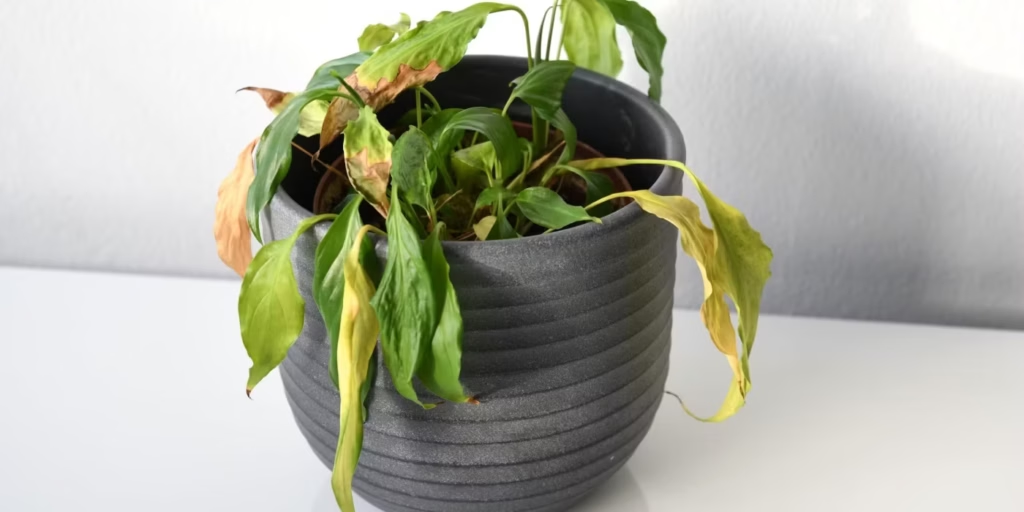
This is something I did throughout the month of January, 2026, with the help of a wonderful group called “Becoming Whole” run by Dr. Henry Cloud, one of my favorite authors/psychologists in the world. Why bother to do such a thorough analysis? Because (for serious  health reasons, plus grief cycles for several years), my writing life looked about as lifeless as the plant above.

Do a Check-Up

What is the health of your writing? Would your writing career be diagnosed as suffering from “failure to thrive”? Is it languishing when you long for it to be flourishing?

Some symptoms of a writer languishing might include:

  • A loss of hope and meaning in what you have to offer as a writer
  • Absence of mental and emotional vitality needed to start and write often
  • Weariness of soul…your mind, will, and emotions feel like “what’s the use?”
  • Inability to delight in your writing life and be excited to sit down at the keyboard
  • Feeling an inner deadness when you finally DO try to write

From Languishing to Flourishing

The opposite of those symptoms would include feeling hope, having mental and emotional vitality when you write, being energized by your writing, delighting in your writing life, and feeling “alive” when you are able to get in the flow!

That would define “flourishing.” [Note that I didn’t define flourishing by the number of daily words written, contracts signed, or the size of your royalty checks. Those things make individual writing days more fun, but they have little to do with overall flourishing as a writer.]

The Missing Ingredient

What if you are starting out 2026 as a weary, languishing writer? Is there anything you can do about it? How do you get from the “languishing” side of the equation over to the “flourishing” side?

You find it in the word “nourish.”

The equation goes like this: Languish + Nourish = Flourish

To be honest, if you are truly languishing in your writing life, it will take lots of nourishing of your writer’s soul to move into flourishing. [Plus, I will share next week the ONE thing I did that turned everything around, to the point that I have–as of today–written 46 days in a row!] But before we get to that, the nourishing itself is FUN! And once you are flourishing with hope and energy again, the nourishing falls more into the daily nurturing and maintenance of your writing life.

  • Some of you need physical nourishing: more sleep, better nutrition, some solitude
  • Some of you need mental nourishing: a good novel or movie, a trip to a museum
  • Some of you need spiritual nourishing: prayer, meditation, a walk in the woods
  • Some of you need emotional nourishing: hugs from kids, a phone call to a friend
  • Some of us could use nourishing in all four quadrants now and every day

Take Stock

Flourishing as a writer doesn’t just happen. Life happens instead. And it depletes your energy—all four kinds. We’re tough, and mostly we bounce back. We have occasional writer’s block, or during the years we have back-to-back contracts, we end up with writer’s burnout for a season. But languishing is a whole different thing. And nourishing is only the first step in coming back, but it’s a critical step.

Don’t settle for a languishing writing life in 2026. Make flourishing one of your end goals instead! Examine what areas of your life need nourishing, and make a plan to include it often. (Remember: nourishing is FUN! This is not a drudgery to-do list or a new restrictive diet.)

Time to Take Action

Where are you in your writing life on this continuum?

Languishing —> Nourishing  —> Flourishing!

Where would you like to be? Begin to make those changes today. Bit by tiny bit.

And please leave a comment! If you are flourishing now, tell us the nourishing things that got you to that point. If you’re languishing, do NOT settle for a diagnosis of “failure to thrive.” Choose to flourish instead. [And stay tuned. I have more to say on this subject…both about common advice that did NOT work for me, and one thing that worked mightily.]

Note: much of this article was taken from a post in 2014 after going through a crisis-filled year. I left the comments below from that year.
Be Like Abe: Don’t Walk Backward!

In elementary school, I admired Abraham Lincoln more than anyone I studied. I loved the drawing in my 35-cent paperback biography, showing young Abe lying flat on his stomach in front of the fireplace in his log cabin, reading a book.
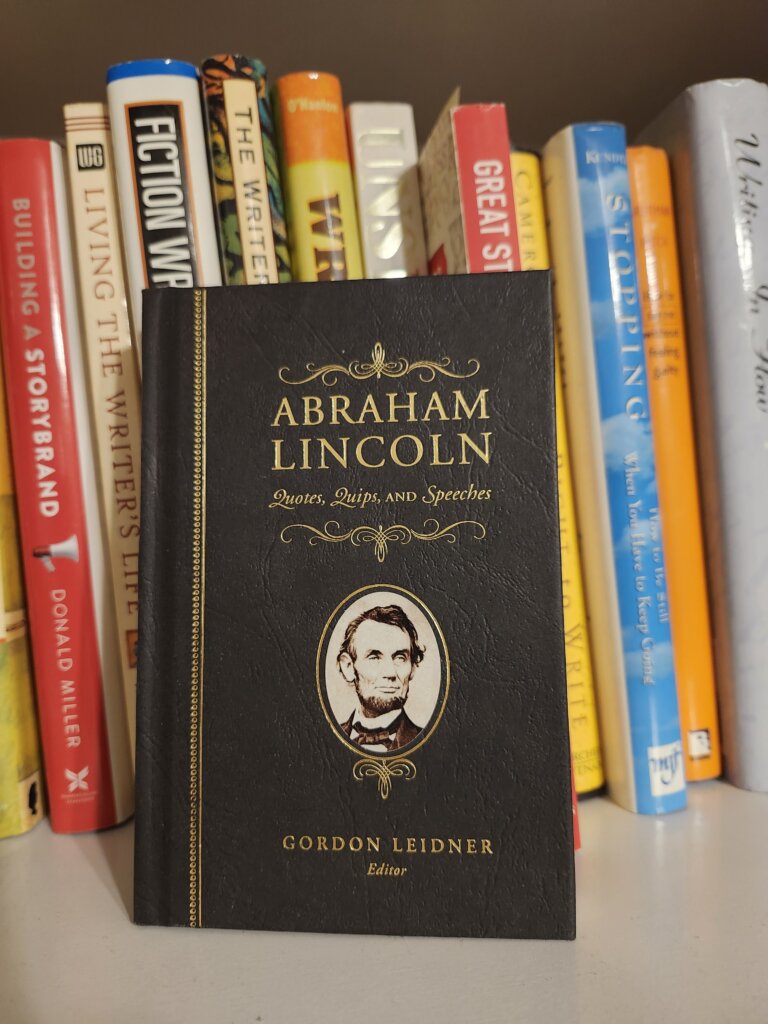
He didn’t have the advantages others had, but he had grit.

A Long-Time Hero

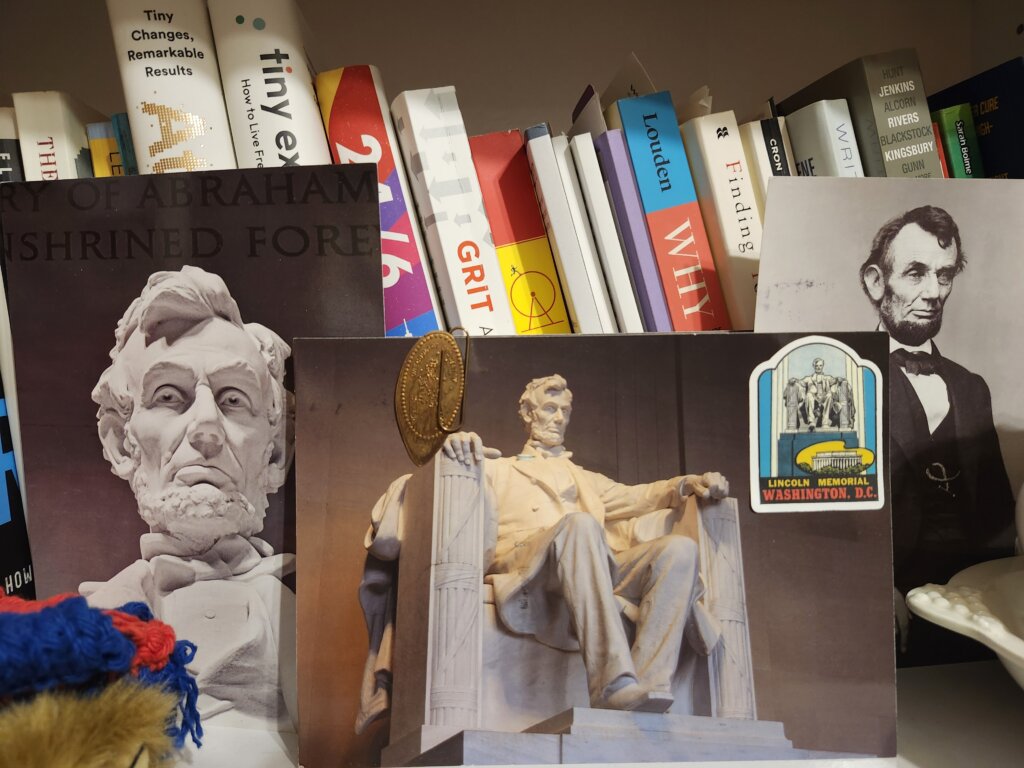
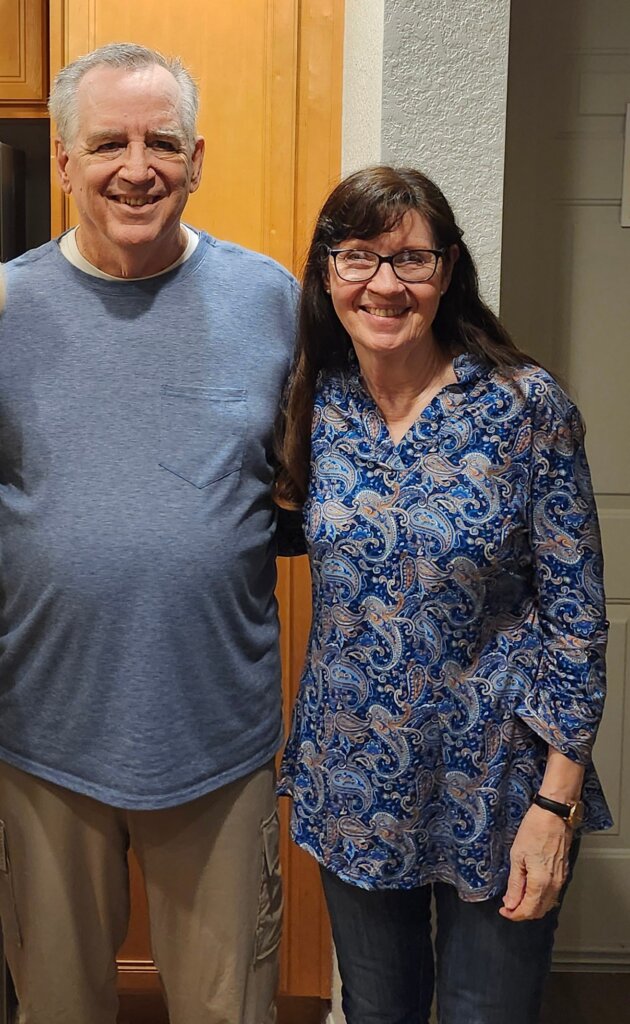
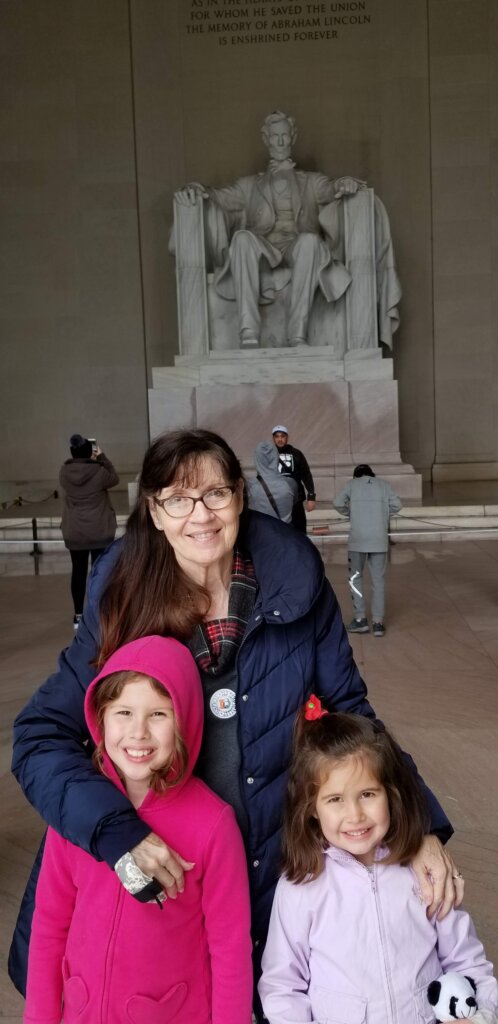
That girl in the 1950s dreamed of someday seeing the Lincoln Memorial in person. Finally, in 2017, I had my chance on a trip to DC with family. (Pictured are granddaughters Elayna and Sophie, 6 and 4, and I had a cast on my broken hand.) 

Visiting the Lincoln Memorial was a dream come true for me. So last week, when I twice ran across the same famous Lincoln quote, I took note.

Abraham Lincoln once said, I walk slowly, but I never walk backward.” Since I had had a couple of years of feeling like I had gone backward in some areas of my life, his quote caught my attention.

A Man with True Grit

I knew enough about Lincoln’s life to know he’d overcome many failures and setbacks, yet he still claimed that he never walked backward. Really? Look at the many times Lincoln failed along the way to becoming our 16th President of the United States.

  • 1831: lost his job
  • 1832: defeated in run for legislature
  • 1833: failed in business
  • 1835: sweetheart died 
  • 1836: had nervous breakdown
  • 1838: defeated in run for House Speaker
  • 1843: defeated in run for congressional nomination
  • 1848: lost a re-nomination
  • 1849: rejected for land officer position
  • 1854: defeated in run for U.S. Senate 
  • 1856 defeated in run for nomination for U.S. vice president 
  • 1858: defeated again in run for U.S. Senate 
  • 1860: elected 16th U.S. President

How could Lincoln claim he never “walked backward”? Obviously, he did NOT mean that he never experienced setbacks. With every failure, he fell back and regrouped, studied the situation, and relentlessly moved forward again.

I’ve lived long enough to have experienced many setbacks of my own: in my health, in my writing career, in key relationships. But my many “Honest Abe” momentoes in my office remind me that it doesn’t matter how slow progress is at times. It’s only important that you and I (like Abe) refuse to walk backwards.

Books as Therapy

Today was quite a day, and every time I turned around, something else was winding me up. I give up.

I finally did what I had not done in a very long time. I chucked my to-do list in the garbage, found an Anne Tyler book (nobody writes great characters quite like Anne Tyler), turned off my phone and computer, and read a solid hour.

I haven’t done that in ages.

I truly had forgotten what good therapy great fiction is.

Holiday Highs and Lows

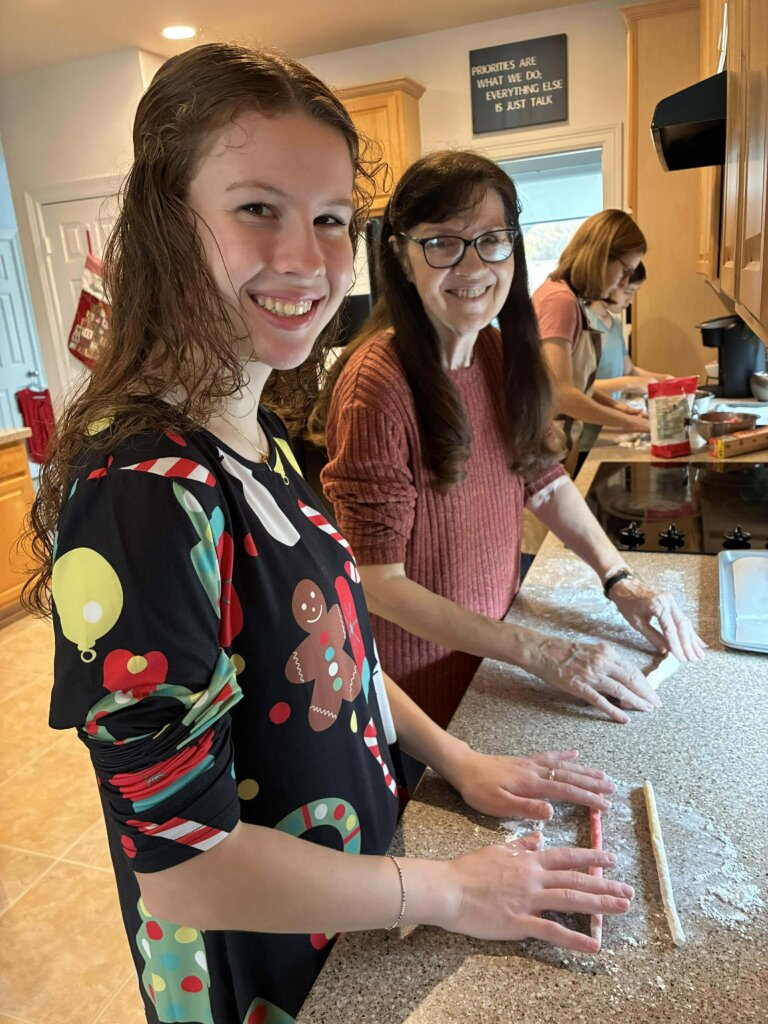
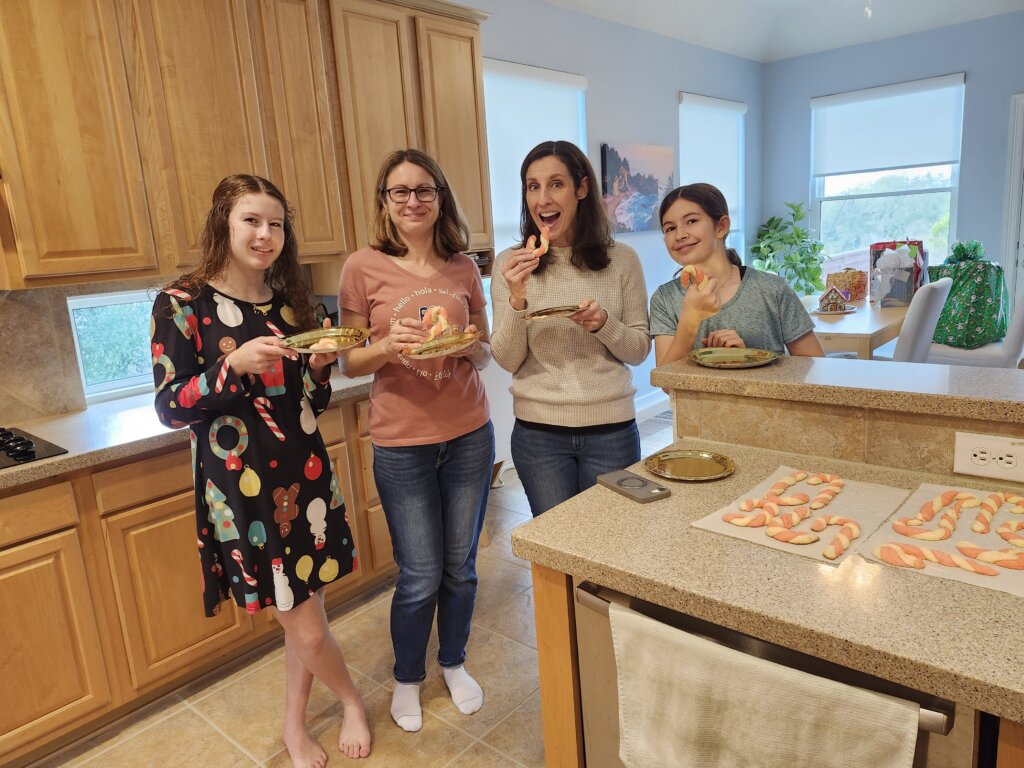
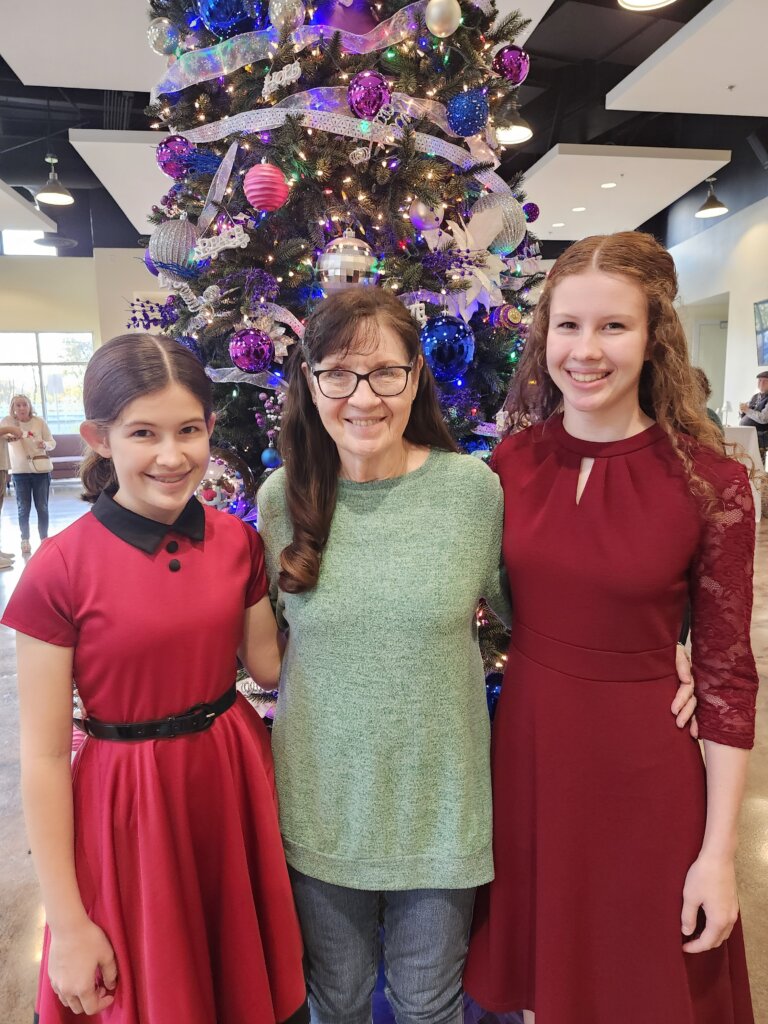
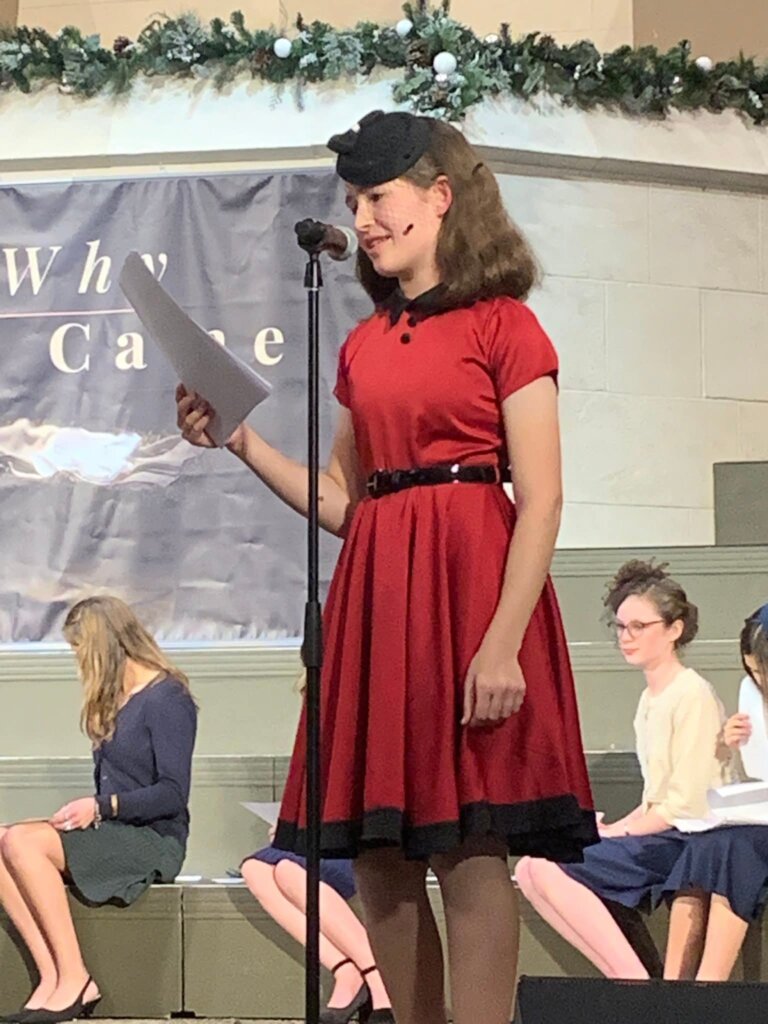
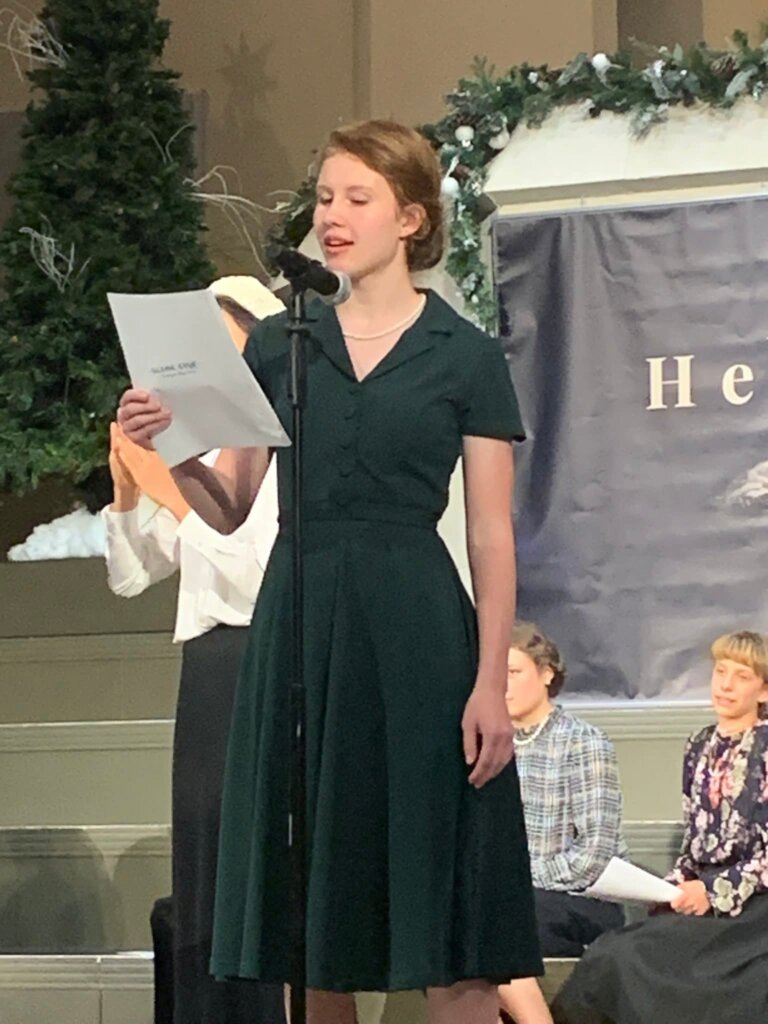
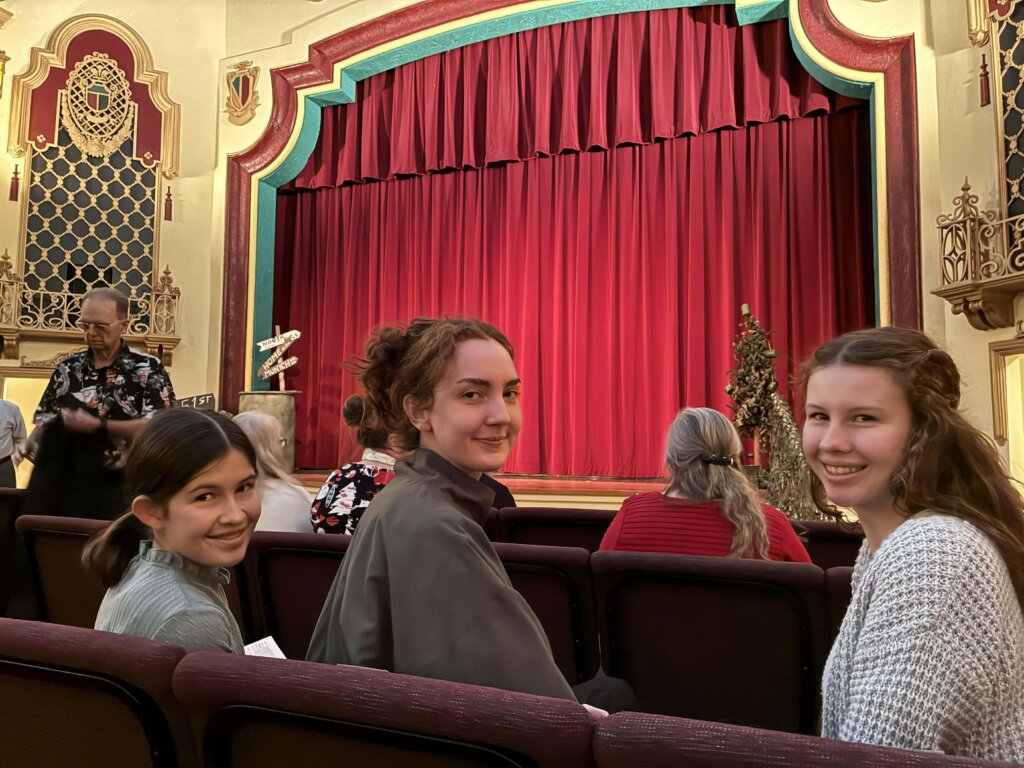
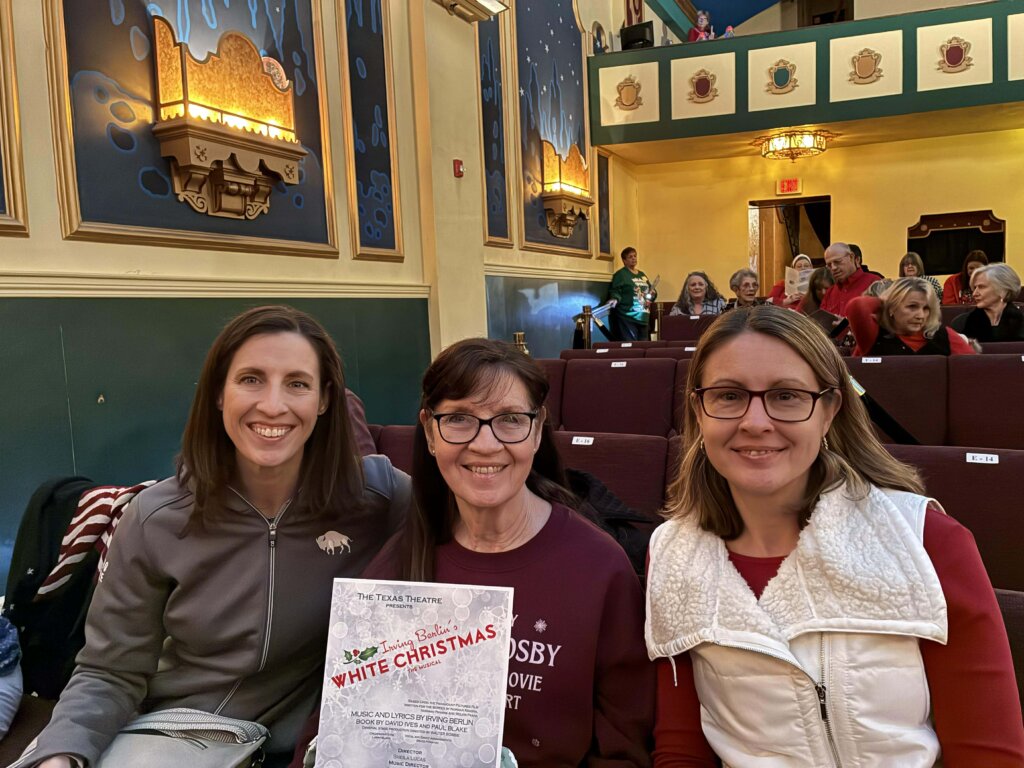
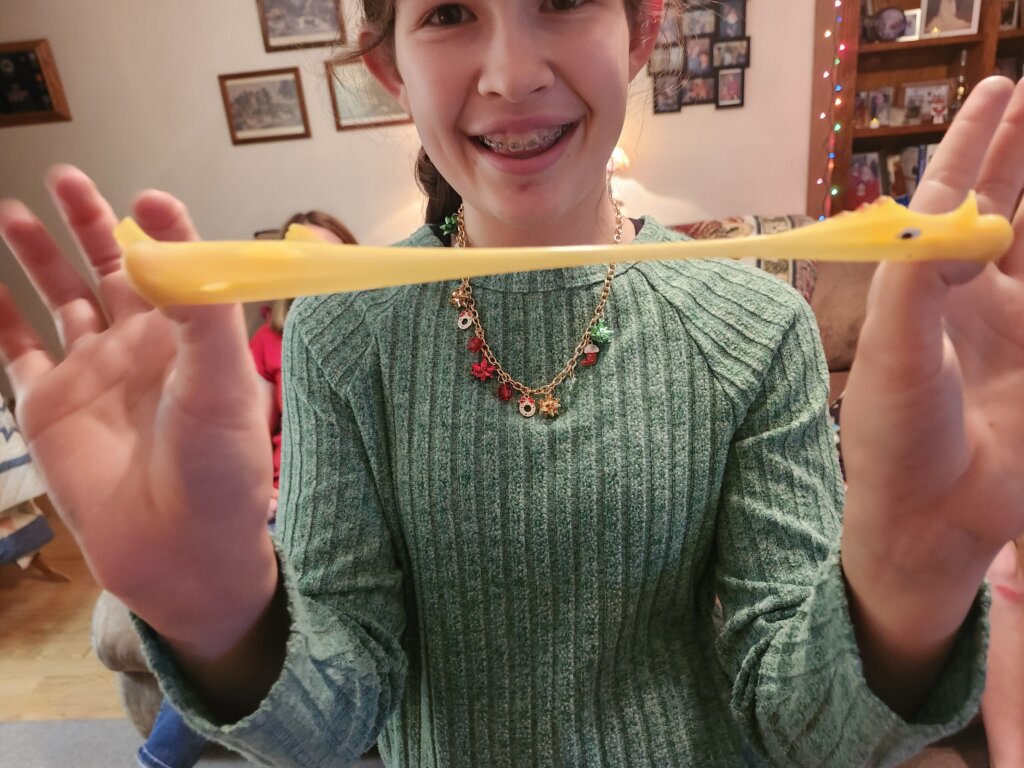
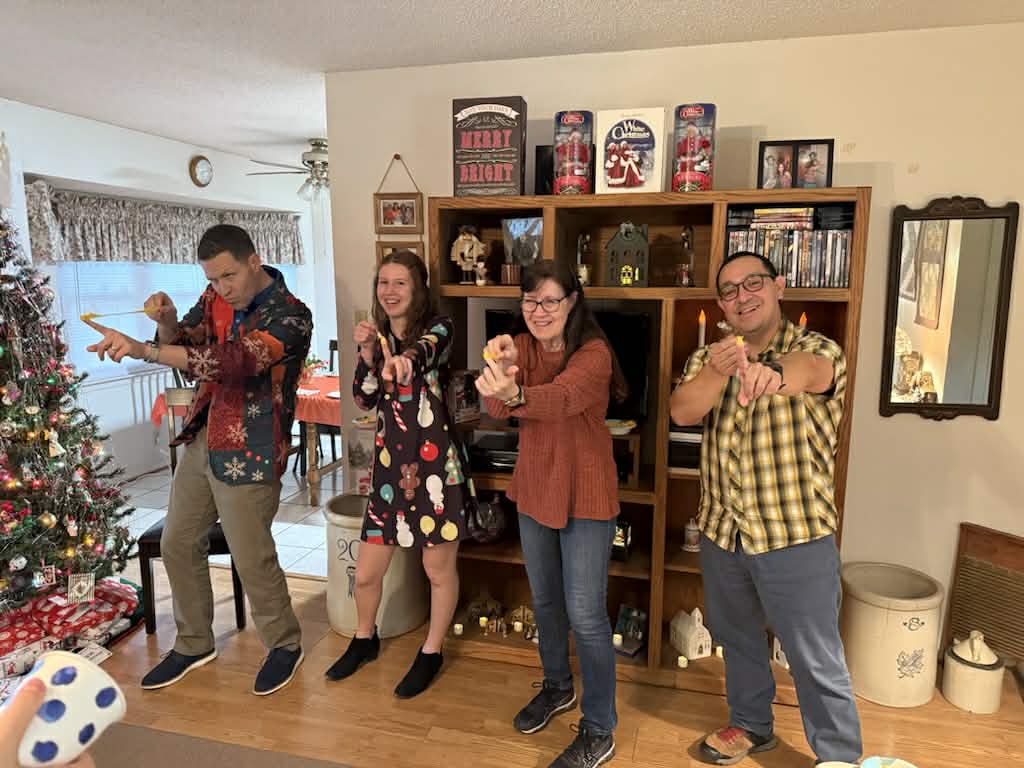
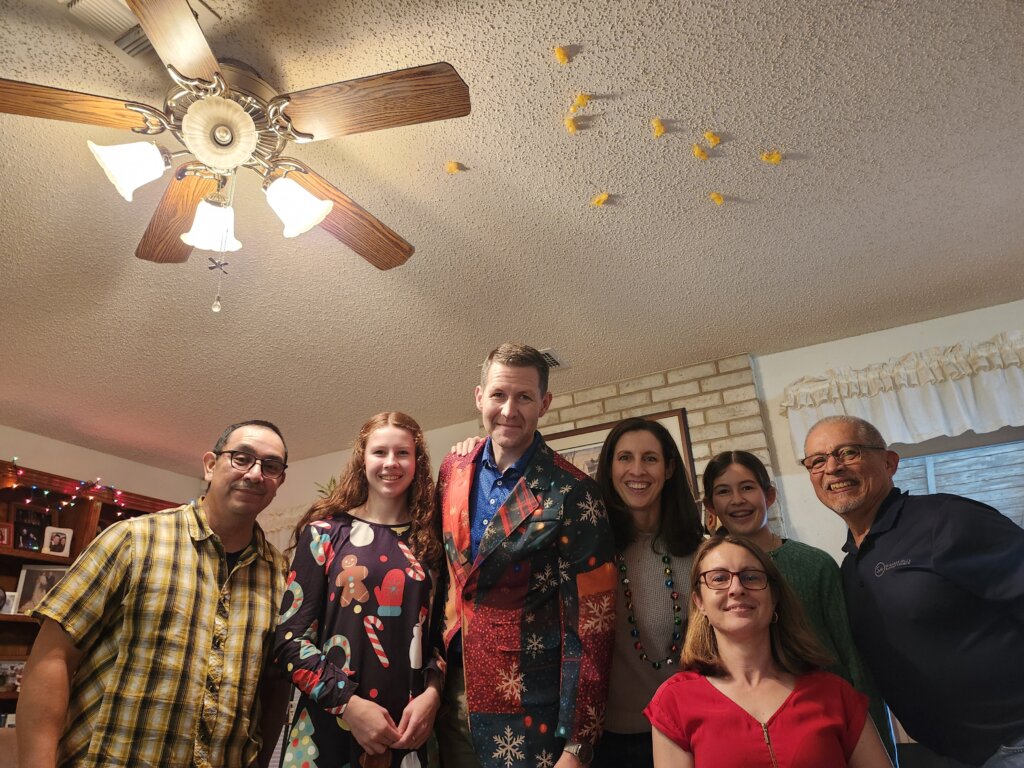
This holiday season has been full of the highest highs and the lowest lows. Photos below are of (1) the hardest event by far, my little brother, Dick, who passed away the week of Thanksgiving from leukemia, (2) my little Honda Fit that I totaled the week before Christmas by hitting a tree head-on, (3) candy cane cookie making with my daughters and granddaughters, (4) my granddaughters’ (ages 12 and 15) piano recital and (5) school Christmas play, (6) seeing the play of “White Christmas” in the Seguin historical theater with my girls and their daughters, (7) riding the Christmas train at the Train Museum—a yearly event, ( 8 ) and the gift exchange at our house that got a bit rowdy. (Tiny rubber chickens ended up stuck to the ceiling! Pictures at the end.)
Happy New Year to you all!

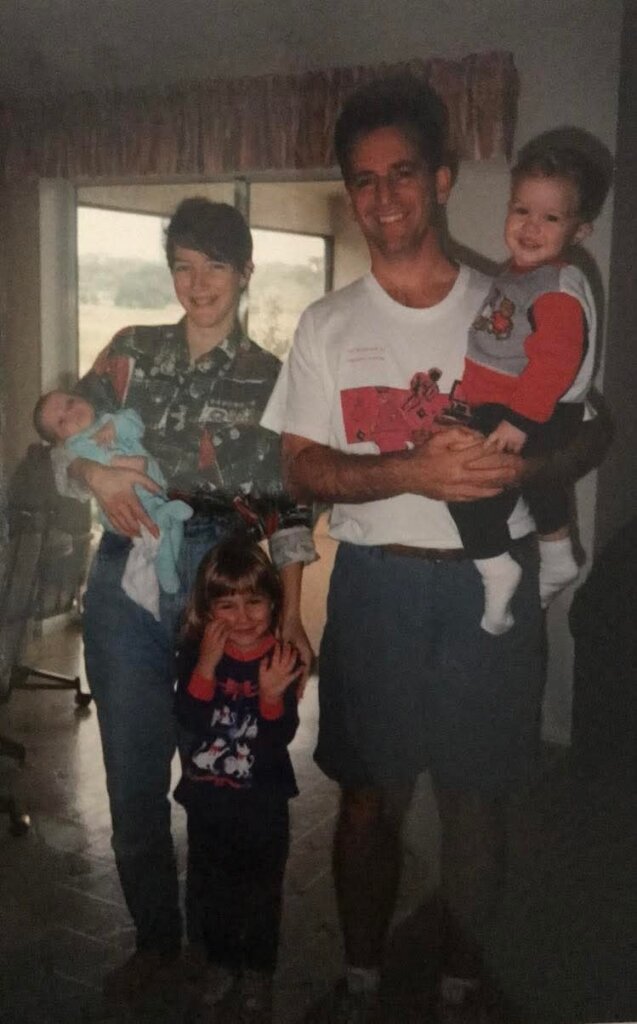
My brother, Dick, as a young dad…with wife, Gail, and kids Monica, Alex, and Maddie.

Dick before he was diagnosed with leukemia. He was one of the kindest people I knew.

My last visit with him about three weeks before he passed away.
A freak one-car accident connected me with the steering wheel first, and then when I hit the tree, the air bag deployed. It is truly a miracle from God that I walked away with no broken bones.
Ten wonderful people stopped to help me, and three strangers stayed with me throughout. My oldest granddaughter, Abby–whom I was supposed to pick up for lunch–came to get me and took me to the ER. Several EKGs and chest X-rays later, we still went for lunch! (Painkillers are wonderful! I saved most of them for the following Christmas events.)
My own little girls always loved making candy cane cookies, and now my granddaughters do.
A success! Left to right: Elayna (15), Jenny (my oldest), Jacqui (my youngest), and Sophie (12).
Getting ready for their Christmas recital!
Elayna (playing a beautiful arrangement of “O, Holy Night.”)
Sophie, playing a rousing rendition of “Joy to the World.”
Sophie in their school play–they did a 1940s-style radio entertainment–complete with sound effects, of several Christmas movie clips.
Elayna had multiple speaking parts and sound effects. This was such a fun play!
Ready for the stage performance of “White Christmas” at the Stephen & Mary Birch Texas Theatre in Seguin. Granddaughters are Sophie (12), Abby (23), and Elayna (15).
The theater was beautiful inside! (My daughters, Jacqui and Jenny.) By the way, my middle daughter, Laurel Holl, lives in Tucson, or she would be here too. We are all great “White Christmas” fans.
We’ve gone to the Texas Transportation Museum every year since the girls were babies. The lights are magical, and the Christmas train ride is so fun! Lots of music (bag pipers), tons of lights, outdoor miniature villages….
…getting our picture taken with Santa…
..indoor trains…(this is just one of MANY)
… passenger trains decked out with Christmas trees, holiday food and decor, sleeper rooms, and dining rooms.
We play lots of games before we unwrap gifts, and this year I included a game with some mini rubber chickens…
…which we used in a game with competitive teams…
…and by accident, one of the wayward chickens hit the ceiling…and stuck! With hysterical laughing and screeching, about thirty rubber chickens ended up on the ceiling…where they clung tightly!

When Your Writer’s Personality is Rejected

The post below about a writer’s personality ran six years ago, and something happened this past week that reminded me of how much we need other writers. I am blessed to have two such people as close friends: one who is my age and in relatively the same stage in life, and one who is 15 years older, who has weathered tougher times than I have and still kept her marvelous sense of humor. I hope to be like her someday. However, the first 2/3 of my writing life wasn’t like that, and I felt truly alone in this venture. If that sounds like you, read on (including the comments which I saved.) When I say that “we’re all in this together,” I mean it.

*******

If you’ve studied personality types, you may have noticed how many writers have a good dose of the Melancholy Temperament.

Some of the signs:

  • You’re sensitive to your own feelings plus the vibes given off by others.
  • You notice things that go over the heads of others.
  • You love solitude—and need it to feel sane and calm.
  • You like to think, and think deeply.
  • You may be more of an observer at parties, avoiding the limelight if possible.

All those traits help your writing immensely. Other writers will love those traits in you.

Unwelcome Personality

Be warned, however. Many people in your life won’t like some of your creative personality. When that happens, it will feel like another form of rejection.

I was reminded of this when re-reading a terrific book called The Soul Tells a Story by Vinita Hampton Wright. Here’s what  the author has to say about this:

“My gifts were always welcomed and encouraged in my family, church, and school communities. What was not welcomed was the personality from which those gifts spring. I was moody, easily depressed and extremely introverted. I had no social skills, was too honest when I talked, and didn’t know anything about flirtation or other forms of politics.” She added that she had “an overriding sense that people didn’t accept me as I was. I would be told to stop having a long face, that I should smile more, that I should be more outgoing…that to be inward was to be self-centered.”

If you have some Melancholy Temperament, and you also grew up in a dysfunctional environment, your personality traits may be even more pronounced.

Finding a Kindred Personality

I could really identify with Ms. Wright’s words. All my life I’ve been told that I think too much. So my best friend (a non-writer) shocked me when we first met. She said, “I like that you read a lot and think deeply.” She does too—and we bonded for life! You need to have such kindred souls in your life–even one will do.

I’m not saying we never need to change. And I’m not suggesting that you announce to your family “I’m moody because I’m a writer, so get over it” or snarl “Go away and leave me ALONE because I’m an introvert” or tell people off because you are honest.

On the other hand, stop tying yourself into a pretzel to be what someone else thinks you should be.

Be Grateful for Your Writer’s Personality

I’ve spent a lot of my life trying to “undo” my writer’s personality, not realizing what it was (or that it was part of a gift). You may find that there are few people that you can be your unvarnished self with. (I am blessed with a best friend, a dear sister, and another writer who let me relax and say whatever is on my mind and never judge or reject me. If you have even ONE person in your life where you can do that, you are blessed.)

With everyone else, I tone down the tell-it-like-it-is honesty, and I smile whether I want to or not. I developed social tricks to get others to talk so I didn’t have to. I’ve dumped my “unacceptable” feelings into journals for nearly thirty years.

I might not be as brave as some of you. Or maybe I’m just old enough to be too tired to deal with people who don’t understand me and don’t want to try. It stirs up exhausting discussions that go nowhere. I’d rather save that energy for my writing.

Put Your Writer’s Personality to Good Use

Don’t get me wrong. I don’t stuff things till I implode. (I used to–bad for the blood pressure!) Instead, I pour those in-your-face honest feelings into my fiction and nonfiction. I let characters say things I don’t say anymore. I tend to create characters that feel like they’re out of the mainstream socially. And I love characters who are sensitive and probably think too much.

Ms. Wright says: “Creativity takes you places that are weird to others. Don’t be surprised when others reject you for being different, asking too many questions or expressing yourself in ways that are unfamiliar to them.”

You’re not alone if you get this type of reaction fairly often. Just be sure to hang out with people—like me—who will value your writer’s personality. They’re out there. Look for them, and don’t stop till you find one. I was in my late 30s before I found a truly kindred soul.

When you find someone who likes your writer’s personality, you may find out that they’re undercover writers as well. If so, you’re doubly blessed.

If you’ve ever felt this way, please leave a comment! You’re among friends here! [NOTE: I understand that a security issue has blocked comments. I have a “work order” into Sucuri to get it fixed, in case you try to post and can’t. Argh!]

Help in a Hurry for Writers

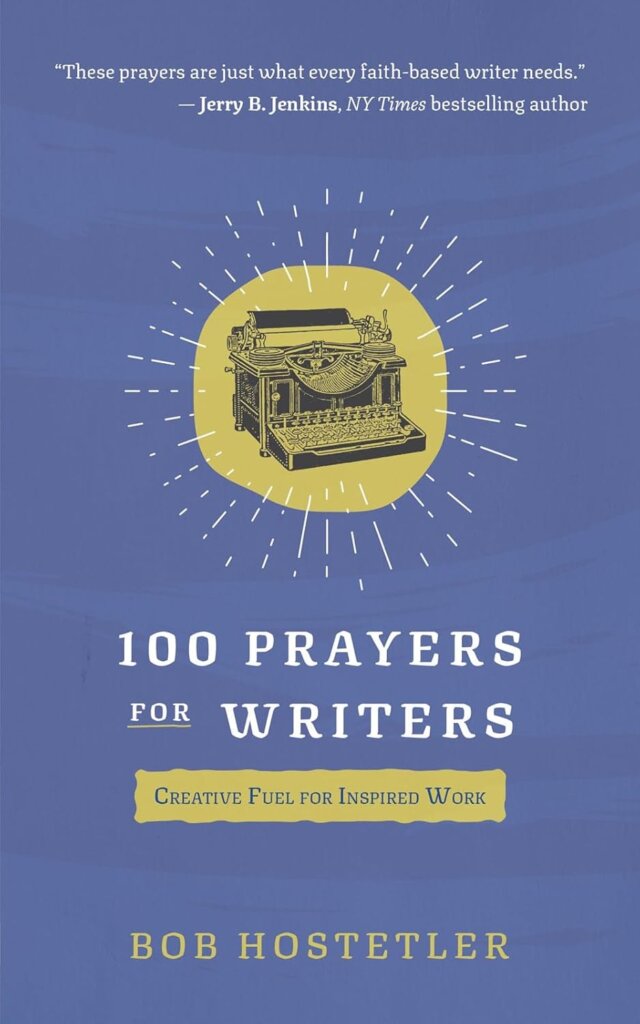
I bought a book the other day called 100 Prayers for Writers: Creative Fuel for Inspired Work by Bob Hostetler.

 

As I sat at my desk on this beautiful Labor Day morning, one short poetic prayer spoke to me.

Maybe it will speak to you too.


Against the Blank Page

Almighty God, I sit and stare,

a blank white screen

before me where

soon should be seen

the things I want to write.


It’s hard sometimes

to make a start

to fashion lines

to practice art

with what I want to write.


Help me rely on you

to move my mind

to push me through

until I find

the words I want to write.

(https://www.amazon.com/100-Prayers-Writers-Creative-Inspired/)

Spiral UP? Or spiral DOWN? Your choice!

For over a year, I’ve been dealing with three difficult circumstances that impacted everything, causing one downward spiral after another. Since I tend to handle things privately, I disappeared from social media. 

But last fall, I felt the urge to get back to thriving (if at all possible) instead of simply surviving.

Easy to say, but hard to do!

Self-Examination

I had picked up some escapist survival habits that were more engrained than I first believed. I had great intentions at the beginning of the day; however, failure to follow through happened with regularity (like many times daily). One or two poor choices flipped me into that excuse of “I’ve ruined today, so I’ll start again tomorrow.”

I don’t think I’ve had a perfect day yet where I made good eating choices, writing choices, and relationship choices without fail. And my lightning quick brain finally realized perfection wasn’t EVER going to be possible. Not this side of heaven anyway. But I finally learned something critical that improved every area that needed healing:

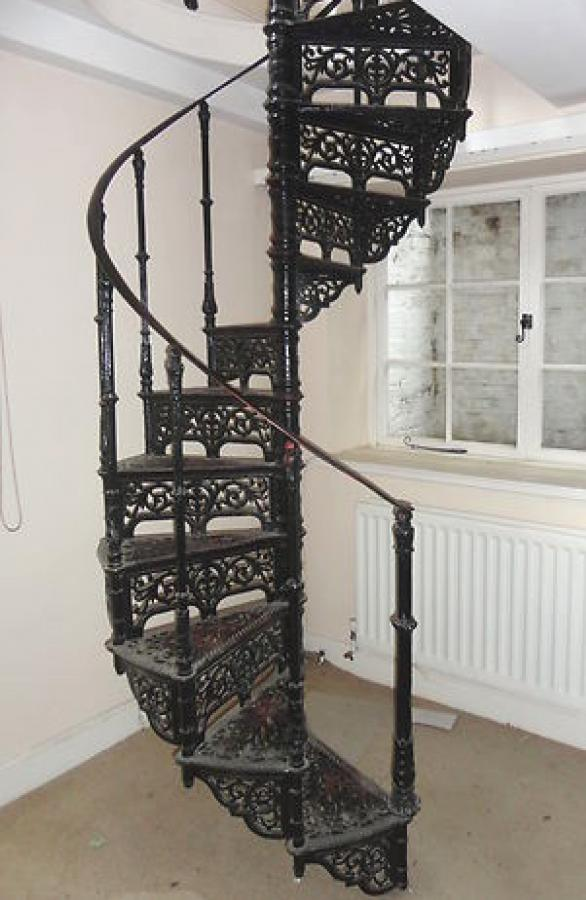
Every poor choice is the beginning of a spiral. Like a circular staircase, you can either spiral up or down. You always have two options, and you get to choose.”

Spiral Down Fast

Each day contains at least one poor choice we make. (Often it is several.) A poor choice is one that doesn’t fit your goals. It could be a writing goal, a health goal, a time management goal, or a relationship goal.

A poor choice could be

  • scrolling social media during your writing time,
  • eating two sugary donuts,
  • binge watching TV till midnight, or
  • snapping at your child.

Your first poor choice is your critical choice moment

You can make a poor choice and SPIRAL DOWNWARD FAST. Imagine yourself at the top of this twisty slide. One push, and down you go, around and around until you hit bottom.

Practically speaking, what might that look like?

  • You can decide that the day is already ruined when you eat a donut for breakfast. So, you eat junk food and sugar bombs the rest of the day.
  • You feel guilty, so you add binge watching a favorite TV series until you are blotto.
  • You put away your manuscript again to tend to your headache, and
  • give the obstinate child the silent treatment for good measure.

Choice #2: Spiral Up (Slowly but Steadily)

On the other hand, you can make THE VERY SAME POOR CHOICE, then decide to SPIRAL UP SLOWLY, STEP BY TINY STEP, instead. 

You can stop the downward trajectory immediately by taking a small step UP.
  • After your donut, you might brush your teeth or plan a healthy lunch.
  • You might close all the live streaming tabs on your laptop.
  • You might turn to where you left off during your last writing session and re-read the page.
  • You might apologize to the child and hold her on your lap for a minute.
  • You might take a slow, five-minute walk to interrupt your negative thinking.

Continual Choices

Yes, the upward spiral is a slower path, but it’s a steady path of growth. The steps up don’t have to be big at all. And you can take lots of pauses to refresh with a stretch or walk around the yard or enjoy some planned treat with a favorite book.

The downward spiral that comes with several poor choices is a slippery, speedy easy path that comes with a hard landing. But even then, it’s not all over.

Pick yourself up at the bottom of the slide. Choose the upward spiral staircase right away, and just focus on the smallest step right in front of you. And after a pause, when you’re ready, take another step up. And eventually another. 

Every single poor choice throughout your week is just the beginning of a spiral. But whether you spiral up or down is entirely up to you. It really is. Pause. Relax. Breathe deeply. (And if you’re like me, pray for help.)

REMEMBER: the poor choice is the first step in both sequences. The direction (of your day, your week, and ultimately your life) is your CHOICE.


At home with C. S. Lewis…in Oxford!

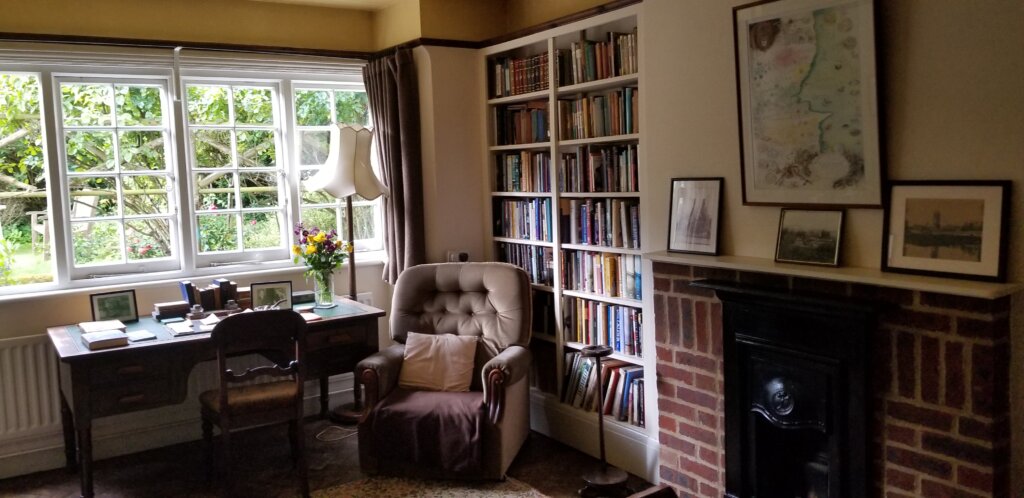
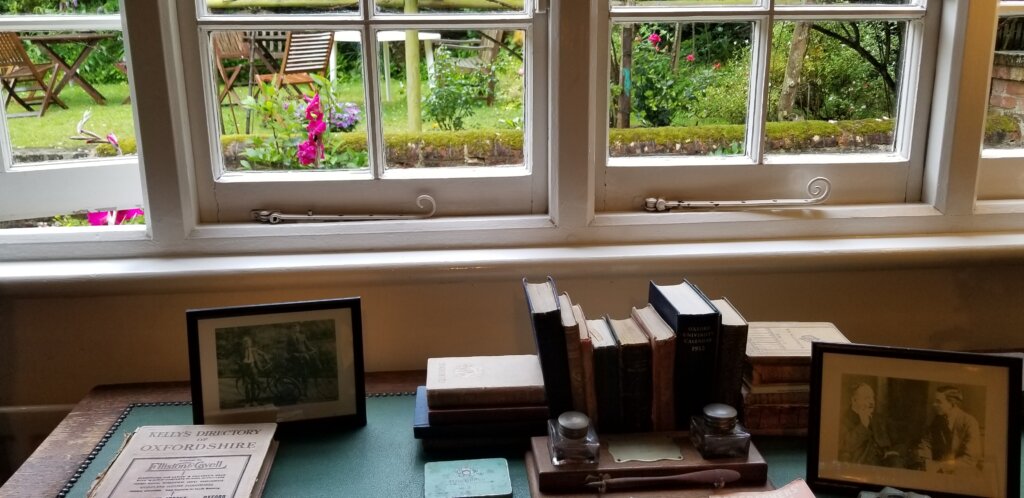
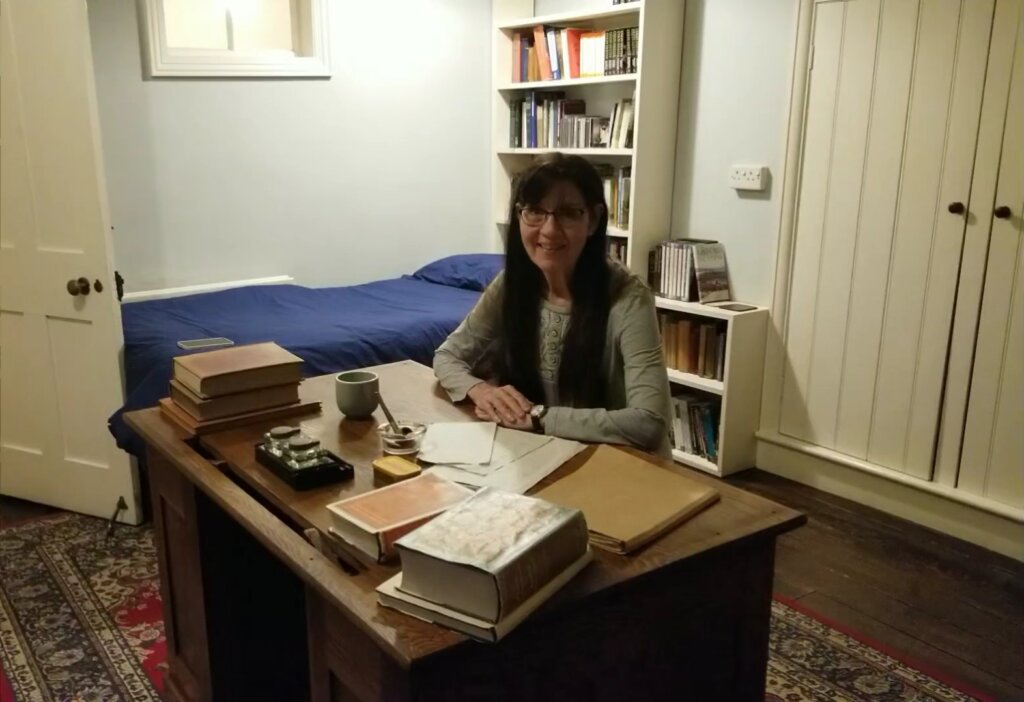
Jack’s desk upstairs

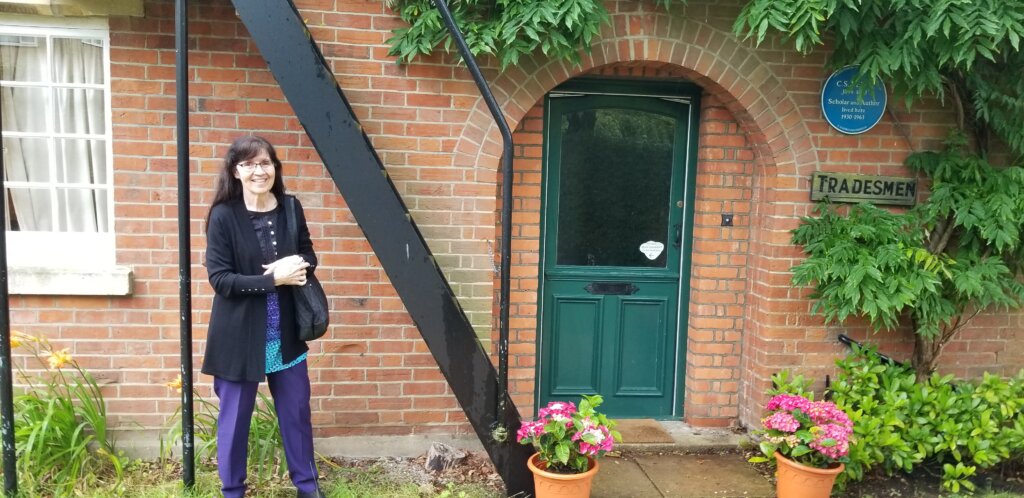
Last week I got to fulfill a big dream of mine by attending a week-long summer seminar at The Kilns, the home of C. S. Lewis just outside of Oxford in the UK. There were 14 students, and we were together from breakfast till late every night, learning about Jack, his life, his family, his books, his ministries, his war years, his impact on the Christian world…

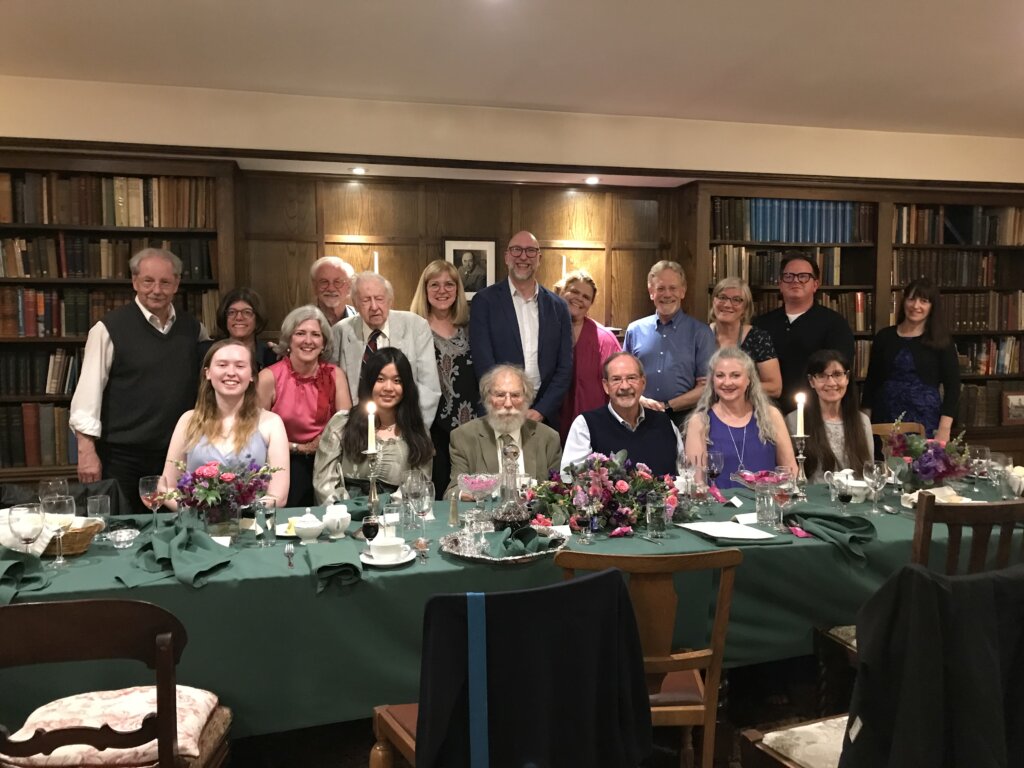
Our group: 14 students, 2 teachers, our driver, and two guests (ages 96 and 100) who both knew C.S. Lewis personally and told the BEST stories!

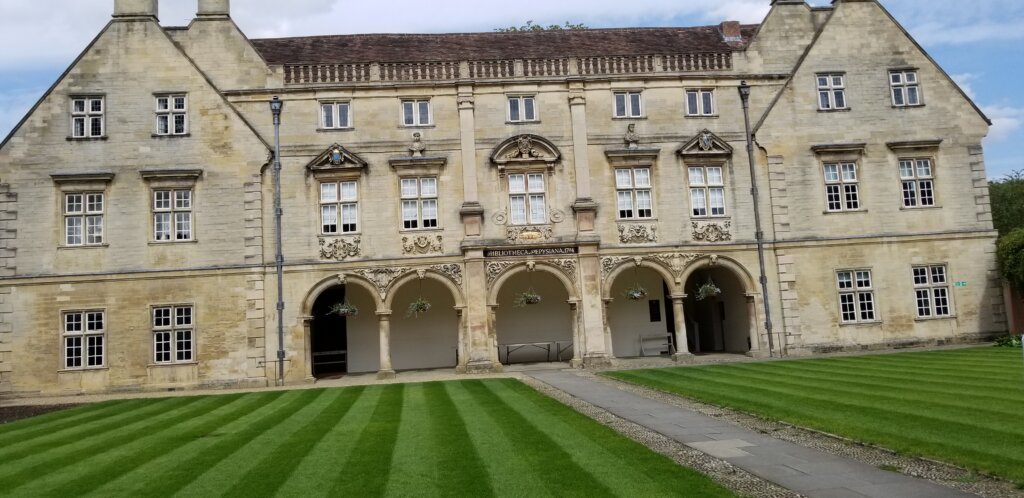
Our two teachers were excellent, and the discussions were fascinating (whether at the Kilns, or on walks around Oxford and Cambridge where Jack taught, or on paths by the river, or in pubs for great food or the gardens outside having tea, or after worshipping in Jack’s church, or visiting his grave–as well as Tolkien’s and Churchill’s…)

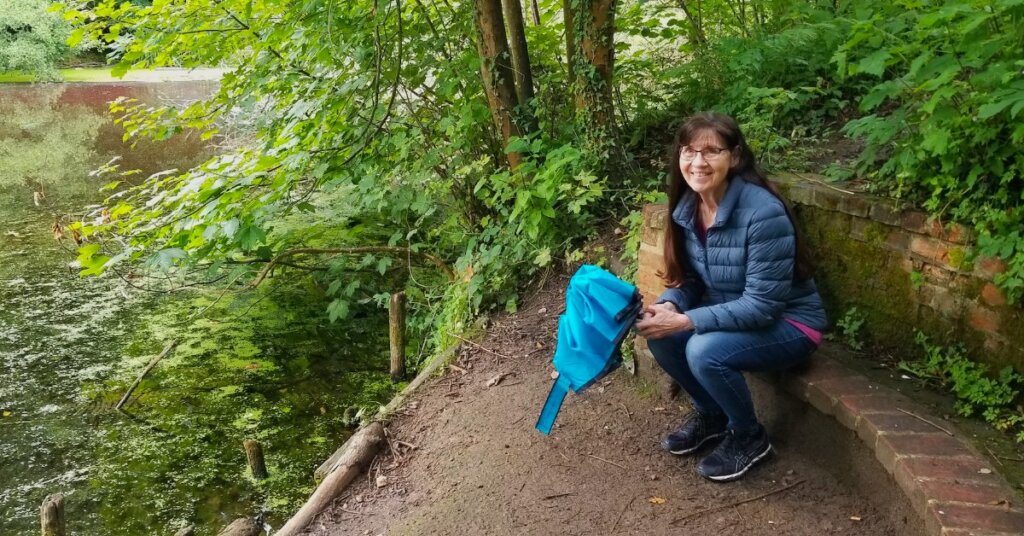
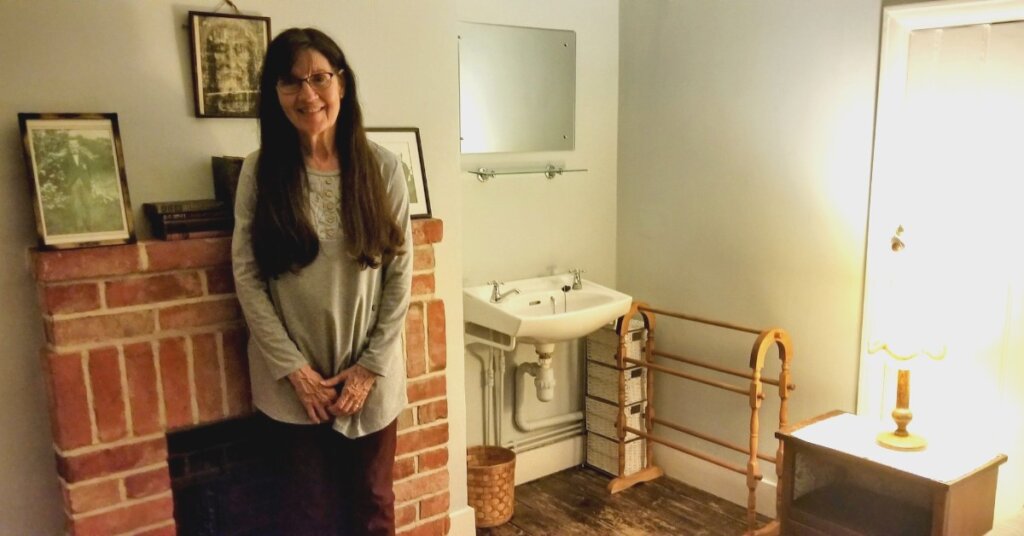
Well, I can’t describe the magic. It was eight full days of being with kindred souls, and sometimes you felt you JUST MIGHT meet C.S. Lewis coming down the stairs, or sitting in his favorite “smoke a pipe” spot by his pond, or fixing a “cuppa” (tea) in the kitchen, or writing at his smaller upstairs desk. I took hundreds of photos, but here are a few.
Some of the nicest people I’ve ever met!
common room
Looking out on the garden from common room
Side door; stairs above me go up to Jack’s bedroom.
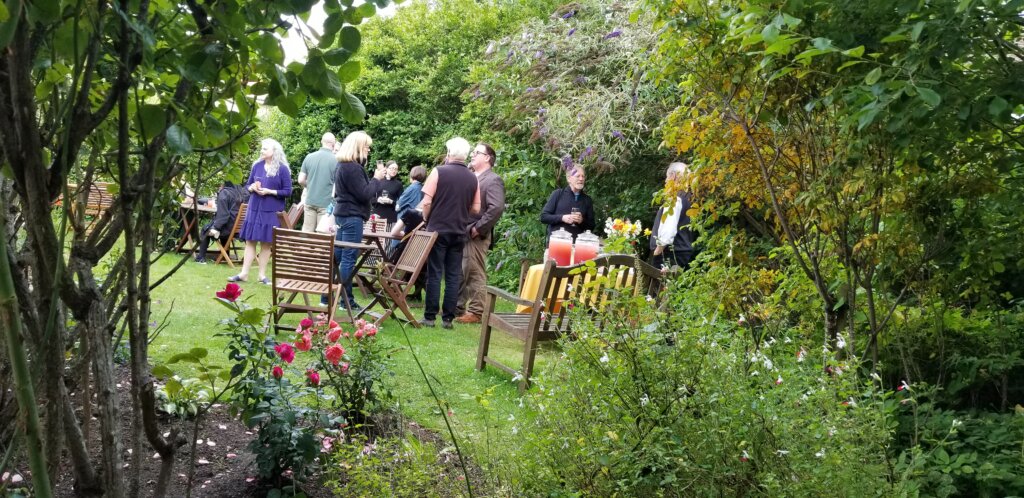
Tea or supper in the garden was heavenly. So many flowers blooming everywhere…and no mosquitoes! Doors and windows were left open with no screens!
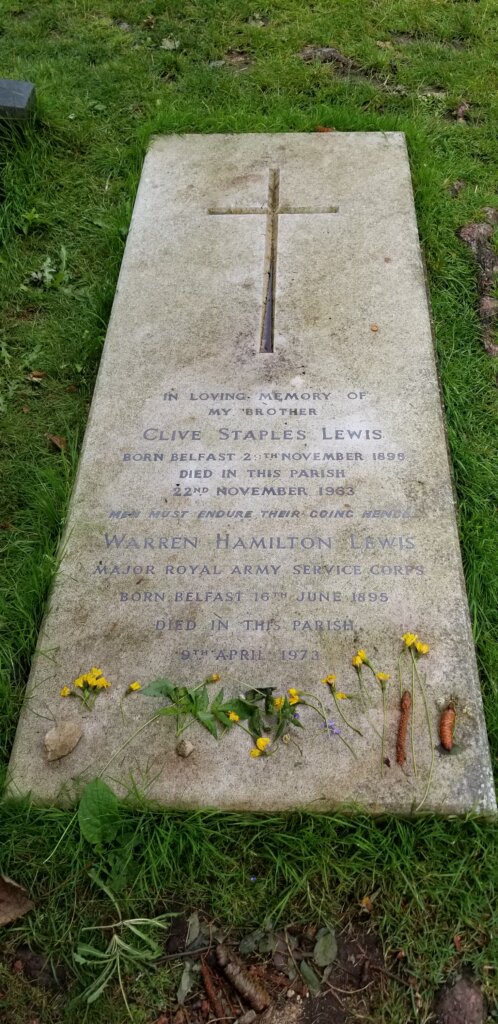
Jack’s and Warnie’s (older brother Warren) grave. (I saw graves with up to 7 people buried in one spot.)
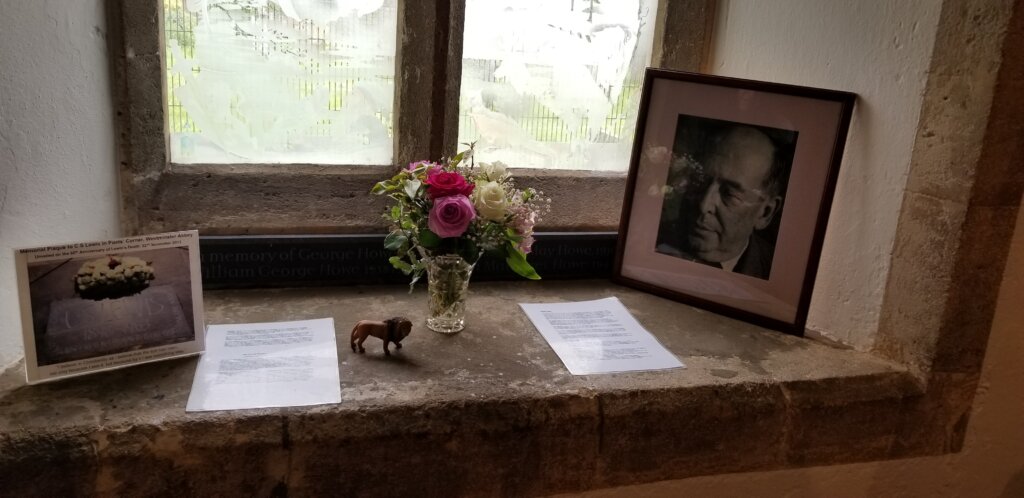
The “Narnia window” in the church Jack attended. We worshipped there on Sunday. Lovely service.
Magdalen (pronounced Maud-lun) College at Oxford, where Jack taught. His rooms were on the second floor in the middle.
Chapel at Oxford University
College rooms at Oxford
Famous icon in Oxford if you watch Masterpiece Theater on PBS. “Morse,” “Lewis,” and “Endeavor” were all set here.
Central Oxford
Chapel at Magdalen College
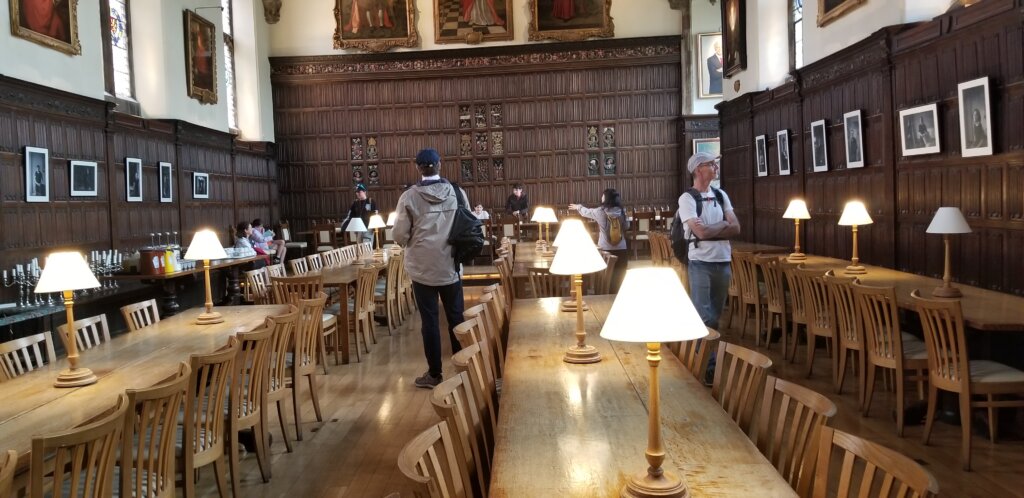
Dining hall at Oxford
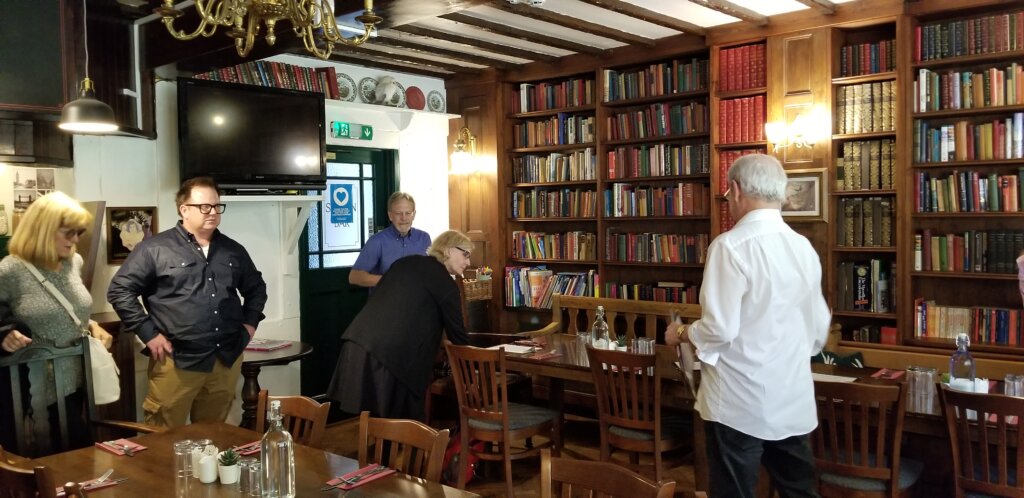
One of my favorite pubs…all those books!
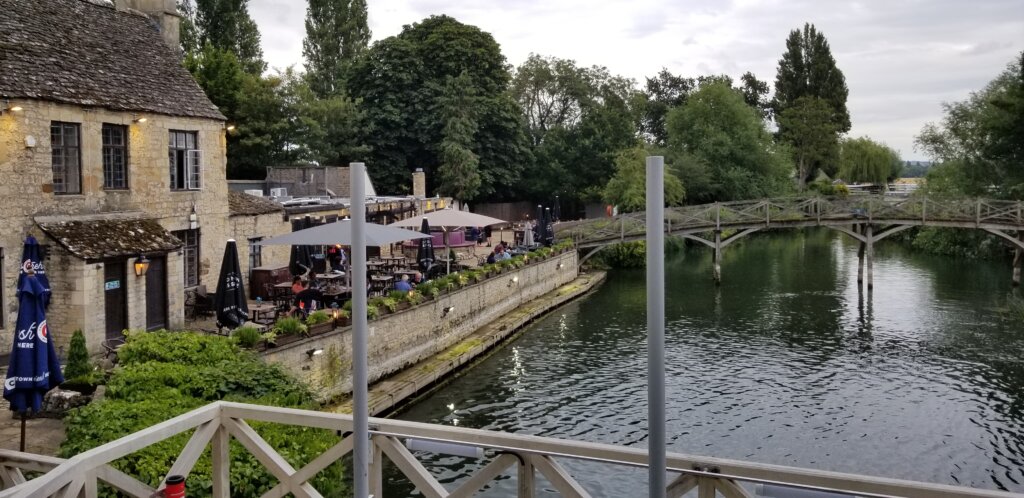
Another great pub…many of the pubs had outdoor areas to linger and talk.
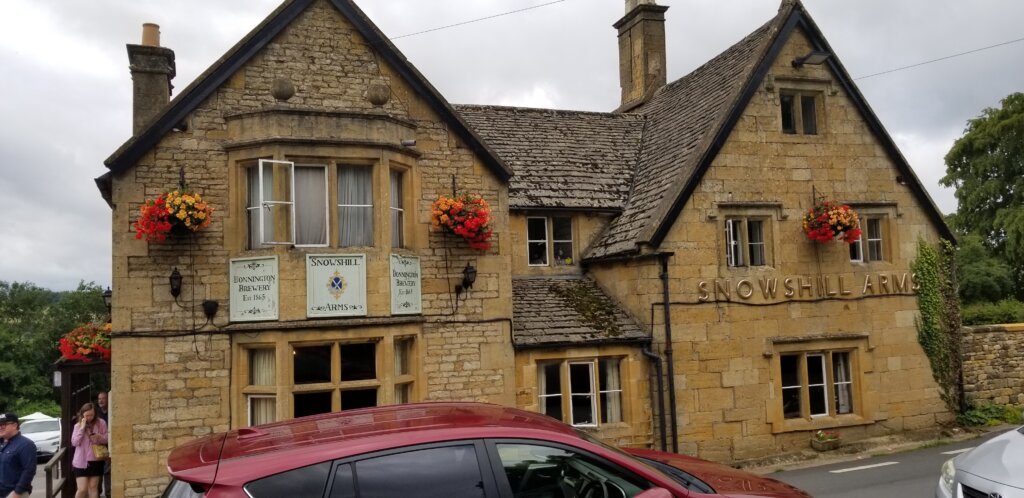
Churchill’s favorite pub


Outside Churchill’s parish church
After Oxford, Jack taught at Cambridge University (Magdalene College).
Cambridge classrooms
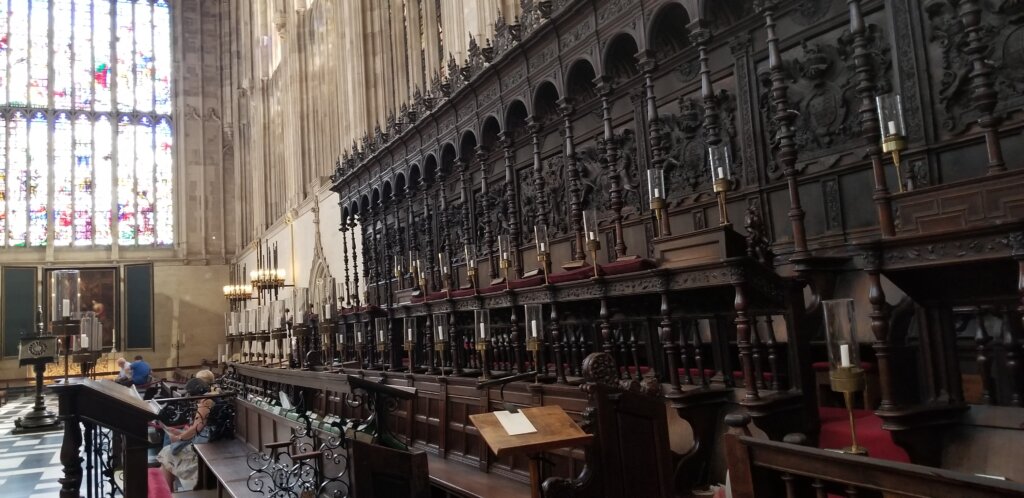
Cambridge chapel
Inspiration for “The Hobbit”
Punts on the river were flat-bottomed boats propelled along very quietly by someone with a long pole.
A Cambridge church over 1,000 years old!
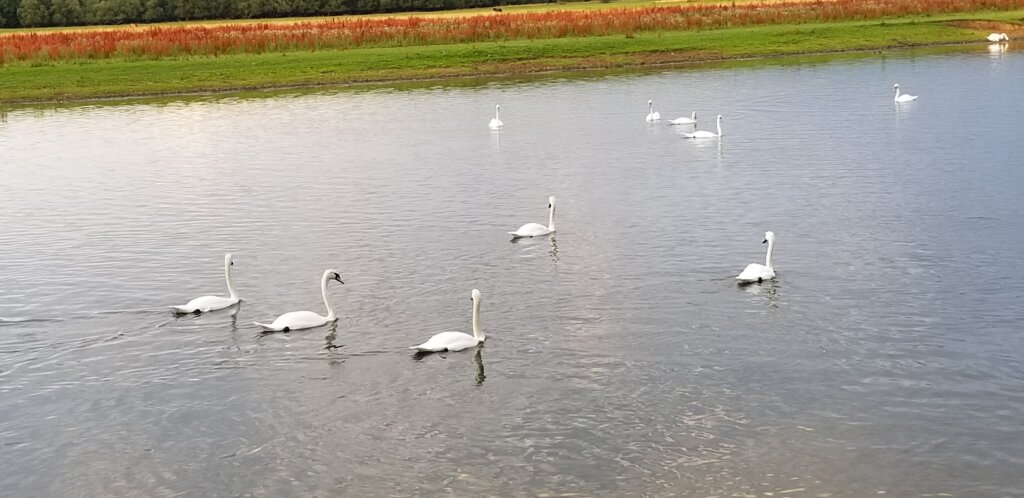
Many swans throughout the UK. For seventy years, they were “The Queen’s Swans.” Now they belong to the King, and you do NOT touch!
A “crazy American” built this (according to a shopkeeper.) So glad America contributed to Oxford’s culture..ha!

Stop Adding, and Try Subtracting!

I woke up feeling sick today, and it is my own fault. I ate both gluten and sugar yesterday, and a lot of it, which is a no-no if I want to feel well.

My writing to-do list was daunting, and while I wanted to make great strides ahead today, I just didn’t have the oomph. 

Then I remembered something my favorite habits guy, James Clear, said in his article, To Make Big Gains, Avoid Tiny Losses.”

In many cases, improvement is not about doing more things right, but about doing less things wrong… Improvement by addition is focused on doing more of what does work. Improvement by subtraction is focused on doing less of what doesn’t work.

Best Choice Today!

I’m too “under the weather” today to improve by ADDING more to my plate: not write faster, or write a longer period of time, or read a productivity book. Today I’m going to improve by SUBTRACTING things that don’t work: poor food choices, binge watching a show, and checking email every five minutes. Can I really make writing improvements that way?

[UPDATE LATER: I didn’t add various strategies in order to write more today. I simply subtracted (1) my poor food choices, (2) the presence of my phone for two hours, and (3) closed all social media tabs for the morning. And despite feeling rather rotten physically, I wrote more this morning than I have all week. Thank you, James Clear, for reminding me that there are  two paths to improvement.

Audio Day 8, May 16, England

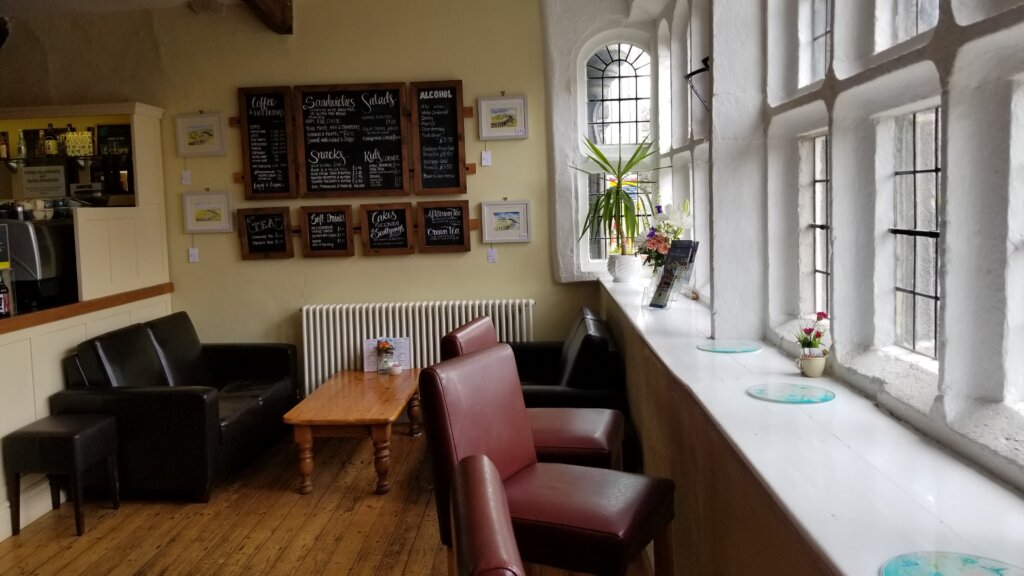
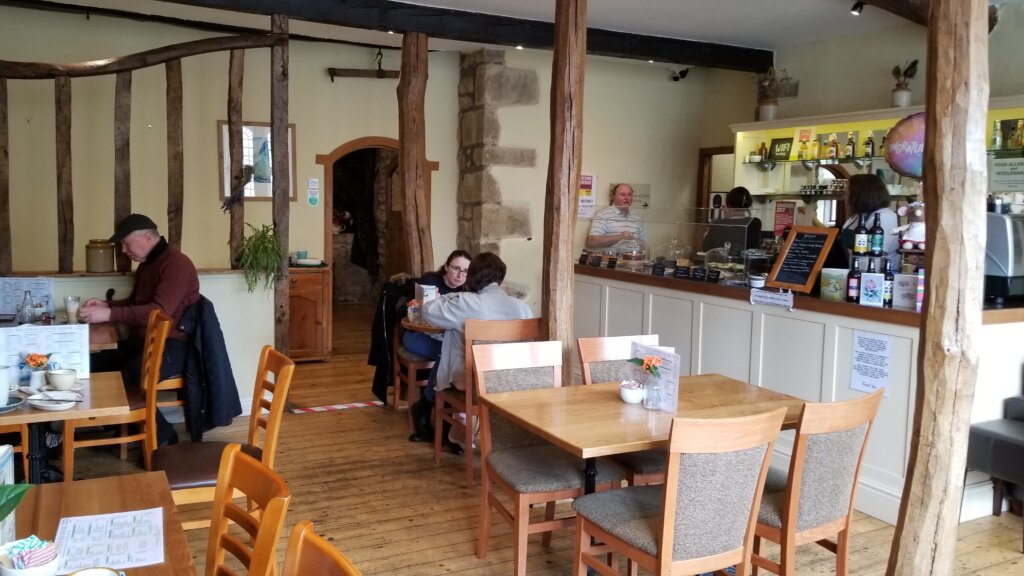
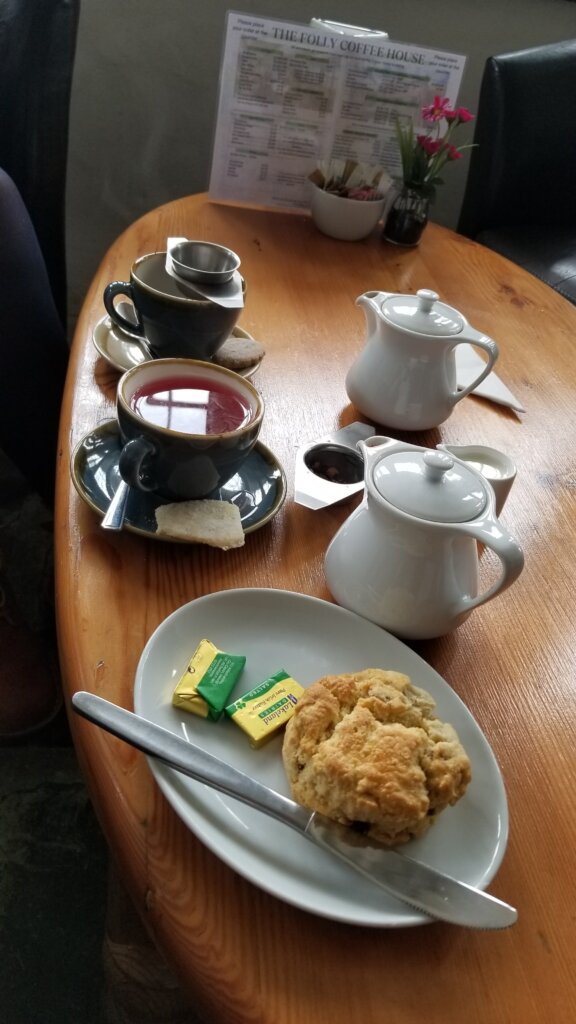
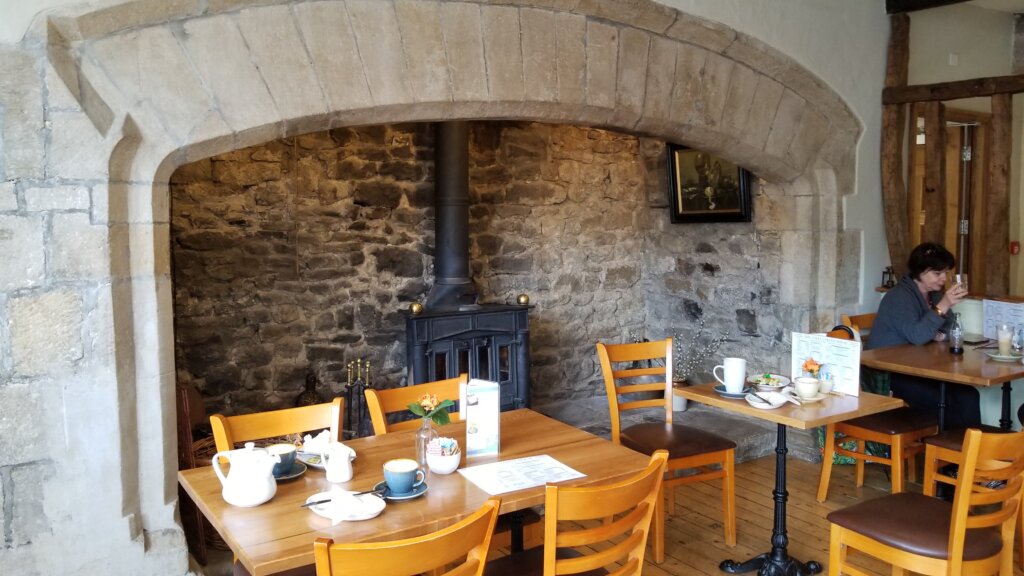
Day 8, May 16, England: Fun day today! My writing morning flew by, and this afternoon I had tea and scones at a museum coffee house with another writer friend, Sarah Lister. We met at The Folly, a café within the museum. I’m attending her school presentation tomorrow at the local church graveyard.
Those kids are in for a treat!

Best gluten-free scone ever!

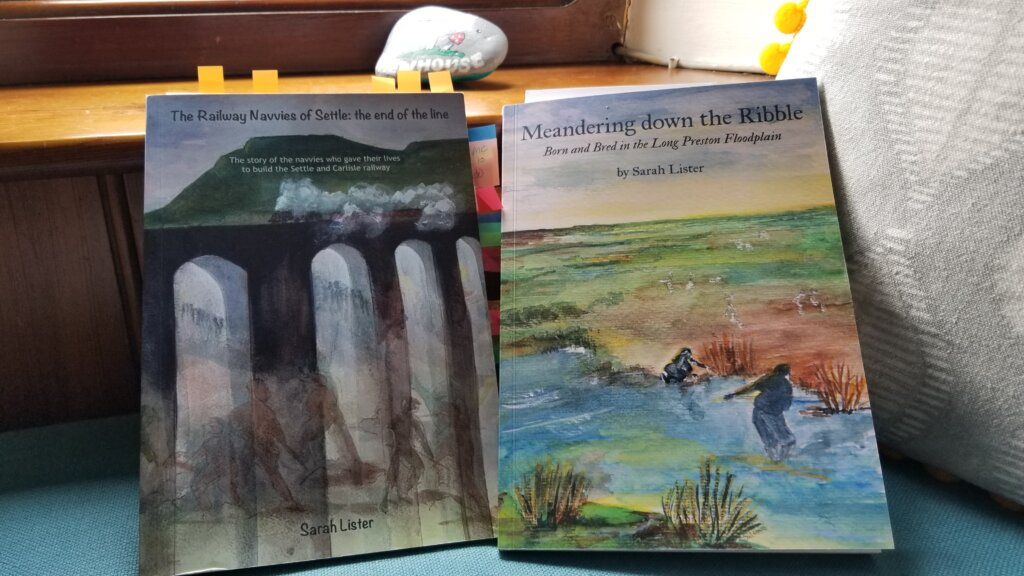
Sarah’s latest two books. She has been my best source of material for Book 2 in my work-in-slow-progress trilogy.

Delightful and so very funny, Sarah Lister!