Creative Composting for Writers

When I started writing, I lived on an Iowa farm, in a county known nationwide as the “black dirt capital of the world.” Record crops were grown there, in the most nutrient-dense soil in the country.

Then I moved to Texas twelve years ago. I tried for years to grow something–anything–in my front yard. I watered faithfully, but after a few weeks, the bushes curled up and died, the flowers shriveled, and the firm succulents went squishy.

What passes for “dirt” here is a bit of leached-out clay embedded with rocks and gravel. There is almost no top soil at all, and certainly none of it is black. Not even brown. Just sort of dingy gray. One weekend, I asked the advice of the older man across the street, a retired wheat farmer from Nebraska whose vegetable gardens were green and lush.

“Compost your yard,” he said. “Pile up all kinds of vegetable peelings and leaves and grass clippings, let it get warm and decompose, then use the rich formula to give your plants something to grow on.”

Something to Grow On

When he said that, I realized he was talking about more than my dried-up yard, although he didn’t know it…  I was twenty-seven years old when I took a writing course for children. At that time, I’d stored up twenty-seven years of experiences, plus twenty-seven years’ worth of books read and absorbed. I also had three small children, so ideas were unfolding before my very eyes on a daily basis. I had more ideas than I had time to write down, much less develop.

Fast forward thirty-three years to arid Texas. I’ve had nearly 50 books published, plus scores of articles and some short stories. Even so, sometimes my inner reservoir of ideas feels a lot like my gray hard rocky soil out front. Some days I feel like I’m about as successful growing stories as I am at growing flowers.

We all get there, if we write long enough. For me, it means that my writing life needs composting.

Artist Dates

One of the things Julia Cameron advises in The Artist’s Way is to take a weekly “artist date.” It’s for feeding your mind with images and experiences you need as a writer. Weekly nurturing experiences restock the pond that perhaps you’ve fished from for years. An over-fished pond leaves us with diminished resources. Our work dries up. The pond needs to be restocked. You do that with artist dates.

“An artist date is a block of time, perhaps two hours weekly, especially set aside and committed to nurturing your creative consciousness, your inner artist. In its most primary form, the artist date is an excursion, a play date that you pre-plan and defend against all interlopers.”

You go alone–no spouses, friends, children, or grandchildren.

Cameron suggests things like a visit to a great junk store, a solo trip to the beach, an old movie seen alone, a visit to an aquarium or art gallery. A long walk, sitting to watching a sunrise or sunset, going bowling, a free concert in the park: all such experiences qualify.

Crop Analysis

Are you expecting a bumper crop of writing to come from soil that was depleted some time ago? Is the fruit of your writing labor smaller than it used to be? It could be that it’s time to do some composting.

What are some of your favorite ways to feed and nurture your creative side? What do you do to fit creative composting into your writing life?

Unlocking Your Potential

Winston Churchill once said, “Continuous effort–not strength or intelligence–is the key to unlocking our potential.” I believe he’s right. Over the years, the writers I’ve seen succeed were the ones who refused to give up.

I’ve been surprised sometimes too. Some of my most brilliant writing students gave up after a rejection or two and never were published. But I have books on my shelf from medium-talented students who refused to give up on their dreams–books published by large New York publishers.

Plugging Away

I’ve been remembering that principle this month during NaNoWriMo when I was either sick or gone or interrupted. Many days, I felt weak and the novel sounded silly and self-serving, but I kept plugging away. Last week I was about 8,000 words behind. Today I am slightly less behind–but only by doggedly plugging away.

Samuel Johnson said, “Great works are performed not by strength, but by perseverance.”

In a like vein, Helen Keller (below–one of the most determined people you’ll ever read about) said, “We can do anything we want to as long as we stick to it long enough.”

That’s good news to me! Is it to you?

(continued below)

It’s Your Choice

We may not be the most talented writers. We may not be the most clever or well read. We may not have an MFA in writing or be able to afford expensive writing conferences. BUT we can each choose to persevere, to stick to it till we finish.

Know where you want to go, and map out a clear strategy on how you plan to get there. There are many ways to study and grow, ranging from free online courses and books to expensive MFA programs at prestigious colleges. But in either case, the only person with an advantage is the one who refuses to quit.

Is that YOU?

Jane Austen and Me

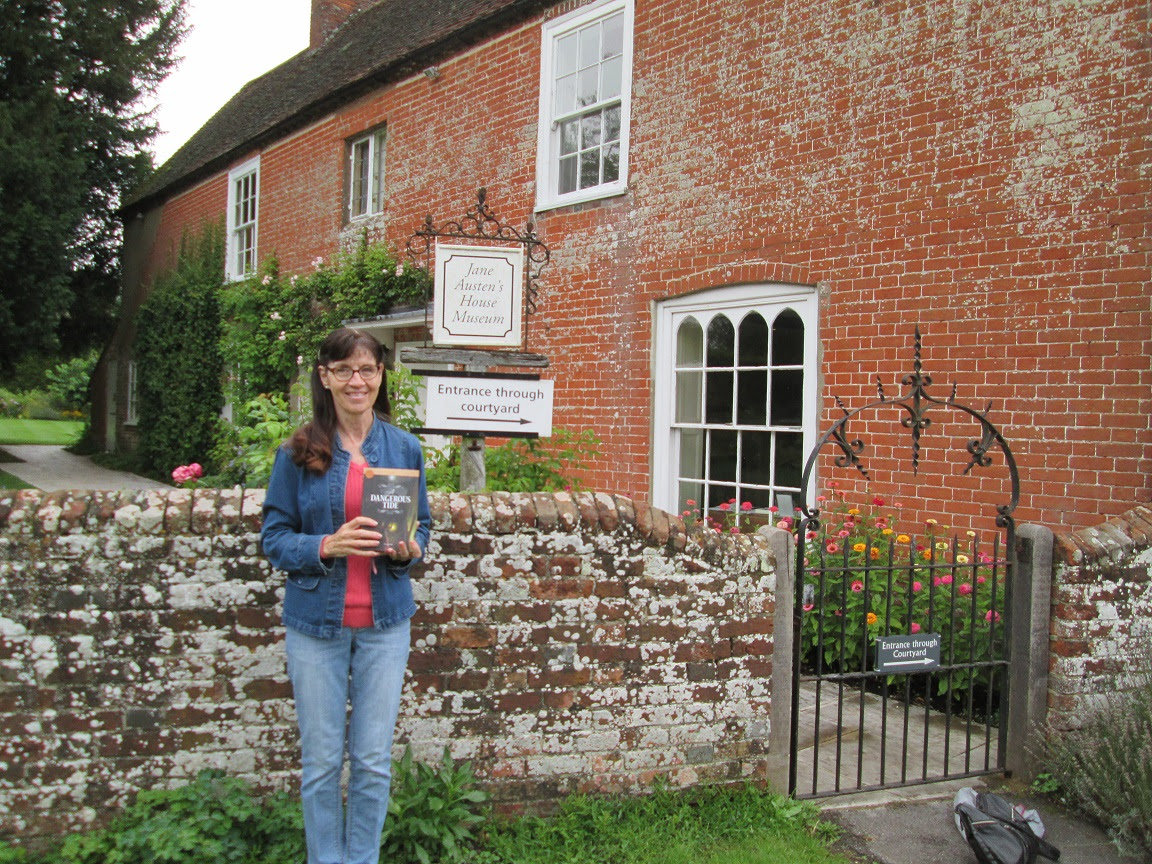
I’ve been thinking about Jane Austen a lot since visiting her home in Chawton, England, in September.

Another time and another place, but some lessons to learn that apply to me as a writer today.

Kinship of Writers

Jane’s home in Chawton was where she revised Sense & Sensibility and Pride & Prejudice for publication. Here she also wrote Emma, Persuasion, Mansfield Park and part of another novel before becoming ill. After visiting Jane’s house in Chawton, I felt a kinship with her. She lived in the kind of home I would have loved (see below): several hundred years old, two stories, cozy fireplaces in every room, big flower and vegetable gardens, set on a cobblestone street lined with tiny shops and thatched-roof cottages.

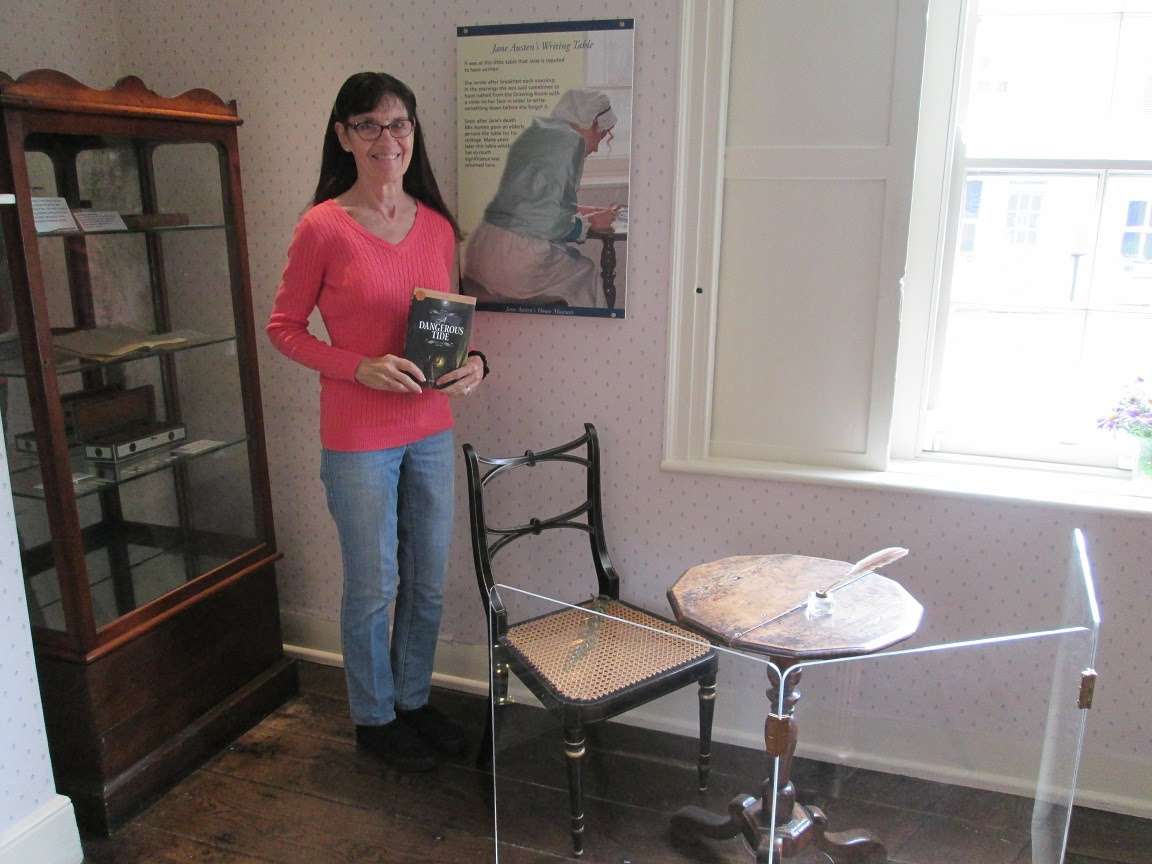
Her writing desk (above) was tiny. I was struck by the contrast between her small desk, just big enough for her paper and ink well, and my two desks back home covered with computers, printers, books, notebooks, and assorted junk. Jane had no shelves of how-to writing books, no writing room of her own, no Internet or cell phone.

Routines

She wrote in the mornings, after breakfast, before helping her mother and sister with household tasks or visiting or entertaining numerous nieces and nephews. She put her writing first in her day, before it got taken over by friends or family or other obligations. There was a lesson for me!

She also wrote about what she knew and experienced–and what interested her–despite pressure from her publisher to write what would make more money. They wanted gothic and historical romances, not her “simple little stories” about her everyday village life and how several families affected each other. (Remember: although her books are historical to her present-day fans, she was writing contemporary fiction.) Her heroes and heroines who learned about their character flaws and overcame them–like Darcy’s pride and Lizzie’s tendency toward hasty judgments–were considered too tame for the reading public.

Write Your Passion

I loved reading Jane’s responses to the publisher’s pressure. Her replies (there were photocopies of her letters) basically said that she could only write what they wanted if she were literally starving, and even though historical romances might be more popular or profitable than her “domestic stories of country villages…I would hang myself before I could finish the first chapter…No, I must keep to my own style and go on in my own way, though I may never succeed again.” Wouldn’t that same publisher be astounded today to see the thousands of fans who still flock to the Jane Austen walking tours in Bath, the Jane Austen Centre, and her home in Chawton, who buy her books and watch movies made of them? Isn’t there a lesson for all writers here?

Perhaps this is what Jane was thinking when she wrote (in Mansfield Park):

“We have all a better guide in ourselves, if we would attend to it, than any other person can be.”

Successes and Setbacks

“The only copy of your manuscript is stolen from your car. Articles and stories come back with unfailing rejection…Finances grow ever more perilous. This is, with variations, the script for the first ten or fifteen years of many successful writers’ careers. But they hung on.”

This quote comes from one of my favorite book of meditations for writers called Walking on Alligators. It talks about the nearly universal experience of published writers: their successes are interspersed with fairly regular setbacks.

Have you accepted that truth yet?

Re-framing Failure

Even though the overall pattern of your writing experiences will probably be upward (assuming you don’t quit), it will be full of ups and downs. Ups will include sales and good reviews and awards. The downs–those drops on the chart–include rejections and delays and canceled contracts.

The setbacks are NOT failures or reasons to quit–unless you allow them to be. They’re both places of learning and places of rest. They are simply steps on the way to the top. More importantly, they can have a positive effect.

Upside of Down Times

Compare it to climbing a mountain. It’s usually an up-and-down experience as you work your way to the top. There are periods where you climb upward steadily. Sometimes you also go down–lose a bit of altitude–before starting the next steep climb. Are the downhill stretches failures? No. Setbacks? Not really, although it can feel like that.

Downhill spots have their bright side though. For example, when I “fail” to sell something, it forces me to slow down and ask some questions. And more than one time, the failure to sell a series idea gave me an initial disappointment (lasting about five minutes) followed by a rush of relief that I didn’t have to force my exhausted body into another grueling writing stint just yet. The setbacks can be restful, if we let them be. They can allow you to recoup some energy.

The periods in our writing life that seem “down” can also be times to rethink and regroup. Maybe we need a course correction. Perhaps that rejection is trying to point us in a new direction in our writing. Or that negative review might be telling us that our real love (and talent) is in writing poetry, not baby board books.

But It’s Worse Than That!

What about when the negatives are too frequent? As Harriet Beecher Stowe once said: “When you get into a tight place and everything goes against you until it seems that you cannot hold on for a minute longer, never give up then, for that is just the place and time that the tide will turn.” Judging from personal experience, I have to agree with her.

Have you ever seen a negative happening (bad critique, rejection, few people coming to your workshop, etc.) be transformed into something positive? No need to give specific names or publications, but can you share an unwanted writing experience that turned out, in some way, to be a good thing?

Writing Momentum: the Unexpected Bonus

During the six weeks so far of running the October-November writing challenges, I have rarely missed writing daily. My goal for putting my writing first each day was to accumulate more pages. Despite a couple of personal setbacks, that has certainly happened.

I’ve logged in anywhere from twenty minutes to four hours, depending on the day’s schedule. I’ve accomplished more in the last six weeks than in the three months preceding the challenges. That in itself is enough reason for me to keep doing the writing first. But there’s more!

An Awakening

There’s been an unexpected bonus attached to writing first in the day whenever possible. I noticed it at the end of the week. My personal plan was to write first, just Monday through Friday, for as long as my schedule allowed. By Saturday morning, I had a long list of chores and errands that had piled up. They would take all day probably, so I promised myself I’d get my daily writing done at the end of the day.

I looked longingly at the writing notes spread out on my work table. I knew from experience I’d be too tired to write anything of substance late in the day.

And I had so enjoyed the writing the first week. Writing done before I was tired from the day’s events was relaxed and many times, even fun. I also found myself thinking about my characters during odd moments of the day, as my brain chewed away on a few plot tangles I’d uncovered. I’d gained momentum, and I didn’t want to lose it.

Momentum: the writer’s friend

The dictionary defines momentum as “strength and force gained by motion.” The momentum of writing each day had become a strong force gained by daily motions.

So that Saturday morning, I laid my errand list down, closed my office door, and wrote for a couple hours. Then I started on the chore list. (Did I get them all done? No. I’ll finish the necessary ones though.)

For the first time in many years, I had actually been eager to write. I remembered that kind of excitement thirty-plus years ago when I took a writing course. Back then, I couldn’t wait to get the babies down for naps so I could write. I hadn’t felt that way for so long that I’d forgotten how wonderful it was.

Try It. You Might Like It!

What a terrific added bonus for writing first thing each day. If you have lost the joy of creating, give this method a try for a week or so. Go to bed earlier so you can get up earlier, if necessary. See if it makes a difference.

As the quote on my wall says, “Art wasn’t meant to be created in stolen moments only.”

Facing Your Creative Fears (Part 2)

(First read Part 1 of “Facing Your Creative Fears.”)

3. Third, if your fears are real, face them squarely and deal with them. Do you really lack sufficient writing skills? If so, enroll in a course. Study writing books on your own. Analyze the books you love best to see how those authors did what they did. Take a public speaking course if you want to be a storyteller or give talks for groups. Take an assertiveness course or get help for your codependency if nasty family members really are holding you back from trying.

Work to improve, but don’t get caught in the “perfection trap” by accident. “It is indeed important to strive for excellence in creative endeavor,” says Thomas Kinkade. “It’s important to grow in skill, improve technique. But if we make a god of perfection, we risk pushing ourselves into a creative desert. We’re afraid to try because we’re afraid we won’t be good.”

Feelings of Fear are Real

“But I am afraid!” you say, terror creeping in around the edges of your voice. I know you are. I’ll tell you a secret. We all are. We wear masks to hide it, but we all deal with the fear of writing. How? We learned, finally, to do the writing afraid. We learned that fear didn’t have to stop us, that most things we could go ahead and do whether we were scared or not.

We research, even if we’re afraid our idea is overdone. We write rough drafts, even when we’re afraid the whole thing stinks. We submit to publishers, even though we’re afraid that editors cringe when they spot our name on a manuscript. Of course, the magic finally occurs. After many, many repetitions, the fear disperses. It almost disappears.

Just don’t imagine that you can eradicate all your writing fears. As Ralph Keyes wrote in The Courage to Write, “Finding the courage to write does not involve erasing or conquering one’s fears. Working writers aren’t those who have eliminated their anxiety. They are the ones who keep scribbling while their heart races and their stomach churns, and who mail manuscripts with trembling fingers.”

A Writer’s Job Description
Susan Jeffers wrote a book some years ago called Feel the Fear and Do It Anyway. The title says it all. It’s okay to feel the emotion of fear; it doesn’t mean we have to turn tail and run.

I’m a great believer in Mini Habits, with teeny tiny goals (such as, “I will write for five minutes today.”) I feel no resistance to writing for five minutes, so it takes no motivation or willpower to do it. And, of course, it often goes way beyond five minutes. This would help many of you too. The act of writing would dispel many of your fears. If you could see my office, you’d notice the four signs I have taped up that say in big, bold letters, “Work! Don’t worry. Inaction feeds worry. Action attacks worry.” Yes, even five minutes of writing will do so.

Do It Today!

Don’t stay frozen. Tackle those fears. Start small. Celebrate each baby step taken as a victory. Don’t hesitate to ask people for advice and encouragement. Study books. Listen to audio tapes. Read articles. Make banners or posters for your office. Leave Post-It notes on your computer. Use every means possible to remind yourself that you can conquer the thing that you fear. You’ve conquered fears in the past, and you can do it again! Don’t let fear stand between you and the writing career of your dreams.

Facing Your Creative Fears

Every tomorrow has two handles,” Henry Ward Beecher once said. “We can take hold of it with the handle of anxiety or the handle of faith.”

I’ve been thinking about this while hostessing the October and November writing challenges and reading between the lines of some questions and comments.

It’s a Choice…Really!

All our writing tomorrows give us that very same choice: fear or faith in our creativity. Do we face our blank computer screens or empty tablets with fear or with faith? Faith encourages us and spurs us on. Fears paralyze—and need to be dealt with.

Writing anxiety comes in many forms and develops for a variety of reasons. If we harbor writing fears, how can we identify them, eliminate them, then regain faith in our writing tomorrows?

Dealing with creative fears generally involves a three-part process.
1. First, identify the fears. Otherwise you’re only shadow boxing. What are you afraid of? That your ideas are stupid or overdone? That you don’t have the talent to be a published writer? That your friends or family will ridicule you when they find out what you’re trying to do? That you’ll be rejected? That you’ll be wasting your time, that being a writer is just a dream that will dissolve in the face of reality? That you’ll never be more than a mid-list author on the brink of oblivion?

Writers have many fears, and this takes many new authors by surprise. “It’s a vital thing to remember both as creative people and those who have the opportunity to nurture the creativity in others: Creativity requires courage!” said Thomas Kinkade in Lightposts for Living. “It takes courage to push ourselves off center, to think in nonstandard ways, to journey outside the ruts. It also takes courage to resist the pressure of those who very much prefer to walk in those ruts.”

2. Second, if your fears are just myths, debunk them. Write down and study your list of fears. Will your husband/wife really laugh at you for wanting to write? Do you really not have any talent? (What about your writing teacher or critique partner who loves your stories?) Will you really go insane like all the famous writers you’ve read about? (Well, actually, you might. . . just kidding!) In The Courage to Write, Ralph Keyes says, “All writers must confront their fears eventually. The sooner they do this, the better their work will be.”

Besides, if you don’t, you’ll go from blocked to frozen, then give up. Quitting is failing. While none of us may ever totally conquer our writing fears—and some experts say that this writing “anxiety” is actually indispensable writing energy—we can rise above the fears sufficiently so that we can work. And in doing the work, day in and day out, the fears begin to dissolve. They become like the monster we were so sure, as children, that lurked under our bed. After enough years of NOT being eaten alive at night or being grabbed by the ankles when we jumped out of bed, we finally concluded the monster was in our imagination and forgot about it. Most of your writing fears will do the same thing IF you face them and feel them—and write anyway.

(Come back Friday for ways to deal with the fears.)

A Writer’s Dream Trip

England! Tea and scones. Castles. Cathedrals. Visiting homes of British writers.

Writers have dreams, and one dream of mine has always been to visit the homes of my favorite British authors. I finally did it! (Photos below.) This was a trip I’d planned and saved for all year.

Since I last blogged, I spent ten days in England, part research for a new book and part marketing for a book due out in November (both set in England). It was the trip of a lifetime, walking in the footsteps of Jane Austen, Charlotte Bronte, and Beatrix Potter. Below are just a few photos of the 895 prints I ordered. More will go up on Facebook. I’m still working on my scrap book, adding in all the little momentoes like train tickets and British money. 

I did a bit of marketing at the Jane Austen home in Chawton. When A Dangerous Tide is released in November, they’ll read a copy and decide whether to include it in their gift shop fiction section of books featuring Jane Austen. That would be such an honor. The first photo is outside her home. The second photo has my early copy of the book RIGHT BESIDE where Jane wrote Pride and Prejudice!

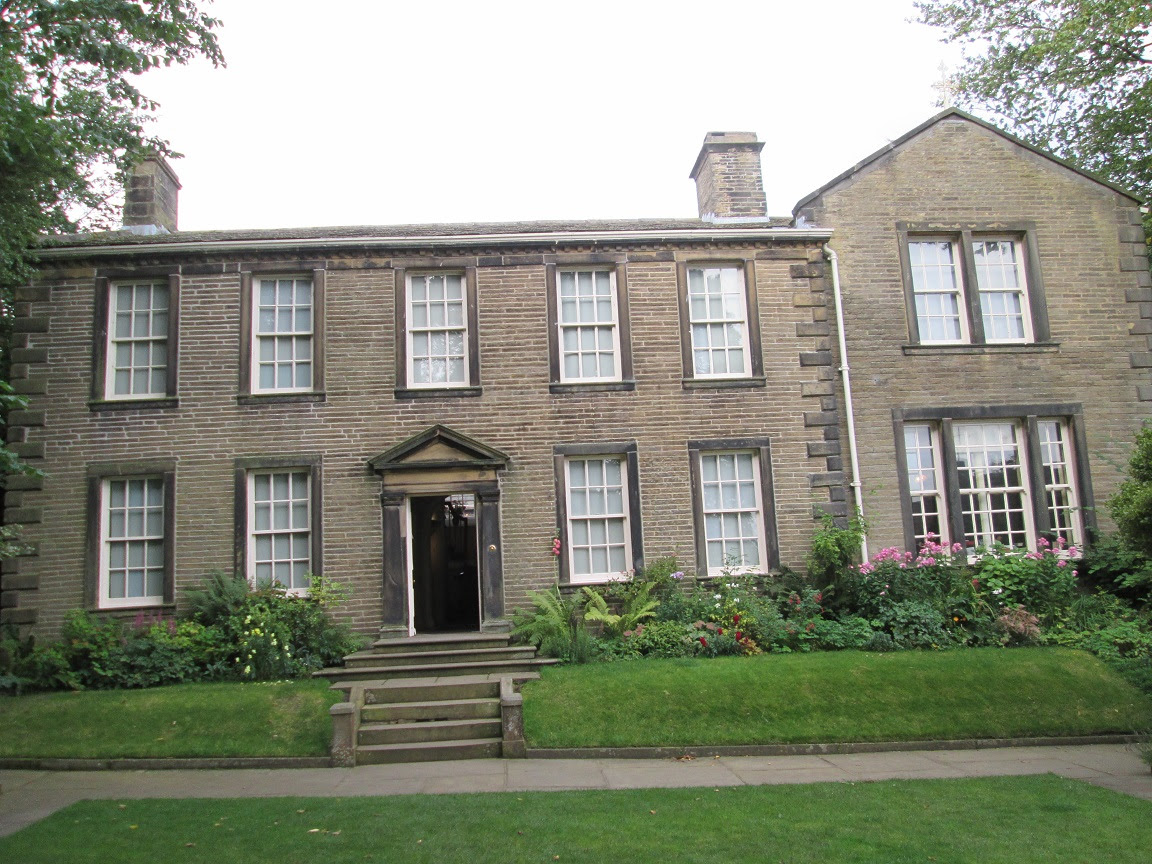
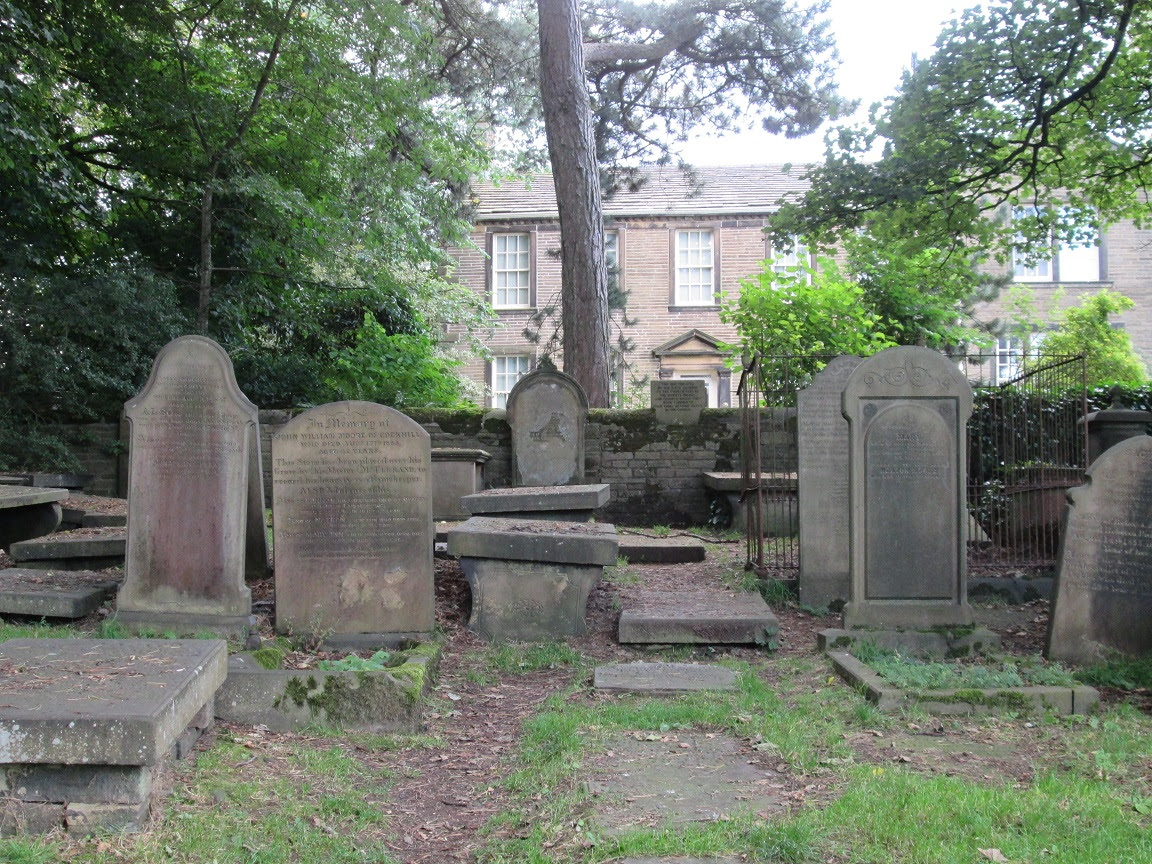
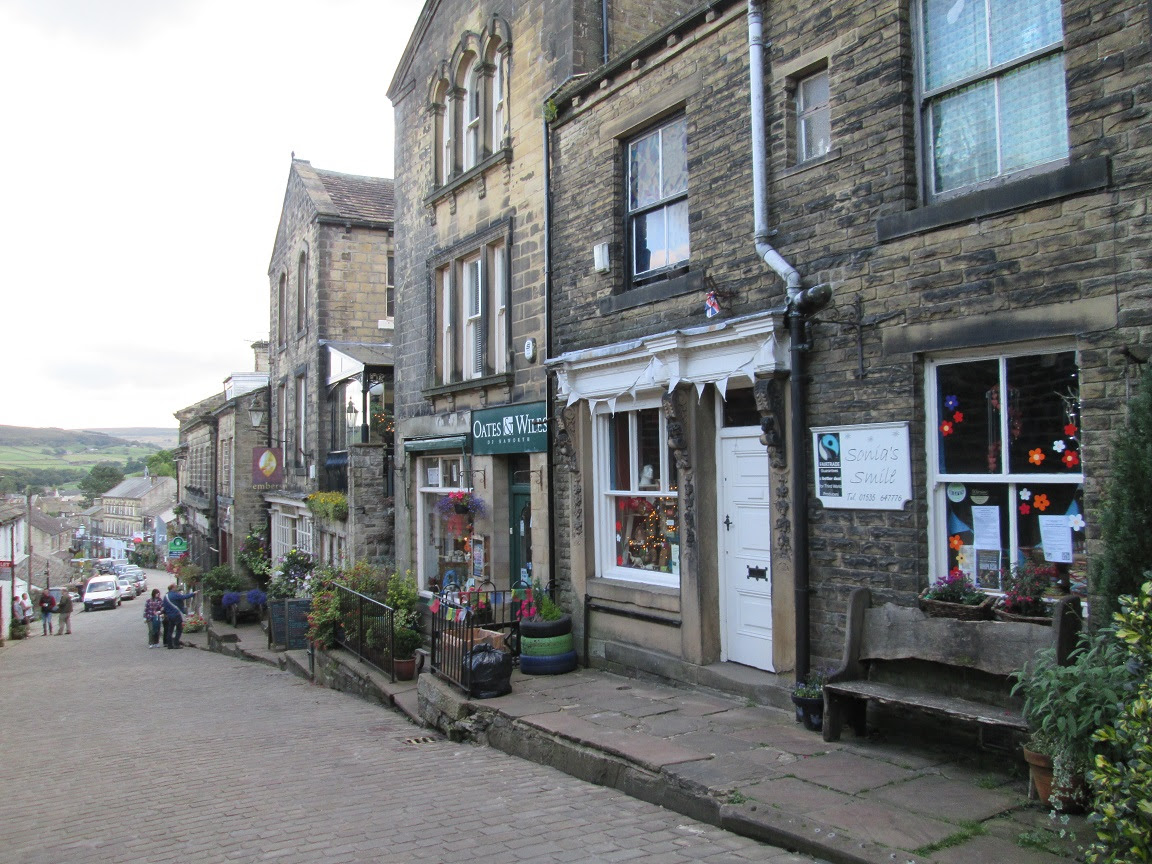
I also did a lot of research in Haworth, in the Yorkshires where the Brontes lived and died, for a mystery due in the spring. It certainly brought Jane Eyre alive for me, after walking over the moors, seeing where Charlotte wrote, and visiting the graveyard beside the parsonage. So much ATMOSPHERE there. Below are photos showing her home, the graveyard, and the steep cobblestone street up to her home. No photos were allowed inside.

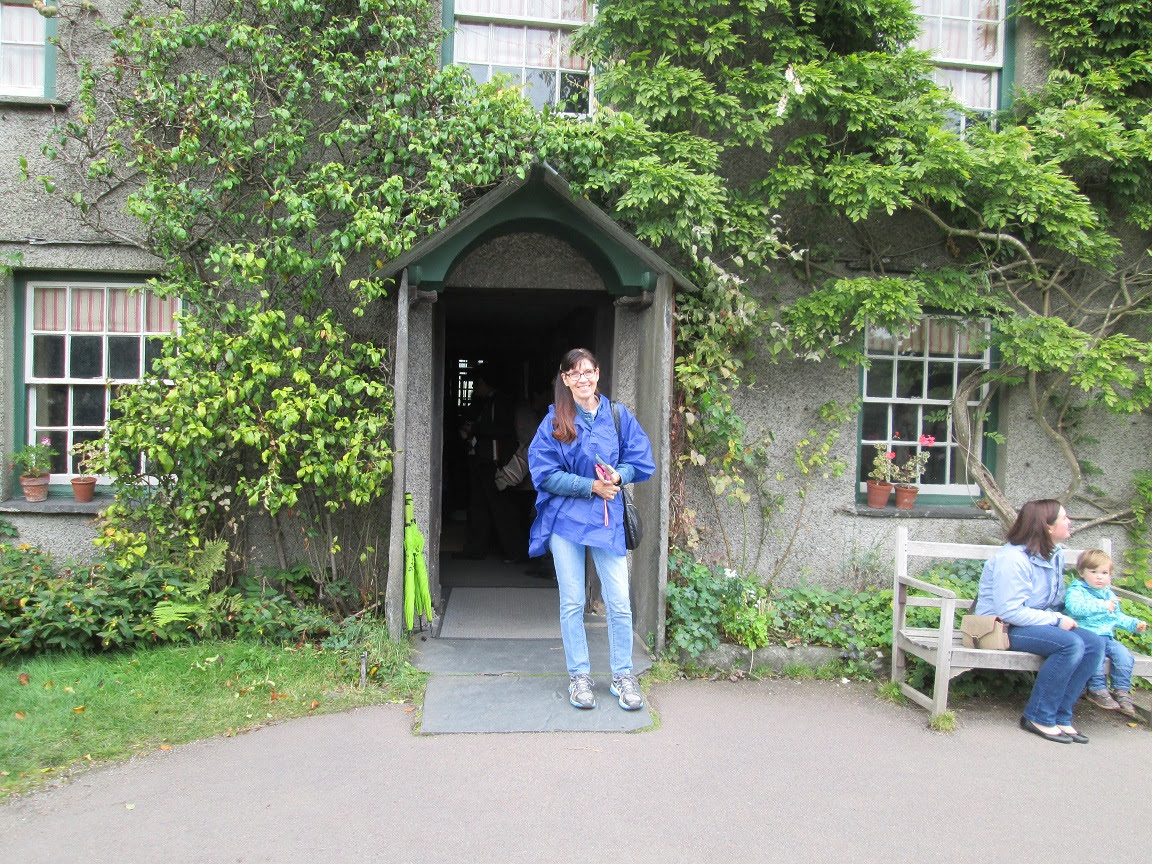
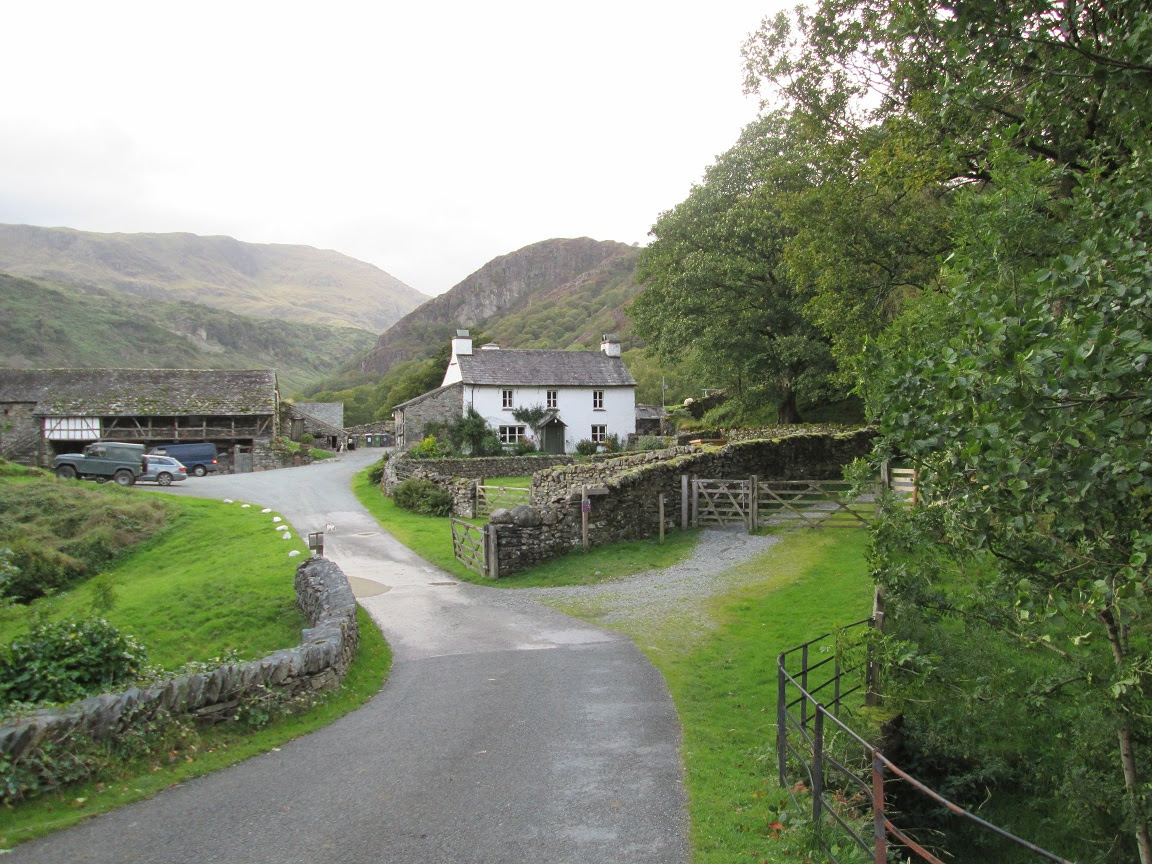
The last author home and surroundings that I visited was Beatrix Potter’s in the Lake District. As many of you know, she donated 14 farms and 4,000 acres to the National Trust. If you’ve seen the excellent movie, “Miss Potter,” you know her story. Below I’m standing in front of Hill Top Farm where she lived. Both her home and the Bronte parsonage were left exactly as when the authors lived there. For other “Miss Potter” fans, the photo at the bottom is the movie set, as they weren’t allowed to film the movie in her real home. No photos were allowed inside, so I bought lots of guide books and post cards!

Not every writer’s dream is receiving a bestseller or mega award. One of mine for years has been to visit England, go back in time to a simpler time for writers, and “live it” for a while. A bonus? On the ninth day, while hiking in the Lake District, a book series idea came to me. It seemed fitting.

Accountability Challenge for October and November

I’ve enjoyed our writing challenges in the past few years, and I’ve decided to do two of them this fall.

The first one runs from October 1 to October 31. The second one is during NaNoWriMo, the frenzied writing month of November. You can sign up (at the end) for either challenge or both. I need the accountability myself, and I found in the past that there’s no better way to stay on track with daily writing than having accountability.

If you have never been part of one of my challenges, I’d recommend that you read several past blog articles to help you decide if this is for you. They are:

Choose Your 30-Day Challenge

Bringing Back the Accountability Challenge

NaNoWriMo Accountability Challenge


For the October Challenge, choose any writing goal or goals you prefer. Reading the articles above will give you some good ideas about the goals you might set. They can be time goals (I will write fifteen minutes every day, I will write first thing in the morning in my journal, I will revise my work-in-progress one hour every day) or production goals (I will write 50 new words every day, I will write a new poem every day). You can choose more than one writing goal, but if you do, I highly recommend that you make the goals almost ridiculously small so they don’t intimidate. You can always write more! Getting into the habit is the main thing, so keep the goals small.


For the NaNoWriMo November Writing Challenge, we’ll do a modified NaNoWriMo. At the official NaNoWriMo site, the challenge is to write 50,000 words during the month. But maybe that goal’s too big for the size of your writing project, your time available, your health, or any other reason. The daily challenge that you decide on for November is up to you. The only requirement for my modified NaNoWriMo is that it be FICTION.

Sign-up is easy! Email me before October 1 at kristi.holl@gmail.com. Tell me these things:

  1. which challenge (or challenges) you want to join
  2. your daily goal for each challenge

That’s it! You have until September 30 to sign up, but I won’t be adding new names to the lists after that. Near the end of September I will send a reminder email to everyone who signs up .

I look forward to us helping each other have a productive writing fall!


Taking a Break

I’m going to practice what I preach for the next couple of months. I talk about self-care for writers all the time. I need to take my own advice. I have trips coming up, big deadlines, and I’m dealing with some unexpected health issues.

So, for the next two months, until October 1, I won’t be posting new articles. I’ll still see you on Facebook, although maybe not as often. When I return, I plan to have lots of good things to share!