From Panic to Focus: Save Your Writing Project

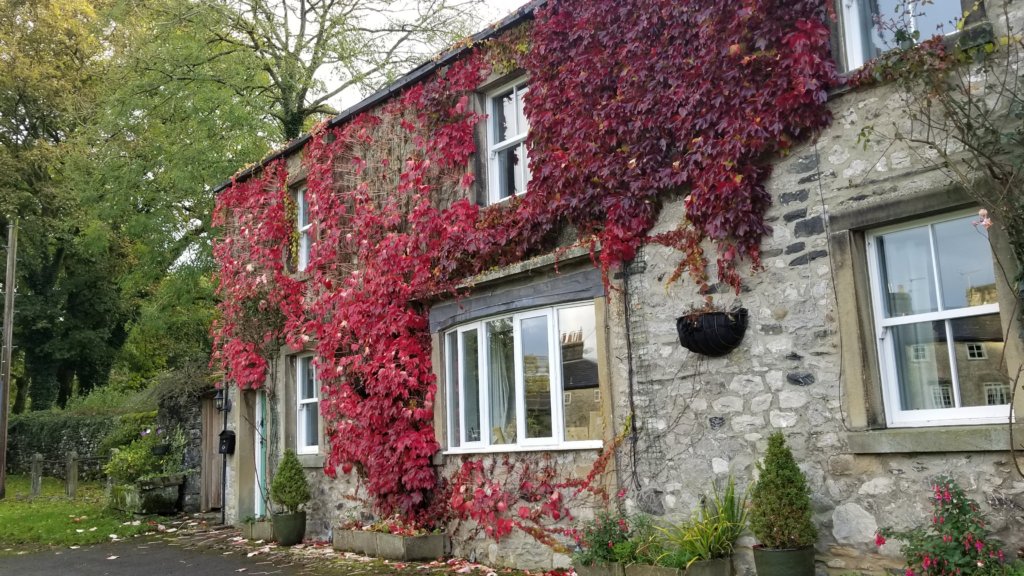
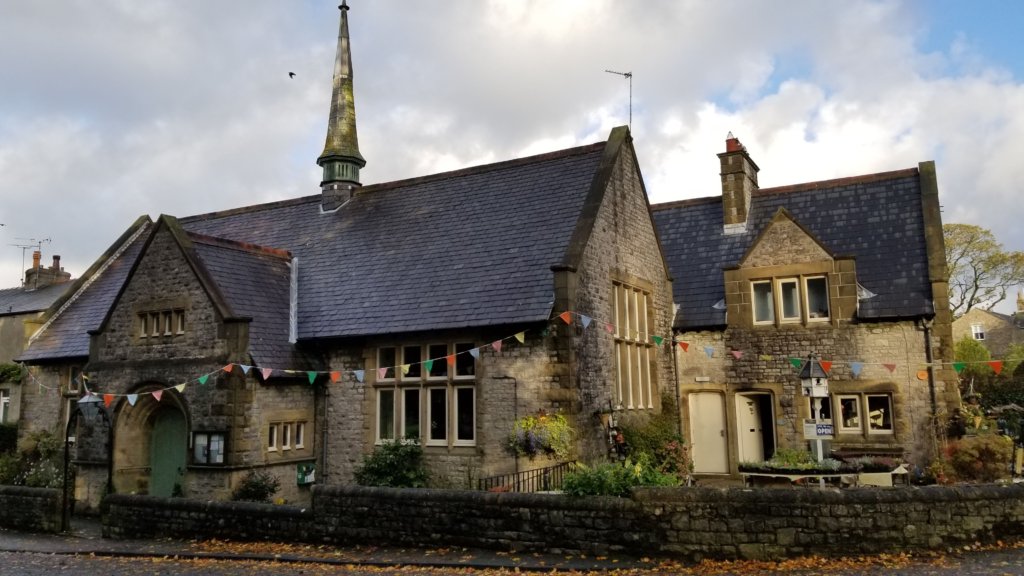
In the fall of 2019 I spent several weeks researching a mystery series set in a small village in the North Yorkshire Dales. The locals who own the shops depend on tourist trade from daily bus tours and mountain bike groups.  In early 2020 villagers sent out a plea for the tourists to please stay home during the coronavirus scare. Students and parents (now working and learning from home) were coming to the villages in droves on their unexpected “vacations.”

They posed a threat to two distinct groups: the high number of older at-risk people living in the villages—and the sheep.

At-Risk Sheep?

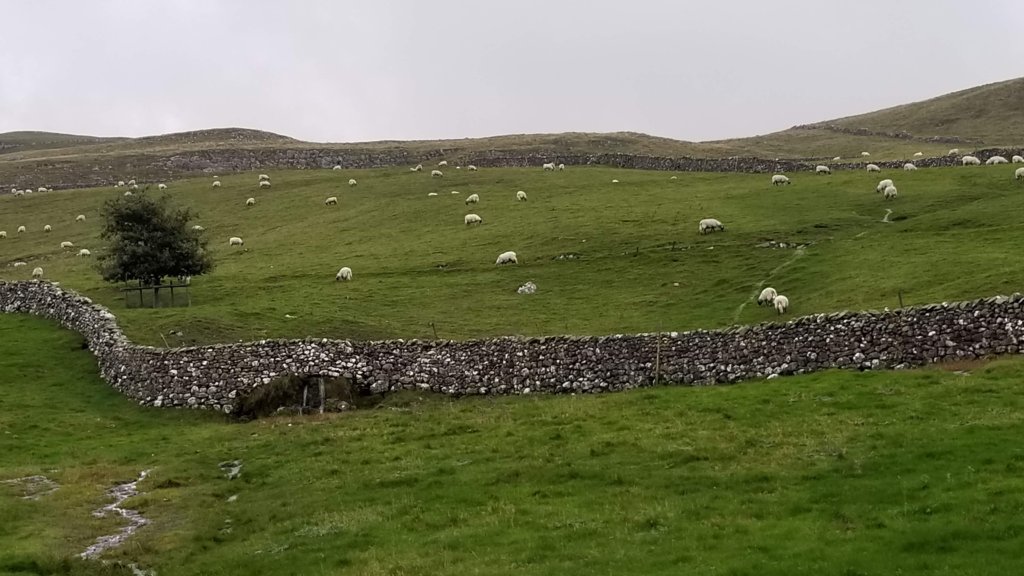
Yes, but it has nothing to do with the virus. It’s lambing time in the Yorkshire Dales. Hiking groups climb up through the pastures. Bikers race down the trails on the other side of the stone fences marking the fields. Their dogs, often loose, bark at the sheep. The sheep startle easily, then panic and run. With pregnant ewes, the mere running can make them abort their lambs.

We writers can also react to fearful circumstances with panic. There are good reasons the Bible compares us to sheep needing a shepherd. We don’t lose lambs if we panic, but before our writing dreams come to fruition, we can lose the work we are carrying that God gave us to do.

Between a Rock and a Hard Place

Being terribly unsettled by COVID-19 is totally normal. Our families, regardless of age or situation, have faced huge changes these past weeks. As time passes, and people we know come down with the virus, the temptation to panic grows. Panic allowed to settle in (fed by constant exposure to the media) can derail our writing schedules for months.

Panic is nothing new for followers of God. Imagine the Israelites as they faced the Red Sea before them and the chariots pursuing from behind. The people cried out in terror at what was about to overtake them. And what was Moses’ response to them? “‘Don’t be afraid. Stand firm and watch God do his work of salvation for you today. . . God will fight the battle for you. And you? You keep your mouths shut!’” (Exodus 14:13-14 MSG)

In other words, when faced with impending doom and disaster, you should:

  • Fear not,
  • stand firm,
  • watch God work,
  • and stop spreading panic with your words.

Still great advice today.

Human Sheep at Risk Today

Most people in the world feel a similar panic at the virus situation. Specifically, for writers, book deadlines are right in front of us, but the coronavirus bears down from behind like those Egyptian chariots. How can we possibly write? Moses’ words are as applicable to us as they were to the panicked Israelites.

Remember that the Lord is still our Good Shepherd. We are still His sheep. We hear His voice. He knows us. We can still follow Him. We are trying to birth our stories during this time, but if we panic instead of trusting God, we are likely to abort the work He has given us to do.

Stay close to the shepherd. Do your part to keep yourself and others safe. Encourage one another instead of using your words to spread panic. Be calm and peaceful, and ready to account to non-believers for the hope that is within you. (1 Peter 3:15) Then, even in these times, you will be able to give “birth” to your writing projects.

We’re All in This Together
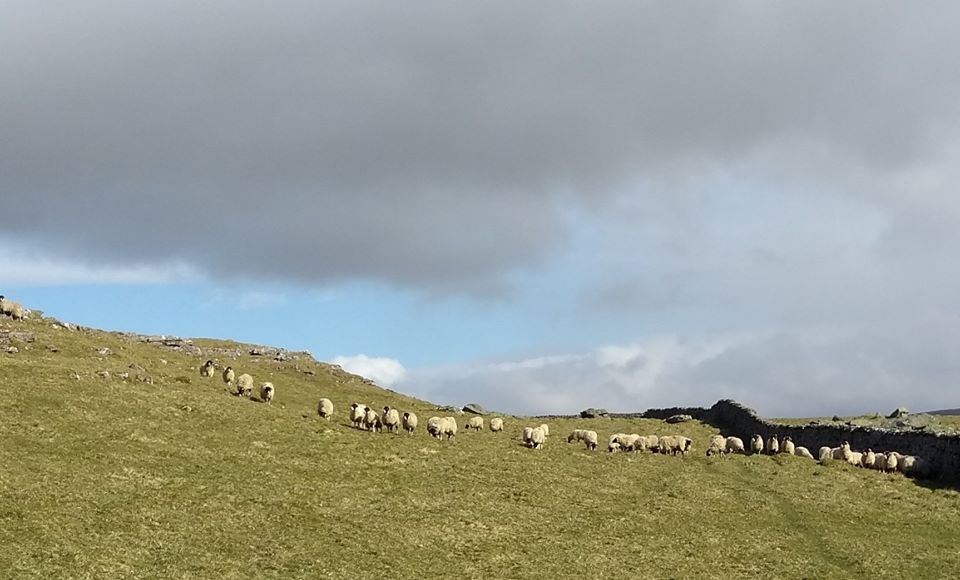
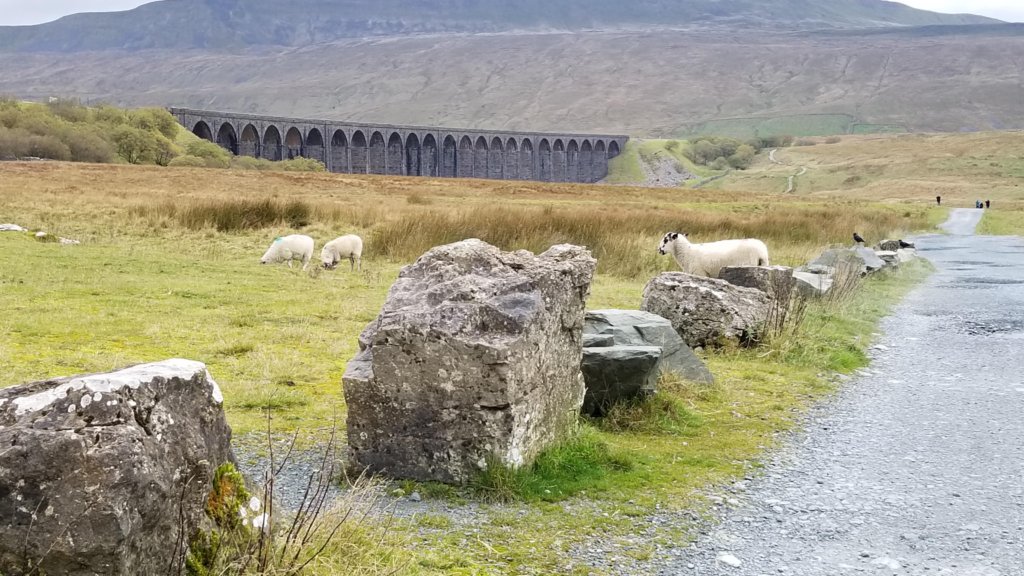
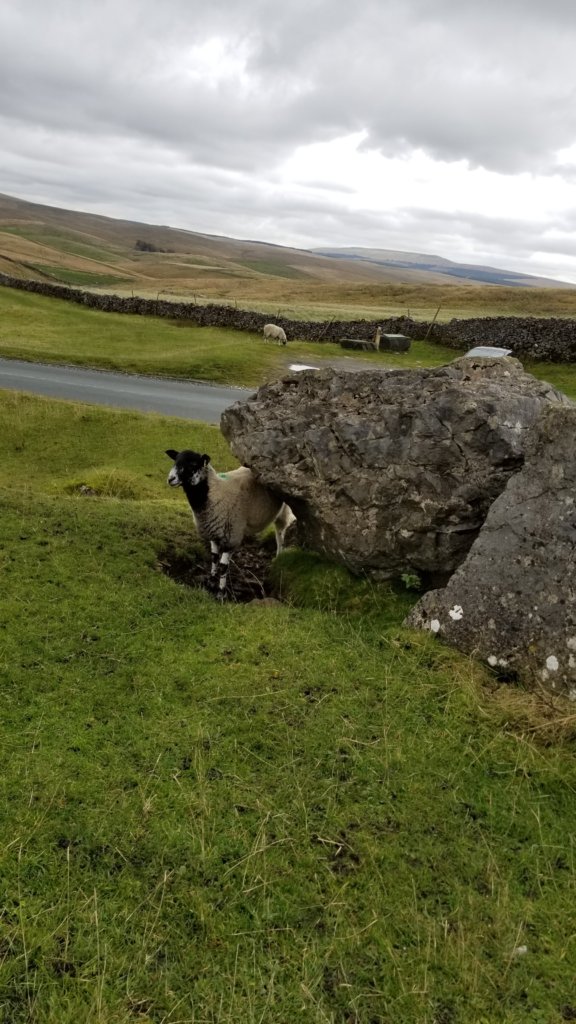
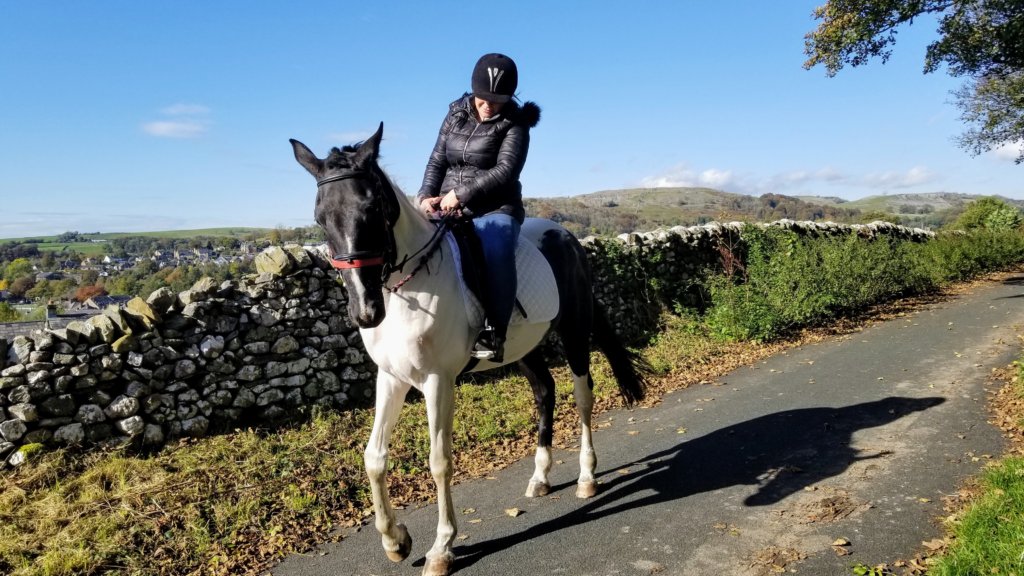
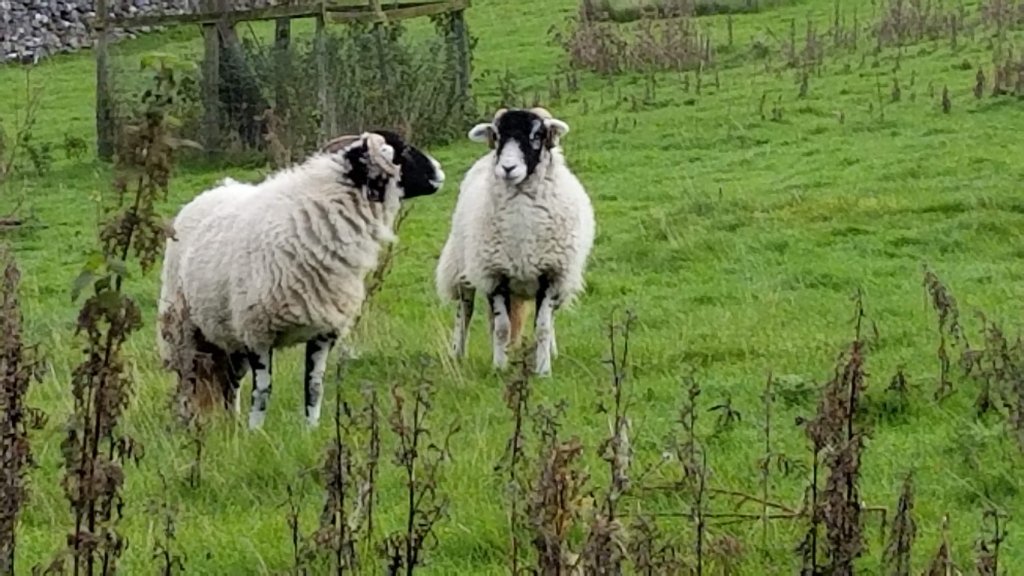
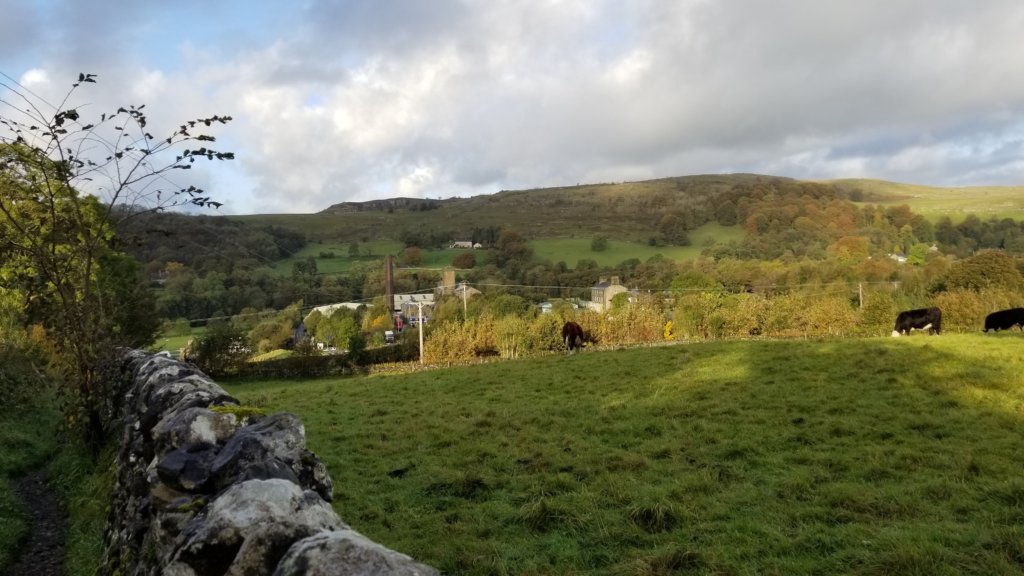
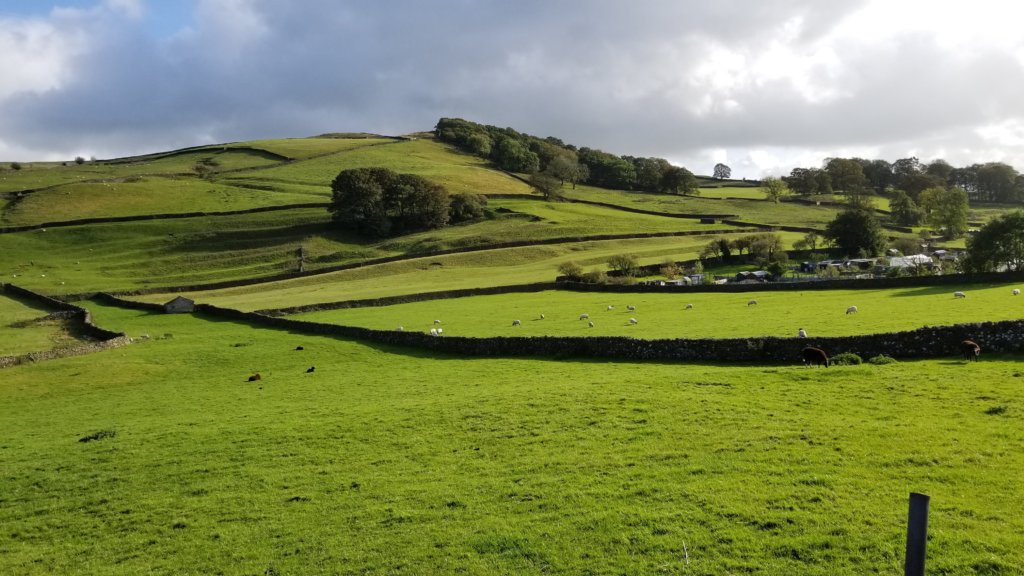
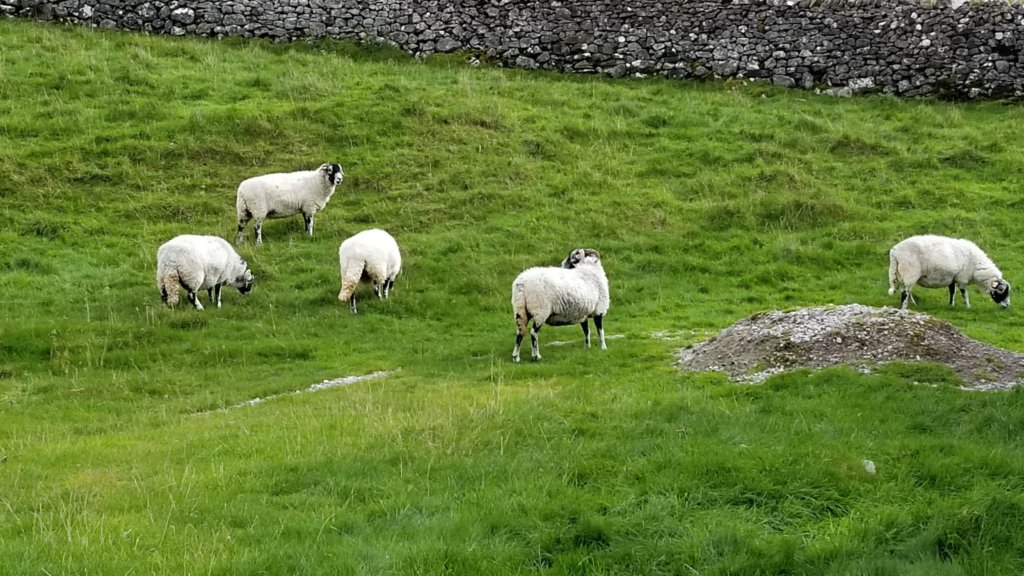
My mystery writer friend runs daily in the Yorkshire Dales, and she took this photo on the top of the fells. There were few tourists hiking or biking, and she was encouraged by the cooperation with the villagers.

Even the sheep practiced social distancing!

[First published on the ACFW American Christian Fiction Writers blog.]

Follow-up trips to the UK have been cancelled (twice), but God willing, I will return there near the end of September.
Begin as You Mean to Go On

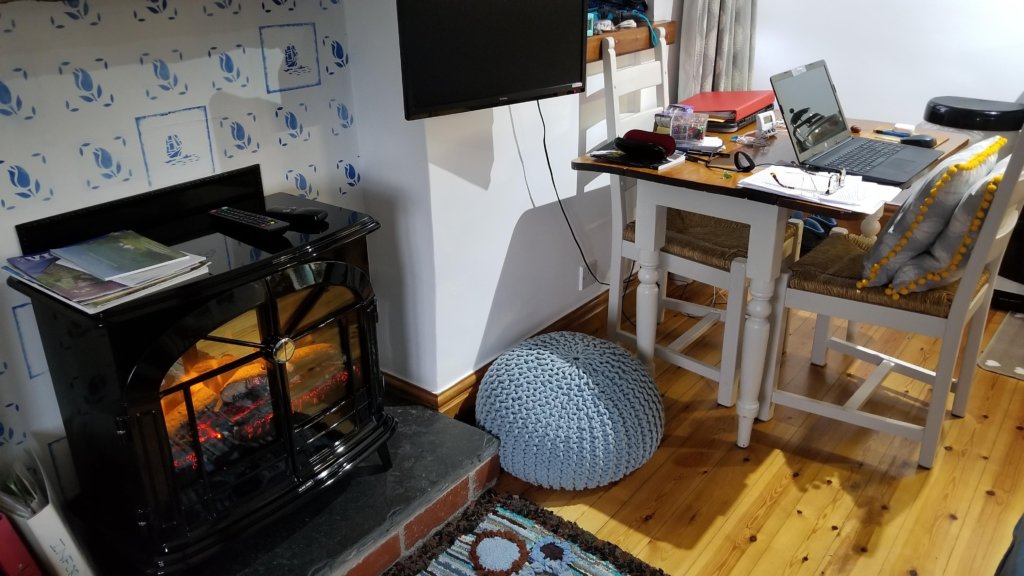
I’ve been home from my England research trip for six weeks now. My cottage writing table next to my fireplace is such a fond memory!
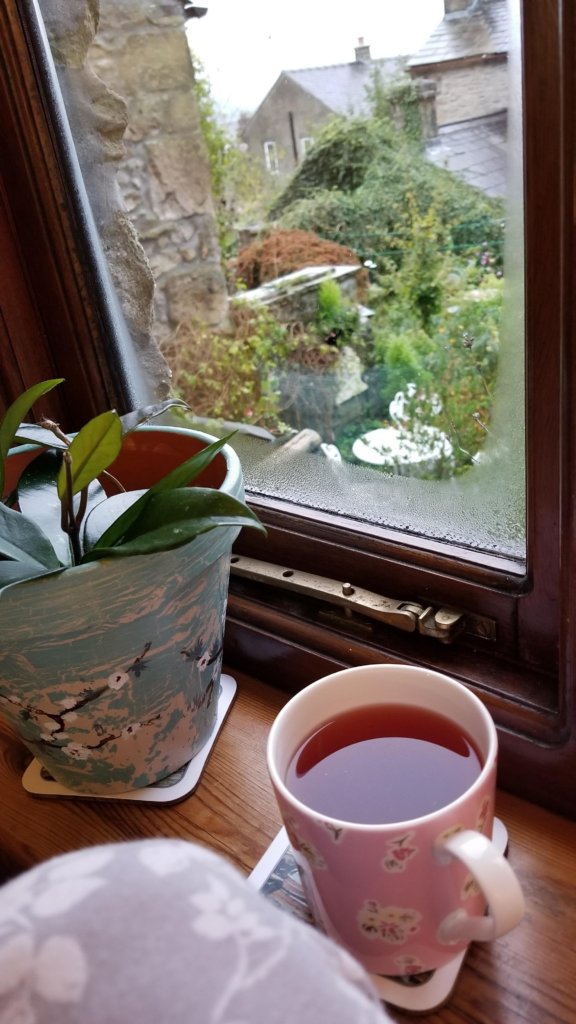
I was determined to carry on with my good writing and health habits as soon as I got home. I had felt so well in England, while also accomplishing so much writing, and it was important to me to carry those lessons home.

Since being home, I had some wonderful wins, and a few spectacular fails. As is usual in real life, the fails taught me more than the wins. It didn’t teach me that I couldn’t replicate my time overseas–far from it–but it sure revealed where my structure was the weakest.

Begin as You Mean to Go On

I was determined to do four things when I got home that I had decided were my biggest “wins” while in England. [See my ten blog posts with photos from October beginning with this one.]

  1. I would get up very early every day, by 5:00 a.m. I would start my day with my tea and quiet time.
  2. I would begin writing by 6:00, before talking to anyone. (I have it easier than many people here. My husband works nights, so he is asleep until 9:00 or so.) But I used to get that early when my children were young too.
  3. I would exercise throughout the morning, either with short walking breaks or five-minute weights routines or stretches. [I need it for my back and posture, but at the end of the working day, I just don’t want to do it.]
  4. I would go to bed early so I got a good night’s sleep before getting up at 5:00. I would get off ALL screens (including phone) after 8:00.

It was fairly easy to get up at 5 and begin writing by 6 for the first week. But it got harder and harder, which first surprised me. I had had no trouble for three weeks in England getting up that early without an alarm clock.

What Went Wrong? A Vicious Cycle

So I looked at calendar and my list of meetings and doctors’ appointments, and that was a big part of the problem. I had meetings and appointments several days in a row that took my prime writing time, and so I struggled to write in the afternoon which bled over into the evening because days are full of distractions and interruptions. I found very early that one hour of writing in the morning before talking to anyone was worth at least three hours of writing time later in the day. And because I am slow during the afternoons, it ran over into the evening. So, then I ate late, got to bed too late, and couldn’t get up at 5:00 a.m. anymore.

But what to do?!?! The doctors’ appointments were the important kind where they are booked up months in advance, and if you don’t take the available choices the receptionist gives you, you have to wait several more months. And I’m not in charge of the volunteer group I work with the most, so I’m not in charge of calling the times for the work days. (Our leader always wants them first thing in the morning.) So I fumed through a couple of those days as I wasted my best writing hours doing non-brain chores instead.

An Experiment With Boundaries (Done Pleasantly)

So I tried an experiment, just to see if I had more choices than I thought. After the lung scan I had, the receptionist needed to set up an appointment for me to see the results. Of course, her choice was at 9 a.m. When I asked for a later time, she said her next available choice was in February, three months away. (I was always an “automatic yes” before when faced with this kind of choice.) This time, though, I said that the February date was fine as I didn’t particularly care when I got the results. She said nothing, then went back to her computer and offered me a choice in two weeks for 3 p.m. Aha! (I have done this twice now with the same results.)

Boundaries With Helping Others

The first week I was home, I fulfilled both of my agreed volunteer times, but during all the sorting, packing, etc. I did for two mornings, I was thinking! I love this volunteer project, but I could do most of the work even brain dead. So when the leader called for the next morning meeting, I said mornings no longer worked for me. I offered to take the boxes of stuff home to sort in the evenings, or I offered to come to the work room at 3 and work for several hours. She said no. I said (pleasantly) that I understood her position, but I would need to resign and find another organization that fit my work hours better. Very short pause before she changed her mind and said I could take the work home, then bring it back some afternoon. Bingo again!

Home Health Habits

One more failure and fix: I also stopped exercising when I got home, resulting in some terrific backaches from sitting too long. Admittedly, the English countryside and Victorian buildings were such a wonderful enticement to get out frequently and walk. And coming home to Texas temperatures and cactus countryside wasn’t that appealing.

But I hunted for another system that would work for me and discovered a new book called Elastic Habits, which I will definitely blog about soon. The system outlined has worked for me to get back to the intermittent exercise I found so helpful when away. So, bit by bit, I am re-creating my English cottage experience in my Texas office (which looks like England now actually, with all my souvenirs and photos.)

Bring Home Your Retreat

Way too often, we give up on our writing retreat experience, whether one that lasts a weekend or two weeks. But with enough determination to FIND A WAY to replicate it, you can in so many ways. Find out what works best for YOU as a writer. Your body rhythms may recoil at the idea of working so early. That’s fine. This is just what I found worked really well when I had the freedom to choose my own eating/sleeping/writing/exercising schedule. Yours will undoubtedly be different.

But do your best to find and implement it. Don’t assume, like I always have, that you have few or no choices. Give your writing more importance in your schedule, and you’ll reap so many rewards, including loving your writing process again.

Put Out to Pasture—Or Not?

(Published on the ACFW blog page October 31, 2019)

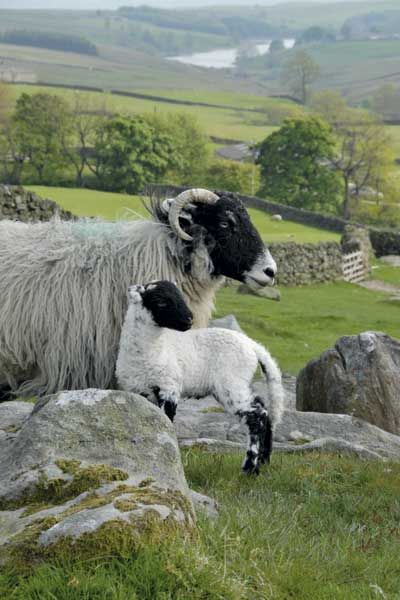
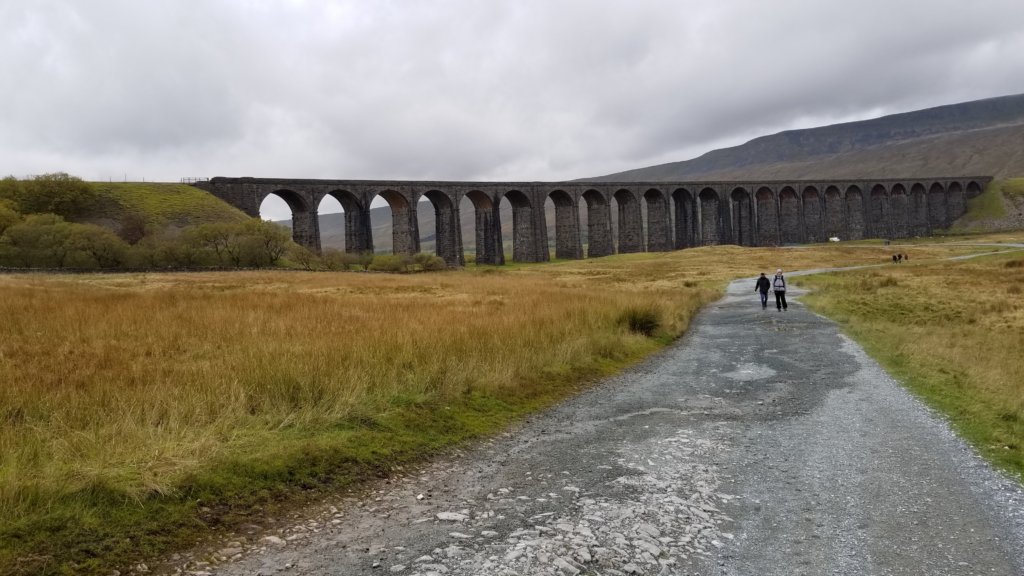
I just returned from a research trip in the Yorkshire Dales in northern England, the setting of my historical work-in-progress. It was my second time to stay in this small village, whose buildings date back to the 1600’s. I wrote, I visited museums, and I hiked the hills two or three times each day. I will never get tired of the beauty of this area. Both years I especially loved the sheep. Fluffy white ewes dotted the high green fells and stared at me from beyond dry stone walls.
And, oddly enough, God spoke to me through those sheep. (Or maybe not so odd. The Lord spoke to Balaam through a donkey.)

A New Season of Life

Since passing 65, I’ve had several inquiries about when I might retire. I had never considered it until I dealt with a number of health issues, among them breaking my left wrist in four places and after that, my right hand. There was plenty of time to think about it while in casts, doing rehab, and learning to type again. I was afraid God might be telling me to stop pressuring myself over deadlines and retire. Oh, how I hoped that that was not what God was trying to tell me. (See also “Does Age Matter for Writers?” by Rachelle Gardner)

If you’ve ever wondered if you’re getting too old for the writing game, I want to share a lesson I learned from a shepherd last year.

Past Her Prime

A ewe can have two lambs per year (because of five-month pregnancies). Since there are many occasions of twins, a healthy ewe may produce more than two lambs per year. After four or five years, these mama ewes are worn out. Most of the older ewes simply can’t carry a lamb full-term anymore, or their lambs are no longer born healthy. So what happens to a ewe when she can no longer fulfill her purpose?

It all depends on the quality of what she’s produced up to that time. If this ewe has produced many lambs that are very healthy and strong, it means she has good genes. She is singled out for special treatment. Rather than killing her for mutton and lanolin, she is given a season of extra nutritious food and extra rest. This is to restore her to vibrant health after being depleted by giving birth to all those lambs. The ewe could then live and reproduce another five years, and sometimes much more.

Do you identify with these older, tired ewes? I did. We can feel depleted after giving birth to one novel after another, year after year, and need some definite renewal. Instead of retiring, I sensed that I also needed a super healthy diet and a more restful (and less stressful) season. The Lord showed me (step by step) how to do both, which eventually restored my energy to a level that a working writer needs.

The Lord is My Shepherd

Seeing how the older ewes were restored to full function wasn’t as dramatic as Moses’ burning bush, but it spoke volumes to me. Instead of taking my health scares as signs that I should retire, I sensed strongly that I also needed to submit to two things. I must upgrade my nutritional choices and deal with my lack of sleep, if I wanted to keep writing as the years go by.

Are you a writer who secretly wonders if you can keep going, even though you are at the peak of your writing craft? If so, pray about it before you quit writing. You may well be one of the Lord’s worn-out sheep whom He wants to restore, so you can continue to do the work He created for you to do.

ENGLAND RESEARCH TRIP: Oct. 22

England, Oct. 22: Was 43 degrees today with a wind chill of -70 (just kidding, but it felt like it!) Luckily, for my outdoor research trip today, I had my long johns, heavy boots, sweaters, mittens and parka.
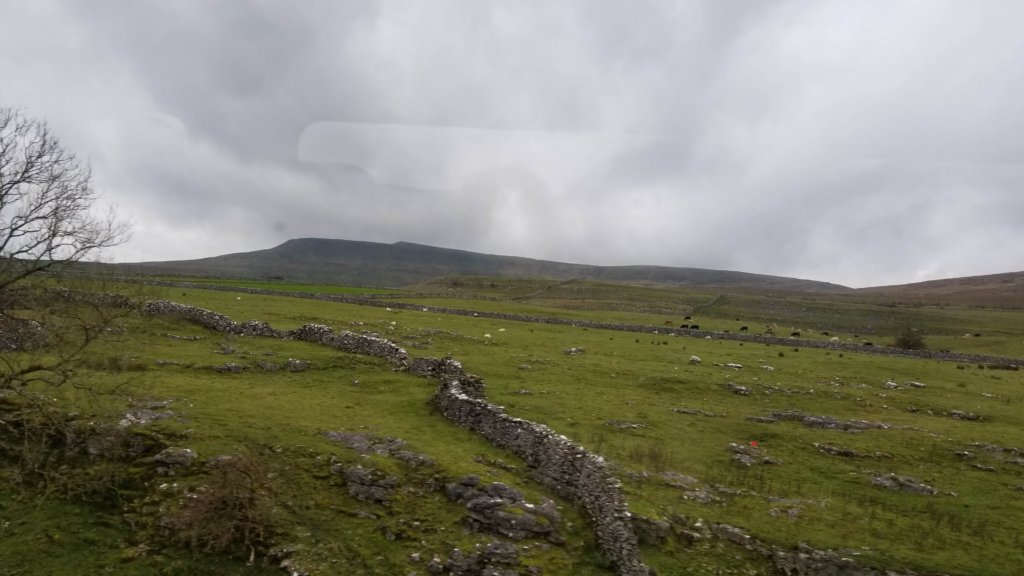
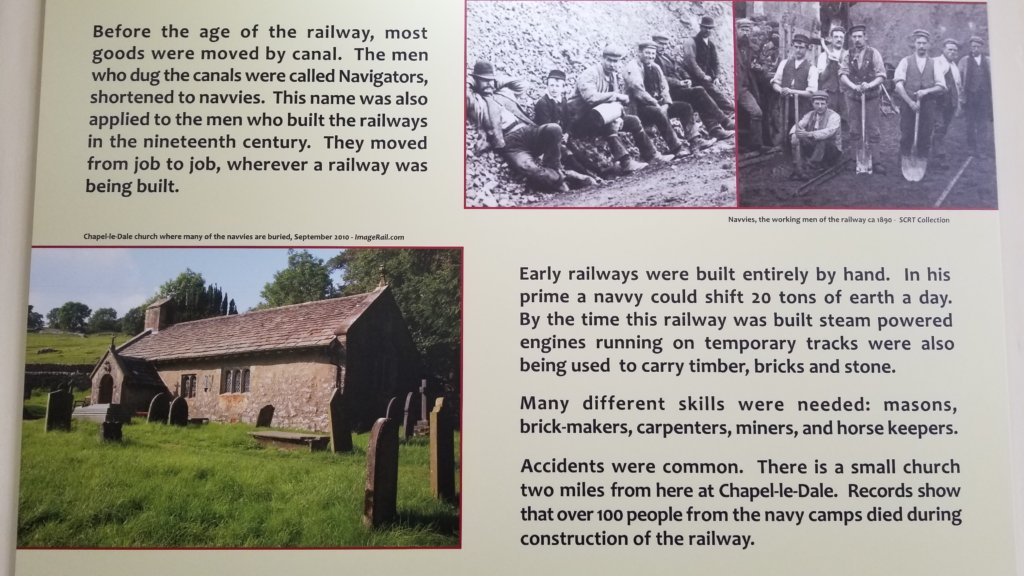
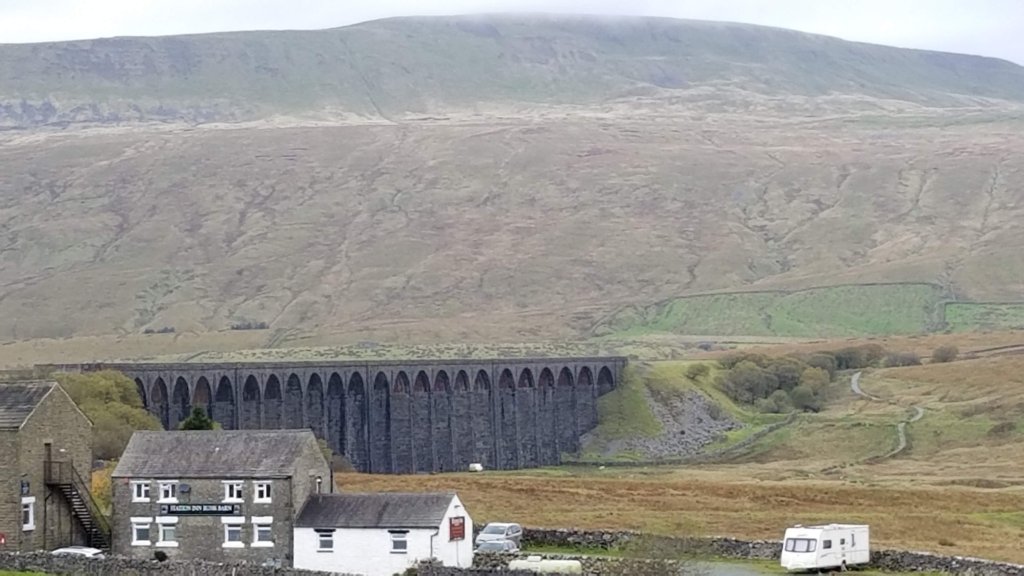
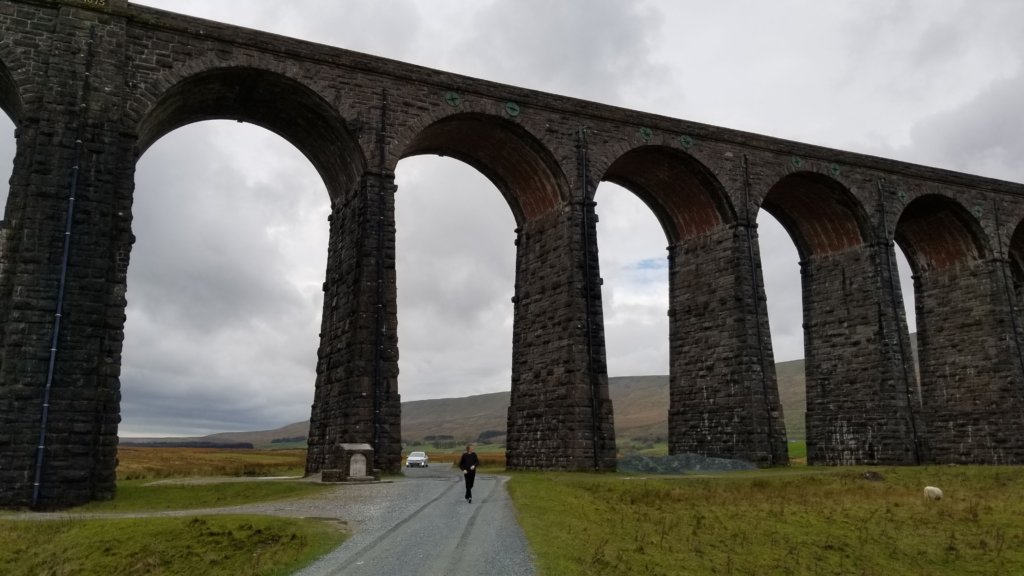
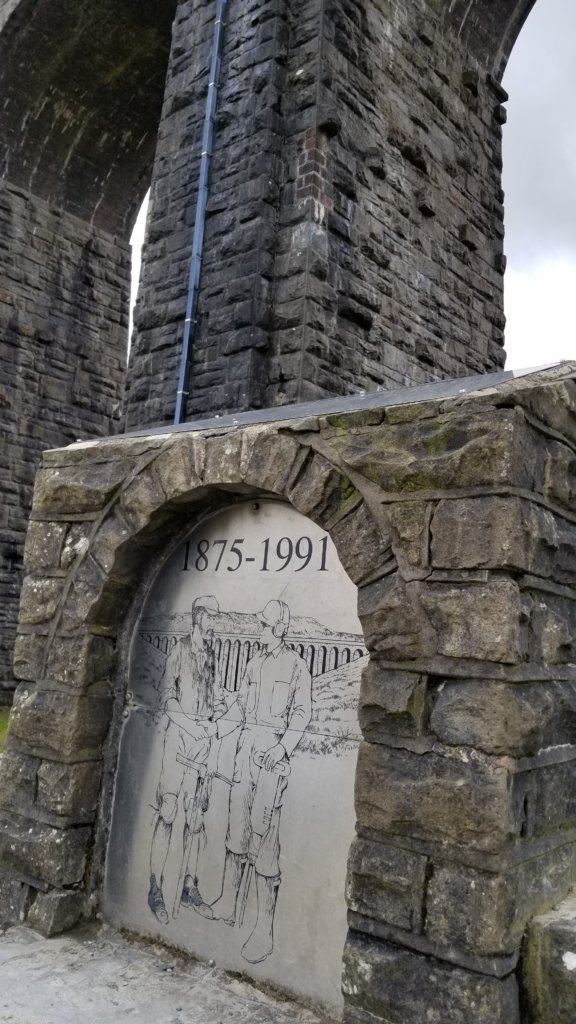
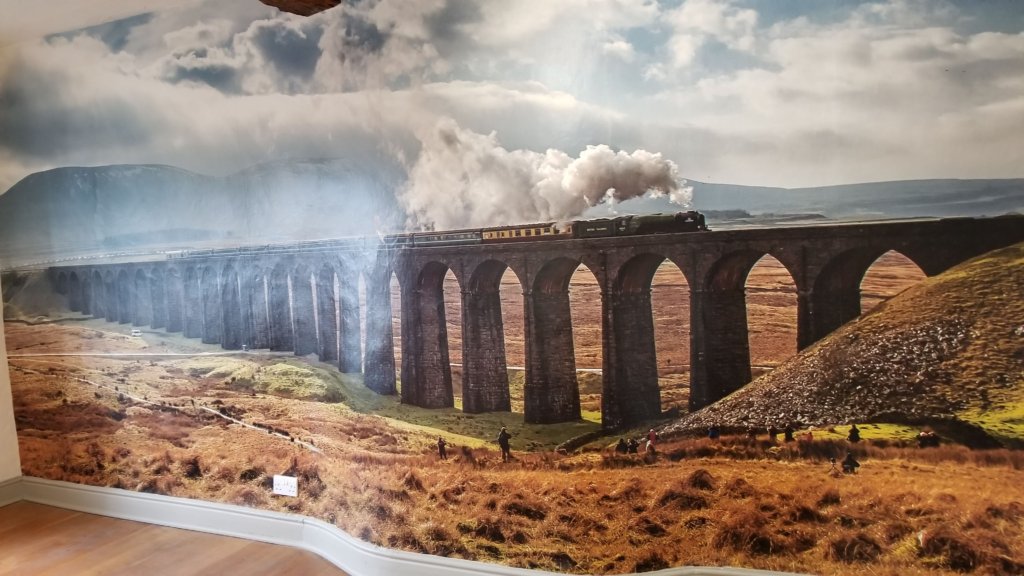
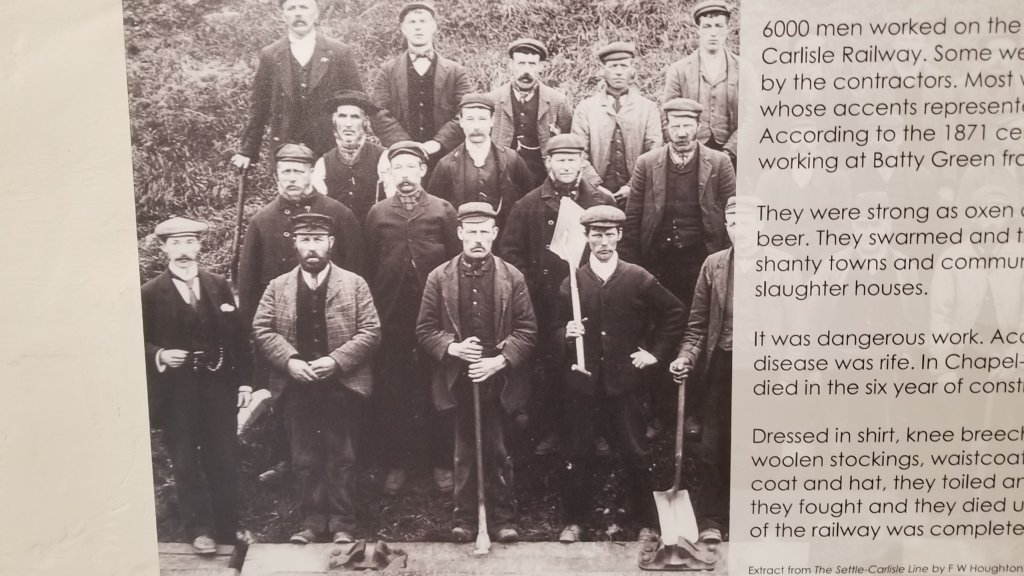
I took the train to the Ribblehead Viaduct about five miles away to study where the navvies had lived in five shanty towns for six years. They built the 24-arch viaduct in the 1870s so the trains could eventually reach Settle and beyond. The history is fascinating! (If the video loads, it’s from my train ride to the viaduct.) The photos are in order as I walked to the viaduct. Lots of sheep loose…even the sheep were trying to get out of the wind.


ENGLAND RESEARCH TRIP: Oct. 21

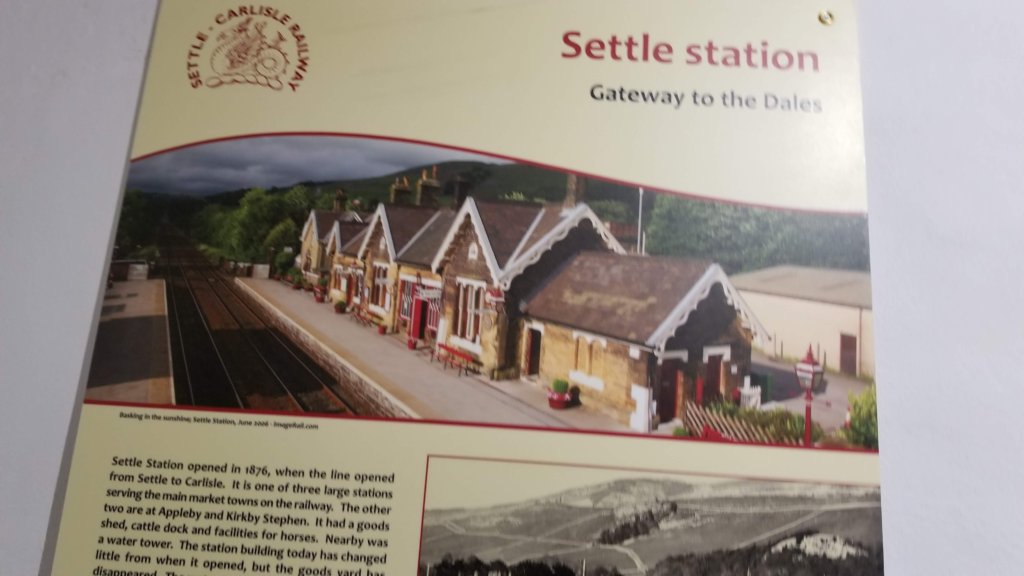
England, Oct. 21: My last week in Settle already! It has gone so very fast! Learned so much about the railroad today from the man running the shop in the station.(And bought more books to mail home.)
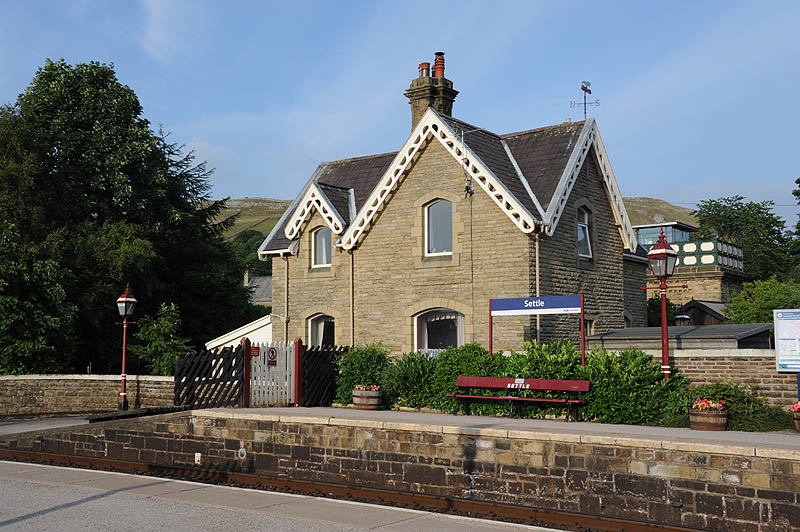
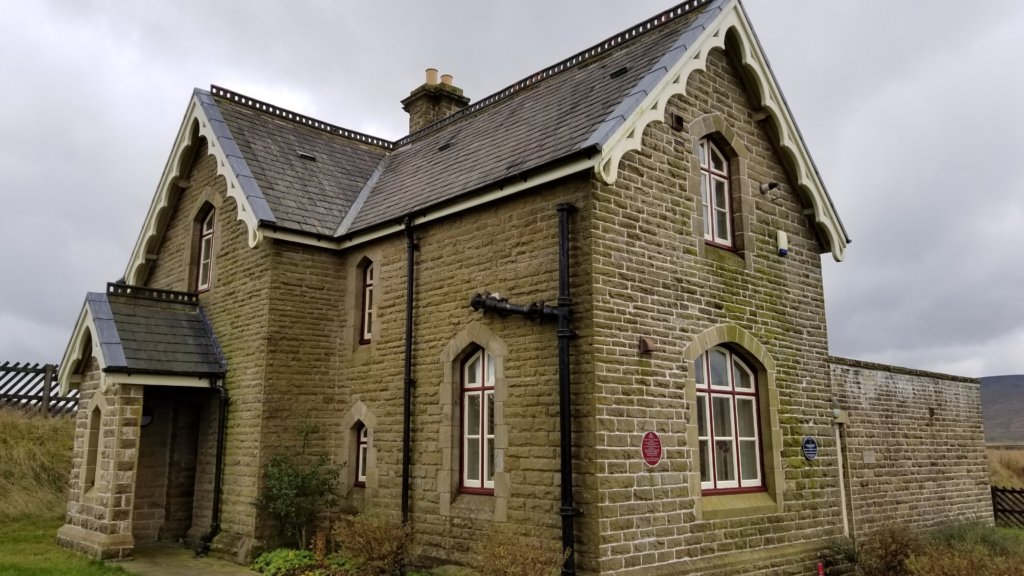
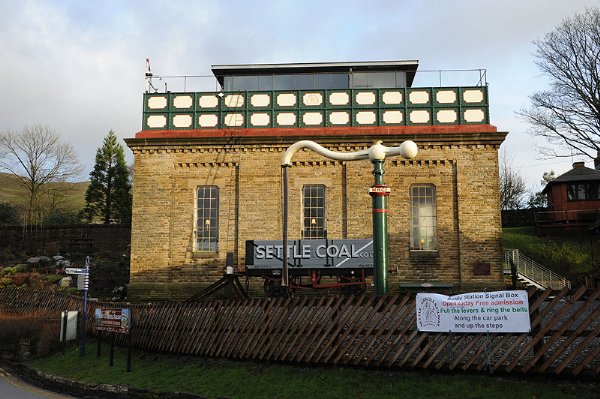
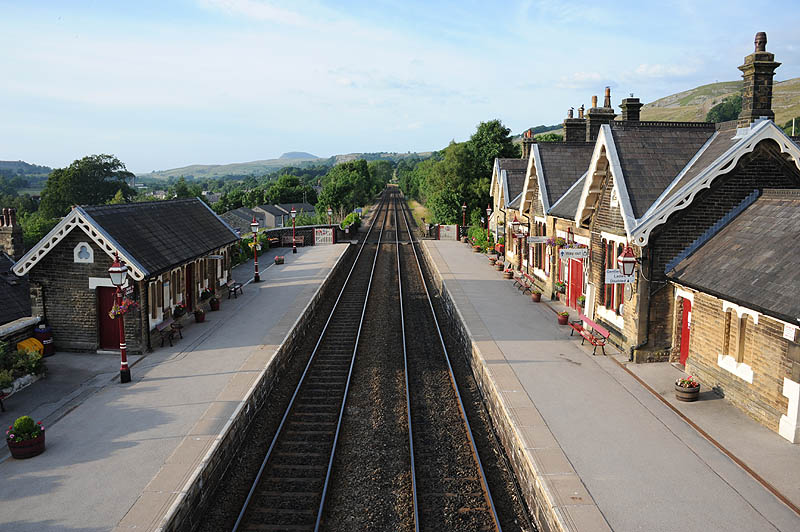
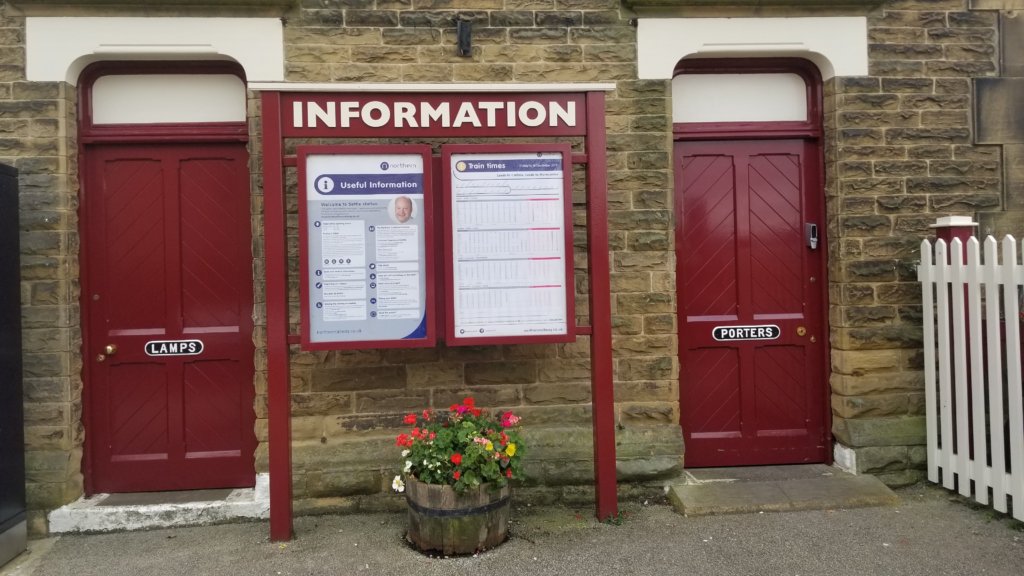
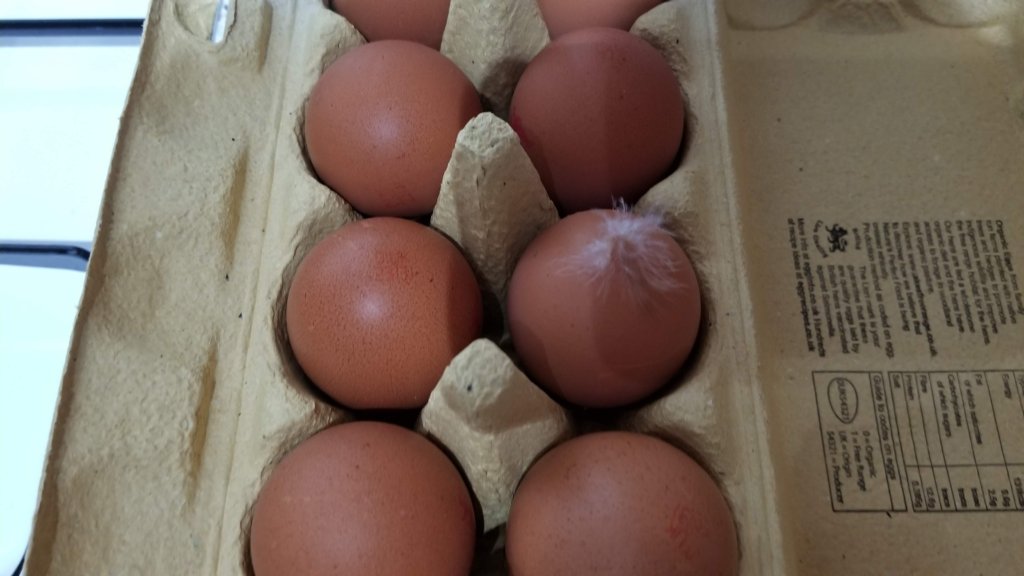
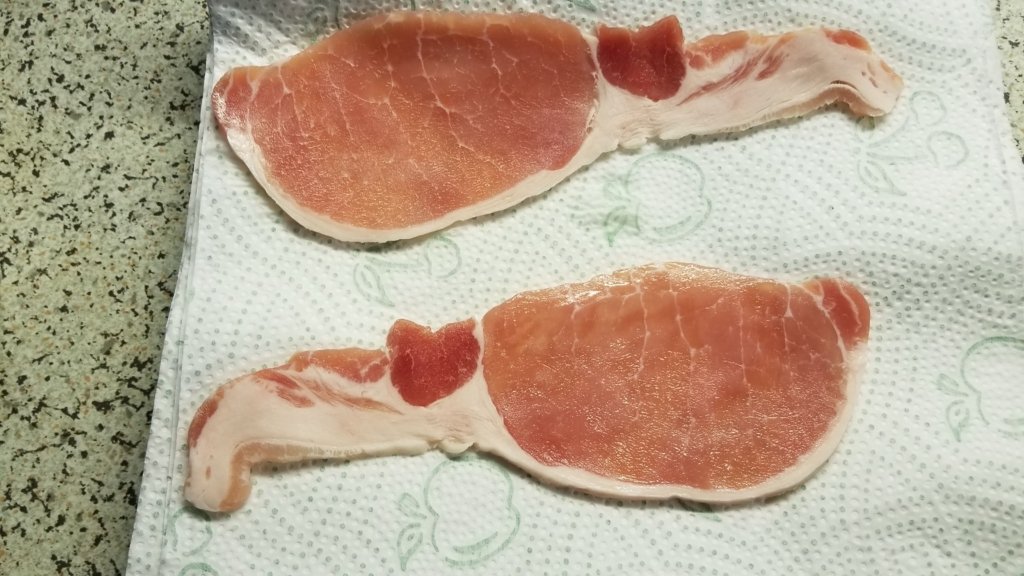
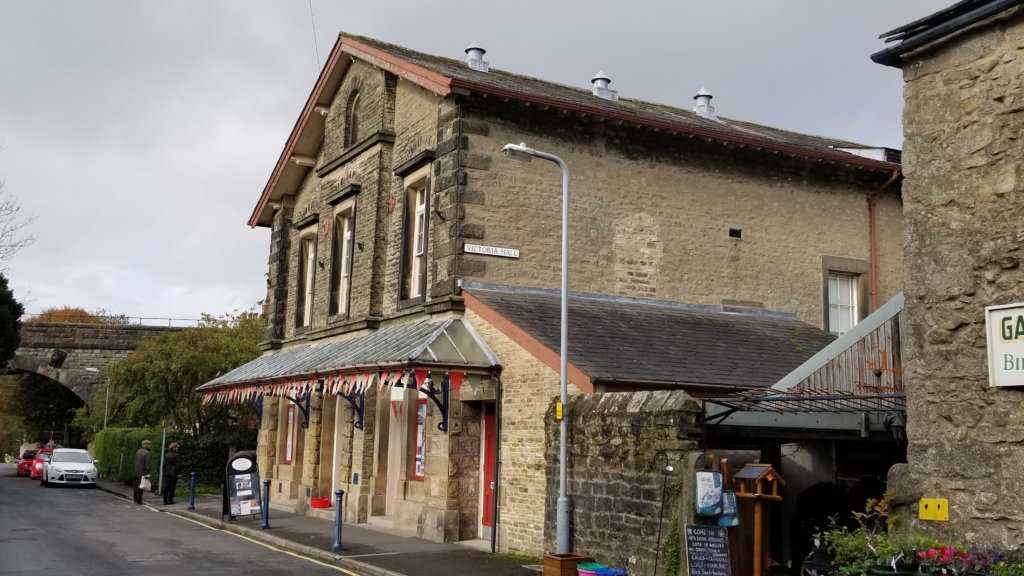
Photos include the train station, the station master’s house beside it, the old coal house, and the old signal box. Also photos of my favorite breakfast (farm fresh eggs–complete with little feathers–and funny-looking bacon called “rashers,” which tastes great.)


ENGLAND RESEARCH TRIP: Oct. 15-17

England, Oct. 15-17: Very little rain, down to 39 degrees last night, but sunny. Perfect for hiking, riding, running…very active village!
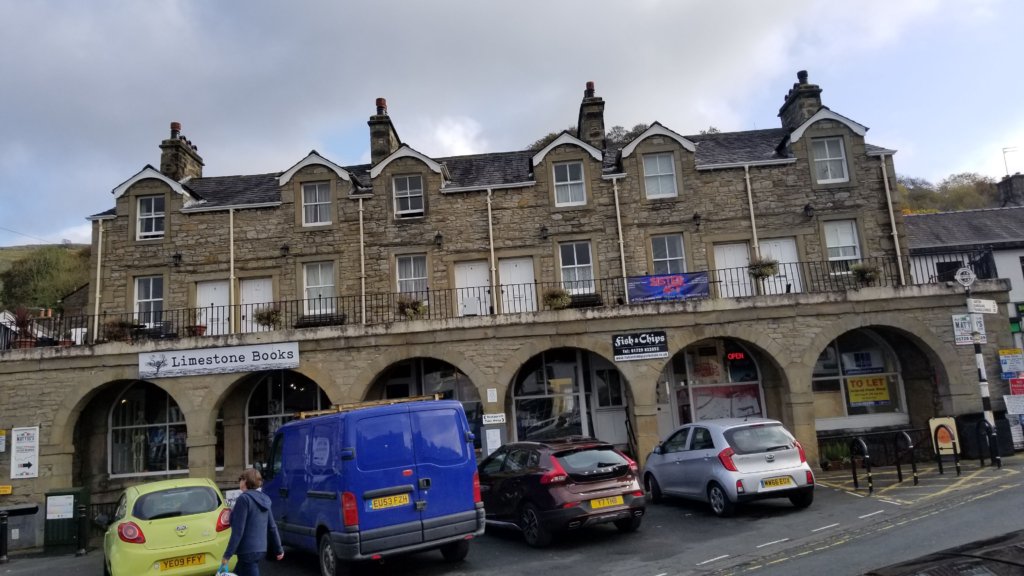
So many social events available…there’s a 59-page booklet of activities just for October! They have clubs and groups for every possible interest. The Victorian Hall, a music hall from 1853 that has never been closed–tonight has a performance of three Charles Dickens ghost stories.

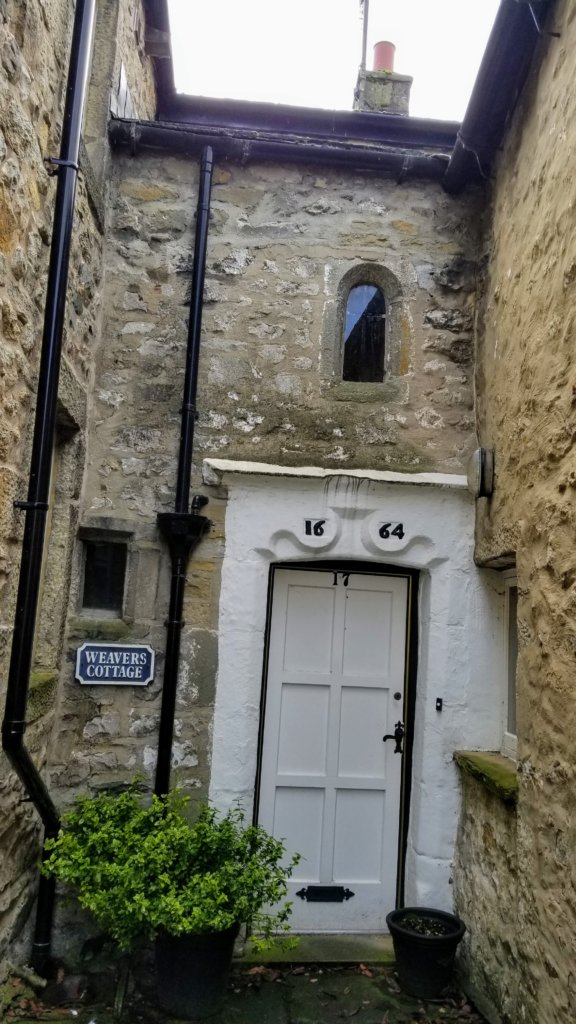
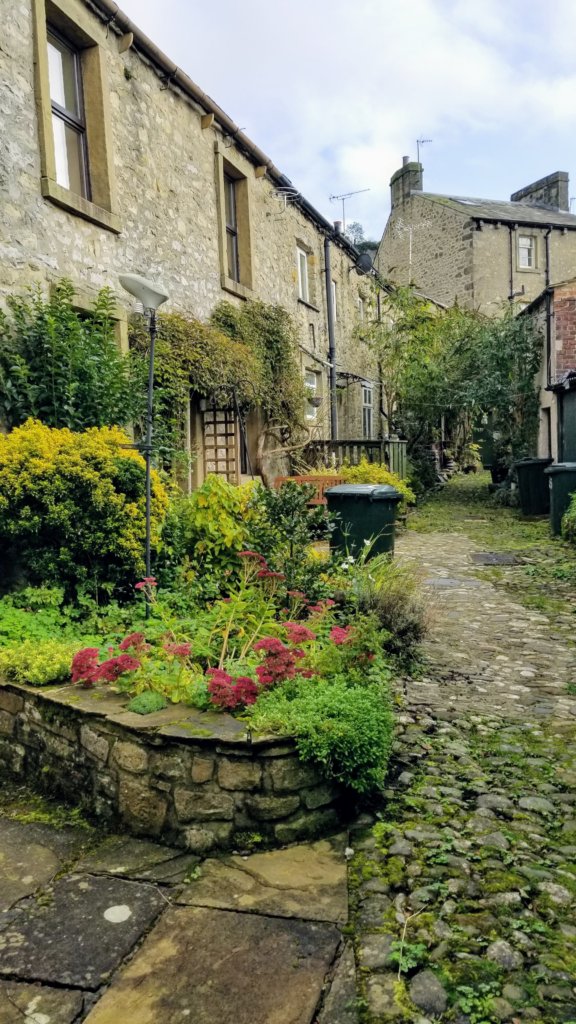
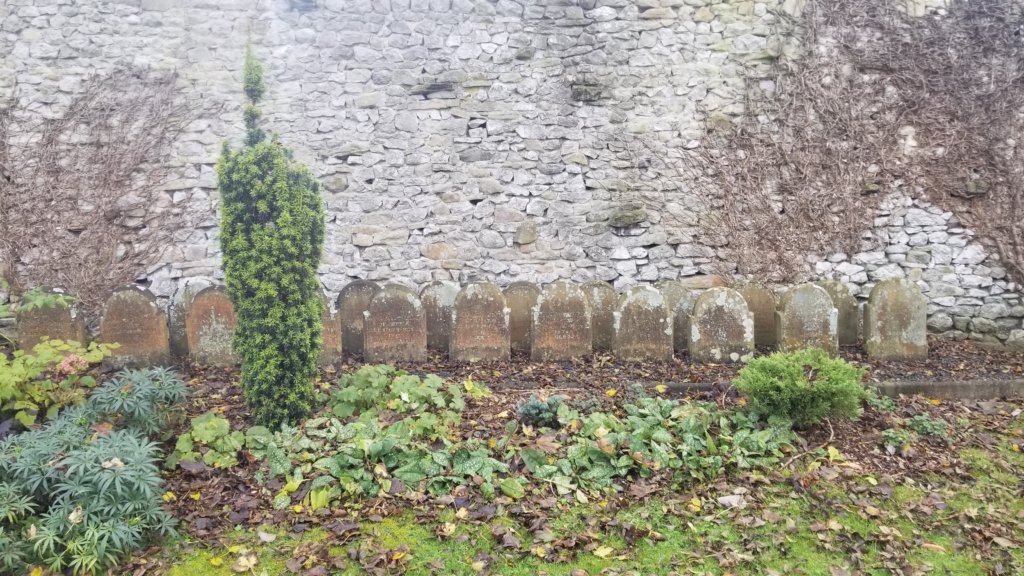
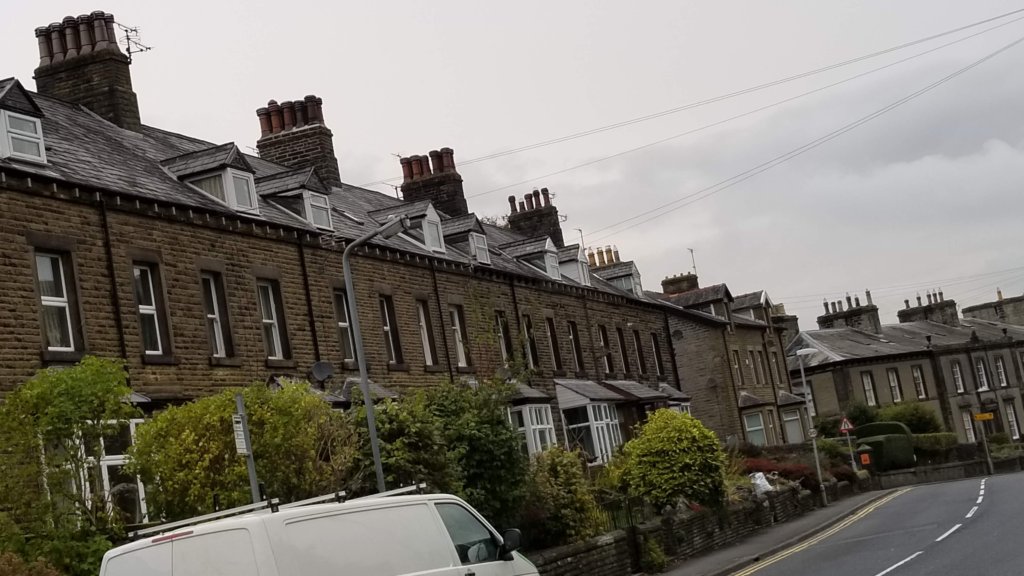
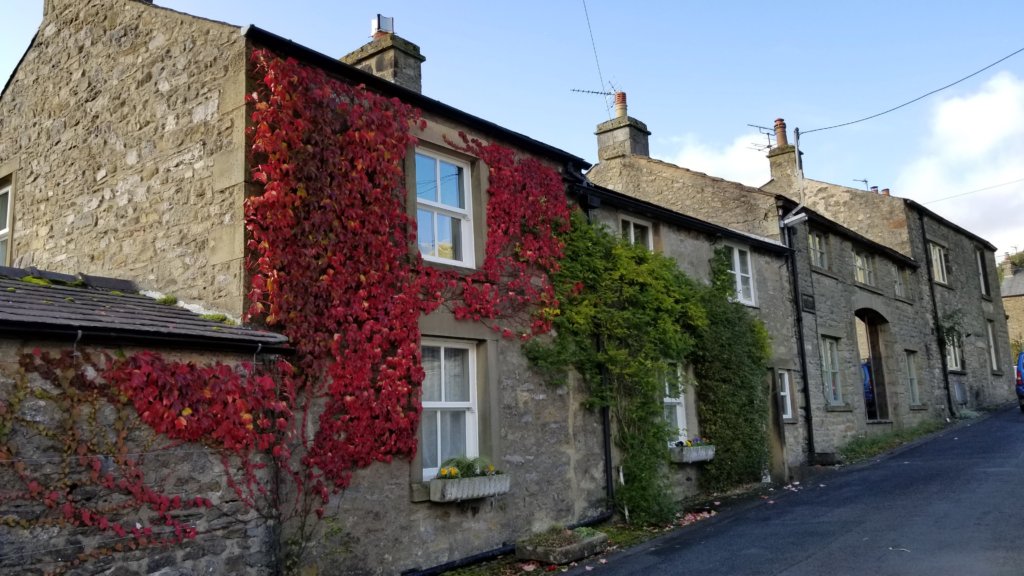
I also did some research involving fascinating homes and stage coach inns from the 1600s to the early 1800s, including a Quaker graveyard. The photos don’t do the buildings justice–each one is so unique.

ENGLAND RESEARCH TRIP: October 13-14

England, Oct. 13-14:

Two more beautiful days in the Dales!

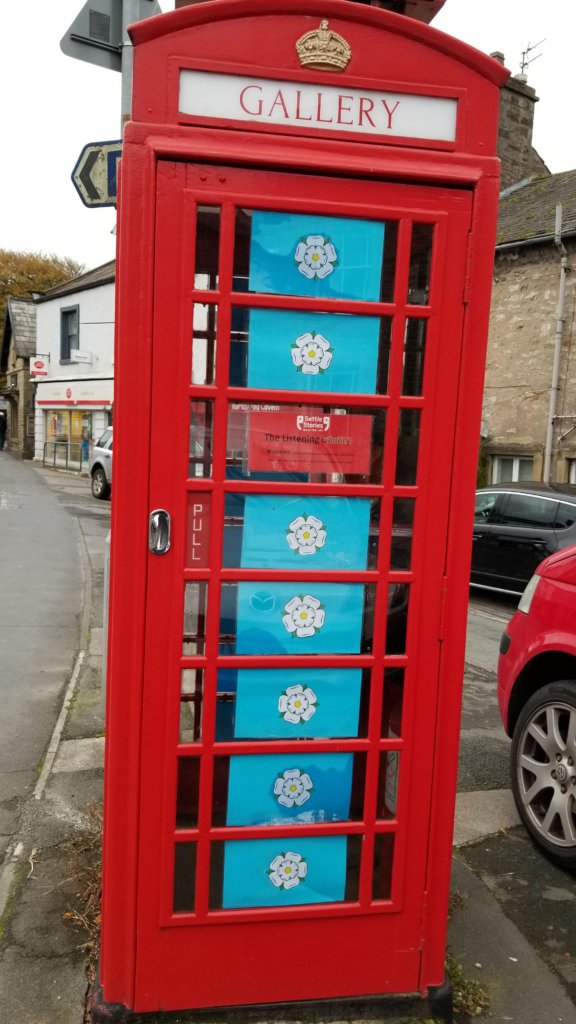
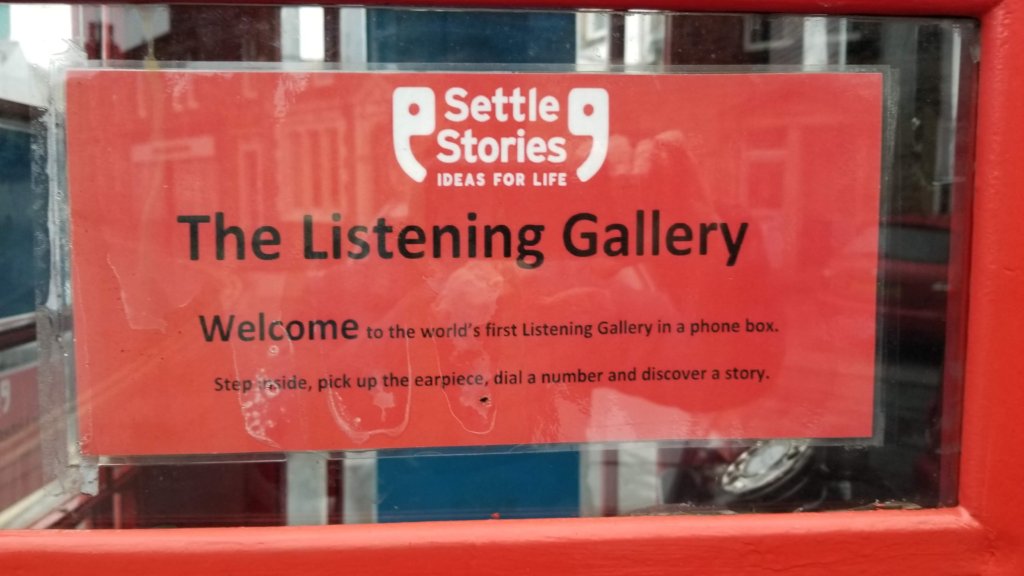
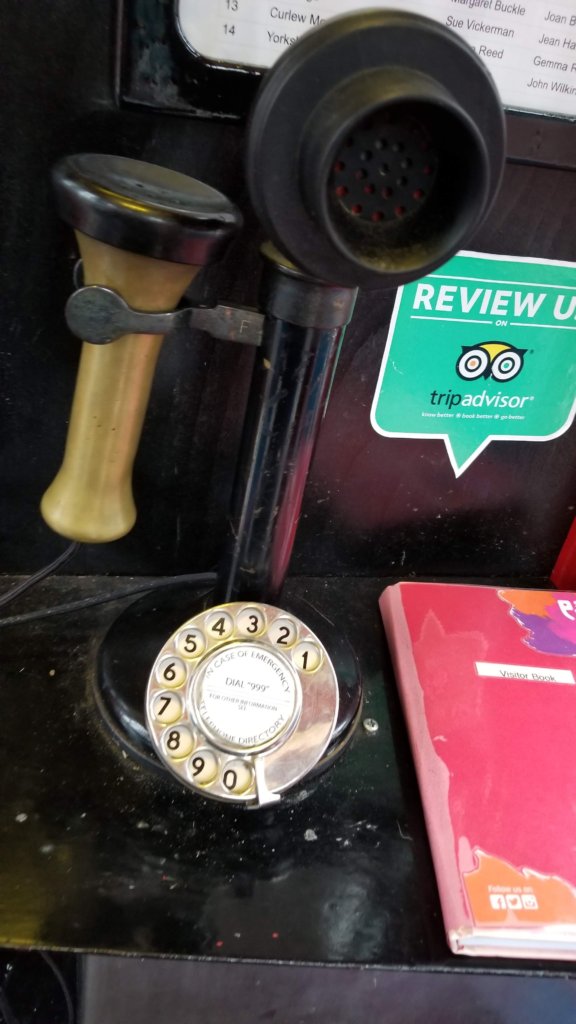
Lots of writing, lots of hiking, lots of neat little discoveries: another telephone booth turned into a gallery (this time a listening gallery of recorded poems by local poets that you can “dial up”).

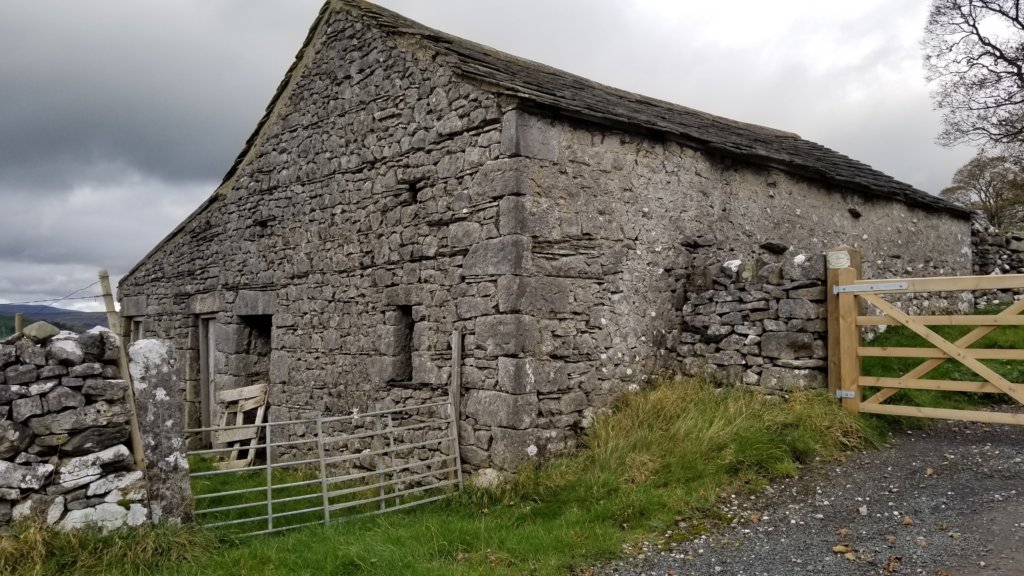
I hiked some steep hills–I’m getting stronger–with great views for miles around; stone barns, more photos of my love affair with chimney pots and sheep.

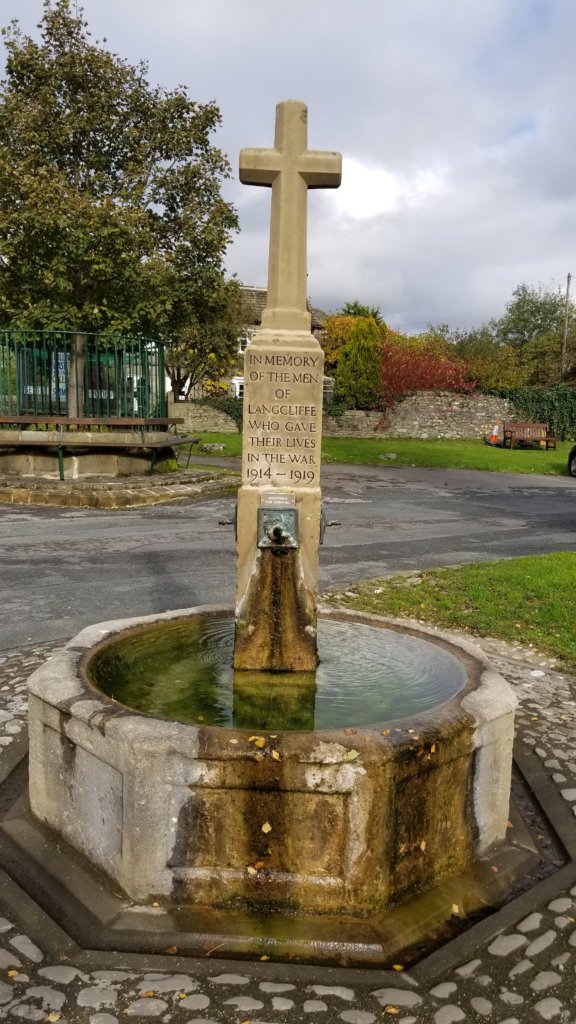
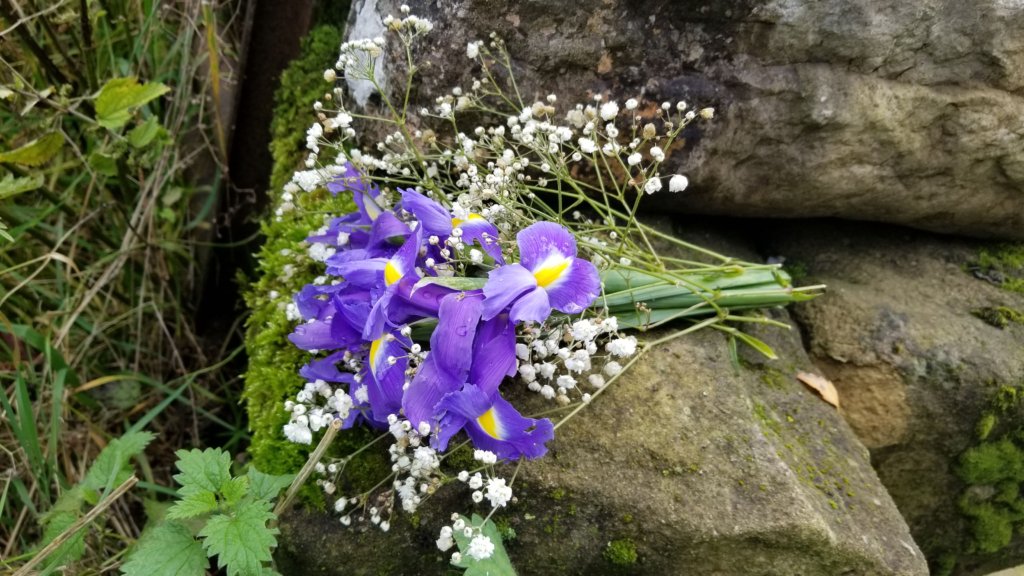
Some WWI and WWII tiny village memorials, and a lovely bouquet of wild iris left for hikers on a stone wall.

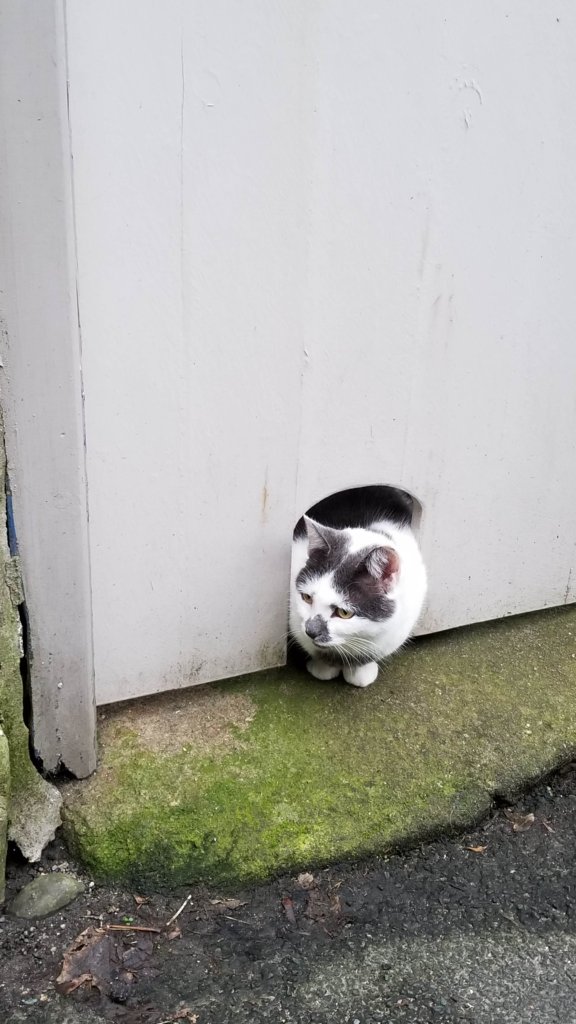
Oh…and I found the reason for the tiny cut-out in my laundry room door!


ENGLAND RESEARCH TRIP: October 11-12

England, Oct. 11-12
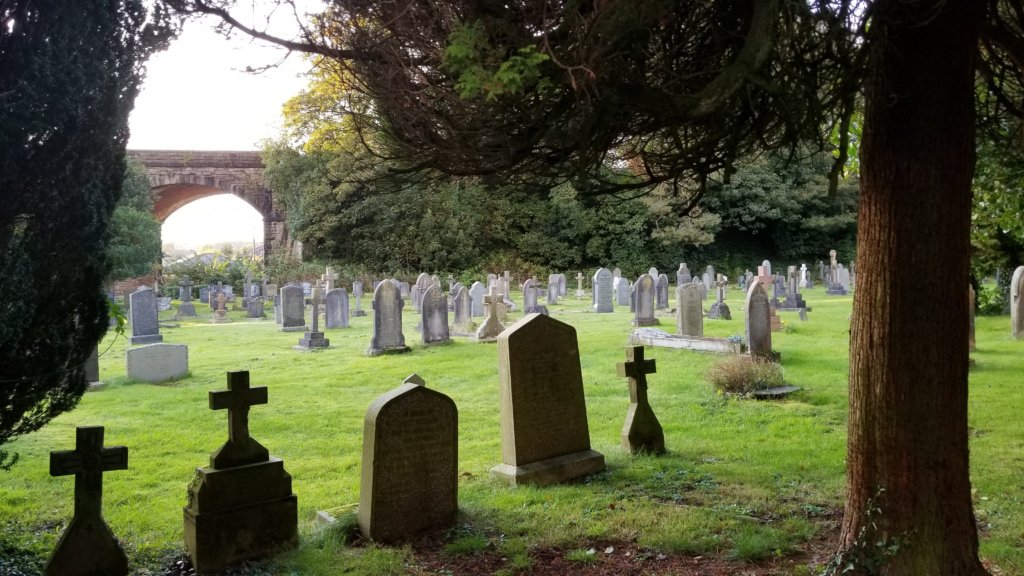
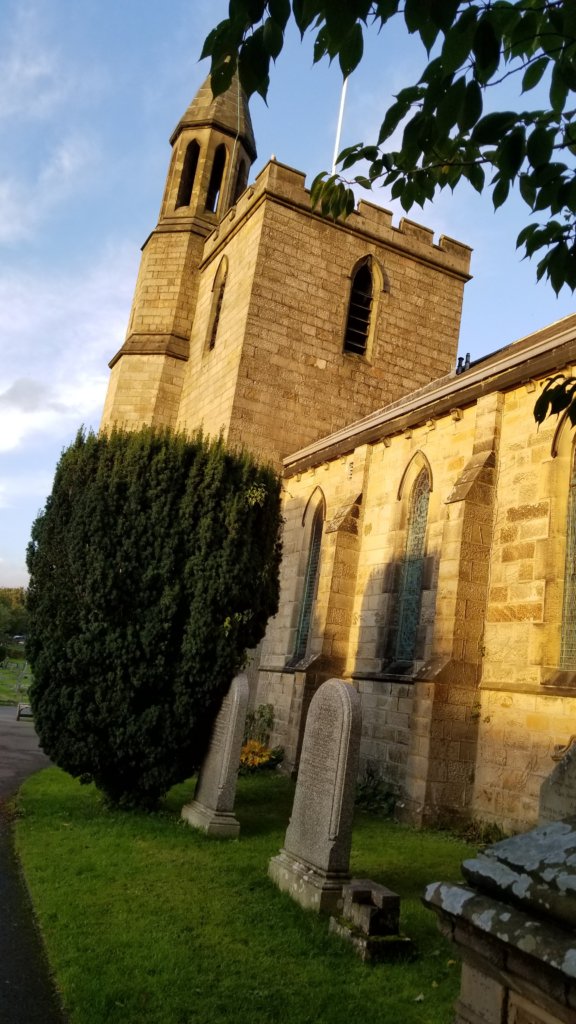
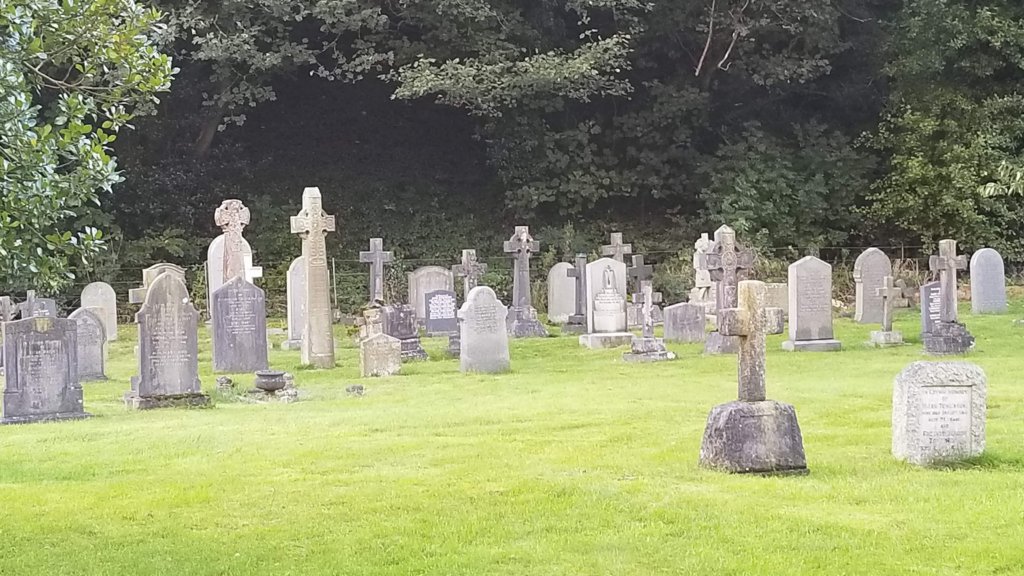
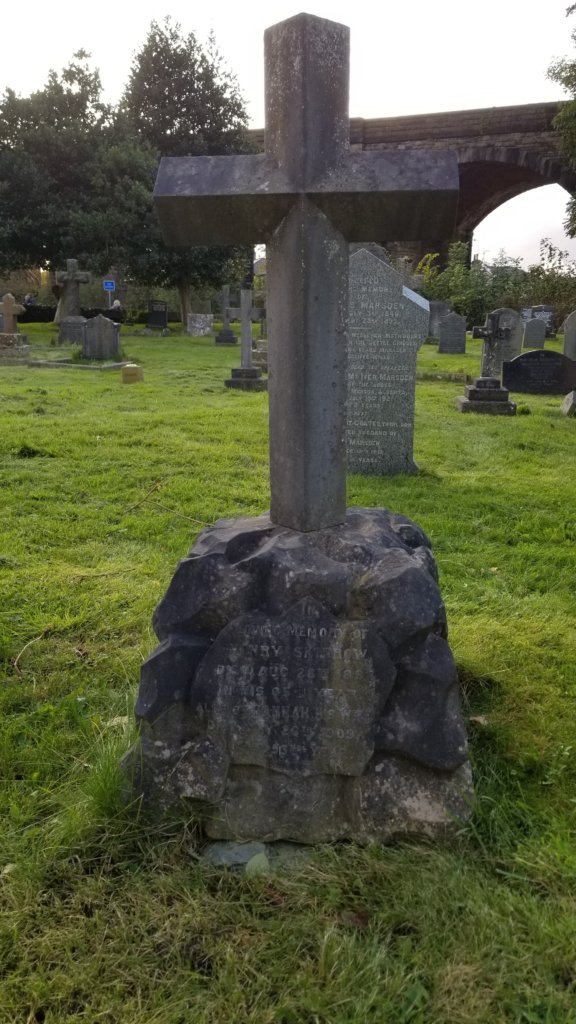
Images from the local church yard research, lots of walks, fields of new streams from all the rain, fall color, cows and sheep who ignore you as you travel public foot paths right beside them, and more.

I watched part of a 10-mile foot race, people of all ages RUNNING up and down these hills to raise money for a good cause.

I thought I was doing well just to WALK up the hills without stopping now.

Really divides the locals from us visitors.


ENGLAND RESEARCH TRIP: October 9-11

England, Oct. 9-11: The last three days have been fun for me, but writing 15,000+ words and researching at a museum isn’t everybody’s idea of a thrilling trip. But it sure is mine!

It has rained a lot the last few days, so I wrote, walked when it quit raining, then repeated over and over.

If you like pictures of England, friend me on Facebook. I post many more photos there.

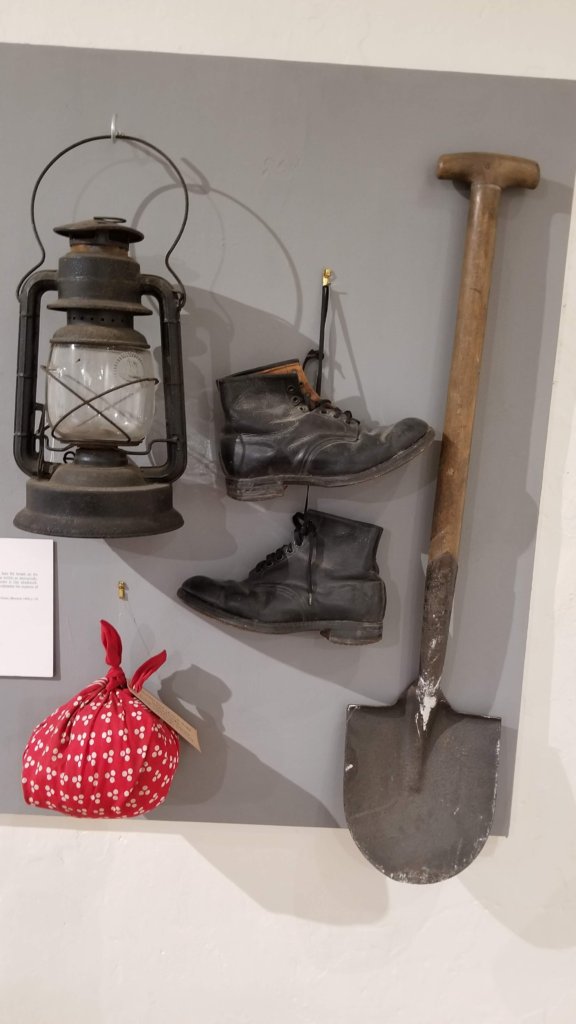
My research has involved how navvies built the largest viaduct (picture above) in England which is nearby, and the five shanty towns that sprung up for seven years while the bricks were being made and viaduct built.


Then I researched the next phase, when the viaduct made it possible to bring the railroad here to Settle. I love train stations and riding the trains!

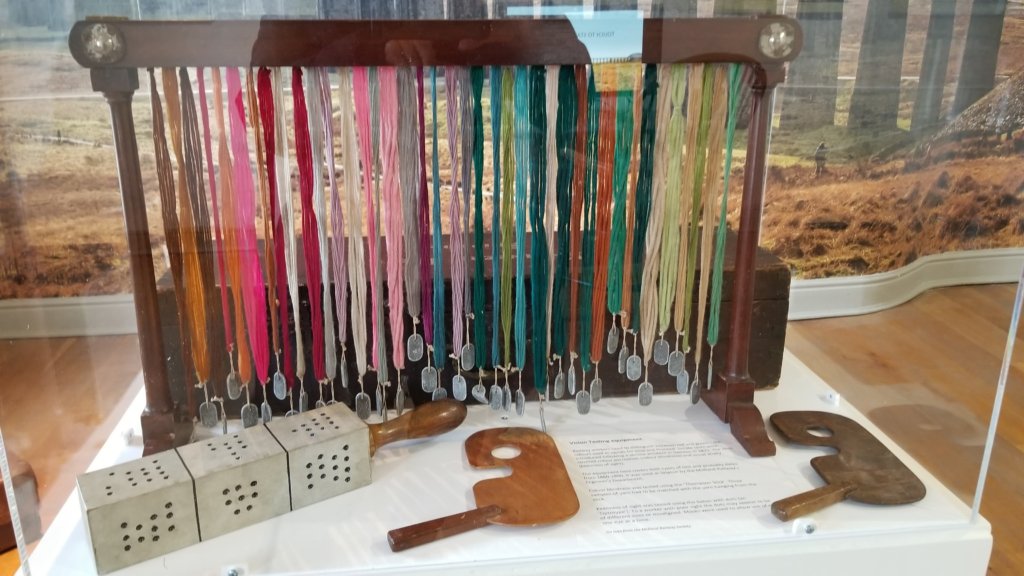
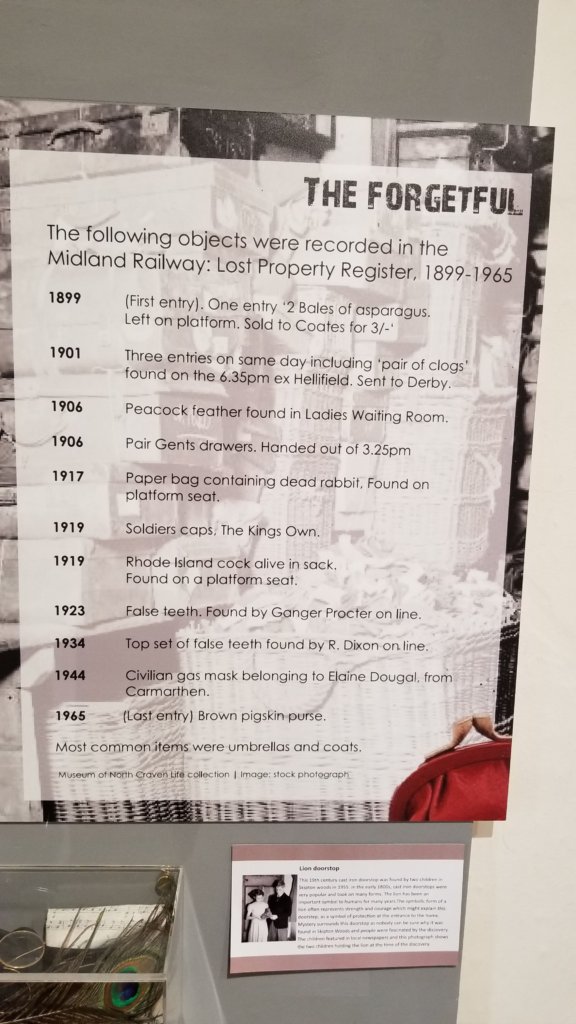
The eye test equipment was for testing people working in the signal boxes on the railroad. (You had to be able to distinguish red from green, plus see in straight lines.)

Stay tuned for the next installment!

ENGLAND RESEARCH TRIP: October 8

England, October 8: Another lovely writing day and walking day…
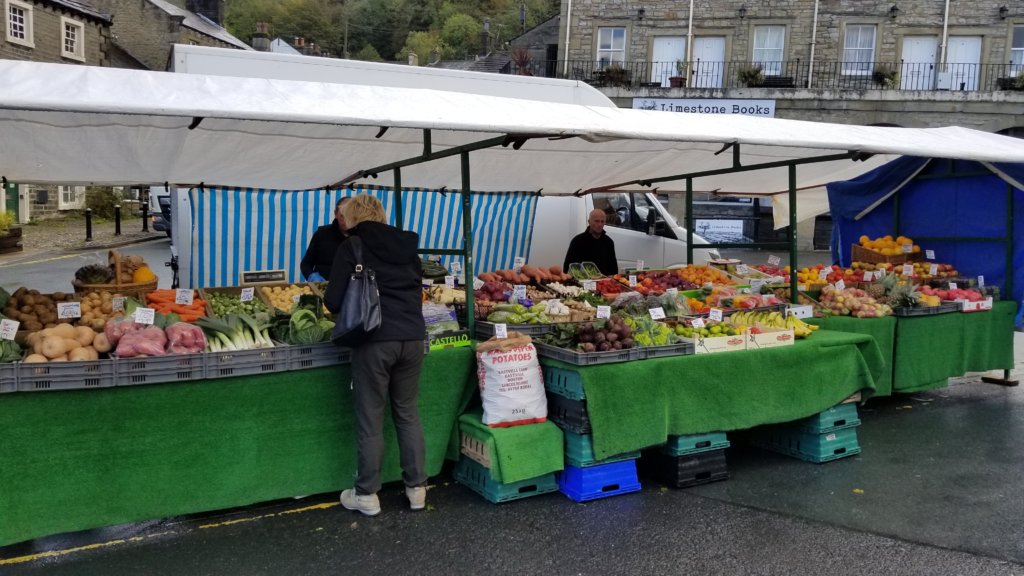
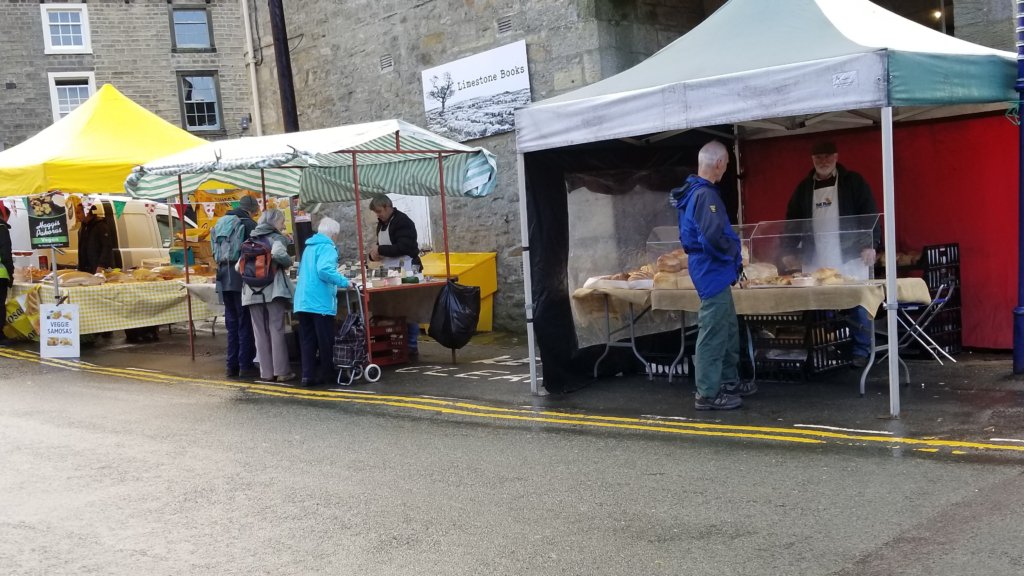
Tuesdays are Market Days. There were about twenty market stalls in the center of town: all kinds of fresh loaves of bread, local cheeses in big wheels…


…and a huge variety of locally grown fruits and vegetables all. There were all kinds of crafts, knits, local musical talent, you name it.
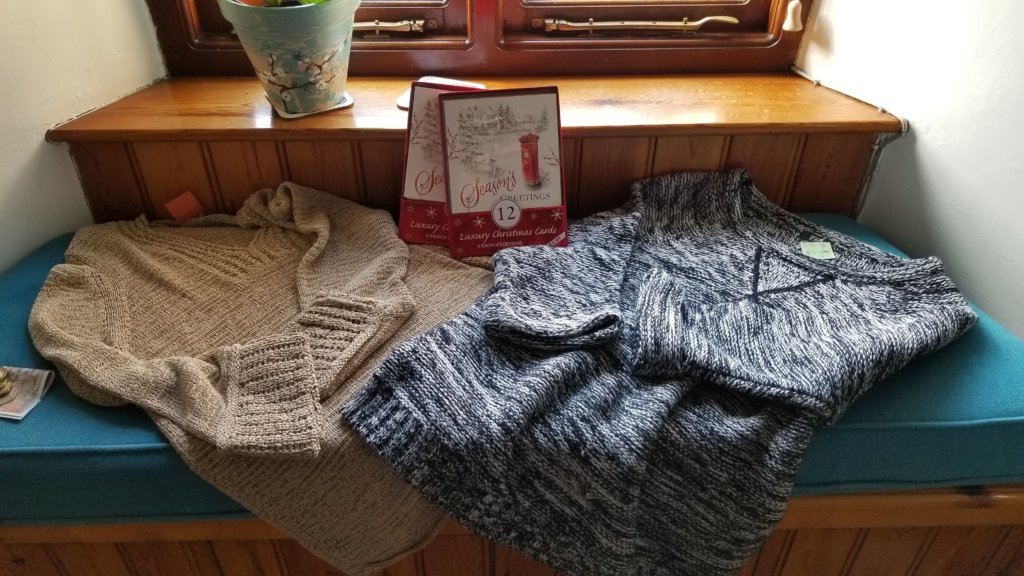
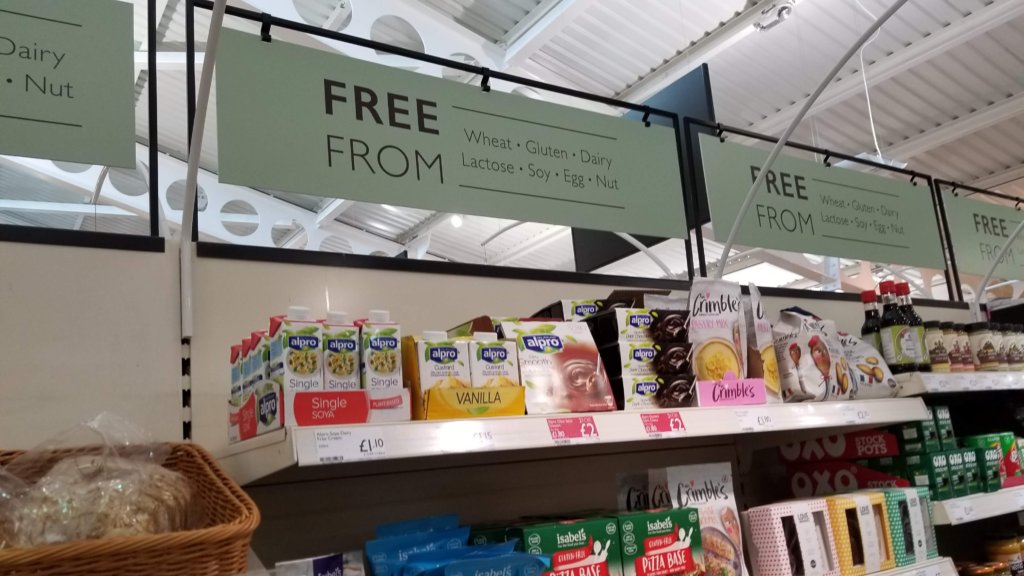
I also bought two sweaters at a charity shop (no room to pack any because of books), some British Christmas cards at the market. I also found a shop with all kinds of gluten/dairy/sugar-free things I could eat!

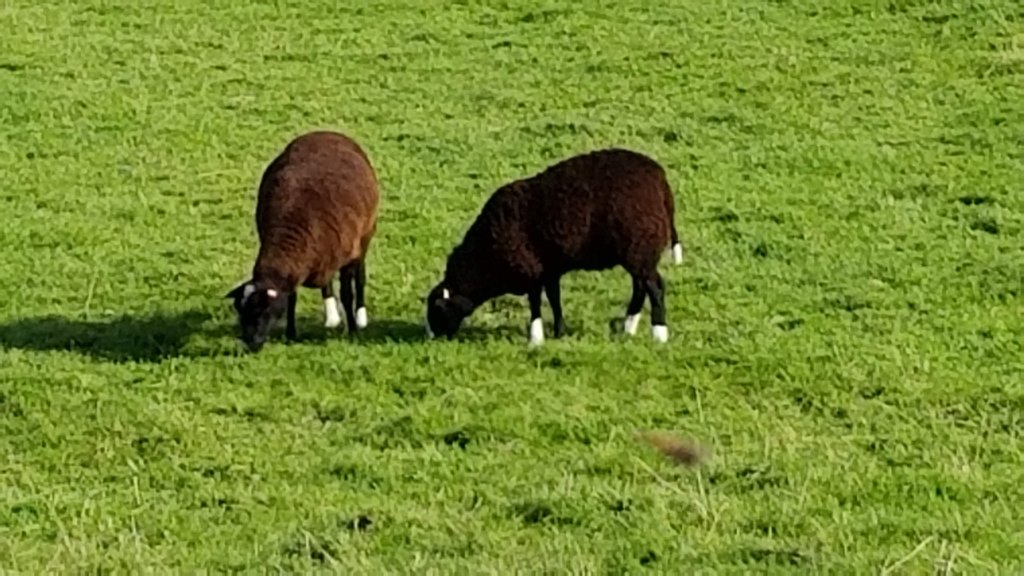
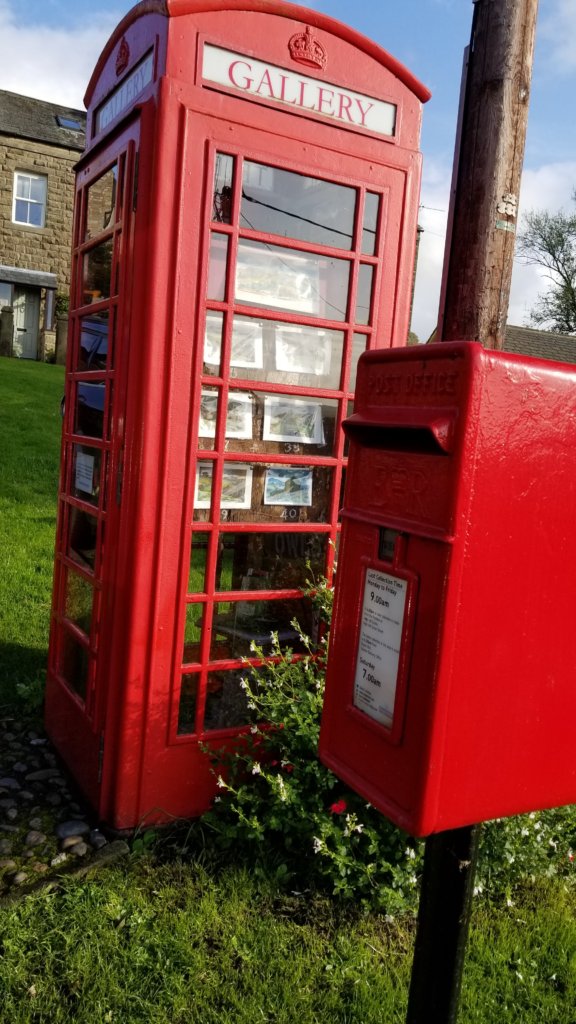
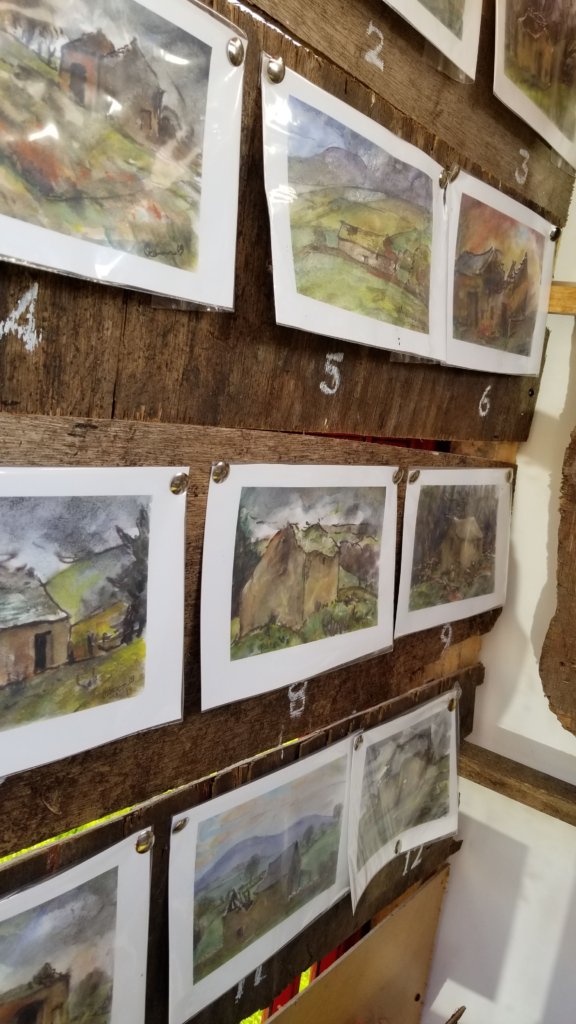
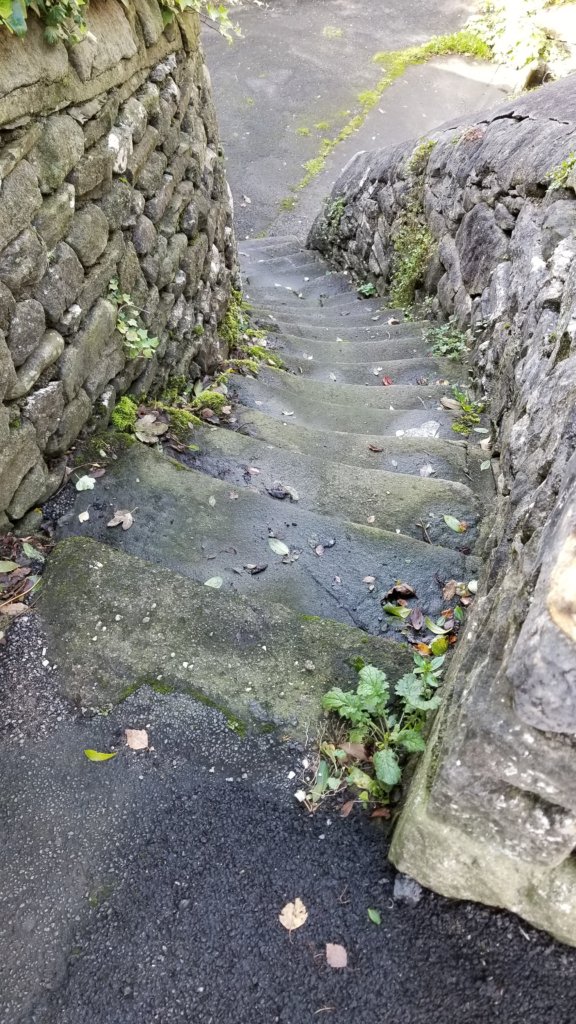
The rest of the pictures are of my walks (three of them, all new routes). It includes a field of brown sheep, a telephone box turned into a gallery of very good watercolor pictures for sale, and stone steps for getting between the streets in the village. The days are flying by!