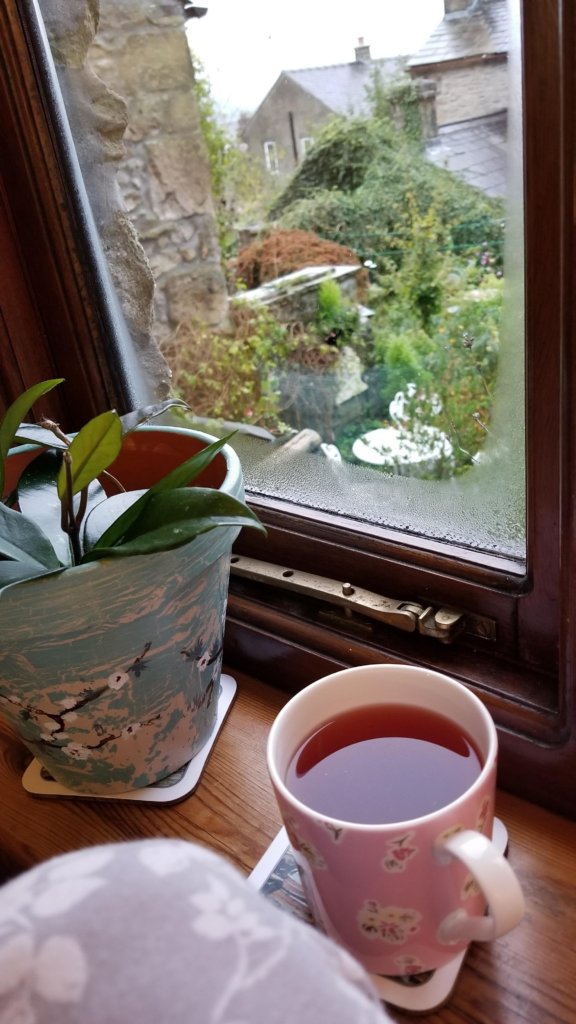
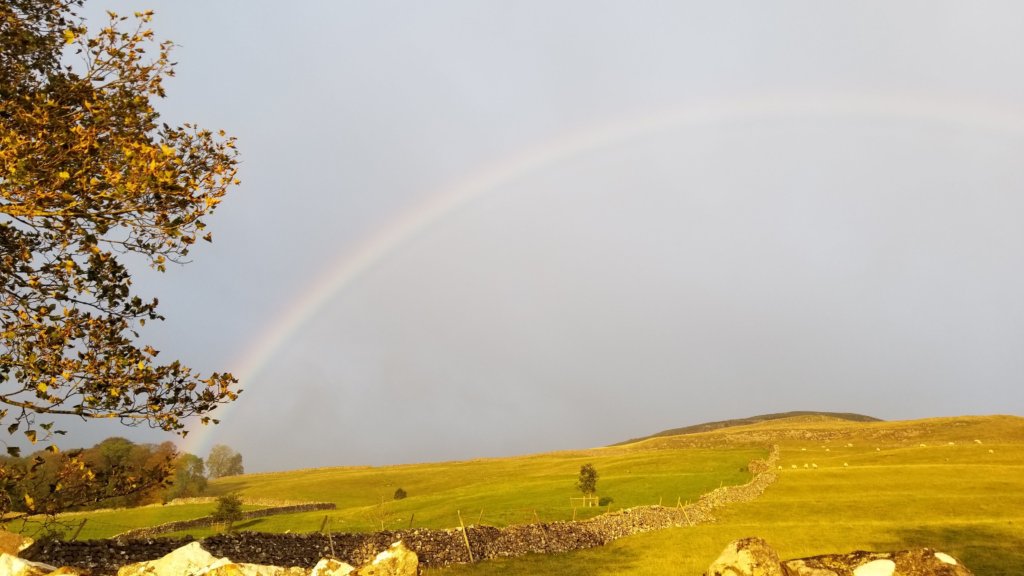
Today was a rainy day in the Dales, but lovely! I drank lots of tea today,
I worked for hours close to the fireplace (cozy).
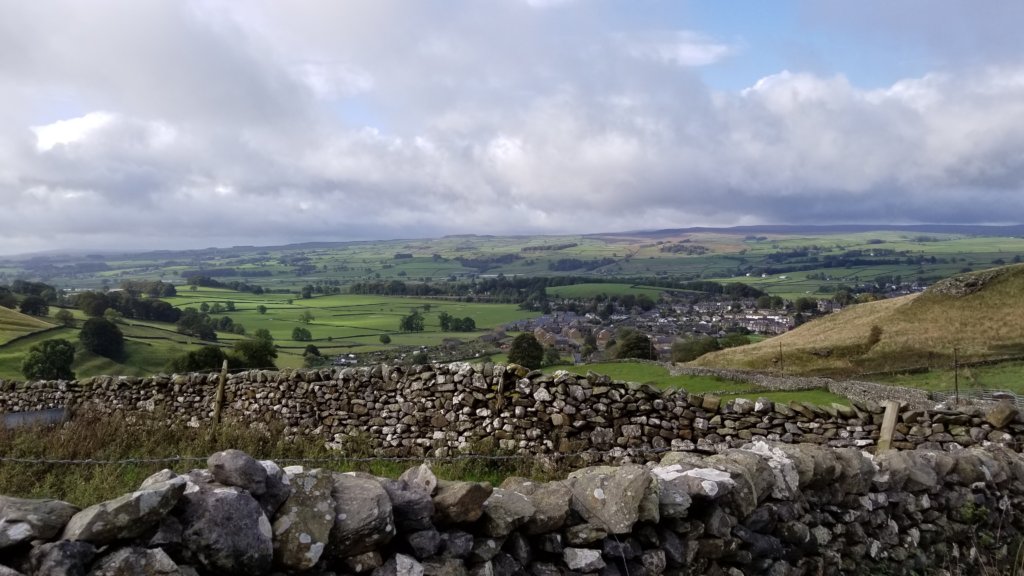
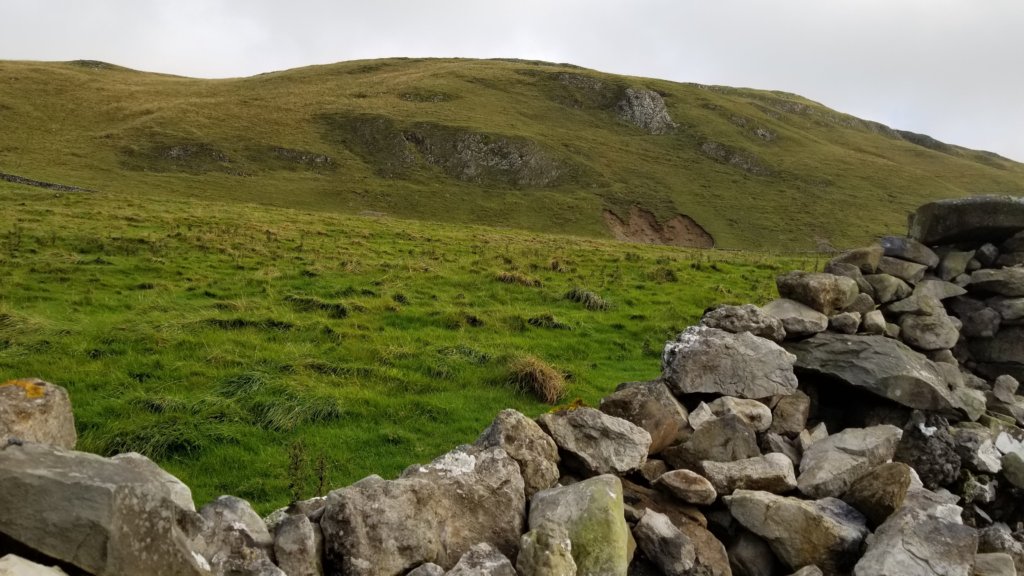
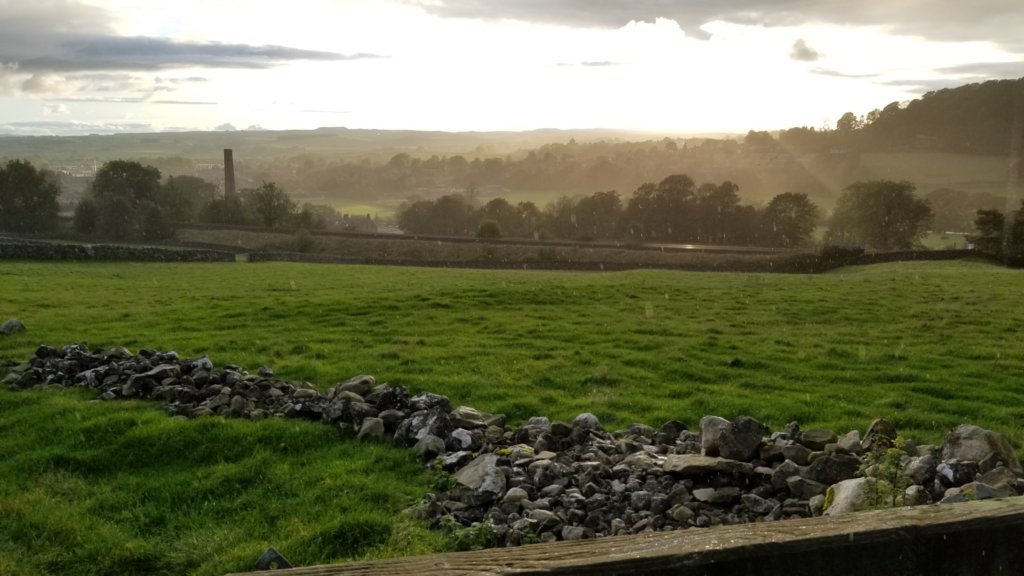
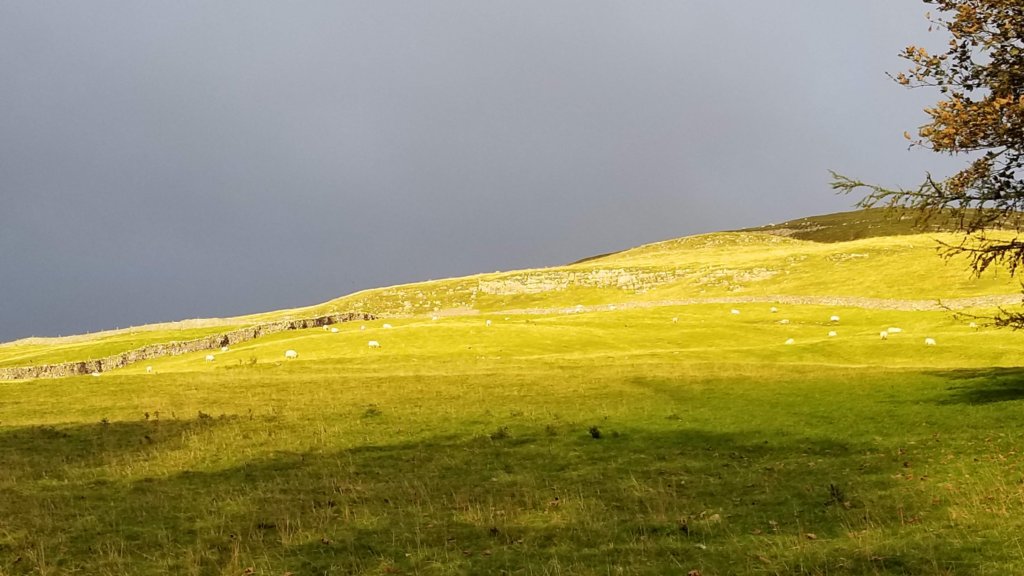
Then I walked and managed to get lost (and Google maps on my phone wouldn’t work). But I made it to another village and got my bearings there to get back.
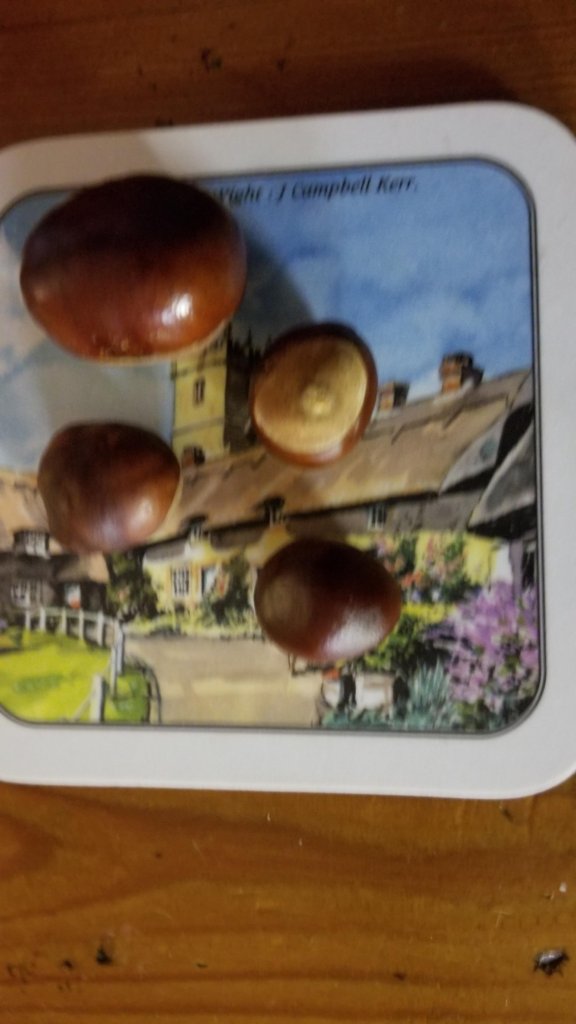
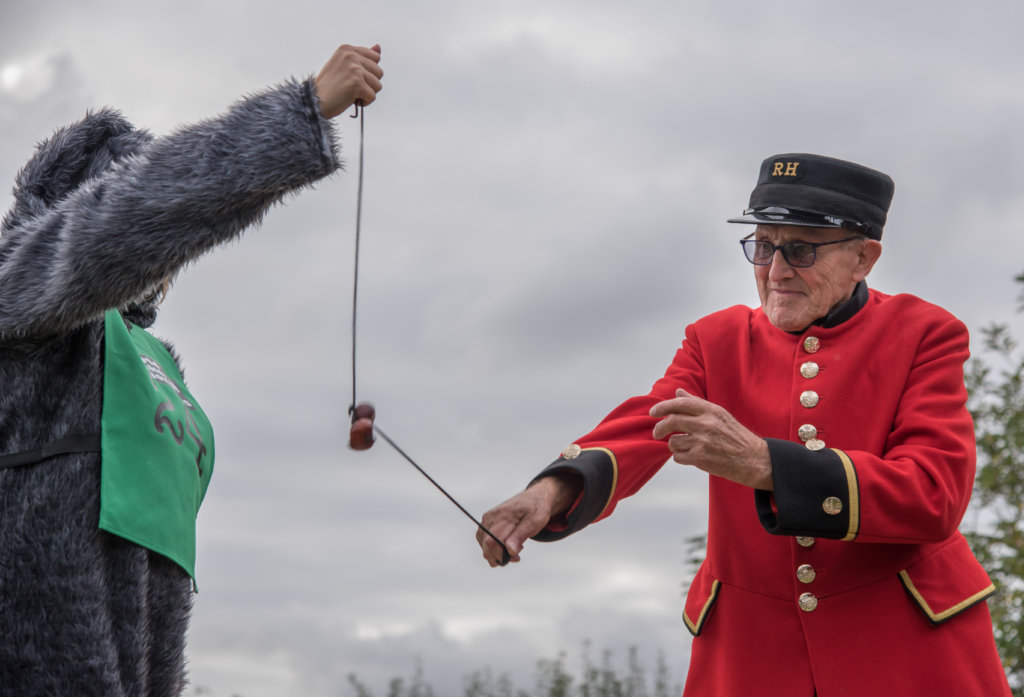
On the hike I found several “conkers.” (We call them buckeyes at home.) They are good luck! They even have world conker competitions here!
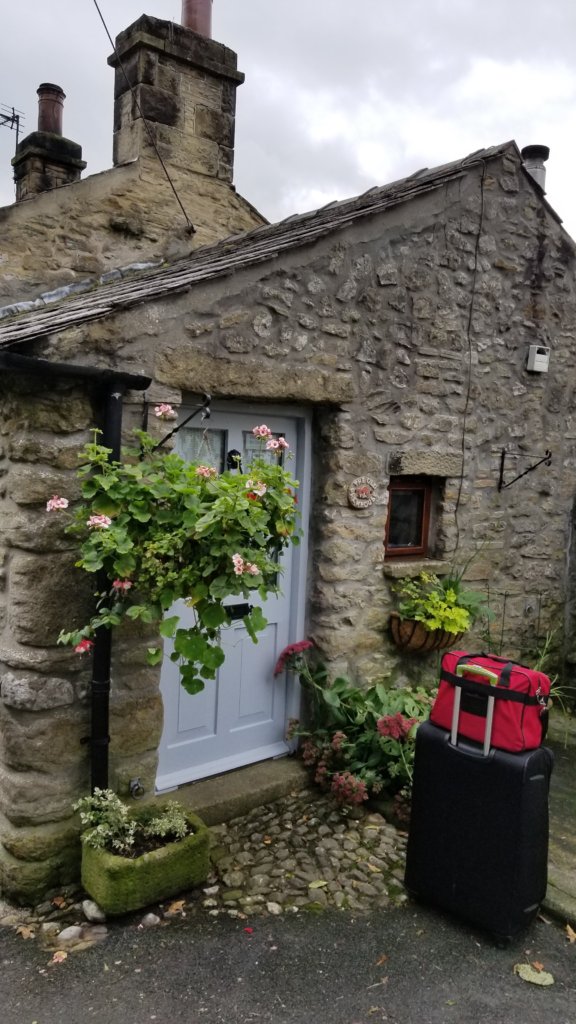
I’m tired, but happy! I only slept a couple hours on the overnight flight, but I’m “settled in Settle” now.
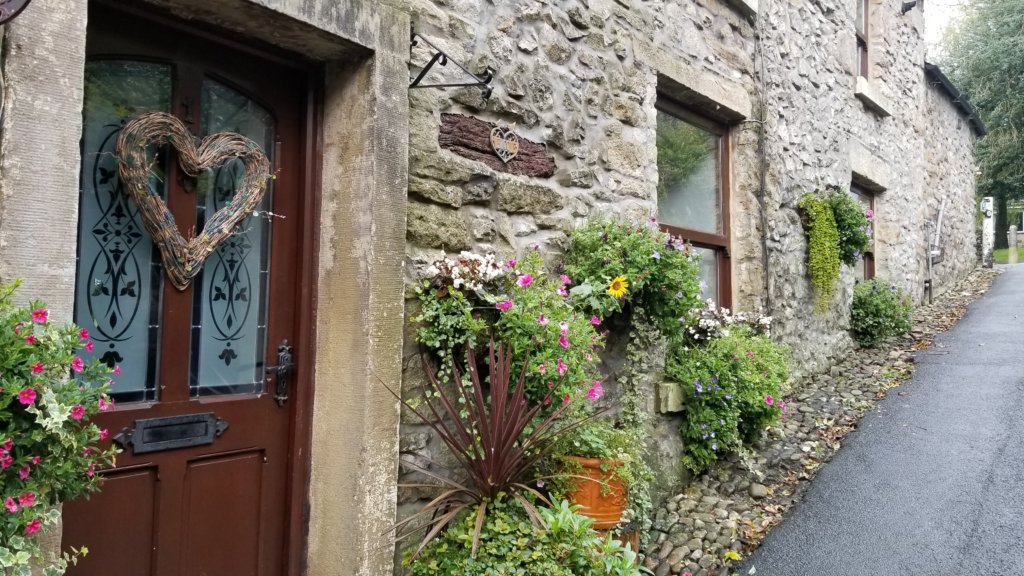
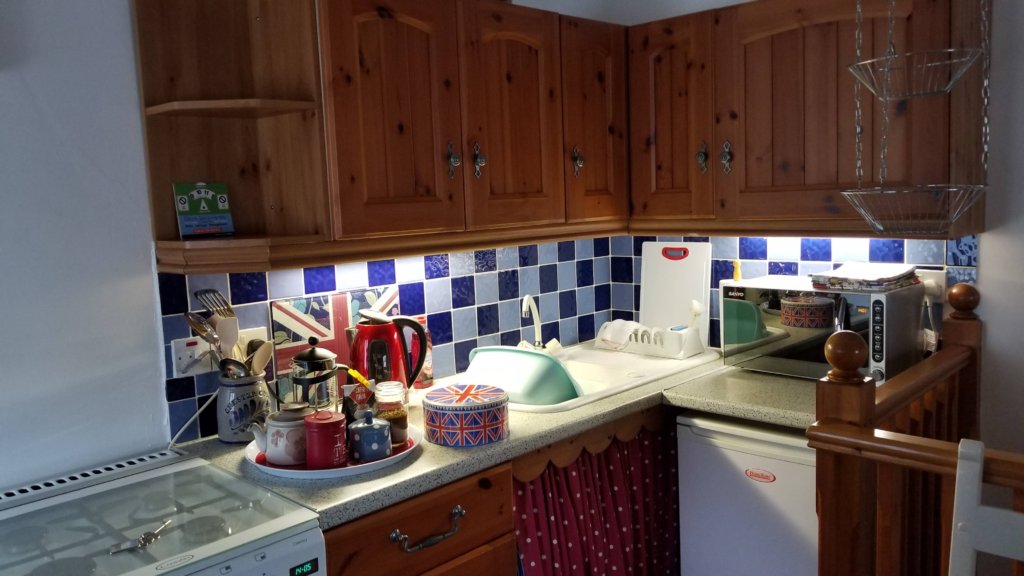
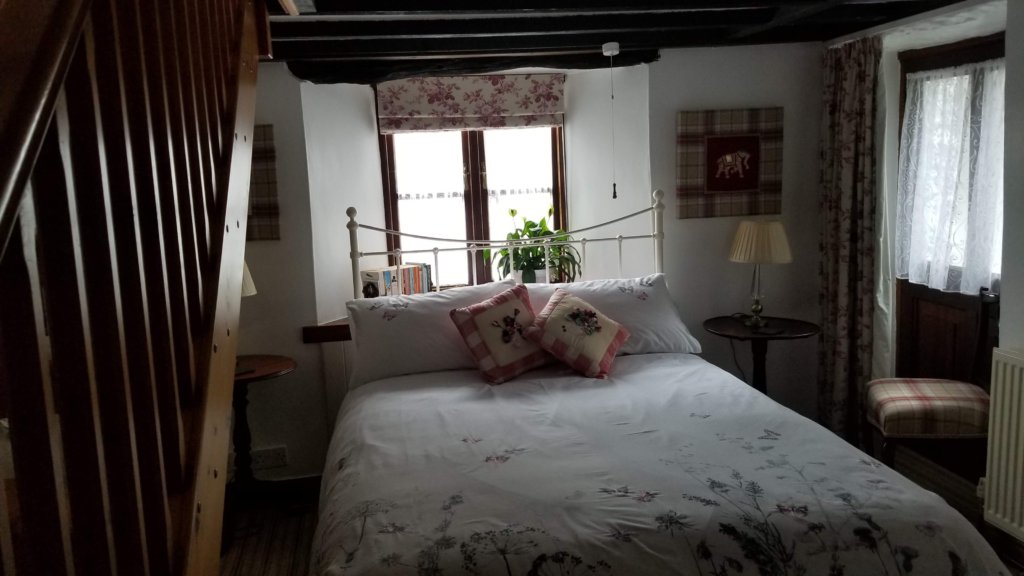
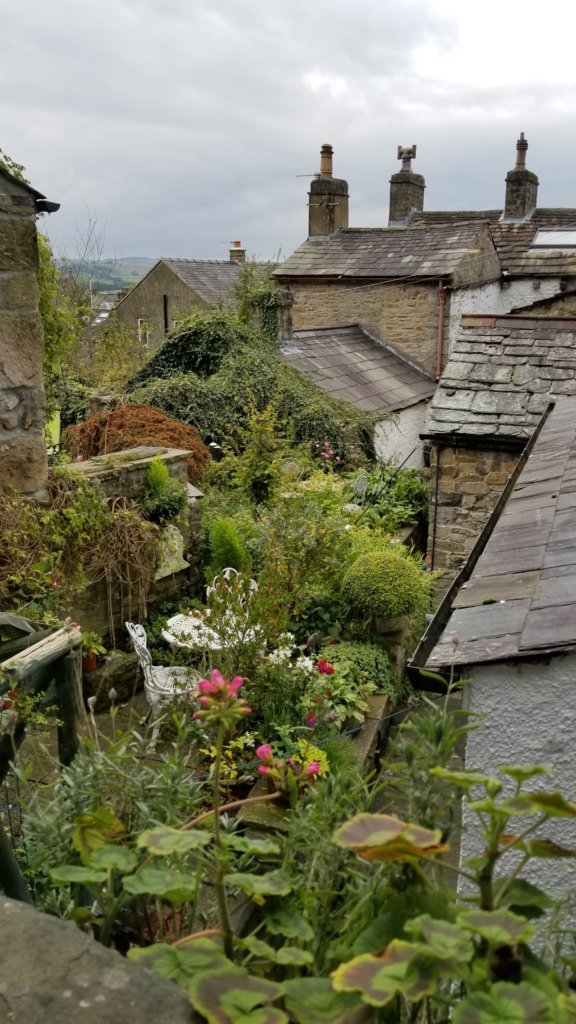
I unpacked, then did some shopping for essentials, and had a cuppa tea in the window seat overlooking my tiny “secret garden.”
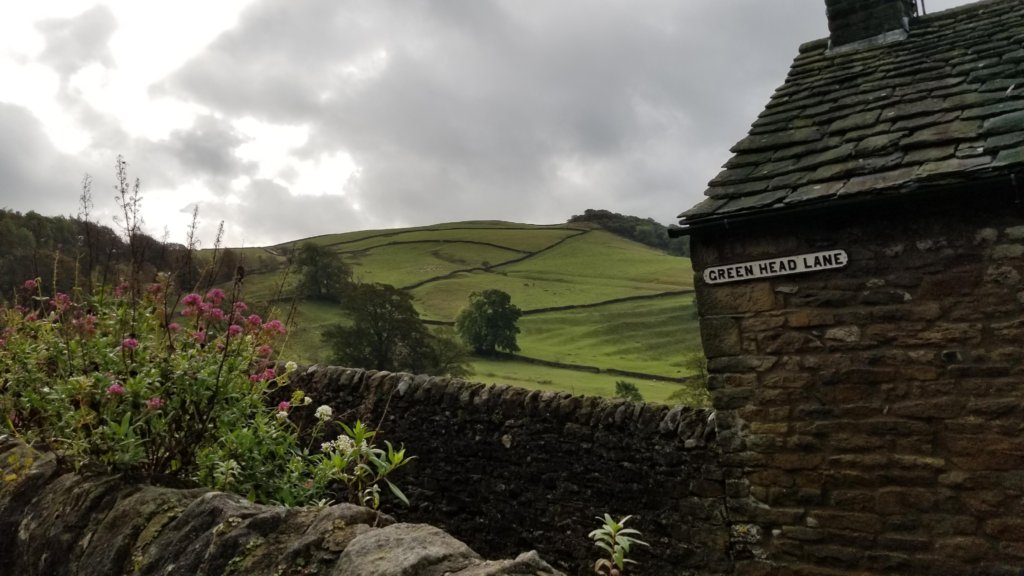
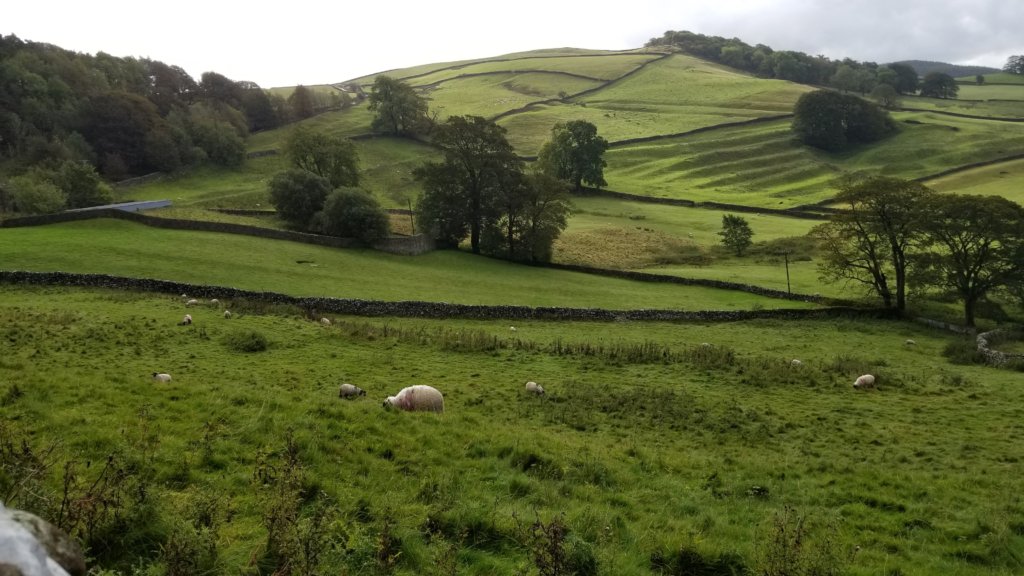
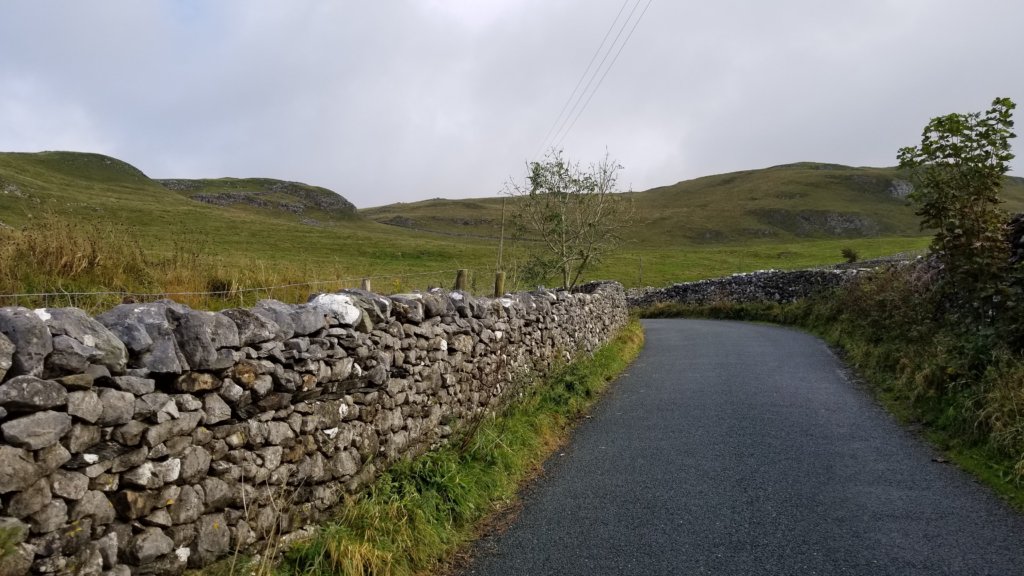
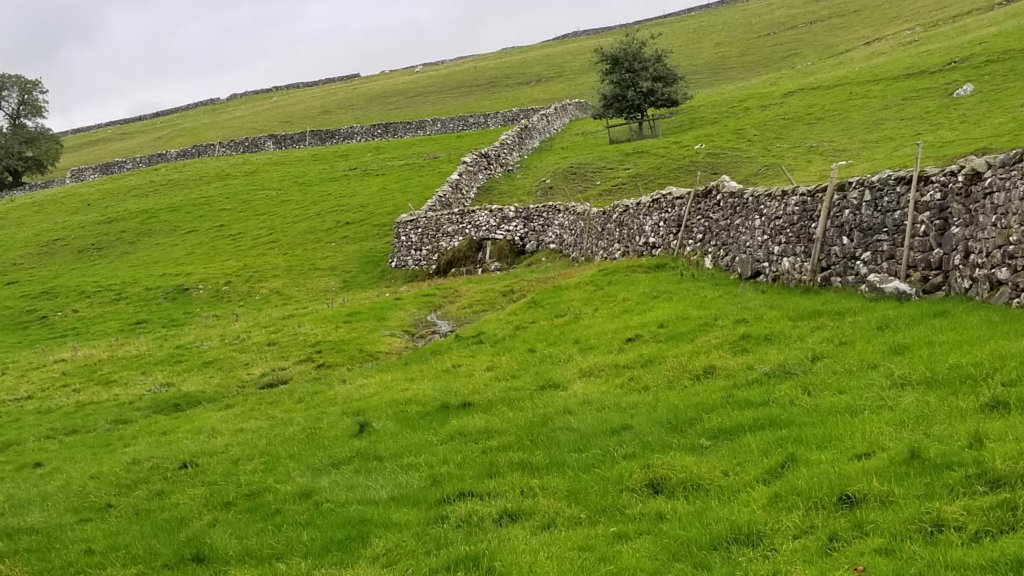
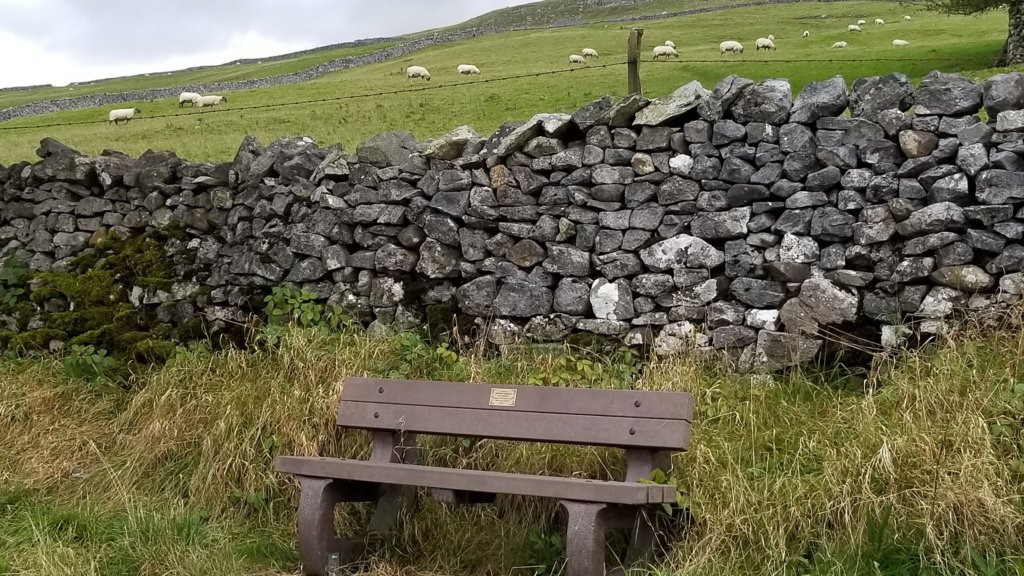
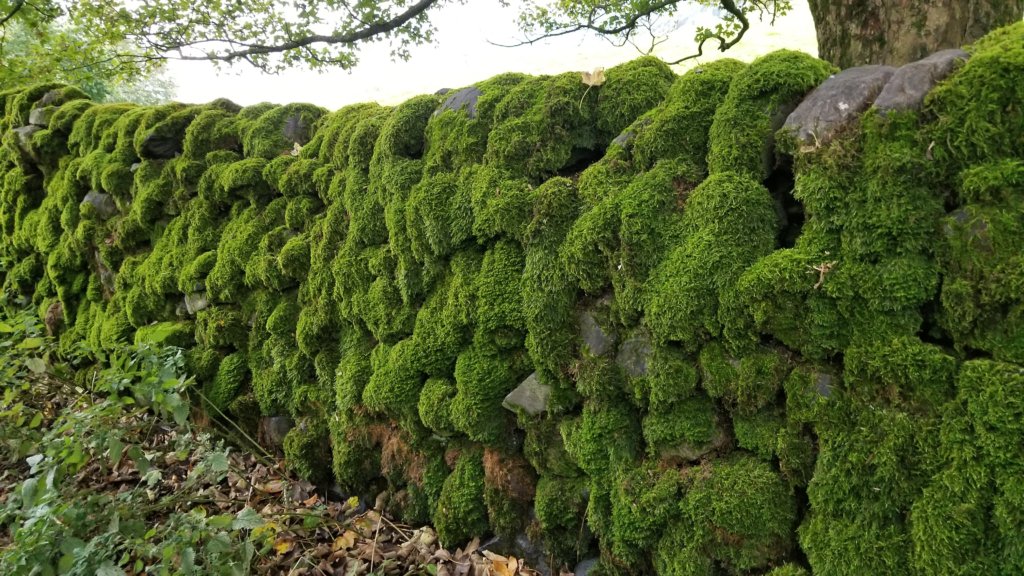
Then I strolled around the village, and hiked to the next small village nearby. It is so GREEN here! I love the dry stone walls all over the countryside; it’s been so wet here that many of them are clothed in moss two inches thick.
It has been a writer’s perfect week. I wish I had a word for it! A perfect storm (of which I’ve experienced many over the years) is a “particularly bad state of affairs, arising from a number of negative factors,” according to the dictionary. But this week was the opposite: a writer’s perfect week.
While I don’t believe a picture is worth a thousand words (or I wouldn’t be in this business), I love photos that tell stories too, so they’re sprinkled throughout.
Two Big Events
Two things made this such a great week: a national writers’ conference last weekend, and my research trip to England tomorrow!
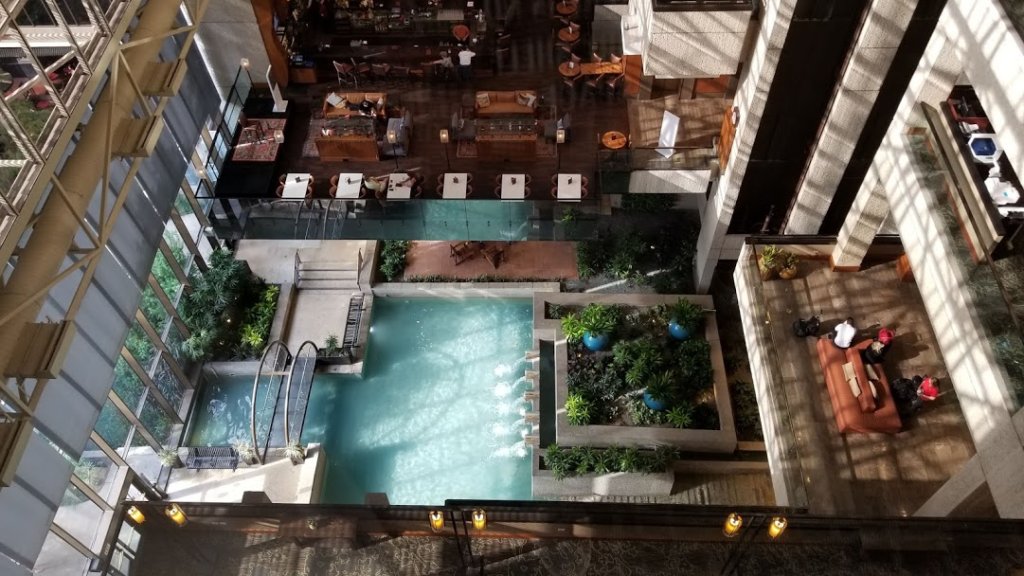
Hyatt Regency
I’m president of our local branch of ACFW (American Christian Fiction Writers), and this past week was our National ACFW conference. We met downtown at the Riverwalk. (That is a view from my room.) As host city, we were responsible for a few things, like transportation for VIPs. (Thank you again, Bruce Judisch!)
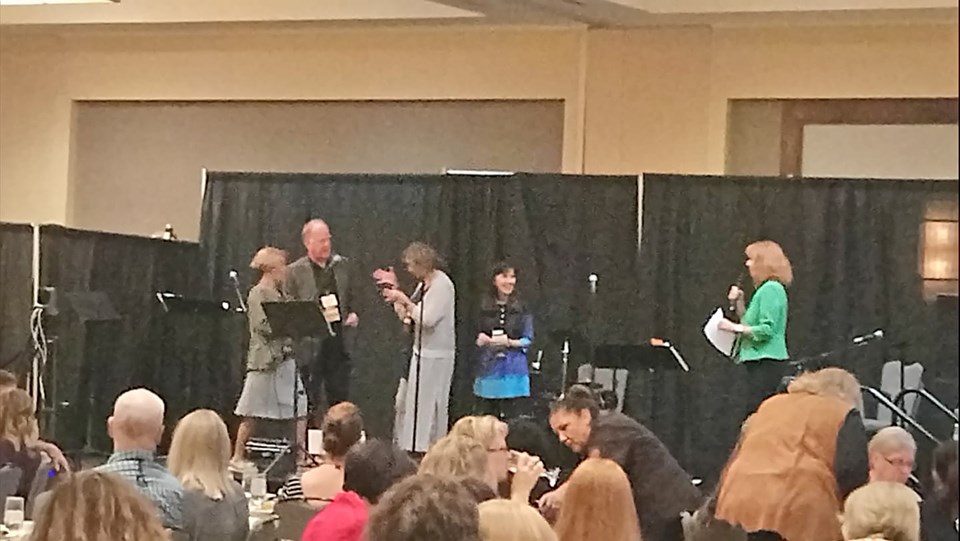
Milestone Pin award
On Thursday night I was surprised before the dinner by receiving a “Milestone Pin” for having had more than 50 books published with traditional publishers. My friend’s photo caught us as we left the stage.
Incredible Speakers
Frank Peretti
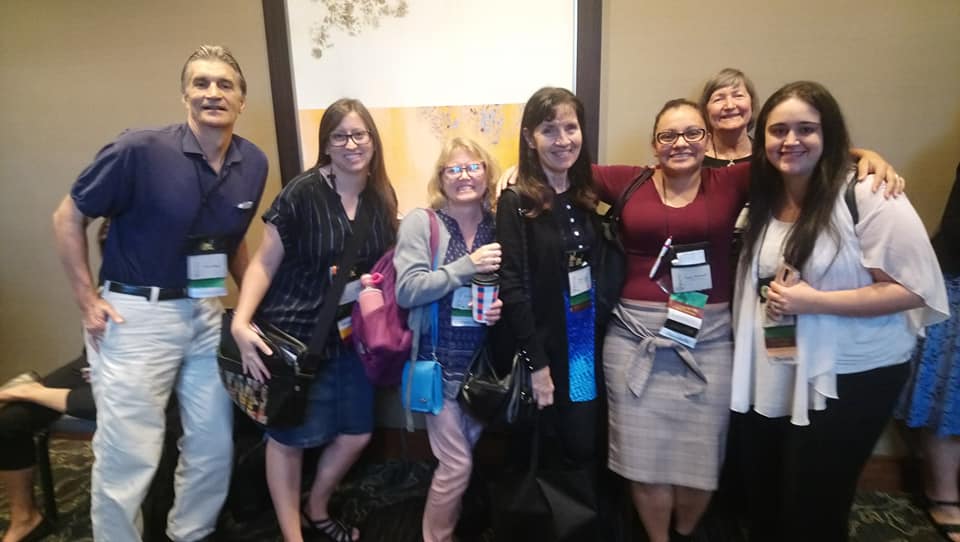
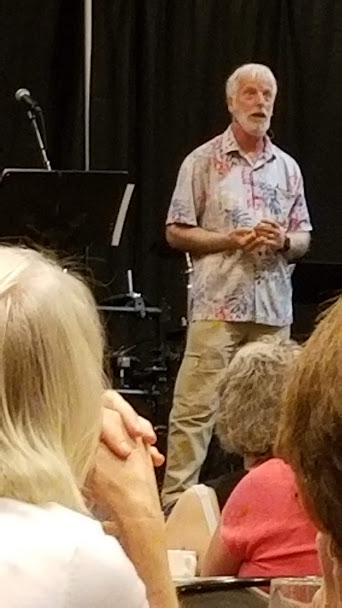
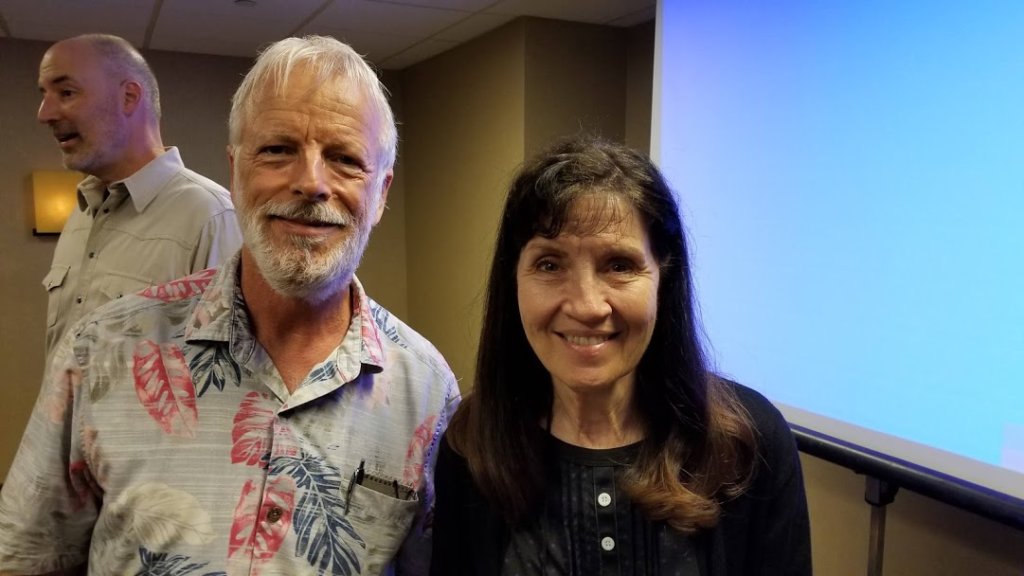
The speakers this year were superb, and it was an honor to sit under the teaching of authors I had admired and read for decades. They were all so generous with their time and “secrets of the trade.” One special time for me was meeting Frank Peretti, author of two books I read in the 80s (This Present Darkness and Piercing the Darkness) that made a huge impact on me (as well as the other 3.5 million people who bought the books.) He was hilarious and deep, a rare combination, and such a kind man. He was our keynote speaker for the weekend, plus he shared in workshops, and I came as close to being a groupie fangirl as I have ever come in my life.
One especially encouraging thing happened with the pitches for my new series idea set in the Yorkshire Dales in England. The agent I spoke with, and both editors I “pitched” the idea to, were very interested and want to see it. I am so grateful for this encouraging “shot in the arm.” It doesn’t mean a sale, but it’s the next step in that direction.
Perfect Timing
The Old Brewhouse flat
So, I head back to England tomorrow, to a small flat in Settle, England, to work hard on Book 1 and finish research for Books 2 and 3. My head is practically bursting with ideas after sitting in 16-18 hours of excellent teaching. My next three weeks will be filled with writing, reading, museum visits, talking to the sheep on my hikes…and then starting the cycle over again. I can’t wait! I’ll post some photos and news throughout the time I’ll be there.
And if anyone knows a word for the opposite of “a perfect storm,” let me know!
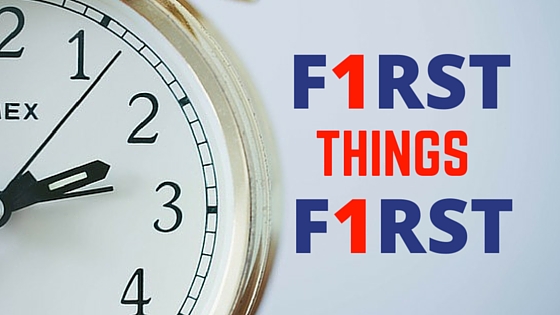
It’s not so easy to put first things first. It’s not even easy to decide what should be first!
I want to write first in my day because so many writer bios of famous successful authors say that’s what they do. They stumble to their offices first thing, in their slippers and carrying coffee, to pound the keys for a couple of hours before breakfast.
I’ve always wanted to write first. I’ve tried accountability partners to accomplish it. Lately I’ve devoured and tried to implement The ONE Thing and The Miracle Morning routines. Both have been valuable, but it hasn’t make it easier to making writing the first thing. I did it for a while, but then other things got out of balance.
First Things First?
Writing first thing in the day isn’t always possible. It depends on your season of life sometimes. So many things vie for first place in your day!
For many years, early rising babies and children clamored for my attention first thing every morning, and let’s face it, hungry kids and soaked diapers won’t wait a couple of hours.
Even after the kids were older and there was just the dog, he had to go outside very quickly every morning. Waiting two hours for that “first” would have also been disastrous.
Some health gurus say exercise first because you’ll never do it later, and it’s critical to your stamina. Others say eat a healthy breakfast first.
Still others say you must journal first and dump whatever is bothering you where no one will ever see. (I used to do this using Julia Cameron’s “Morning Pages” when going through a traumatic time.)
If you’re an e-mail or Facebook junkie, you may feel checking online must be first since something there might affect the course of your day.
Your pastor will suggest that devotional time needs to be first or it will be pushed aside when you get busy. (I do find that to be true, so that is my “first first” of the day.)
There are calls to make and showers to take. They all “need” to be first in your day before you lose control of your time.
Calgon, Take Me Away!
Enter Decidophopia. It’s a term I read in Carol Rottman’s writers in the Spirit. Here’s how she describes it:
Every morning from those early stirrings in bed of sluggish body and scattered mind, I must make some choices. What first? What next?…As I face my desk each day, I know I’ve got [Decidophopia]. I must decide, but I am afraid. To make one thing first pushes everything else lower on the list. My desk is usually covered with notebooks and loose paper in stacks–each one a ‘should.’
Do You Have Decidophopia?
When my children were small, I didn’t have decidophopia. There simply were few choices! The kids’ needs came first. The writing stuff came later–often much later when they were down for afternoon naps.
Years down the road, when the kids were in school and then grown, Decidophopia set in. Suddenly I had some choices. Even with teaching part-time, I could schedule most of my days however I wanted.
Choices! Choices!
I learned fairly quickly that I love structure. “Going with the flow” every day actually fed my Decidophopia and made it worse. Making that “what next?” decision every hour or so resulted too many times in cruising on out to the kitchen for a snack or reading e-mail. As boring as it may sound to many people, I now have a written list for my important daily stuff and habits. I like order.
My devotional time comes first. My exercise comes next if the weather is decent enough–otherwise it comes at noon. My healthy breakfast is next. And the writing comes next. It’s my first work of the day, but it’s not the first thing I do.
But unless you live on an island alone, you have to be flexible when you can’t write first. For example, I got up early to write today before my granddaughter came. Now I’m blogging while she is down for a nap. Since she staying overnight, I can almost guarantee we’ll take a trip to the pond in the early morning to see turtles before I get any writing done.
No One Right Way
What’s your routine like? Or do you have one? Are there so many “important firsts” vying for your attention each day that it’s hard to get started? Are you able to be flexible and “go with the flow,” or do you need more structure?
I love hearing how other writers work. We’re all so different and there’s certainly no “one right way.” If you have a day job, a spouse, a home, and/or children, you must decide to write. It won’t just happen.
During the summer, when trying to stay above the health issues and do things with my grandkids and keep up with a few strict publishing deadlines, I read two books that were especially helpful.
I found I was fighting on a regular basis two discouraging ideas.
One: what had happened to my “dream” novel, the novel of my heart, while dealing with all these other urgent things? It had floundered.
Two:how could I get a handle on everything that had piled up and still get back to my dream novel? [I had a conference coming up where I had signed up to pitch my novel to an editor and agent. If “life” hadn’t interfered for months, I could have easily had it finished.]
As so often happens with me, my prayers for help led me to a book. Or, in this case, two books. One fed my soul with encouragement. The other gave me the practical help and coaching that I needed to get perspective. I don’t believe in re-inventing the wheel if someone else has already solved a problem and written about it. Maybe one or both of these books will help you too.
The Dream Giver
This book inspired me at a time I needed to know that my dream of the last five years wasn’t dead or dying, but meant to be. The Dream Giver: Following Your God-Given Destiny by Bruce Wilkinson has been a bestseller for many years. Here’s the back blurb (and yes, it’s a Christian book.)
“Are you living your dream? Or just living your life? Welcome to a little story about a very big idea. This compelling modern-day parable tells the story of Ordinary, who dares to leave the Land of Familiar to pursue his Big Dream. [Note: it follows the ups and downs of achieving his dream. I could identify with all the stages!] You, too, have been give a Big Dream. One that can change your life. One that the Dream Giver wants you to achieve. Does your Big Dream seem hopelessly out of reach? Are you waiting for something or someone to make your dream happen? Then you’re ready for The Dream Giver.”
Growing Gills
This book was recommended to me by a blog reader who gave such a rave review of this book that I had to check it out. I’m so glad I did! Growing Gills: How to Find Creative Focus When You’re Drowning in Your Daily Life by Jessica Abel is so very good. Don’t you love that title? Jessica also has a great blog. ( Click and scroll down.) Growing Gills comes with a free workbook you can download and print out, which I did, and then work through the exercises to do what her title promises. Here’s part of the blurb:
“Go from overwhelmed, anxious, and stuck, to consistent, clear, and in control of your creative life. If you feel like you’re floundering in the deep end (Not waving, drowning!), and anxiety over the complexity and enormousness of your creative projects overwhelms you, stop scrambling to fit everything in and feeling stretched thin.
Dive Deep and Swim
Sustain the energy you feel when thinking of how awesome your projects could be.
Value your own creative work as highly as work you do for other people.
Build a reusable structure and process that will consistently get you to the finish line.
Blast through your stuck-ness.
Finish. Move on to the next project.
You’re a creative person. Even if you have a hard time calling yourself a “writer” or an “artist” in public, making your creative work is core to who you are and how you see the world. You may be harboring a big, ambitious idea for a project. Possibly a lot of them. And it’s killing you.
You lie awake thinking about it…and hating yourself for not doing more to make it real. And then in the morning you’re exhausted, and you can’t believe you “wasted” more time on this stupid idea. Whoever told you that you were creative anyway? You try to shove your idea away, to forget it. But your creative work is what keeps you sane. You can’t not do this. So you live with guilt and anxiety all the time.” [If you follow the workbook as you read her book, this can be a thing of the past.]
I appreciate SO VERY MUCH all the emails over the past few months inquiring about my health.
It was a long summer, but all is well now. In lieu of personal responses, I hope you’ll accept this post. Each question and concern and prayer meant the world to me.
So, in summary:
My eyes…
I had my third eye surgery in July, and it did the trick! The surgeries back in February and May weren’t as simple as we expected, so I couldn’t see for a while, but the corrective surgery in July fixed the issue. How grateful I am to live in a country and a time in history when these things can be corrected.
My broken right hand …
My pinkie finger still isn’t in the right place, but it is moving closer to its correct position with regular rehab. I make fewer typing mistakes now! When walking, I probably look like a helicopter about to take off as I rotate my (formerly) broken right hand and (formerly) broken left wrist. The trick is to keep moving!
My head, brain, and arteries…
The severe infection in my face and jaw in May was corrected, but it sent doctors on a hunt to see if there was a bigger problem than I thought. (I have had chronic pain in my face for 33 years since a trigeminal nerve was cut during a surgery.) Anyway, long story short, they worried that the pain might be coming from a brain tumor or blocked carotid artery. Four brain scans later, I have confirmed reports of NO tumors and CLEAR arteries everywhere! So full steam ahead now.
Again, thank you for your notes and prayers. I really appreciated every single one!
I am fascinated by brain books for the layman, and seeing how that information applies to writers. (See three book links at the end.) Information from the new brain research–if actually applied–could change your writing life.
One book,Who Switched Off Your Brain?, deals with what the author calls “the Dirty Dozen” areas in our lives where we create our own problems, often by well-meaning efforts. This toxic behavior can steal our dreams–including our writing dreams.
Two of the dirty dozen that hit me between the eyes were“toxic seriousness”and“toxic schedules.”
AHA!#1: Toxic Seriousness
I’ve known for years that negative emotions like anger and unforgiveness can literally make you physically sick. But did you know that an absence of fun in your life can make you sick too, susceptible to every virus that comes along?
Laughter IS the best medicine!
For a lot of reasons, I grew up with the firmly entrenched idea that “life is a serious matter.” People who didn’t take life seriously annoyed me. I thought they simply didn’t understand the situation!
Well sometimes life is no laughing matter, but you still need to incorporate more fun in your life. [I finally understood why I felt so much better physically after spending time with my grandkids, despite being tired. I laugh a lot more on those days!]
Did you know this? Studies show that...
“a really good belly laugh can make cortisol [the stress hormone] drop by 39% and adrenaline by 70%, while the ‘feel-good hormone,’ endorphin, increases by 29%… Laughter boosts your immune system by increasing immunity levels and disease-fighting cells.”
Another medical study showed that humor gets both sides of your brain working together, which is so necessary to writers. We need to be both creative and editor-minded (left-brained and right-brained) in order to do our best writing.
So take time to bring fun into your life today–and every day. Look for the humor in situations–or even yourself. Watch a funny video. Read something that tickles your funny bone. Tell a joke!
AHA!#2: Toxic Schedules
My “toxic seriousness” went hand-in-hand with what the author called “toxic schedules.” One had a direct impact on the other. My overly serious attitude about life leads to an over-scheduled week that doesn’t work unless I invent a 48-hour day. And, of course, a packed schedule adds pressure and just reinforces an overly serious attitude.
Current brain research shows that there’s a lot more at risk than just being tired when you over-schedule yourself. Of particular interest to writers, without sufficient relaxation in your lifestyle,
“you will become a less effective thinker, defeating your ability to accomplish the mental tasks that stole our relaxation in the first place. In fact, for the brain to function like it should, it needs regroup/consolidation time. If it doesn’t get this, it will send out signals in the form of high-level stress hormones, some of which are epinephrine, norepinephrine and cortisol. If these chemicals constantly flow, they create a ‘white noise’that increases anxiety and blocks clear thinking and the processing of information.”
To put it another way, relaxation is NOT a waste of your time. You’re doing your brain–and all of your writing processes–a big favor.
Live–and LEARN
So how did that information impact my life? I spend plenty of time with my grandkids (ages 6, 8, 14, and 17), guaranteed to produce the belly laughs I need. And I take off one day during the week ALONE to rejuvenate (yes, I’m an introvert). I do spend Sundays at church, visiting family, relaxing with hubby with a movie, and hiking. Sorry to say, but I find that tiring too. But if/when I get the day off alone (or even just several guilt-free hours), I sleep like a rock and face the work week rejuvenated.
I’d encourage you to make some guilt-free habits along the same lines to bring laughter into your life and margins of time into your days. Until you try it, you won’t believe the difference it can make in your writing life. If you have small children, work out a deal with someone you trust to trade half-days of child-free time. I wish I had done that when my kids were small.
Just curious…what kinds of things make you laugh? I’d like to incorporate more laughter into my life. Please give me ideas below!
For more information and links to three terrific “brain” books:
When re-reading Getting It Doneby Andrew J. DuBrin, PH.D., I came to a section on dealing with procrastination. One piece of advice is something I’d like your feedback on. I have struggled to compartmentalize as he suggested. Except for occasional months here or there, I haven’t acquired that skill.
The author said you can make progress with procrastination if you “compartmentalize spheres of life.” He says that if you have multiple demands on your time that seem overwhelming, “mentally wear the same blinders placed on horses so they can concentrate better on the race and not be distracted.”
Box It Up!
I would love to be able to do that on a regular basis! Are you able to compartmentalize? I agree with the author that procrastination is more tempting when multiple demands are swirling and competing in your mind.
I think that male writers have an advantage here. They seem able to put things in boxes, tape the lids shut, and then deal with one box at a time. (I know this for a fact because I can tell when I am being put in the “wife” or “Nana” box while trying to write!) I was thinking about this topic just last week when someone showed me this article.
Women, however, mix things up instead of compartmentalizing. Our concern for our child’s health or marriage problems or a sibling’s financial crisis “bleeds over” into our writing time. And we tend to feel guilty if we’re happily typing away while a member of our family is in trouble or needs us.
‘Fess Up: How Do YOU Compartmentalize?
So…please share your wisdom with me. Men, if you can explain how to put things in boxes or make blinders work, please advise. Ladies, if you’ve figured out how to push aside your other concerns while you write, please share. Is the key just starting small? (Compartmentalize for 2 minutes, then 5 minutes, then 10?)
I bet we could all use some tips! [Added later: you might want to read the tips people are leaving. There is a wealth of ideas there.]
Are you ever overwhelmed by clutter (even good clutter)?
This will be primarily a photo sharing blog post—and you can skip to the last half of the post if you want to—but I want to share what prompted my office decluttering project.
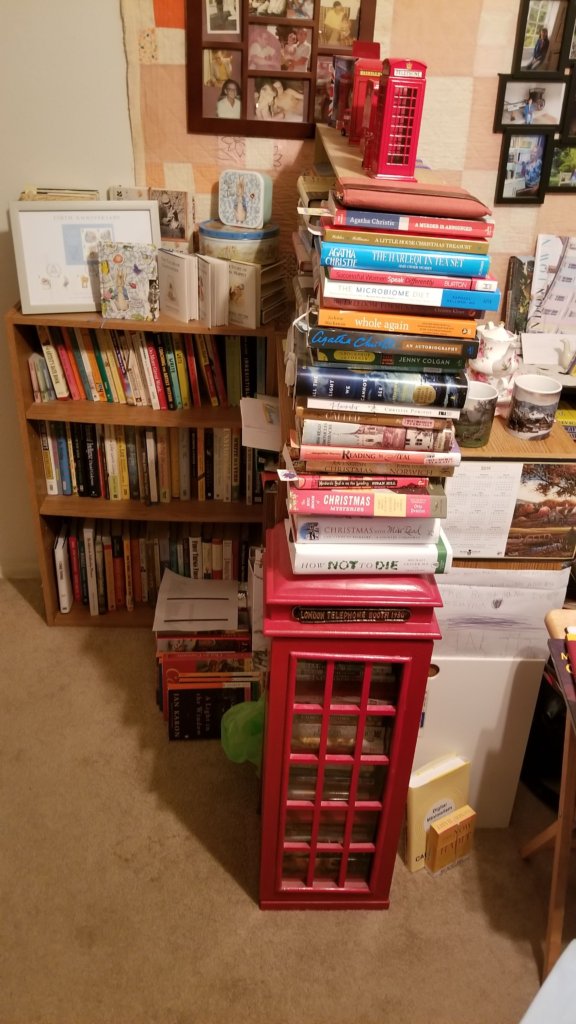
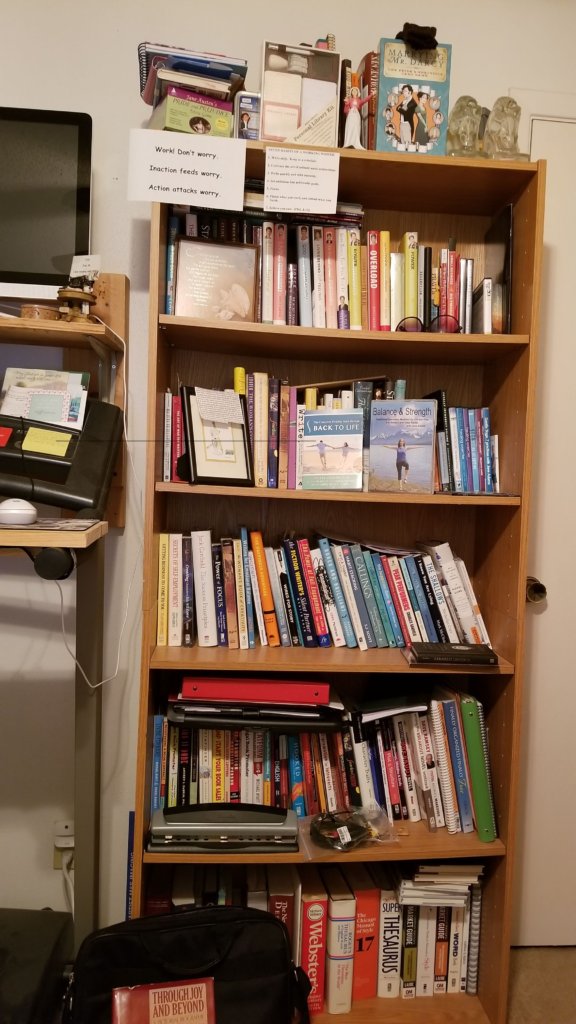
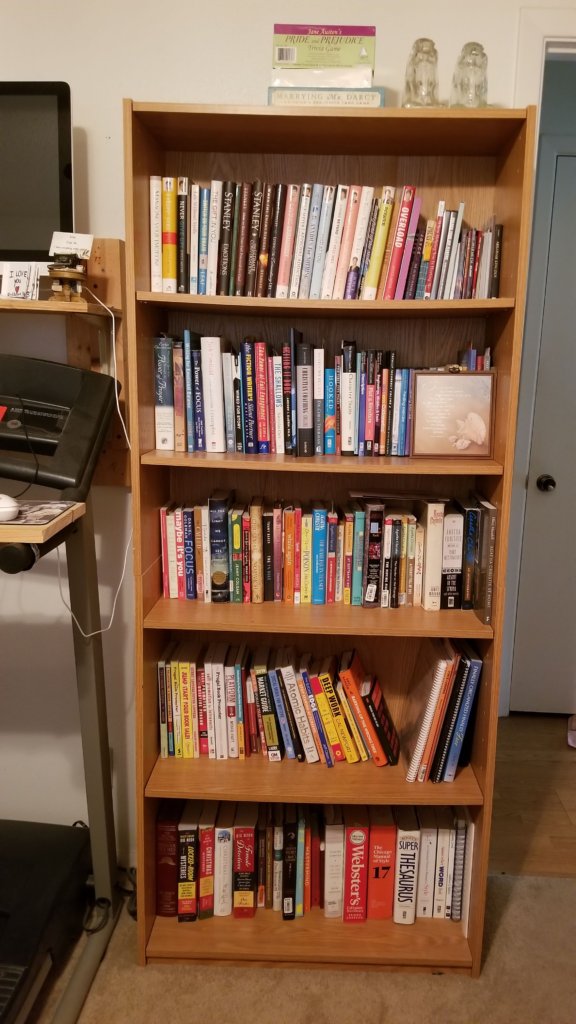
I have a small 10-foot X 10-foot office which holds a treadmill/desk, a computer desk, a large table, and nine bookcases.
Plenty of room for books, right?
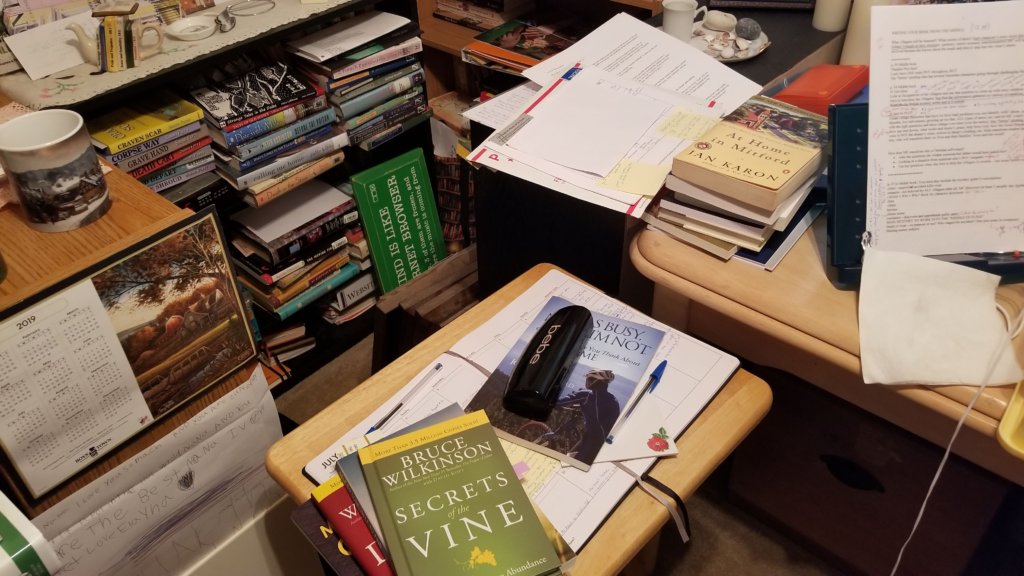
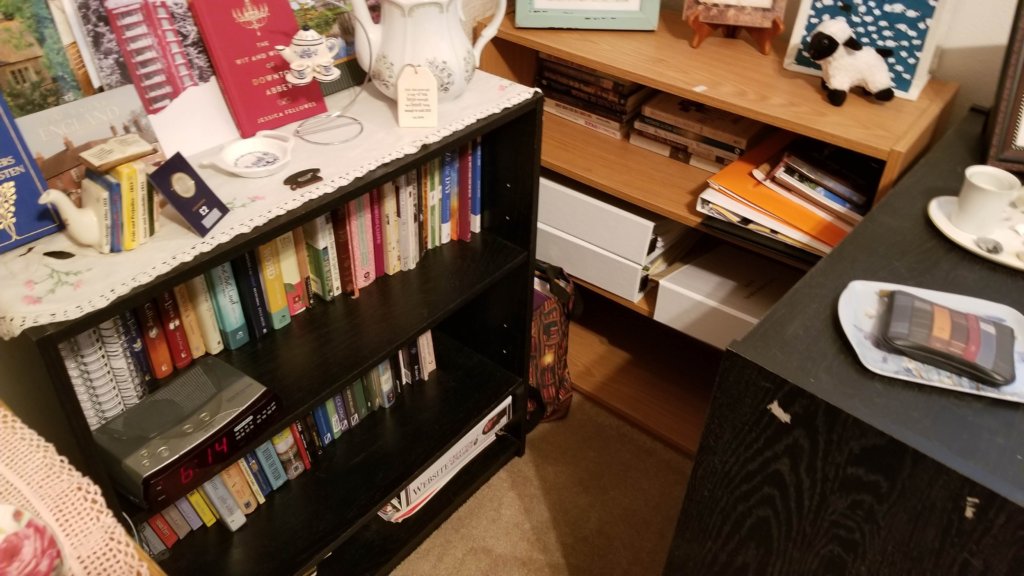
You’d think so, but I also had books stacked everywhere, and no place to work or spread out research and papers. I have writing deadlines I must meet this summer, but I couldn’t settle down to work in my terribly cluttered office.
What To Do When Life Happens: Buy Books!
Since January when I broke my hand, followed by a couple of eye surgeries, things have piled up in my office. The rest of my house is junk free (other than closets and pantry), but I struggle with my office. Especially considering my bargain book-buying habit.
Lately, I’ve avoided my office, but there’s no other good place in my house to work. The chairs elsewhere hurt my back. There’s noise (even though I have a quiet husband). And my reference materials are stored in the office.
I thought my trouble was focusing as I’ve tried to get a grasp on my writing time since returning from vacation. But when reading I Was Busy, Now I’m Not by Joseph Peck, I was struck rather forcibly by this statement:
“There are two things to organize—your time and your space… Removing clutter from your physical environment helps you think more clearly and brings more peace. Getting organized is crucial to the matter of redeeming the time.”
Where Do I Start? Unclutter 101
I had tried to straighten up my office many times, but I simply had no room for everything, especially the books I had collected for the last 25 years. What to do? As when dealing with any issue, I figured there was help available “out there,” and so there was. I found the Becoming Minimalist website and signed up for a 12-week Uncluttered course. I thought that surely, with the help of videos and weekly email pep talks, I could bite the bullet and get my office functional again.
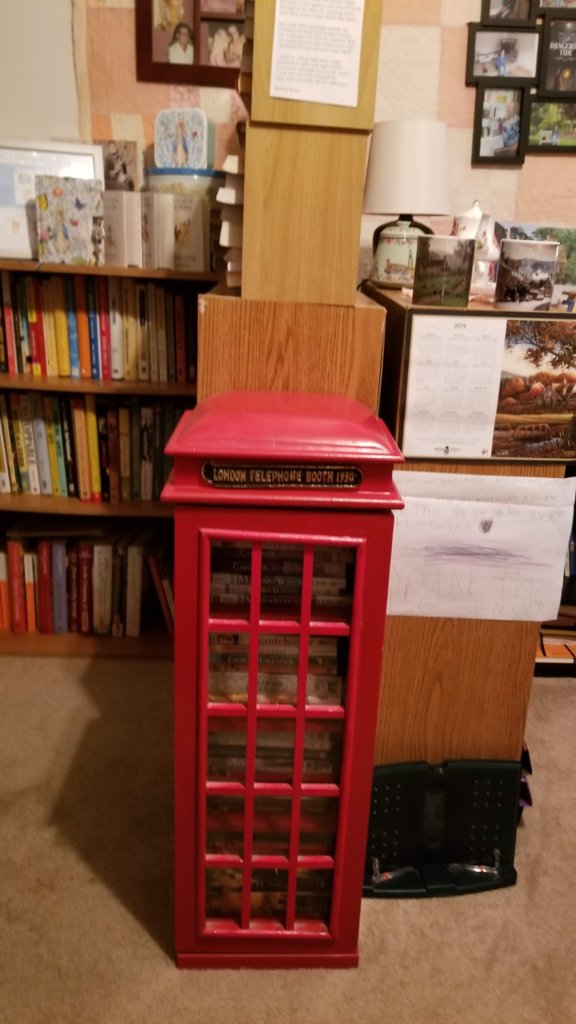
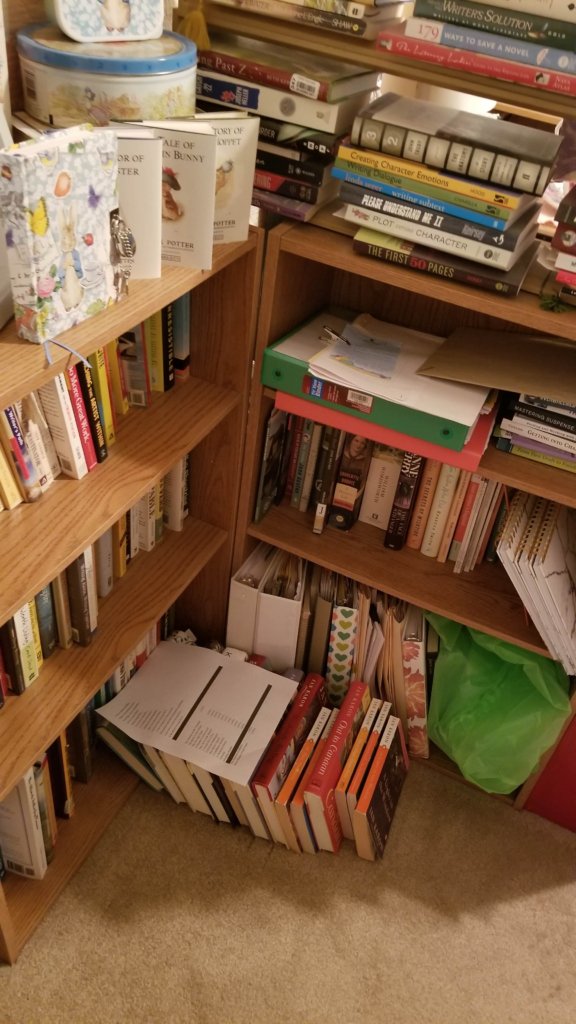
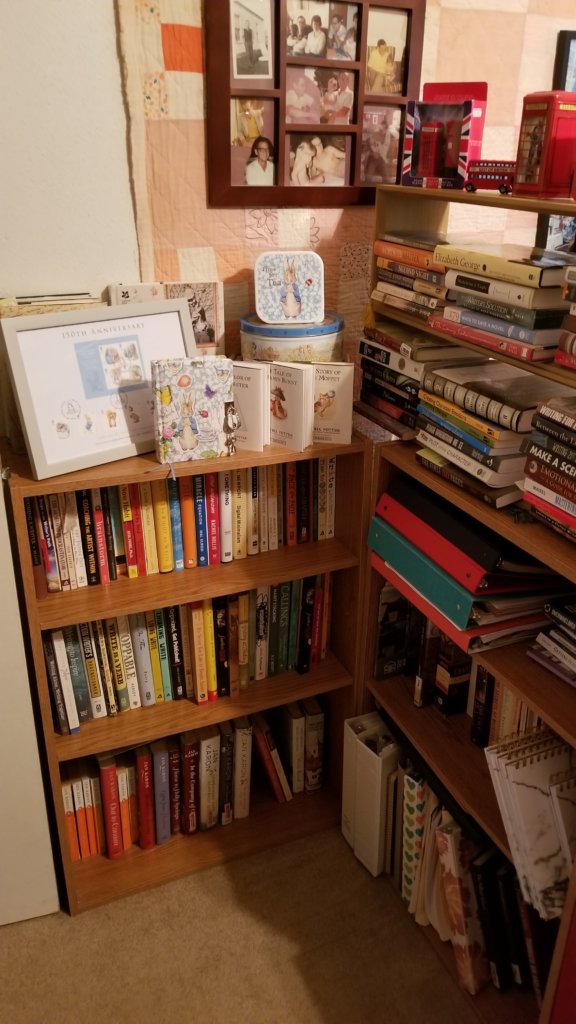
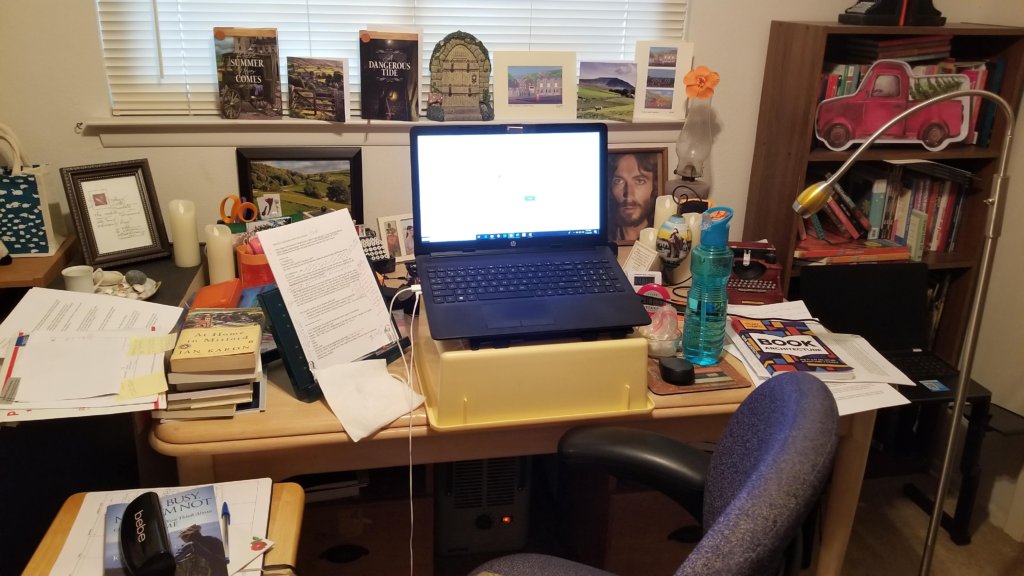
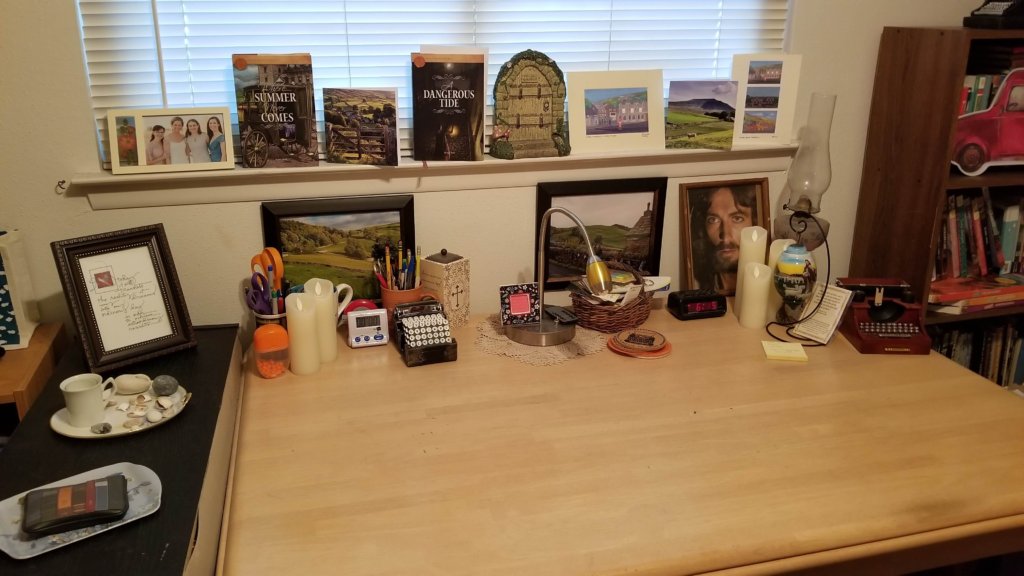
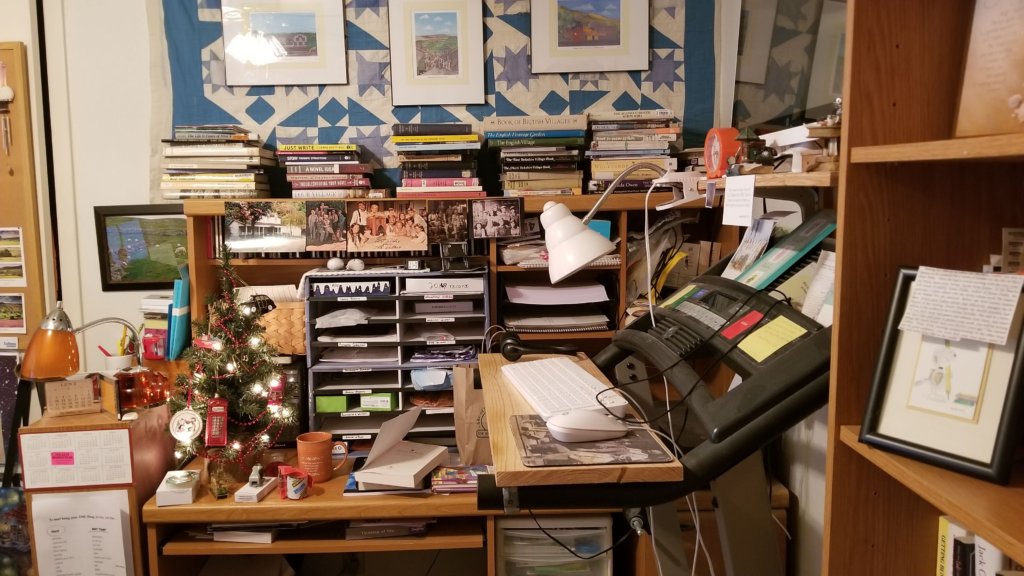
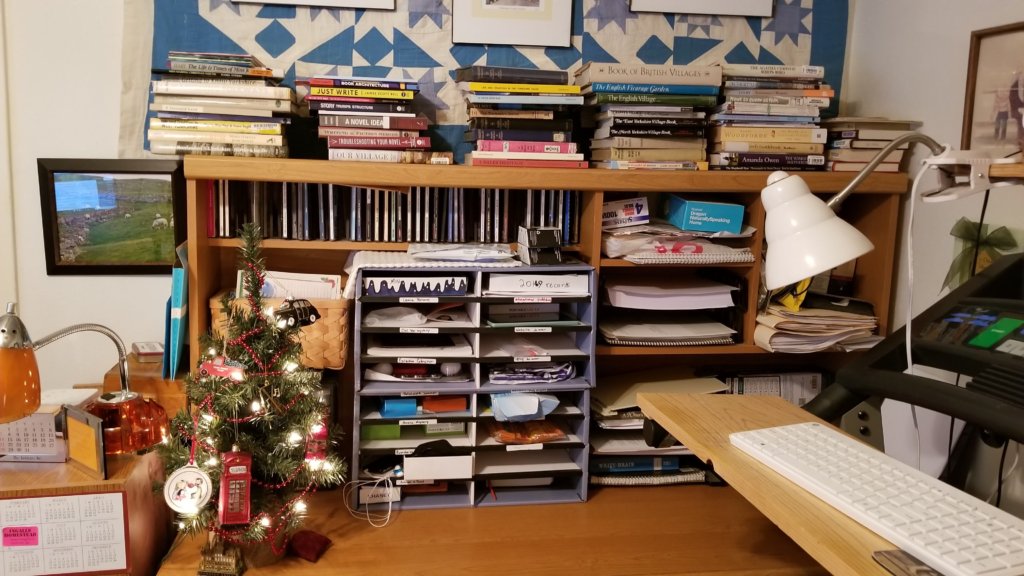
One weekend and fourteen fewer bags of books later, it looks terrific. (See the contrast below.) All the book shelves are still full, but the floors are clear, I can see the treadmill again, I re-discovered so many unread books, and I can find things! Five bags of books were donated to the Book Cellar downtown for re-sale, and nine bags of books went out in the trash. (I mark up all my nonfiction and scribble notes all over the margins, and no one wants them for re-sale.)
Saying Good-Bye to Friends
I grieved, truly, as I parted with my books. I glanced in many of them, noting the dates and messages in the margins which reminded me of what I was dealing with at the time. Those writing books and self-help books chronicled my various recoveries over the years, and those books were like my friends. Those authors and their support or advice were always at my fingertips. If only I could have kept them all!
Here are the before and after photos of various parts of my office. There are many British photos and mementos from my trips to England, and yes, my mini Christmas tree with the British ornaments stays up all year. I love my office now and can’t wait to go in there in the morning. The minute I sit down at my cleared-off desk, I actually feel focused. And I am still surrounded by a ton of books, which makes me really happy.
If you need to do this too, I hope you bite the bullet. You may find that it’s the only cure you need to give yourself instant focus.
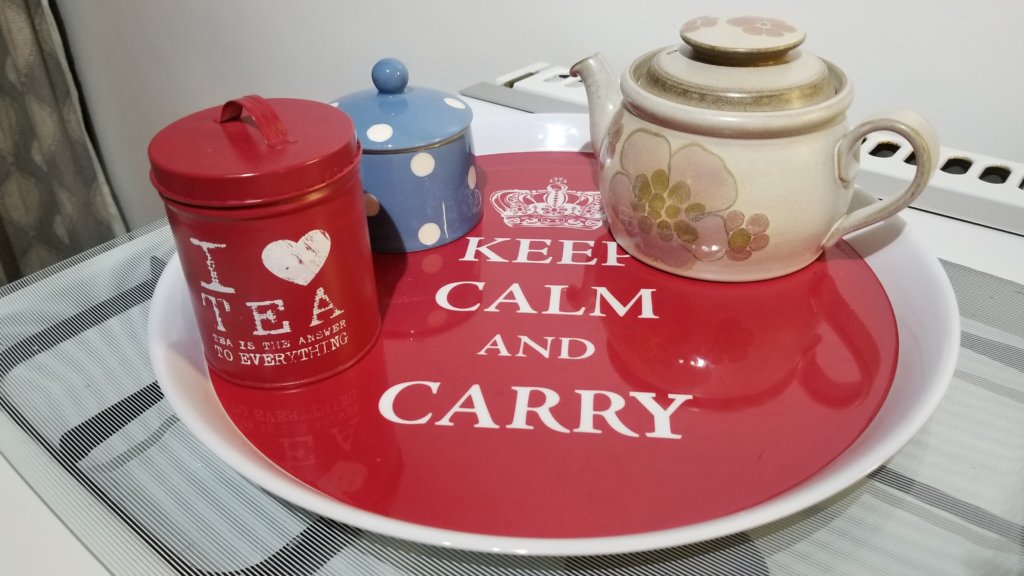 England, October 7: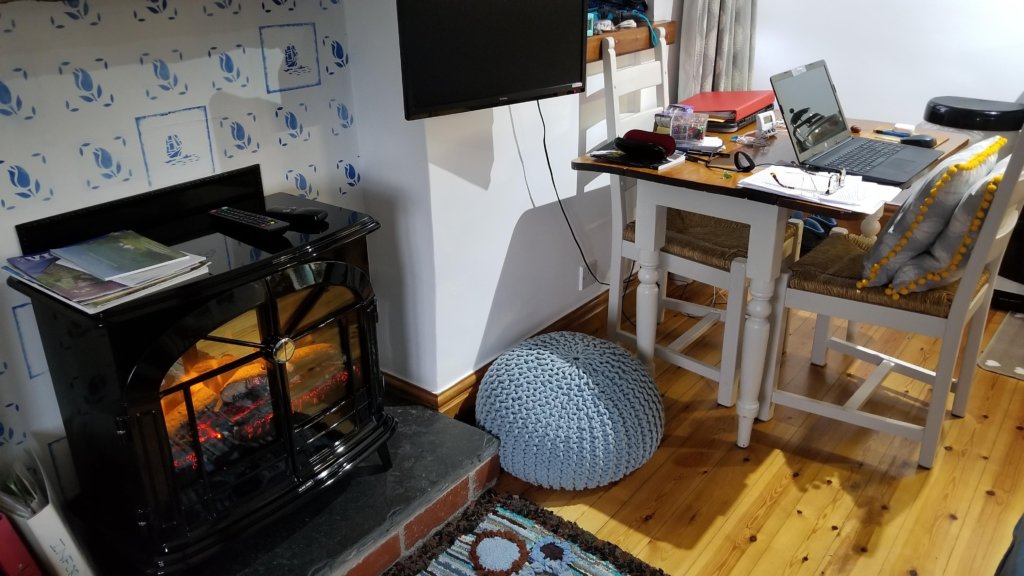
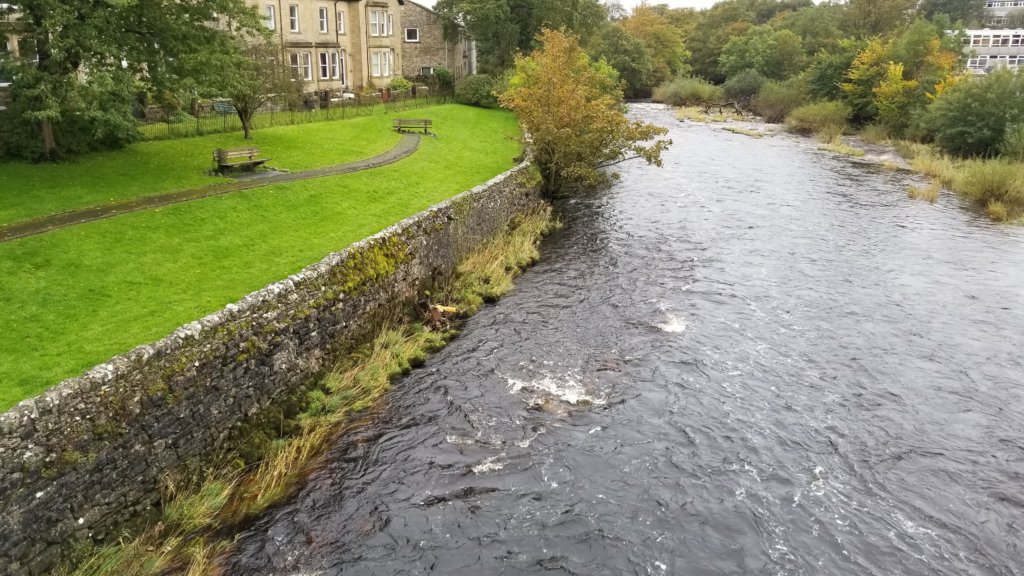
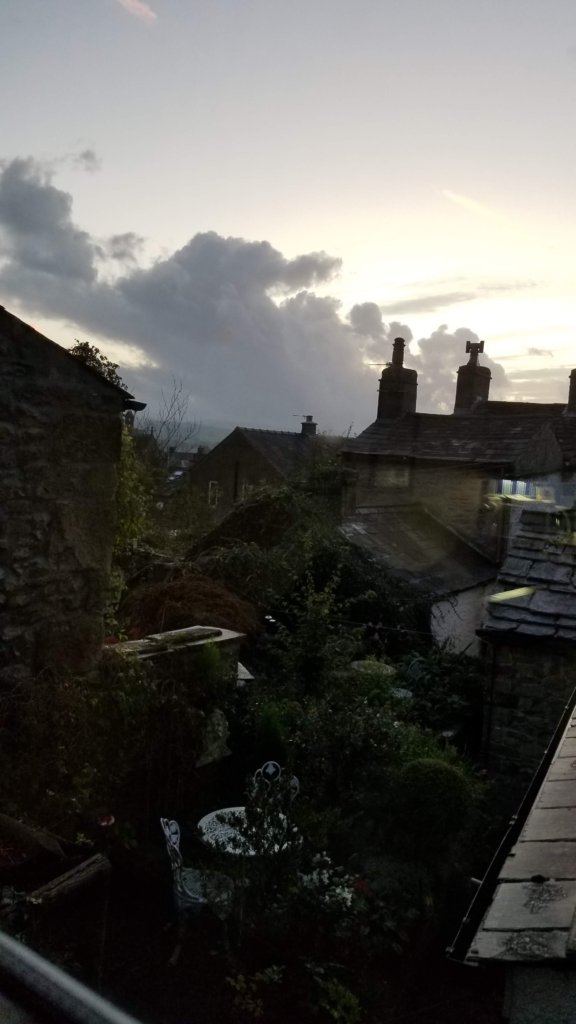
 England, Oct. 6: I had an easy day today:

 England, Oct. 5: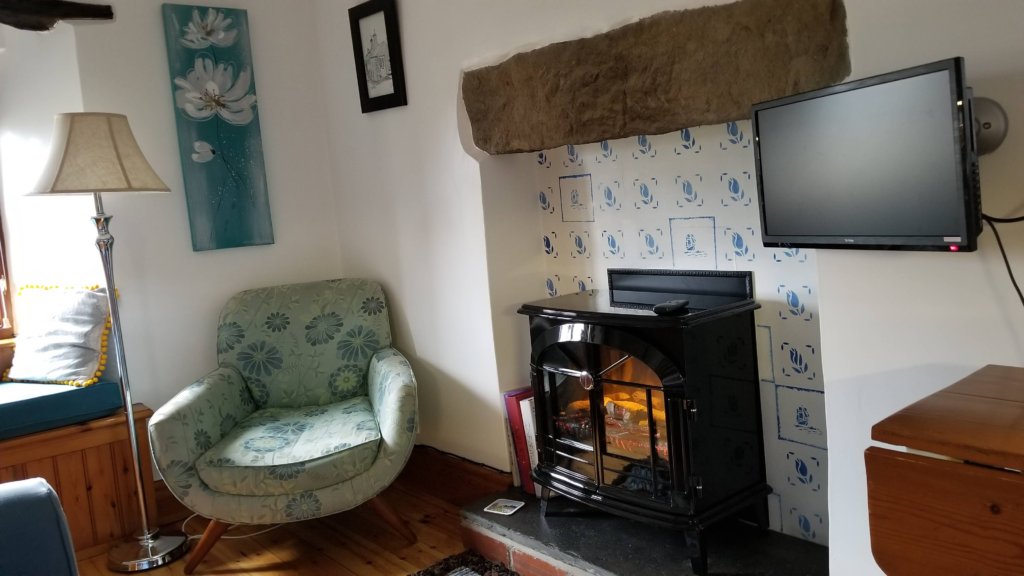
 deep, a rare combination, and such a kind man. He was our keynote speaker for the weekend, plus he shared in workshops, and I came as close to being a groupie fangirl as I have ever come in my life.
 It’s not so easy to put first things first. It’s not even easy to decide what should be first!
 I appreciate SO VERY MUCH all the emails over the past few months inquiring about my health.