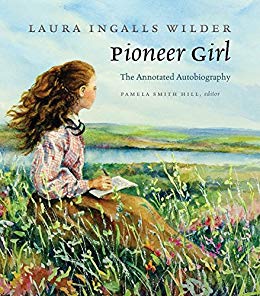
Making Memories with Laura Ingalls Wilder, Pioneer Girl

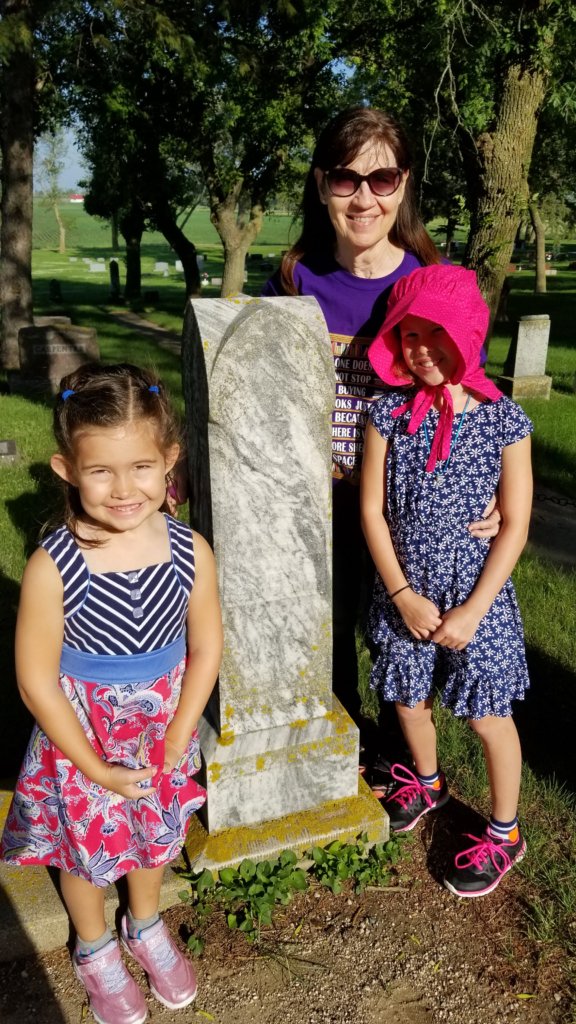
In a slight departure from the writing tips posts, I want to share some photos of the homesteads where Laura Ingalls Wilder lived. I just returned from touring sites with my youngest daughter and her two girls (ages 6 and 8).

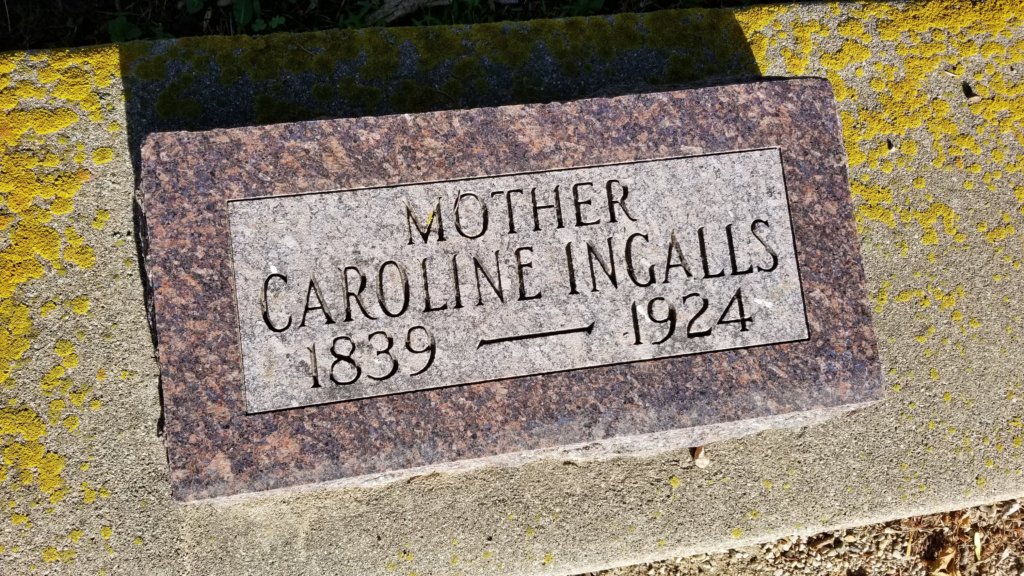
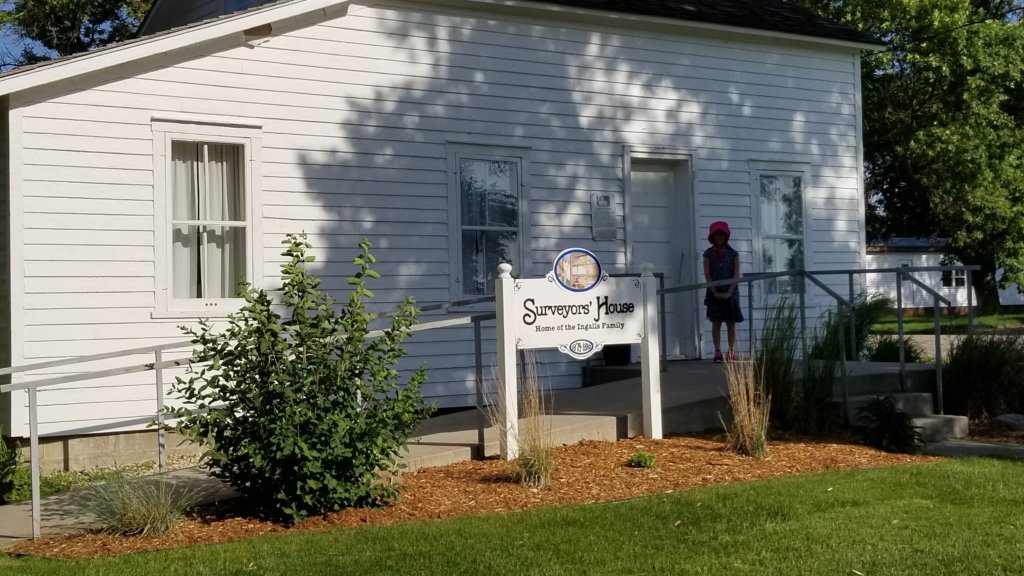
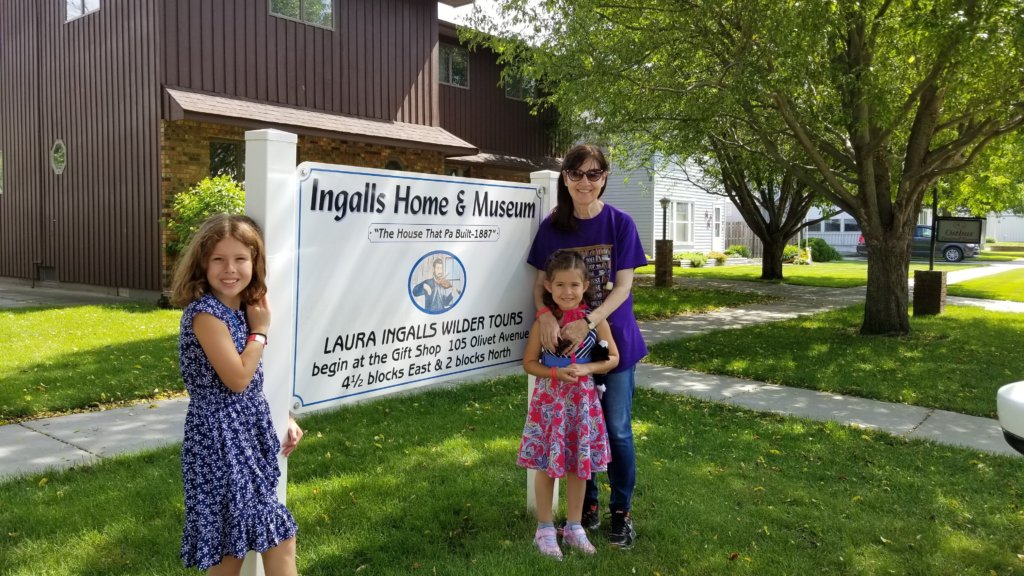
My granddaughters read the Laura books this past year, and my own three girls were raised on them. They visited Independence KS and Walnut Grove before I caught up with them. These are photos from De Smet SD and Mansfield MO

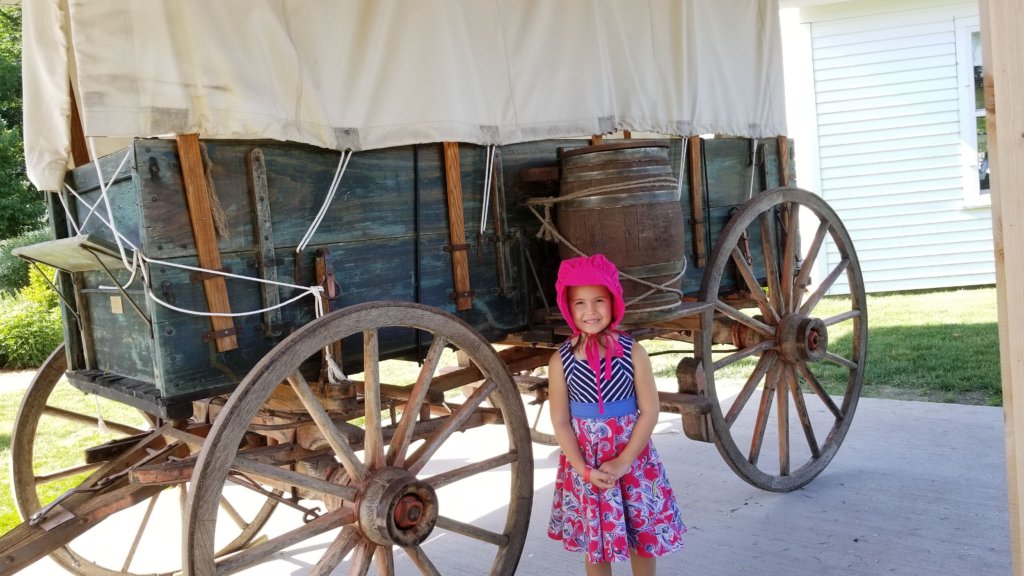
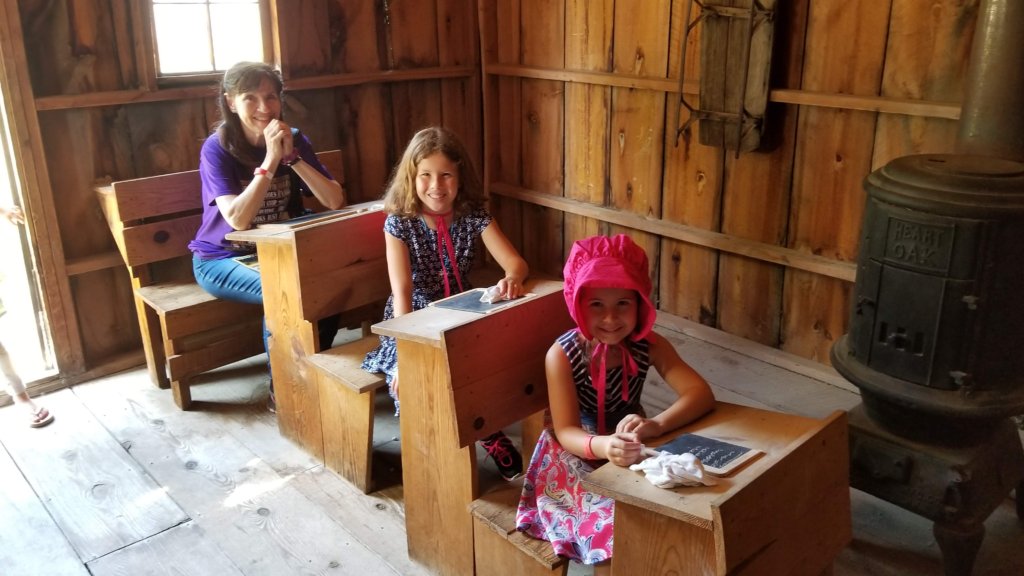
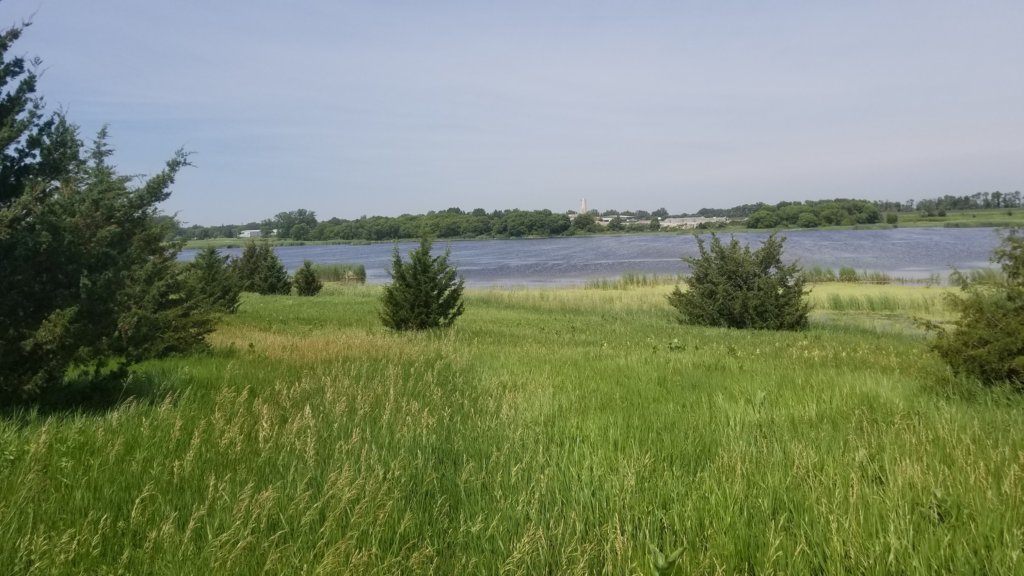
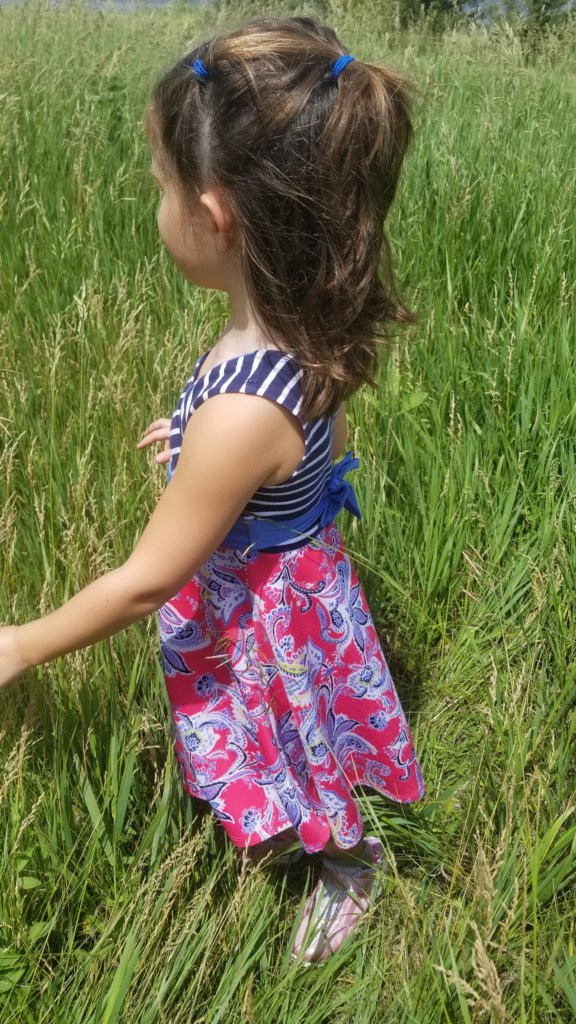
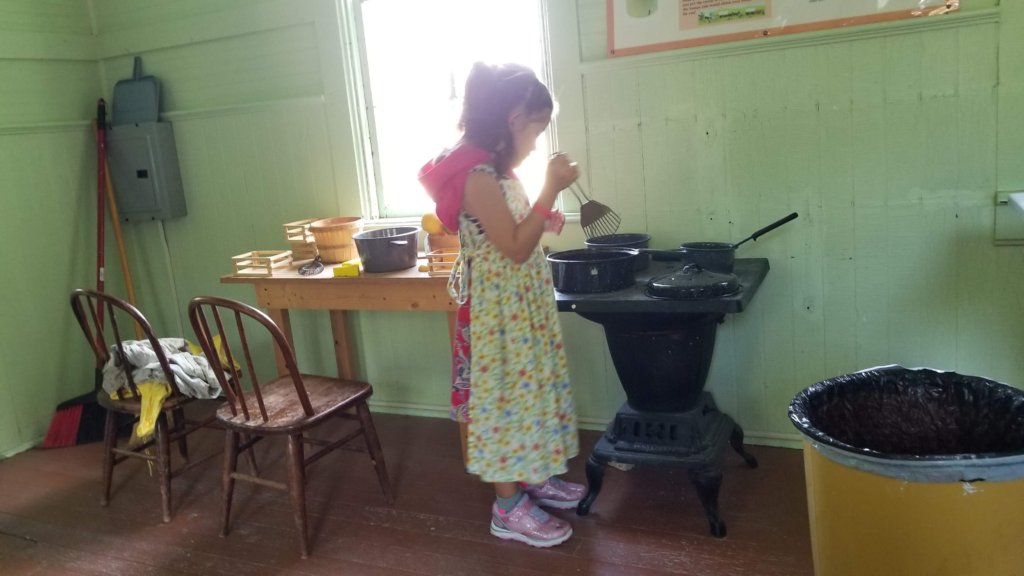
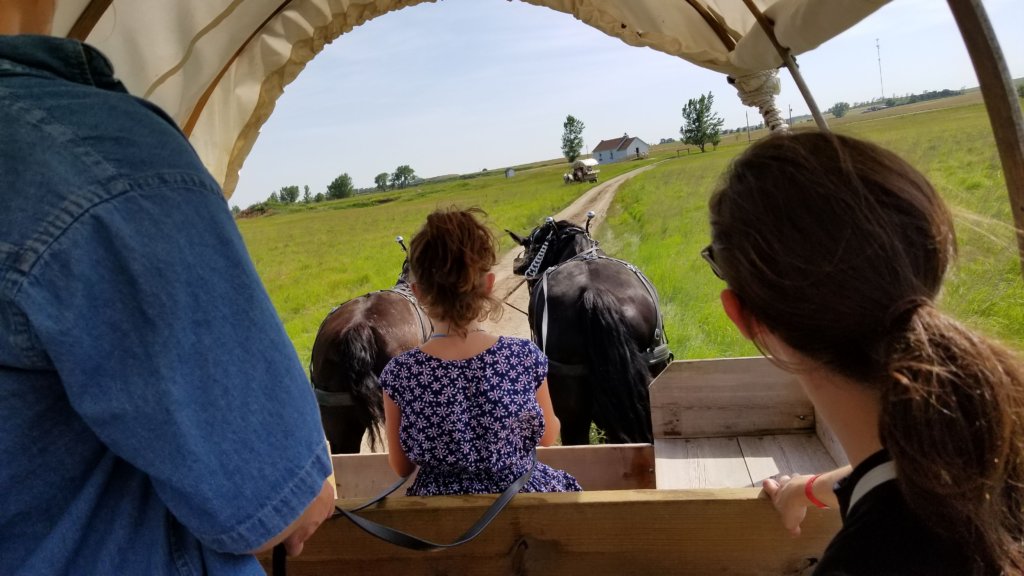
The pictures below are mostly from De Smet, where we could take more photos of the hands-on experiences. (Rules prohibited photos inside the actual Ingalls homes and surveyor’s house.) There is also a photo “On the Shores of Silver Lake” in De Smet.

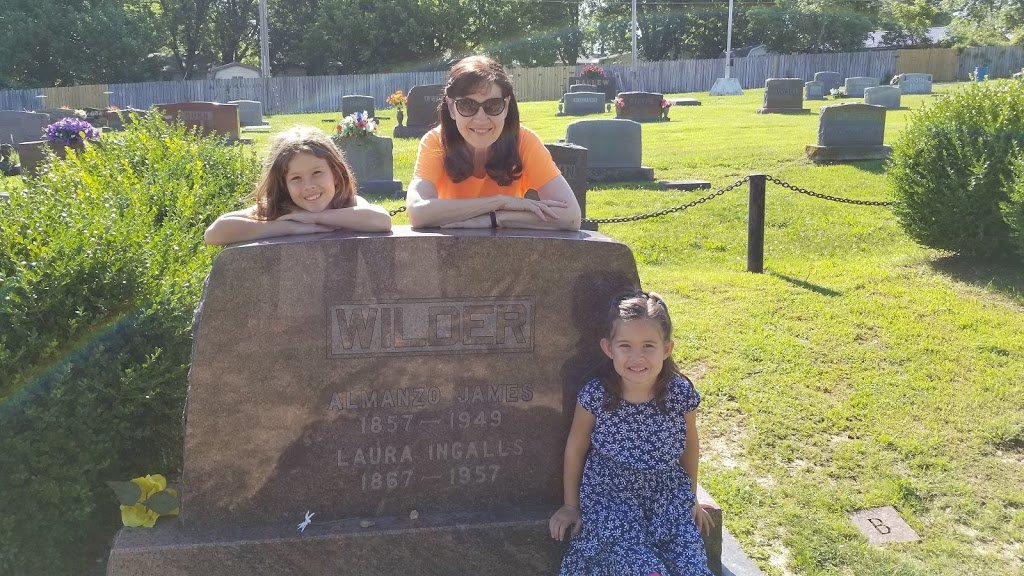
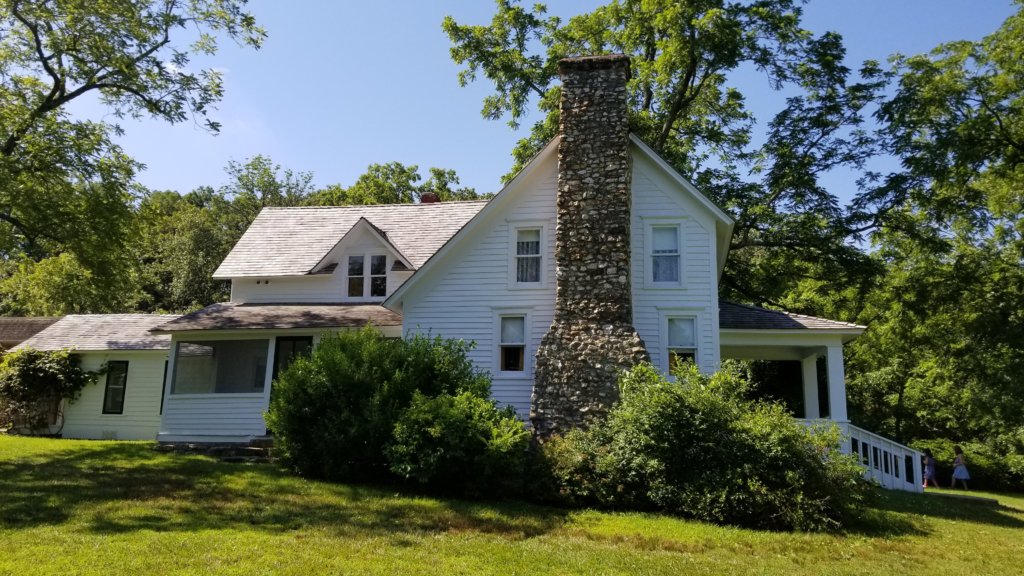
The last two photos are from Mansfield MO, at Laura and Almanzo’s home where they lived many years. (They built that huge farmhouse by hand themselves, one room at a time as they could afford it, with materials found on the farm.) Everything in the house was exactly the way Laura left it when she died in 1957. For us devoted Laura fans, it was incredible getting to see Pa’s fiddle and the two items saved when Laura and Almanzo’s first home burned down, among dozens of other personal effects.

Laura, the Writer

As a writer, I loved seeing Laura’s writing desk, left exactly as it was the day she died. (I loved that a letter from her publisher lay on her desk. It was called Harper & Brothers then. I’ve had a number of books published by HarperCollins, as it is now called.) I know it’s rather silly, but I also loved seeing her Blue Willow dishes in her kitchen. (I have collected them since I got a child’s Blue Willow tea set when I was young.) A kindred soul!

For all you Laura fans out there, here’s my mini tribute to a tough, sensitive, gritty, wonderful pioneer girl and writer. ENJOY!

At De Smet, South Dakota 

Mansfield, MO

Blasting Off: Reclaiming a Daily Writing Habit

I launched my writing rocket 35 years ago. With a daily writing habit, it took off and kept my career orbiting, despite getting off-course sometimes and necessitating a re-calculation. In theory, a re-launch would never be required. 

But the last couple of years have wreaked havoc with my writing routine. Breaking my left wrist in four places, learning to type again, losing my mom, breaking my right hand in two places, two eye surgeries (one of which went awry), and a couple other major life “events” meant that I have spent the last few years learning how to start again . . . and again . . . and yet again

Why So EXHAUSTING?

Thank you to each one of you who wrote to ask if I were okay. I really appreciated that. I knew that I both needed and wanted to get back to blogging. First, I needed to face the fact that I’d replaced my iron-clad writing routine with a “maybe I will, I’m so tired, maybe I won’t write today” attitude. That needed fixing first. I had succumbed to Newton’s first law where objects at rest tended to stay at rest!

I tried to get back into my former writing routine (devotions early in the morning, followed by a time block of four hours for writing). Even with my mental flogging, I could only manage that routine for a few days. Then I cut back to two hours, then half an hour, and then gave up altogether for three or four days.

I had no energy for it! But why? I was happy when writing, but instead of energizing me again, it wore me out now! That really worried me.

Pull of Inertia Vs. Lift-Off

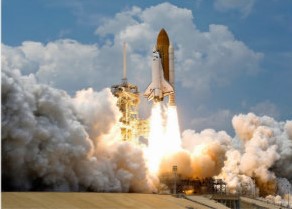
The answer came when I was listening to a podcast last week. Someone mentioned how much energy a rocket needed for lift-off. Did you know that 70% of the fuel on board a rocket is used up during take-off, trying to escape the pull of the earth’s gravity? Seventy percent! The rest, a measly 30%, is all that is needed to get to the moon and back (or wherever the rocket is headed) once the rocket is up to speed.

A light bulb went on when I heard that. Getting started with my writing routine again seemed to take so much energy each time. Apparently it wasn’t my imagination either. I always knew that getting started was the hardest part, but now it made sense why. It took more than half of my energy! I was in the habit now of sitting, not writing, or watching Britbox mysteries, not writing.

So it was no wonder that, after overcoming my inertia, I had little energy left for writing.

Blast Off? Who’s Kidding Who?

Did you ever notice how S-L-O-W those rockets lift off? They don’t blast off! They make lots of noise, raise lots of dust and smoke, shake and shimmy, and barely move an inch or two. Then more noise and dust, and they lift off six inches, then a foot. But it takes a lot of noise and effort and time to reach any kind of speed or escape velocity.

And that is exactly how we “lift off” again when our daily writing habit has been disturbed a few times. We shake and shimmy, make noise and smoke, burn more than half our energy, and lift off an inch at a time. But we DO lift off!

A Daily Writing Habit: Give It Time

If my theory was right, I knew what to do. I tried something new.  I granted myself the grace to admit how much energy it took to get started again. If actually sitting down and creating words out of thin air again was going to take 70% of my energy, then I wouldn’t expect my remaining 30% to produce four solid hours of writing.

No.

Instead, I expected to write one full hour with my remaining energy. That mini goal equaled a very successful day. I’ve followed that routine all week, and I’ve succeeded five days in a row so far. Actually, today I went beyond the hour because I still had some energy left. I doubled my daily word count, in fact, but was no more tired than yesterday after one hour.

THIS IS THE POWER OF HABITS, in my opinion. That is why I aim to write daily from now on. I never want to get back to the place where simply attaining “lift off” takes 70% of my energy. With a daily writing habit, you slip into it almost without effort. That leaves about 95% of your energy–NOT 30%–for your writing.

And that’s the kind of magical writing day that leaves you more energized than you began.
ARGH! I’ve Done It Again

As I announced before the holidays, I planned to take a break from social media for a month. I did that, and soon I will write about some of those results.

But lately I’ve received several emails asking if something was wrong and why I didn’t resume the blog in January. 

Well, it’s because I did it again.

History Repeats Itself

Less than two years ago I tripped and fell in the backyard, breaking my wrist in four places. Healing involved being in three different casts for three months, then learning how to type all over again due to a frozen wrist.

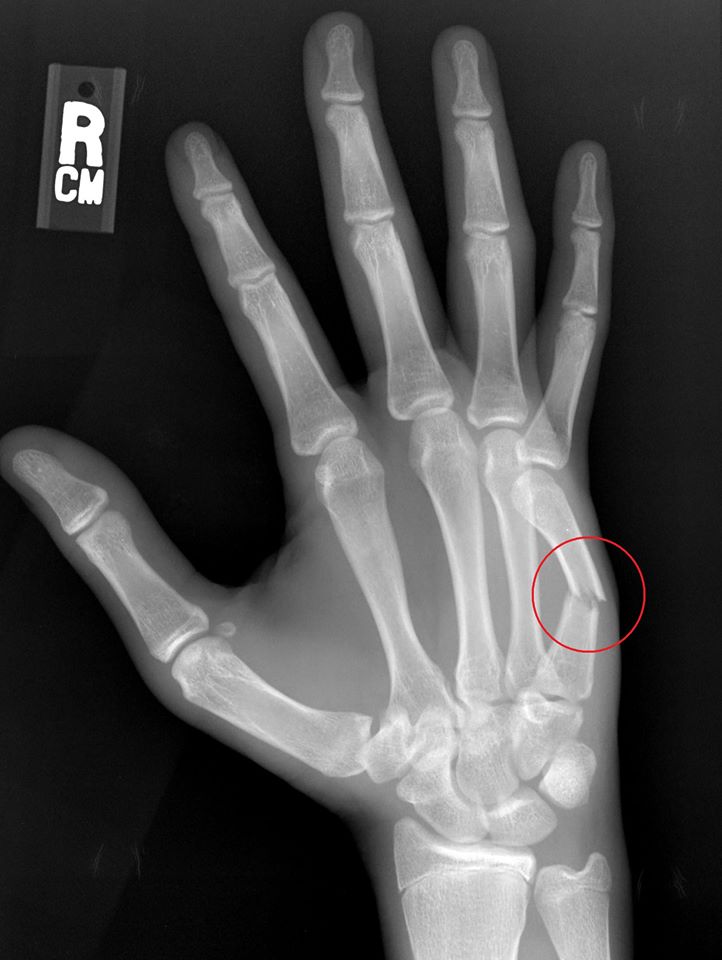
This time my accident was much less serious, but when I fell in early January, I broke my right hand (and I’m right-handed). The first picture below I got off the Internet. It shows which bone is broken, but mine broke in three pieces instead of two. 

At first, I couldn’t move my arm, wrist, hand, or fingers. Now I’m in a removable cast and can wiggle my fingers and shower without a plastic bag!


Online . . . Sort Of

For several weeks, I answered email and completed copy-editing projects typing with my left index finger. You can imagine how long it took. Occasionally I use my Dragon NaturallySpeaking software, but unless you are writing a rough draft, I haven’t found it terribly helpful, at least not during the book editing phase I am working on.

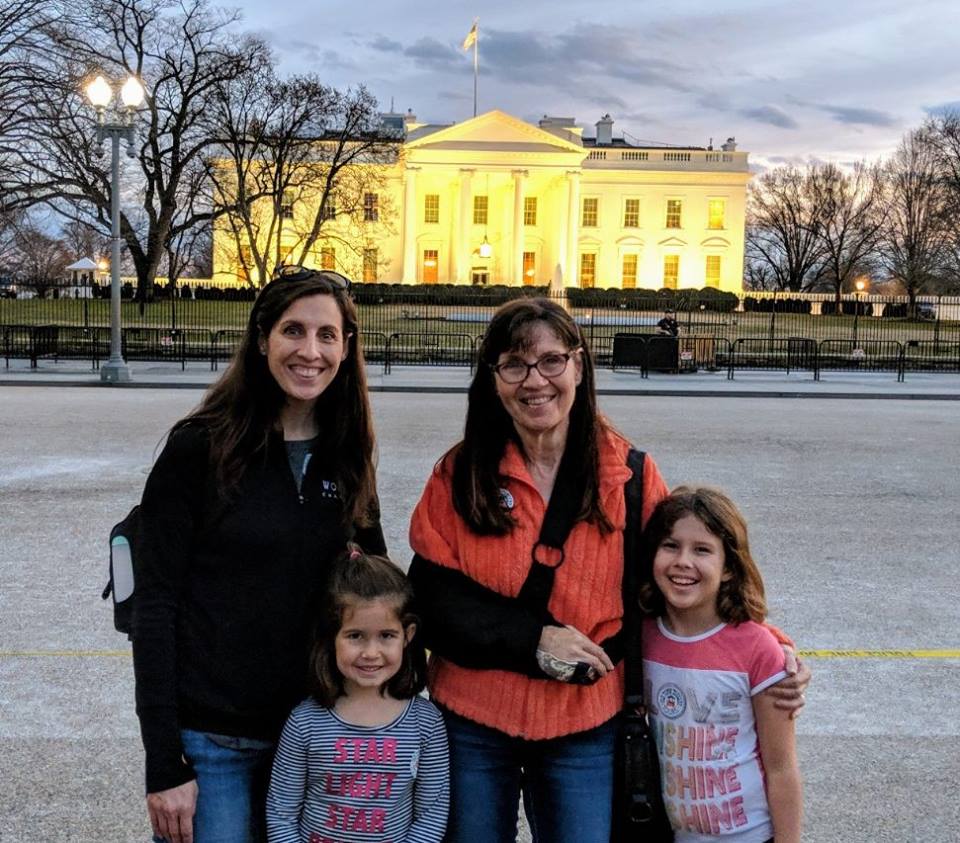
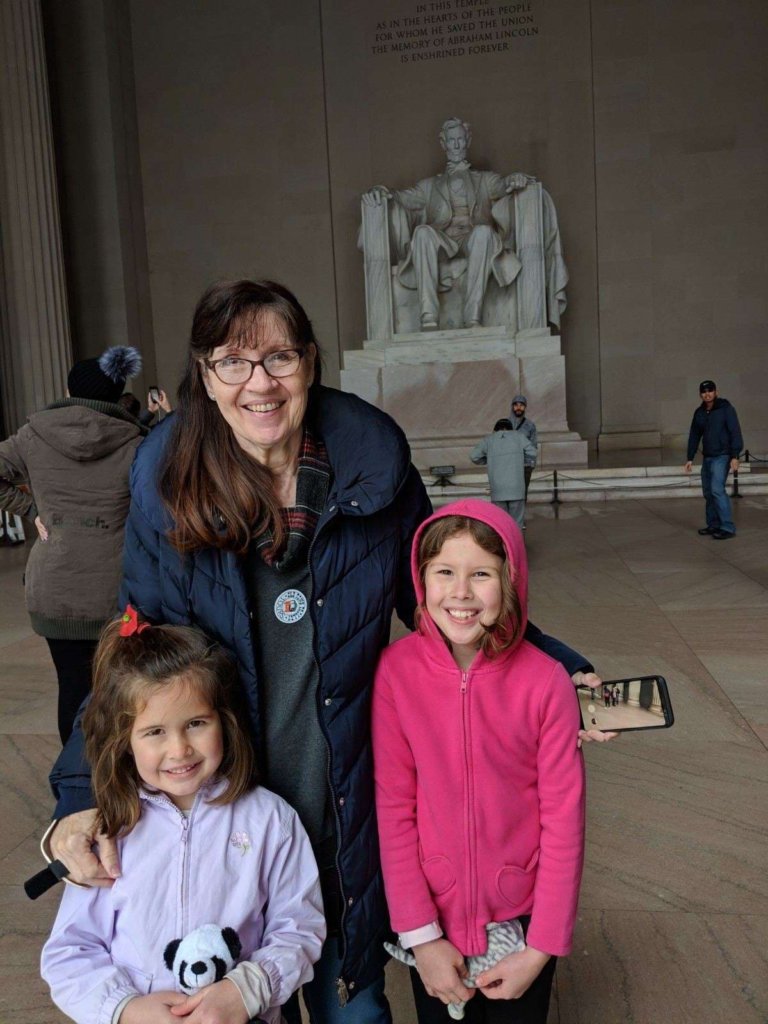
As you can see, I’m getting around just fine. Last week I was even able to accompany my youngest daughter’s family on a trip to Washington, DC.

I had never been there before, and it was so very inspiring. We toured about a dozen museums and government buildings, but my favorite was the Lincoln Memorial.

Any Tips?

Thank you for the kind comments I received in the email and on Facebook. If any of you are prone to falling or have very breakable bones, please send me any tips you have for avoiding falls. I have done the obvious things, like making the shower safe and putting nightlights in every room of the house, but I’m sure there are lots more things I could be doing so this doesn’t happen again.

I plan to be back to the blog very soon. Next week I get my hand x-rayed again to see if it is mending. If the bones are starting to stick together, I can avoid surgery for sure. I also have cataract surgery next week, which I am very excited about. Very soon I should be able to type again and actually see the keyboard without squinting! I can’t wait!


Digital Detox: My Christmas Gift to ME

This fall, I read many books on habit formation (in the hopes of building better writing and health/healing habits). Several have been terrific, helpful, and practical (see below). I have already blogged about a couple of them here and here.
While each book had a different focus, at least one chunk of each book was devoted to limiting (some would say severely limiting) screen time, including use of smartphones, and specifically social media and email.

It’s well accepted and scientifically proven now that screen time changes even babies’ brains, induces ADHD in children, and creates and deepens depression in teens. However, it does just as much damage to adults. It does more than waste time. It also causes or deepens depression, creates brain fog and forgetfulness, increases internal pressure to hurry, helps us procrastinate, and robs us of much needed time for other things.

If this describes you, and you want to know how to kick the screen habit, try these books:

I decided, for Christmas this year, to give myself a gift: detoxing from screen time, including social media. My “default” needs to be re-set. It is a gift that should outlast the holiday season.

Filling All That Free Time

What will I replace all that screen time with during the holidays? For the most part, reading. I have noticed that when I am sick or simply exhausted, nothing revives me like reading for pleasure. Even just fifteen minutes immersed in a good book can rejuvenate me.

Turns out, I’m not alone at all. There are books on reading for healing! Here are two of them that I like.

I’ll see you back on the blog early in January, 2019. I will be keeping notes in my journal about changes I experience during this time. I am eager to see how absence from screens and social media will change my experience of Christmas.

Until January, Happy Thanksgiving, Merry Christmas, and Happy New Year!

Minimalist Living and the Internet: a Productive Partnership

Today I read a blog post in my Inbox about making great use of the Internet and smartphones without wasting time and trading your life for it. The web post by Barking Up the Wrong Tree author (Eric Barker) is HIGHLY worth your time.

Please head over there right now. You’ll find yourself nodding and saying, “Yes! Yes!” as you read.

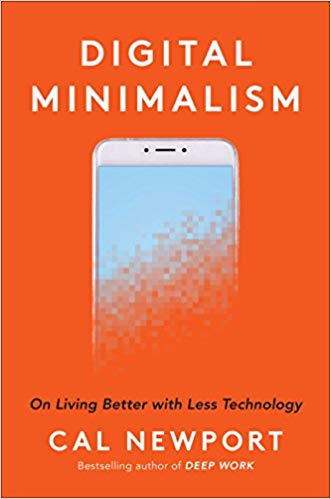
After reading the post, I went immediately to pre-order the book being discussed: Digital Minimalism: Choosing a Focused Life in a Noisy World by Cal Newport. His solutions are made in heaven for everyone, I think, but especially for those of us who write.

While you are waiting for Newport’s new book to be released, I hope you will get a copy of his previous bestseller (Deep Work: Rules for Focused Success in a Distracted World) and read it too.

Best of Both Worlds

Writers: like Dorothy, we aren’t in Kansas anymore. Do you want to do the writing of your dreams, but still be part of the digital age? Then get this expert advice. I think, if we apply these principles, we can have the best of both worlds.

So, don’t waste another minute. Read the preview here.

Domino Effect: Watching Good Habits Fall into Place

I read a lot about habits. I used to focus on breaking bad habits because I had a lot of them. Then I had a few so-so years where things were mediocre. That was better, but not the life I wanted, especially in my health and career. Enter the studies on building good habits that stick. I wanted vibrant good health and a career where I could afford to write what I loved . . . period.

My favorite “habits” books (by writers James Clear, Neil Fiore, Michael Hyatt, and Stephen Guise) pointed out a concept that was a huge turning point for me. I often overwhelmed myself with lists of goals (physical, mental, spiritual, emotional, and career goals.) I tried to do them all because they ALL seemed important to me. That would last a week, tops. Usually less.

What’s the Answer?

Then I noticed a concept that Michael Hyatt called a “push goal” and James Clear called a “keystone habit.” It pinpointed the ONE habit that, if accomplished, made all the other habits so much easier to do! For some people, exercise is that habit. (If they do that first thing in the day, they are more disciplined all day long in other habits.) For others, the keystone habit is a time of quiet devotions first thing in the day, to gain clarity and peace and make the remaining day’s habits much more likely to be achieved. Yet others are like me now: my keystone habit or push goal is sufficient sleep!

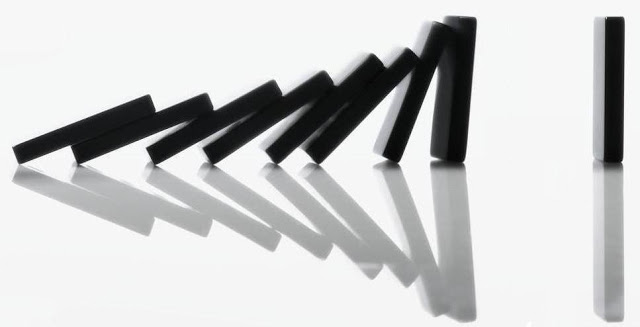
A bad night’s sleep or very shortened hours usually means that my following day will include more junk food, more Netflix, less exercise, and less writing because of headaches and brain fog. A wonderful night’s sleep gives me a day just the opposite, ending with satisfaction that I am further along the way to all of my goals. This is referred to as the domino effect.

Your keystone or push goal habit often changes as you age or go through various life circumstances. When my children were toddlers and babies, my keystone habit was my quiet time in the morning, even if it started at 4:30 a.m. A few years later when I was working full-time, my keystone habit revolved around my evening/bedtime routines so that my systems were place for the next day. Right now, with age and an autoimmune disease, my push goal habit is a good night’s sleep. (That includes what it takes to get one, like less screen time at night and eliminating certain foods.) 

Take Time to Evaluate

Look at your own life and goals. Really think about this. Which one or two habits, if faithfully followed, give you overall better days than if you achieve any other goal? After you identify that goal or habit, push it to the top of your list. Make it small at first so you actually do it. (Walking 15 minutes is a better push goal than running for an hour, at least at first.)

Identify your one keystone habit. Do it daily. And then watch those dominoes fall!

Wounds from the Game of Writing: Earning Battle Scars

Wounds: we all get them.

During the 1988 Jamboree encampment of 32,000 Boy Scouts, one troop (38 Scouts) led the entire Jamboree in cuts treated at the medical tent.

The huge number of nicks from busy knives sounded negative until someone toured the camp and saw the unique artistic walking sticks each boy in that troop had made. They led the entire encampment in other kinds of games, too.

Wounds simply mean that you’re in the game. It’s true for Boy Scouts—and it’s true for writers as well.

What Wounds?

I know an excellent writer who has revised a book for years. But she won’t submit it, even though everyone who has read it feels the book is ready. What benefit does she get from that? She never has to face rejection. She never has to hear an editor say, “This is good, but it needs work.” She never has to read a bad review of her book, or do any speaking engagements to promote her work, or learn how to put together a website.

She will also never feel the exhilaration of holding her published book in her hands. She won’t get letters from readers who tell her how much her book means to them and has helped them. She won’t get a starred review or win an award or do a book signing. She won’t move on and write a second (and third and fourth) book.

Paying the Price

If you want to be a writer, you have to risk a few wounds. Figure out ways to bandage them and recover from them, but don’t be afraid of getting them. They’re simply a sign that you’re a writer. 

Make a list of the parts of the writing life that make you want to stay on the sidelines and out of the line of fire. It might be a fear of rejection, a fear of approaching editors or agents at a conference, fear of online harassment on social media, fear of walking into a writing group for the first time, fear of your mother’s reaction to your novel, fear of bad reviews, or something else. There are books out there for writers dealing with all of these things. Identify your issues, deal with them, and then get in the game!

And later, wear your battle scars proudly!

Six Days Until NaNoWriMo–Time to Gear Up!

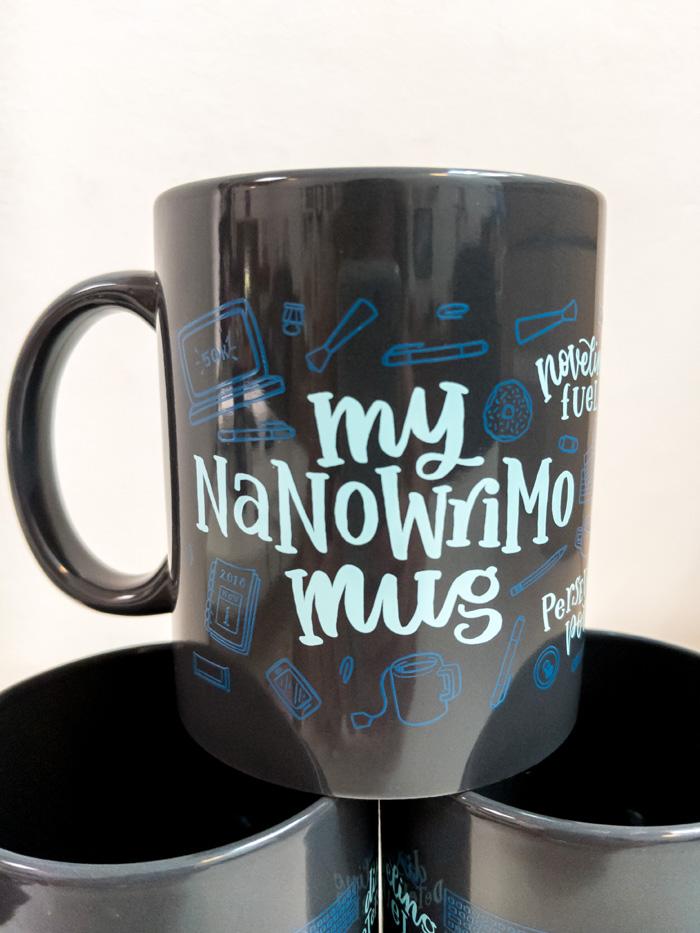
NaNoWriMo (the shortened name for National Novel Writing Month) begins November 1st. I wasn’t planning to join this year, but I realized this week that (for several reasons), I had lost momentum on my novel since coming home from England.

So what better way to get back in the writing habit pronto than joining NaNoWriMo again? It’s worked for me in the past, and it’s free!

Instead of explaining what NaNoWriMo involves and how to prepare for it, I will point you to a previous post that should answer many questions. Exploring the NaNoWriMo website will answer the rest. If you need a shot in your writing arm, or a kick in the pants, there’s hardly a better way to get you writing a lot than NaNoWriMo.

Is NaNoWriMo For Me?

Here’s a good overview of the November event, including all the “extras” you get when you sign up (pep talks by famous writers, an archive of pep talks dating back to 2007, three free writing-focused classes with handouts to help you prepare for November, and much more!)

However, PLEASE NOTE: I am NOT running a challenge group this year. The challenge mentioned in the older article was just for that year. Even though I’m not running a challenge or accountability group this year, I may team up with one other person to hold me accountable. Sharing the struggle and the victory is always sweeter with a writing friend.

Fight Back: The Importance of Reading and Writing Fiction

Not everyone understands why we love to read fiction. With a sniff and upturned nose, it has been called a “waste of time” by many. And when we first begin writing fiction, we may also have trouble justifying using precious free time “just to write stories.”

Reading is more acceptable to some if you read nonfiction. After all, you’re learning something. You’re stretching your mind. You aren’t wasting time on “mindless entertainment.”

However, if you write fiction, some people are not as understanding, especially if they don’t read it themselves. I once had someone close to me say that I only made up stories because I couldn’t handle the real world. That stunned me and hurt, but part of me wondered if there was a grain of truth there.

I both read fiction and wrote fiction because I wasn’t too happy at the time with my real world. I did read to escape (and I had since childhood). And it’s true that for many years, I used stories to right some wrongs and make life turn out the way I wanted it to (e.g. reconciled relationships, or nailing the bad guy, or solving a problem.) I know that “they say” not to write fiction with a message, but those middle-grade novels won the most awards and generated the most letters from children, so not everyone agrees.

Is Reading and Writing Fiction Valuable?

I couldn’t explain it at the time, but I knew instinctively that there were VERY GOOD REASONS for both reading fiction and writing it. I knew in my heart of hearts that I wasn’t wasting time. I knew that I had learned some of life’s most valuable lessons from good stories, lessons that stuck with me much longer than any self-help reading I had done. I sensed that I was doing something good that had value, both for myself (when reading) and for others (through writing fiction).

I wondered if others had the same questions and concerns. A quick search online found dozens of articles on the benefits of reading fiction. So if you question the deep importance of reading or writing the stories you love, check out a few of the articles listed below. You’ll be reassured. And you’ll be eager to open that novel at bedtime or tackle another chapter on your work-in-progress.

Reading and writing fiction is NOT a waste of time. Far from it! 

For Your Reading Pleasure 

If you still have doubts about the importance of reading fiction or writing fiction, ponder these ideas:

  1. The Surprising Power of Reading Fiction: 9 Ways it Make Us Happier and More Creative
  2. 5 Surprising Ways Reading Fiction Benefits Your Mental Health
  3. The Benefits of Reading Literary Fiction That You May Not Know
  4. 10 Reasons Christians Should Read Fiction
  5. Why Christians Should Read More Fiction
  6. Why Reading Literary Fiction is Good for You

The Fun Side of Research: Local Color

Even though I had done months of reading and research before my stay in the Yorkshire village of Settle, I learned so much more by living there a month. 

How I loved all the small town events in the village: folk singing many nights in the pub, a weekly market day every Tuesday, the weekend organized hikes up into the moors to see caves and waterfalls, and talks at the library and museum by people with first-hand accounts of events. And while I didn’t see any front porches with swings, nearly everyone had a gorgeous flower garden out front or window boxes bursting with blooms. This usually meant plenty of gardeners to chat with when you went for a walk.

I will talk later about the people I met, the museum programs I went to, the help I received from two authors and a museum curator there, and the retired folks who told fascinating stories of WWII involvement and working on the railroad during the steam train era. That kind of research was invaluable. Just as colorful, though, were the little local traditions that varied from village to village, the things that made each village unique.

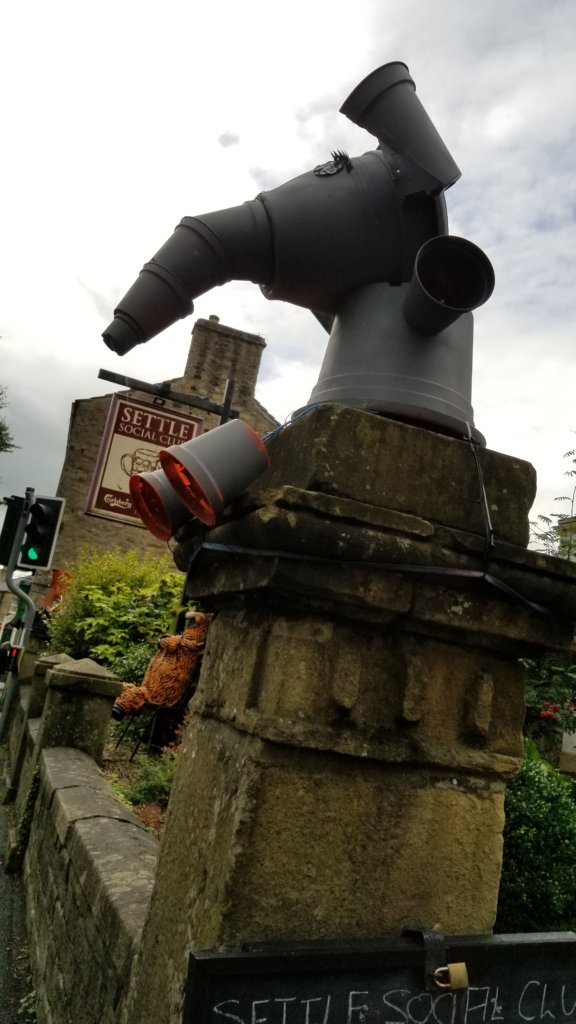
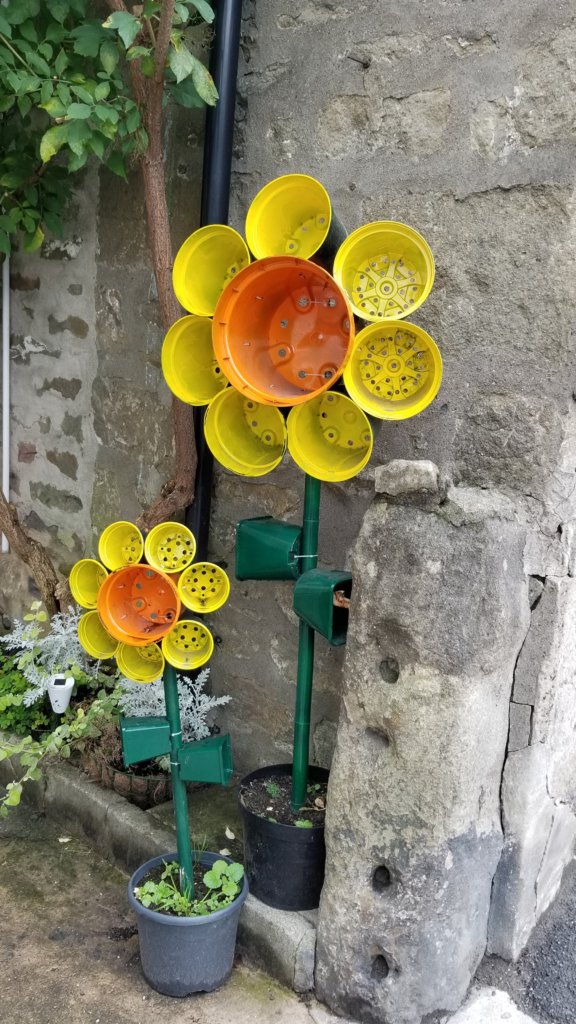
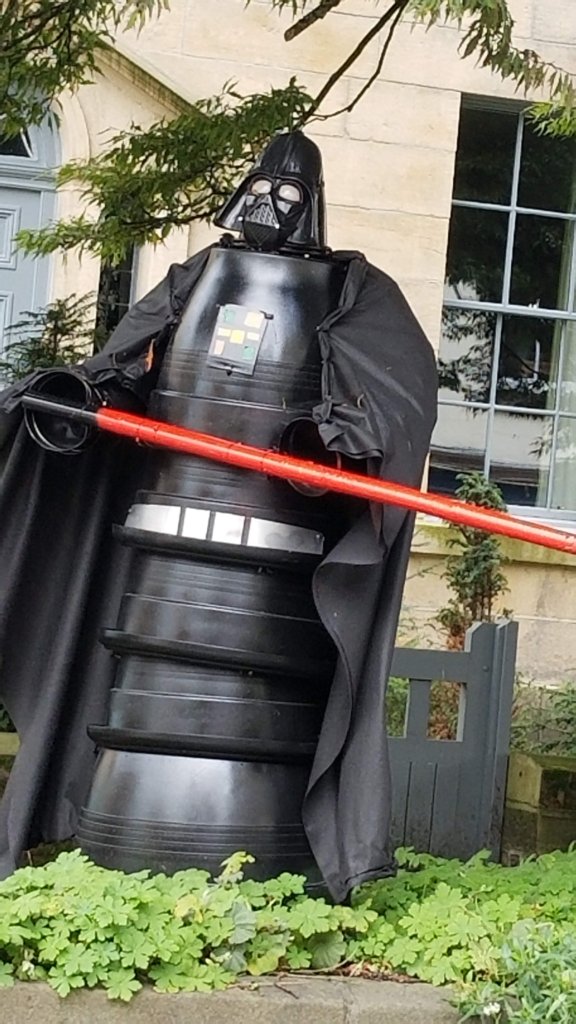
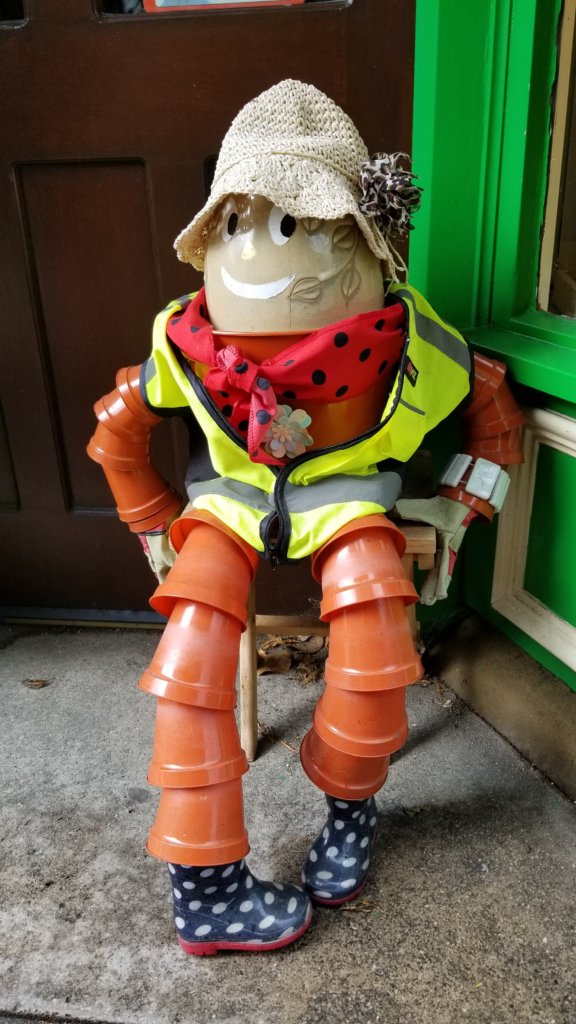
The Settle Flowerpot Festival

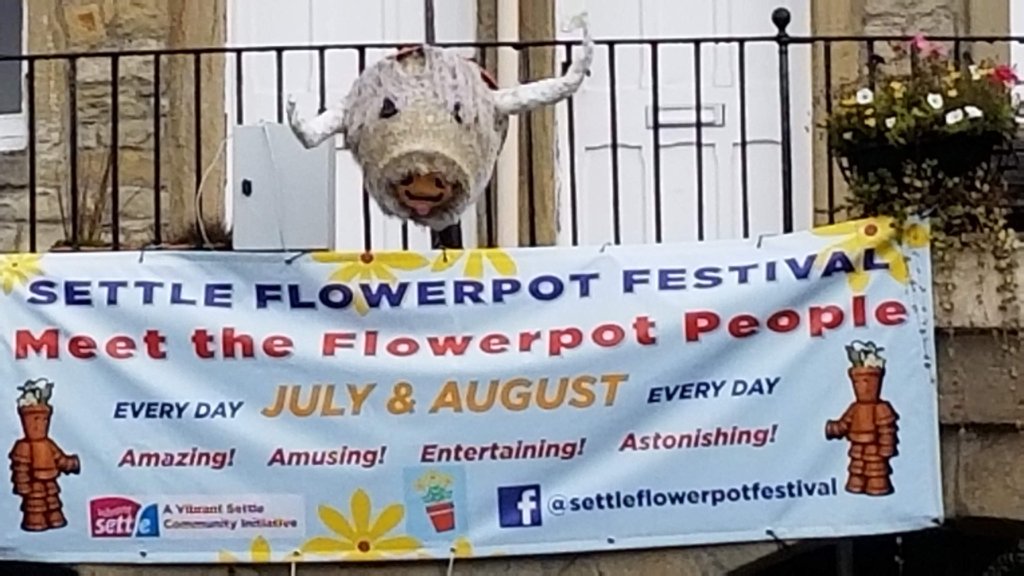
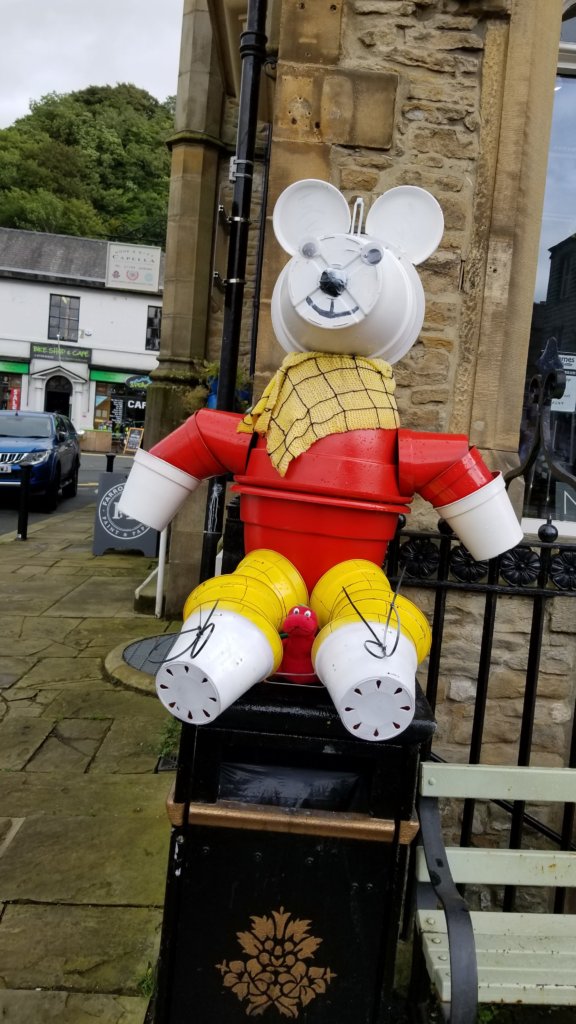
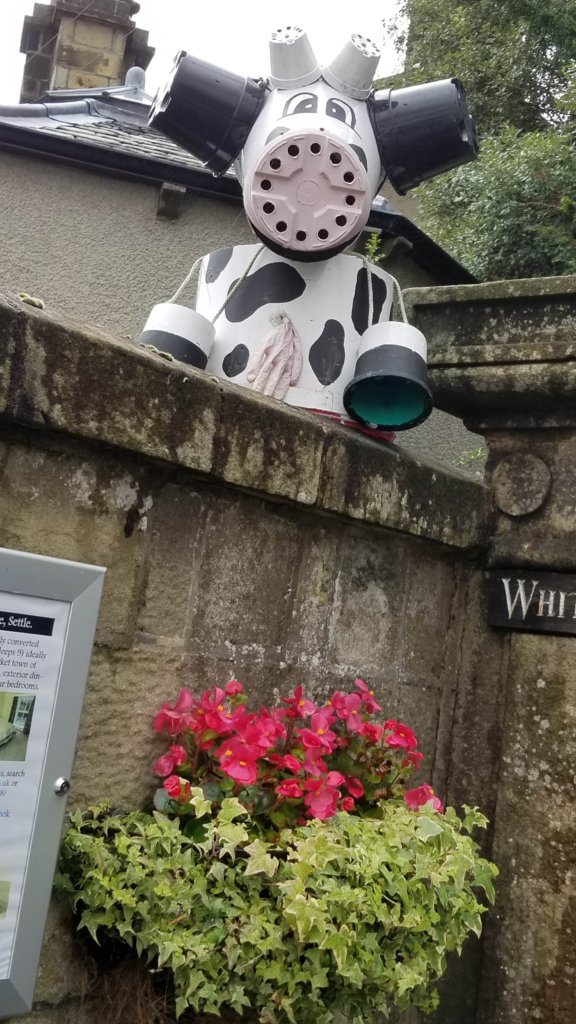
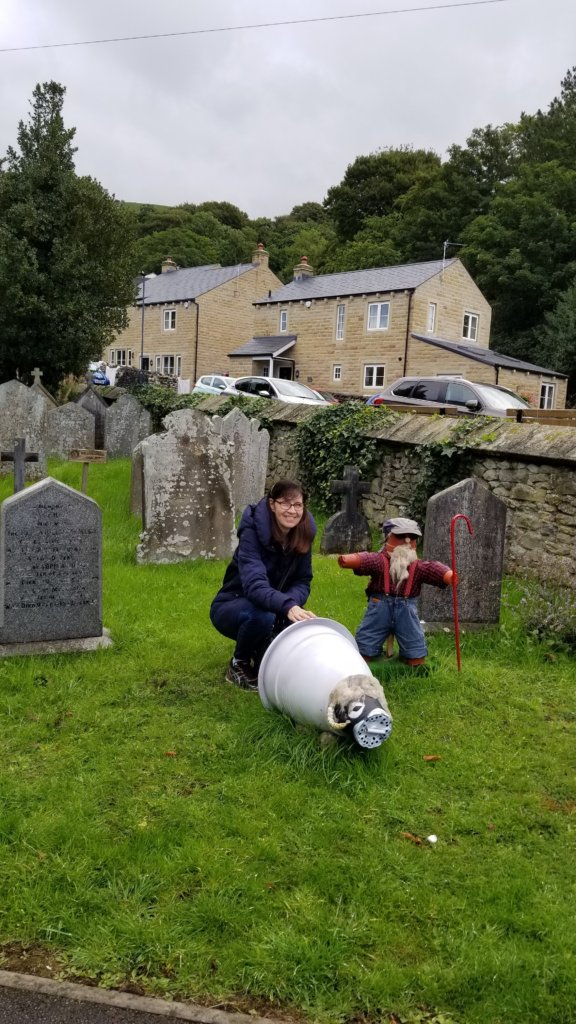
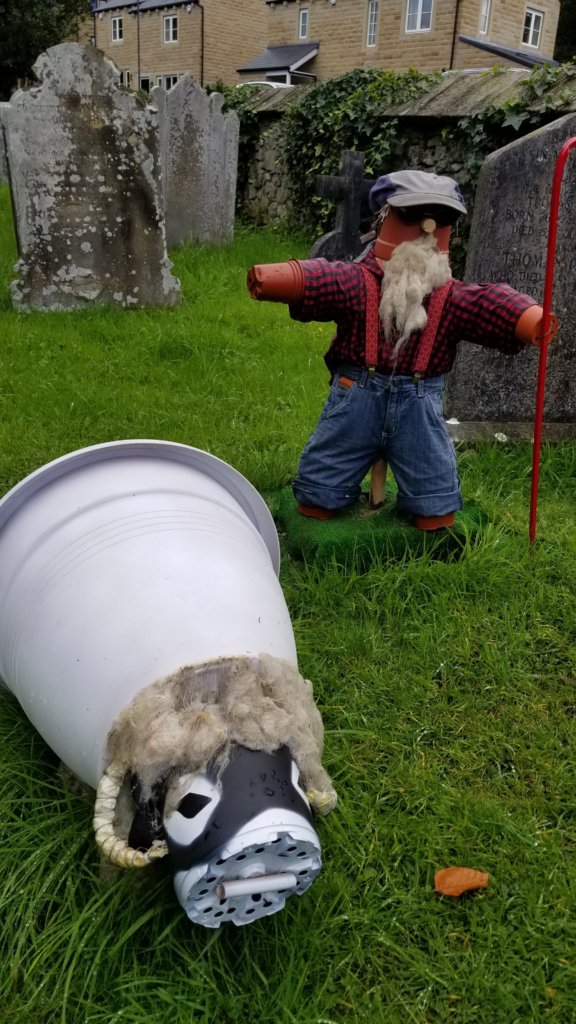
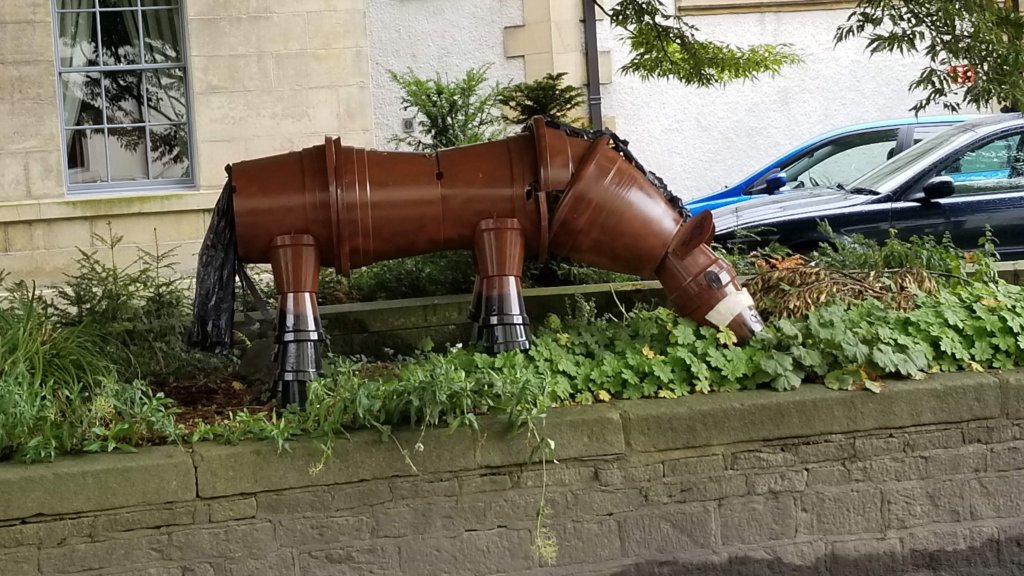
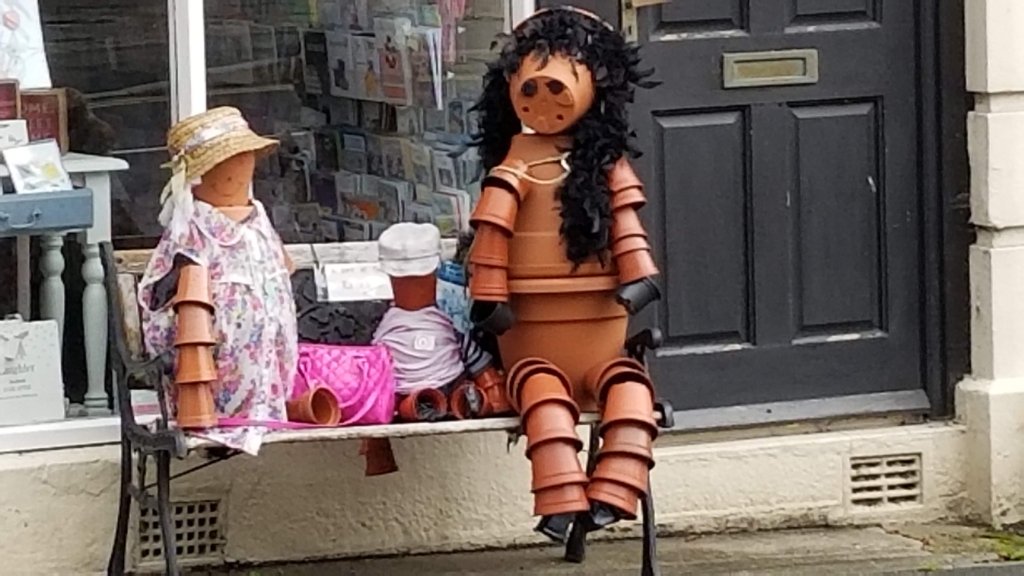
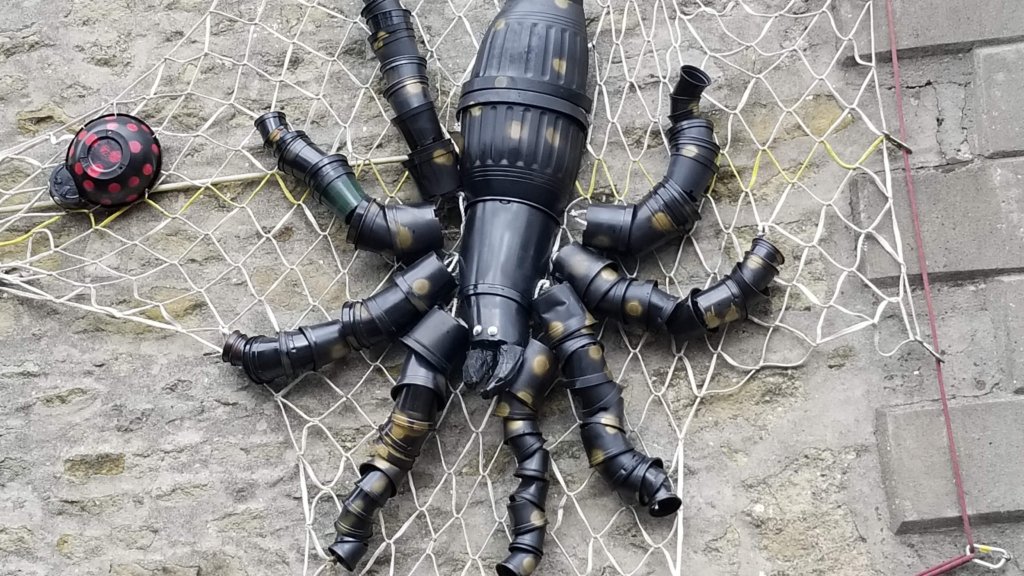
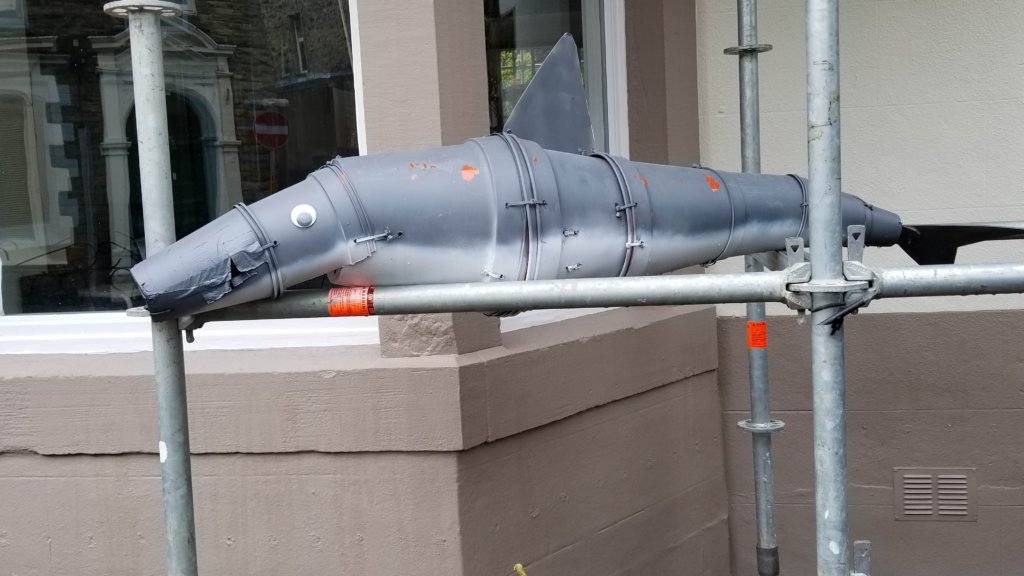
One fun tradition in this small village involved making flower pot people and animals for their annual flower pot competition. The event was over by the time we visited Settle, but a few of the homes and businesses still had them on display. So, just for fun, here are a few. Will I use this information in the book I’m working on? Maybe. It’s authentic local color, the kind of detail that hadn’t shown up in anything I’d read or seen online. 

These are just a sampling of the flowerpot people and animals I saw on my walks. Can you tell what these creatures are?


Simple fun. Certainly creative. The fun side of research.