I’m Overwhelmed! Where Do I Start?

I got home from England late Sunday night after being gone a month. I don’t sleep on planes, plus I ended up delayed in London overnight because of fog. So by the time I got home, I was still operating on UK time and had had only ten hours sleep total in three nights.

The following morning, as I surveyed the month’s worth of mail (mine filled a large grocery bag), plus the suitcases, the boxes I’d mailed ahead, a calendar filled with events and appointments this week, and the cleaning that beckoned for attention (my husband had returned three weeks earlier to go back to work) . . .  well, overwhelmed was a good descriptor for my sluggish brain.

Back to the Real World

So I did what every good writer does at times like these. I checked email. While this has not been terribly helpful in the past, this time I discovered an unread blog post that cleared my mental fog. It pointed me in the right direction and set me on a productive course for the day. It was called “A Better Life Begins With Clarity,” written by the mini-habits authority, Stephen Guise.

Cut to the Chase

In the article, Guise asks one pertinent and powerful question that will help anyone who is overwhelmed. (I won’t tell you what it is, in the I hopes that you’ll click over and read his entire short article.) The question cut through my mental fog immediately! As he suggested, I asked myself the question throughout the day as I tackled one thing after another—and also when it was time to rest periodically. It broke the log jam of overwhelmed thoughts.

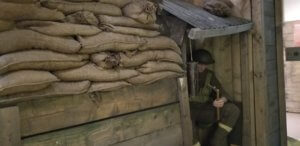
In coming posts, I will share some things I learned and did the three weeks of my research trip when I was alone in England. It turned out to be even better than my hopes and expectations, which were plenty high. But that’s for my next several posts. In the meantime, as the picture indicates above, I need to close some more “open tabs” today. [By the way, I couldn’t find an attribution for the image above, nor could I find if it was copyrighted. If any of you know, please pass along that information in the comments.]

Borrowing Habits

Back in college, I had a friend who lamented, “If only I could run on my stomach!”

She loved to run, never missed a day, and had thighs of steel. She also loved to eat, never missed a snack, and had a stomach like the Pillsbury Dough Boy. If only she could apply her running skills to her eating problem!

Actually, she could have. And you can make better use of your own good habits, applying those skills to your writing. You can transfer some good habits from one area of your life and apply them to an area where you want to be more consistent—like your writing.

The “successful role model” in the Jack Canfield quote above could easily be YOU.

Who, Me?

“But I don’t have self-discipline in anything!” you might say. You may feel that way, but it’s probably not true. Don’t believe me? Think about something you’re good at. Next, write down five or six habits you practice regularly that make you successful in this area. (Can be anything: running races, keeping a clean house, raising children who are kind to each other, keeping your weight stable through the holidays…anything.)

I Don’t Think About It

Perhaps you said, “Well, I was a good student” or “I learned to play the piano,” but you’re not sure what habits made you successful. If that’s the case, pretend that someone approached you and said, “I’d love to be as self-disciplined as you are with your (fitness, music, housekeeping, whatever). Tell me how you do it!” Then make a list of what you do. Which of those habits can you transfer over to your writing life and make them work for you?

The habits that help you lose weight or be fit or run a business might include:

  • having a support system
  • keeping a written record (of food eaten, miles run, income/expenses)
  • setting very small, sustainable daily goals
  • journaling through successes and failures
  • monitoring self-talk to counter-act negative thoughts and beliefs

Borrow Those Habits!

The next time you can’t seem to make yourself write or blog or do market research (or whatever is on your “to do” list for the writing day), think about areas where you are successful. Borrow those habits–they’re habits you already have under your belt in one area–and simply apply them to your writing.

  • Does having a support group help you lose weight? Then maybe a support/critique group would help you be accountable for your writing.
  • Does keeping written records help you balance your budget? Then maybe keeping records of pages or words written and marketing progress would help your writing.
  • Did setting small daily goals help you get your closets and garage clean? Then would setting small daily goals help you get your book written?

By the same token, notice what you don’t do to be successful. For example, I have friends who swear by having an exercise partner or going to a gym to work out. (I dislike both of those things.) So while these writers also have critique partners and write in coffee shops with others, I don’t find either of those ideas helpful either. We all have our own styles, based on our personalities. I do much better as my own accountability partner, using kitchen timers and check marks on a calendar for everything from cleaning my house to writing my novels. And total quiet is such a benefit to me, while it makes some writers too antsy to sit still and work.

Build on Past Success

Good habits free up our time and attention so we can focus on more important things than overcoming procrastination. Chances are very good that you have had success in at least one or two other areas of your life. Take time to analyze those habits that work for your particular personality–and try applying them to your writing life. Success may be easier than you think.

Writing á la Pavlov

In previous weeks I’ve shared why I went AWOL for months, the need to rest, reflect and realign, how to re-figure your writing output, and how to avoid burnout in the first place.

What if you’re ready to write again?

You may not have hours every day to write, or you may have tight deadlines. So you need to make the most of your time. And that means getting started quickly. 

Write on Cue

A jump-starting activity is something that makes your brain realize immediately that “now it’s time to write!” If Pavlov’s dogs could be trained to salivate at the ringing of a bell, I thought surely I could learn to write on command.

Rituals and Routines

I’ve always loved reading about other writers’ rituals, the things they do to “prime the pump” for writing. I never felt much need–nor wanted to use the writing time–to do much of that myself. The writing exercises would take me 30-60 minutes and Julia Cameron’s morning pages took me an hour. (I consider myself a pretty fast writer, but most of the things that “only take 10-15 minutes” take me considerably longer–including these blog posts.)

What I needed, I realized, was a short cue along the lines of the ringing bell for Pavlov’s dog. I needed something to trigger an automatic writing response–and it needed to be something I could do at home, on the road, or when staying with my grandkids.

Time-Tested Help

If your writing time is short–and you need to get started quickly–here are some rituals and routines that other writers have used:

  • Light a special lamp or candle
  • Put on a particular kind of music that works for you (Lyrics? Instrumental?)
  • Prayer, meditation and/or affirmations for writers
  • Hot tea or hot chocolate
  • Eat a banana or apple or something healthy
  • A short walk–ten minutes or so
  • Stack dishwasher, pick up house (Some writers do this for their jumpstart, but it doesn’t appeal to me!)

Again, I needed short things to do. The danger is always that the ritual takes over your whole writing time. If you have all day to write, that’s a different ball game. You can take a whole hour to get started, if you want to.

Make a List

It’s a good idea to have a number of rituals to choose from too. “Create as many practices as you can, because sometimes they work and sometimes they don’t,” says Vinita Hampton Wright in The Soul Tells a Story: Engaging Creativity with Spirituality in the Writing Life. “Their effectiveness will vary. When one thing doesn’t help so much, go to something else…adapting practices according to the season of the year.”

This makes sense to me. While in the winter, a good cup of hot chocolate is perfect, during hot Texas summers, it’s about the last thing you want. I think a written list posted near my writing space would be a good idea too. I might have a whole list of rituals to choose from, but so often when I try to think of one, they all escape me.

If you want to read more about the power of these little habits, see a book by Mason Curry called Daily Rituals: How Artists Work. In the book 161 artists, writers, and other creative types give insights into the specific rituals they use to get the creative juices flowing on command.

And doesn’t that sound appealing?

Honor the Writing Process

Every piece of new writing is a voyage into the unknown. There are things you can do that help the writing process–many things! There are just as many that dishonor the writing process.

[Reminder: While writing in England, I am re-posting favorite articles from the past. This one from four years ago still helps me today!]

Wiser published writers than I am often say, “You have to honor the process.” What does that mean exactly? I think it means you have to accept the complexity of writing, how it happens for you, and what you need in order to nurture the process. (Simple example: If you know you need seven hours of sleep in order to write well the next morning, you honor the process when you go to bed early enough to sleep those hours. You dishonor your writing process by staying up till all hours and arriving at the keyboard the next morning in a mental fog.)

Ways You Dishonor the Process

There are many ways we unknowingly and accidentally dishonor the writing process. We may:

  • get a great idea for a story, but wait until we have time later to write it down, and when “later” comes, we can’t remember it.
  • rush into writing a rough draft before we’ve given the idea time to gestate.
  • tolerate habits detrimental to our health.
  • allow such critical voices in our heads that everything we write sounds like rubbish, so we give up in discouragement.

We all probably dishonor our writing process in different ways, depending on personalities.

Ways You Honor the Process

If you wanted to honor the writing process, you might:

In Deep Writing, Eric Maisel made this observation:

“I hope that you’ll take seriously the notion that you can help or harm the writing process and that, in a corner of awareness, you already know which of the two you are doing… When you find the courage to explore your own truth about honoring and dishonoring the process, some writing successes are bound to happen.”

What about you? In what ways do you honor the writing process? Make one small change today that honors your writing. (And then, tomorrow, make another one!)

Not Enough Willpower to Reach Your Goals? Make Mini Habits!

“Focus on the process and you’ll be able to change your circumstances.” (Stephen Guise, author of Mini Habits: Smaller Habits, Bigger Results)

[While writing in England, I am re-posting favorite articles from the past. This one from four years ago still helps me today!]

One lesson I learned on my sabbatical was that my goals and desires outstripped my willpower.

I had high hopes and high expectations for the three months of the media “fast,” but I rarely was able to stick to my very carefully crafted daily schedule. It wasn’t the interruptions or distractions either. I simply felt overwhelmed by the goals I had set, even though I KNEW I had plenty of time to do them.

Goal Intimidation

I hadn’t scheduled 12-hour writing days or anything. In fact, on paper, they looked quite easy for the days I was home alone all day:

  • 2 hours writing  
  • 2 hours studying writing techniques (books, online classes, etc.)
  • 1 hour reading and research

Piece of cake, right? Especially since this was work I really, really wanted to do!

Willpower Burnout

I’ve survived and pushed through and gritted my teeth and met deadlines and ignored headaches for decades…using willpower. But as I faced writing several mysteries for adults that I signed contracts for, my willpower took a hike. I have no idea where it went, but it’s gone into hiding. When the willpower left, the panic arrived.

And then I read the book pictured above. I have read a lot of books on focus, self-management, and the like. Most I don’t finish, to be honest. Many I never get past the first few chapters. I had finally decided that there was nothing new under the sun.

But reviews for Mini Habits were wonderful and by people struggling with the same issues I was. I bought it and started it, not with any real hope, to be honest. But I couldn’t put it down and finished it in a day.

Mini Habits

The author’s scientifically researched, experience based, easy-to-read and understand book says this:  

You can succeed without the guilt, intimidation, and repeated failure associated with such strategies as “getting motivated,” New Year’s Resolutions, or even “just doing it.” In fact, you need to stop using those strategies if they aren’t giving you great results…It’s only when you start playing by your brain’s rules and taking your human limitations seriously–as mini habits show you how to do–that you can achieve lasting change.

From Hopeless to Hopeful

I couldn’t wait to try it. I was honestly amazed that something this simple could be so effective and stress-free!

And what are my new (silly sounding) daily mini writing goals?

  • Write or revise 50 words  
  • Read and do one page of my current craft or study book 
  • 15 minutes of research or professional reading

Has it worked? YES! For me, feeling overwhelmed and getting started has always been the hardest part. Having mini goals in order to create habits is so EASY. And just as he predicted, most of the time you’ll go over your mini habit goal. [For example, I am writing this blog using my “write 50 words today” goal. Until now, I forgot to check the word count, but it’s up to 406 right here.]

However, the next time I sit down to write, I will NOT “adjust my goals up” and tell myself I must write 400 words minimum. No…my internal resistance to writing that much is almost immediate! A goal that size uses a lot more willpower. (Maybe not for you, but it does for me. We’re all different.)

My new writing goals for the day are so EASY to do, so non-threatening, that I don’t miss a day. The writing habit gets ingrained, my mind now believes that getting started is easy, and later in the day I often WANT to sit down and knock off another 50 words (which, more often than not, stretches past 1,000 words before I want to stop.)

If getting started or developing a daily writing habit with ease is your goal, I high recommend Mini Habits. Give it a try!

Settling In to Write

Time to write.

Last week, when my husband was here in England, we saw many incredible historic sights, both locally and in the surrounding towns. I gathered material, bought books, took hundreds of photos and videos, and was only back in the apartment long enough each night to sleep. (Our apartment is the middle and top floor of the building on the left. There is a real estate office on the ground floor.) Three days ago, my husband flew home to go back to work, and I stayed here for a while to get down to work as well.

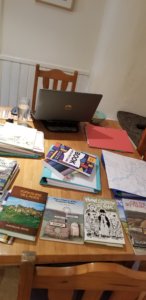
I love that the village’s name is Settle. I love the connotations of the word. Over the weekend, I settled down and am settling in now, spreading my papers and books and computer all over the dining table and coffee table.

Settling IN, Settling DOWN

When we arrived, the apartment looked like this:


Now it looks like this:

Settling down has involved going inside my head now to sort through everything I crammed into my brain last week. I take time first thing in the morning for prayer and reading. I don’t rush. Then I check the weather and enjoy watching the mail carrier go down the lane.
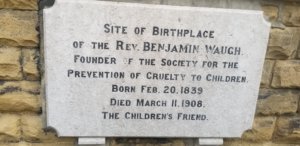
The middle of the day is spent writing, reading, and eating! (A lot of each thing.)

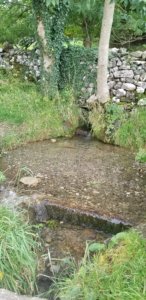
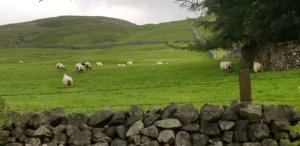
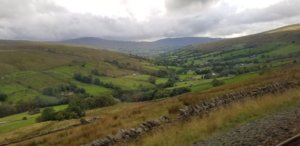
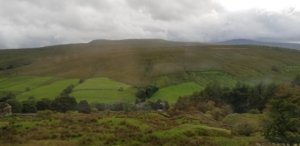
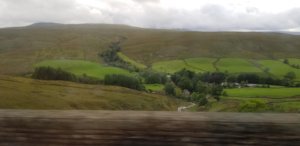
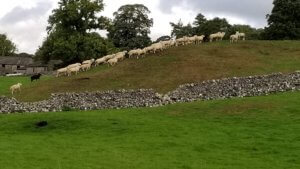
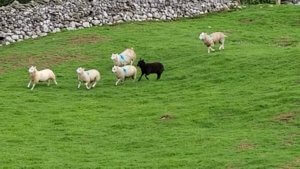
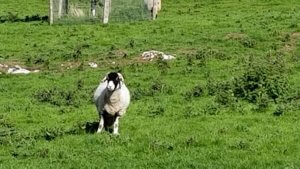
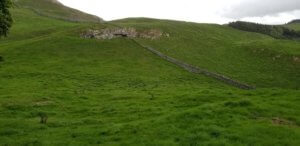
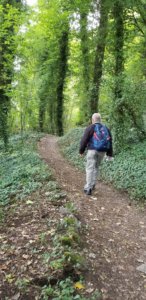
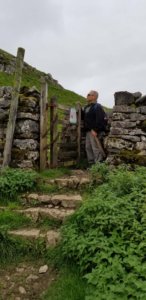
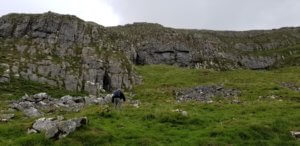
At the end of the afternoon, I need another “settling down” time. So I take a walk, straight up the hillside to a paved path with stone walls on both sides, lots of sheep in the fields, benches that overlook the village, and so much GREEN. [See the photos below.]

Then when I enter the village on the way back, I stop at the local grocery store. Most everyone here shops daily, so you run into the same people. I love that. While I’ve heard that the British in the cities can be stand-offish, I haven’t experienced that here at all.

I am loving the language, and I’m understanding people better, like the tiny older man walking his dog on the trail. I remarked that it was a beautiful day. “Ah, smashing, innit?” he agreed. Or the “bloke” ringing up the groceries who always grins and says “cheers” when you leave. And I am remembering to call chips “crisps” and french fries “chips.” And very kind people loan you a brolley when you’ve forgotten your umbrella.

My Daily Walk in Pictures

Take my walk with me!


Retreating in My Retreat

I’ve decided that for the remainder of the time I am here that I won’t blog new material. I just want to settle down and work, pretty much cutting off the outside social media world to see how it affects my writing. From what I’ve read in books like Deep Work, it can have a profound affect on the quality of your writing. This is the perfect time for me to put that to the test. So until I return to Texas the first week in October, I will re-post popular older posts. After I get home, I will share some more experiences and pictures of places I still plan to see.

So, as they say in Settle, “Have a smashing day. Cheers!”

Oh, the Places I’ve Been! (Research, Part 2)

Day Five 

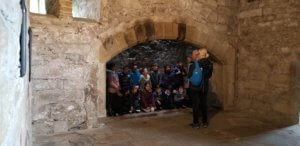
Lovely day for a train ride to Skipton to see Skipton Castle (900 years old) and its church, plus another older church. (Skipton Castle once withstood a three-YEAR siege.) We walked along the canals–I’d love to take a canal boat trip sometime. We have another train ride and castle planned tomorrow! I love castles!


Such a well-behaved school group! The whole class fit inside the kitchen fireplace!


            An ice cream boat!


Day Six

Another day packed to the brim with making memories: hours on the train through settings that local Yorkshire people say is the “true England,” including crossing the Ribblehead Viaduct, then spending hours inside Carlisle Cathedral and priory, Carlisle Castle, the castle’s military museum, and enjoying the historical city. Now, it’s time to put this great research to use! Excited to get busy writing!


The Most Fun Kind of Hands-On Research: Travel

Research, especially when combining travel and writing, is the most fun a writer can have! I have had two published novels set in England, and I’m back here doing research in the Yorkshire Dales for another one. (Anyone here love veterinarian James Herriot’s books and the BBC TV show “All Creatures Great and Small”? That’s the Yorkshire Dales.)

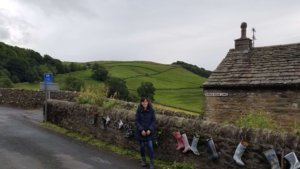
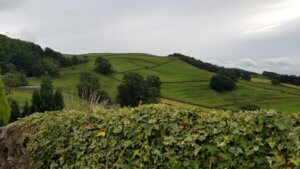
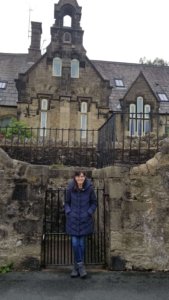
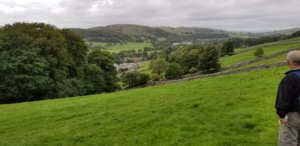
To say that it’s beautiful here doesn’t come close. But since a picture is worth a thousand words, I’ll let you decide. (If you follow me on Facebook, you’ll recognize the photos.) We’re staying in an apartment in Settle. When this whirlwind research week is finished and my husband goes back to the U.S. to work, I’ll be eager to dig in and write! 


Day One 

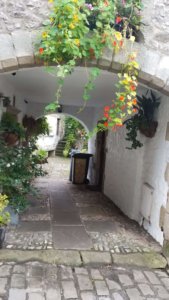
We made it to Settle, UK late in the day. This is what is on our street. We only walked three blocks in each direction. We are in the heart of this little village, and like all small towns, we’re only a few blocks away from both the “city center” and the countryside (a straight uphill climb to the moors). The first picture is The Folly, a building right across the street which we can see from our kitchen window. It was built in the 1670s and now houses a museum and coffee/tea room. I LOVE DOING RESEARCH!


Day Two 

After a good night’s rest, we went to church first. (Wonderful service, very warm people.) Then lunch at a pub called Ye Olde Naked Man Cafe (seemed sinful on a Sunday). Hiked to the next village and back–BEAUTIFUL weather, lots of sheep, a train station, fantastic views, more food bought at a favorite bakery…bliss.



Day Three   

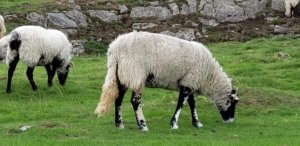
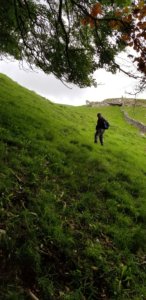
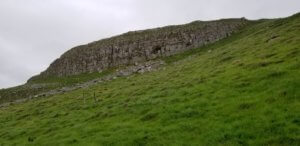
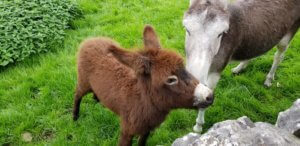
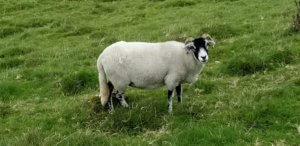
On the third day, we hiked for six solid hours, straight up hills and little mountains (and got temporarily lost on the moors by taking a “shortcut”). You had to come down sideways to keep from pitching forward. The burros loved us, but the sheep rolled their eyes and then went back to munching.


Day Four

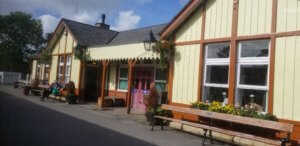
We were ready for something more leisurely today: a steam train ride, then a hike to see Bolton Abbey, and poking around an awesome used book store. Bought some great research material!


From Panicky and Distracted, to Peaceful and Focused

Right now, I really must be focused. When this posts on Friday, I will be in Houston, waiting to board British Airways to head across the ocean. But less than 24 hours before leaving, I am sitting here fighting panic at everything left to do before we leave. I should have realized this weeks ago, but packing for a month’s absence is a bit more complicated than being gone for a week. A no-brainer, right?

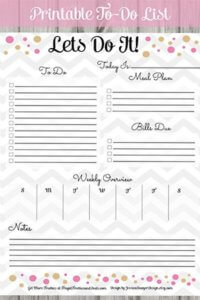
Usually my To-Do lists are orderly, with little check boxes beside each item. I have tasks in all areas: writing, fitness, family, food choices, and other areas that I like to track.

NOT TODAY!

I gave up earlier this week on having orderly to-do lists because I had too many items every day to fit into my normal planner. No problem, I thought. I’ll just systematically and calmly deal with each item, check it off, and go on to the next one.

Except at the end of each day this week, I had more left to do than I’d hoped for. To honest, I panicked at the amount of extra tasks to do (on top of regular life stuff). So on much of two afternoons, I watched Britbox and Acorn TV instead, dreaming of England without actually making much progress to get there! (Why do we do this? While it felt calming at the time, I actually set myself back even further.)

Calm the PANICKY Brain

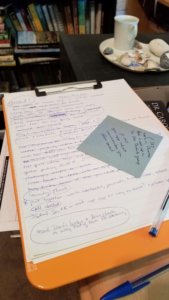
So this is my to-do list left for today, with five or six writer things to do before I can start the packing or run to the store for shampoo and all the little travel things you need. Then run some laundry, clean out the refrigerator, and try to figure out how I am going to fit everything I want to take with me into a suitcase and carry-on.

My mind goes TILT-TILT-TILT as I think of packing plenty of warm clothes, hiking boots, books I simply MUST have with me (despite carrying a fully loaded Kindle), those plugs that will enable me to use appliances and my computer without starting a fire, my special foods, and all the rest.

It’s obvious that a third of it will have to stay home. I always choose to take the books, so this trip I may be wearing the same sweater and jeans in every photo taken! Perhaps I’ll go to the nearest village that has an Oxfam store (like our Goodwill) and get a few “gently worn” sweaters.

But what’s the answer to my panic this morning and exchanging it for peace? Taking several really big, deep breaths to calm my racing heart. Closing my eyes and meditating on some truths I know in my heart.

Shifting the Worries to Bigger Shoulders

Related imageI’m not the Good Shepherd. I’m not even an assistant shepherd. Instead, I’m like one of these Yorkshire sheep. I’m not in charge, and I’m not doing life alone. He leads me beside the still waters.

All I need to do is pray for help. And keep breathing! And calmly take one task at a time. It will all get done. I’m not alone in this adventure. And what’s more, it will be fun!

See you all on the other side of the pond!

Research Across the Ocean: Heading Back to England!

Image result for flying to englandI thought this week would never get here, and yet the summer flew by, and now I don’t feel ready! I’m taking lots of deep (excited) breaths this week, getting ready to go to England for a month.
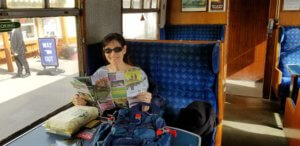
I was in England two years ago, visiting the homes of Jane Austen, Charlotte Brontë, and Beatrix Potter, in order to write historical mysteries I had contracted for. I made a mental note during that trip that someday I wanted to go back and explore the Yorkshire Dales. The Dales have the moors like the Brontë village of Haworth, but it’s greener and warmer. For a couple of years, I’ve nursed an idea for a series set there.

Research in Person: Nothing Quite Like It

So it’s time to go back! Only this time I plan to do what I’ve heard other writers talk about for years: stay longer and write there. My husband is coming for ten days, then flying home to go back to work. I will stay the remainder of the month (in a cute little apartment we rented in the small village of Settle.) I plan to write and write and write.

This is definitely one of the perks of being a writer who’s been around a while. I document everything for the IRS, probably giving them more paperwork than they like to read. But I honestly can’t afford this kind of travel unless it gives me a huge tax break. I was able to write off most of my trip last time by proving that I had contracts for the Brontë and Austen books (and I wasn’t just going on a vacation.) Of course, on this trip, I can’t write off my husband’s plane ticket, but the apartment costs the same whether one person is staying there or four people. And renting a car or a driver is the same whether it’s just for me or for us both.

My Plan for the Month

We arrive in England on Saturday morning after the all-night flight. I’ll post some pictures next week while we’re out hiking and visiting museums and riding the trains and exploring the rocky hills (with their grazing sheep and waterfalls and caves).

However, after my husband flies home, I plan to dig in for some undistracted writing. Instead of posting immediately to Facebook and Instagram and Pinterest, I will save those new photos to post when I get home. I only plan to keep up with my husband, children and grandchildren while I’m writing. (That’s the hard part about choosing to be gone this long—all their lives I’ve seen the grandkids nearly every week.)

Deep Work in a Distracted World

If you’re at all introverted, you know the joy I anticipate at being able to write for three weeks without distraction. Oh, I will take plenty of breaks. The apartment is in the heart of the oldest part of the village. The pub and bakeries are only half a block away. A museum housed in a building built in 1670 is right across the street. And just a few blocks away are the woods and the open moors, perfect for walking and ruminating. But mostly, I’ll be reading and writing. (I’ve done months of book research already.)

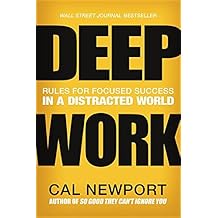
Last year, when I ran into a number of health issues, I realized I was having difficulty focusing when I got back to work. Some, I learned, was due to illness, but a LOT of it came down to my lifestyle, including too much smartphone use. I went on a reading spree, studying how the brain works. I also read three books that convinced me to unplug from all devices for periods of time, and work (like I used to do on that Iowa farm when I started writing). Your writer’s brain needs chunks of time without the constant influx of information from multiple sources.

We’re All in This Together

It isn’t only me. It isn’t just kids who spend too much time playing video games on their phones. This applies to all of us, and ESPECIALLY to people like us who depend on being able to think deeply and use our God-given brains and imaginations to their utmost.

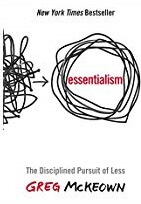
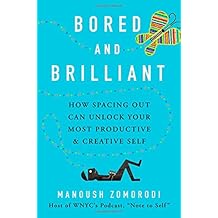
So, while I’m secluded in that English village after my husband goes home, maybe you’d like to read one (or all three) of these books. (You can get them used, if you want to.) I’m sure I’ll be blogging about them more in the future.


And now, I’m off to watch a YouTube video one more time about how to pack my Weekender Laptop Backpack. (See below.) It must have thirty hidden pockets. My inner organizer can’t wait! eBags Professional Weekender