“How old would you be if you didn’t know how old you were?”–Satchel Paige
I had a blog reader last week mention that she was probably too old to start writing. I’d like to debunk that myth.
It’s never too late to get started.
It’s always a good time to tackle a new dream.
What’s Age Got To Do With It?
Jessica Tandy won the Academy Award for Best Actress at age eighty. James Michener didn’t write his first novel until age forty-two, then produced a gazillion bestsellers before he died at age ninety. Laura Ingalls Wilder’s first Little House book was published when she was 65. There’s a woman in my neighborhood who can out-run me, and she’s at least seventy. I started biking a few years ago (that’s me in the picture), and while my no-frills bike (foot brakes, one speed) marks me as old, I can pass younger people going up hills.
Youth isn’t everything–not in physical endeavors, nor mental ones.
Certainly not in writing!
Experience Rules!
Become comfortable with your current age, even if it’s not what you wish it were. You have tremendous writing potential because you’ve lived long enough to have learned a lot. You have life experience! By now you’ve been in the workforce in one career or more. You’ve raised children–enough material there alone to last a lifetime.
Like Wilder, one of my writing students in her late 70’s wrote beautifully about her childhood experiences. She was stunned when she easily sold her remembrances that editors labeled “historical fiction.” She chuckled that one reviewer praised her “extensive research” because she never did anything more than mine her own memories.
Time’s a-Wastin’
If writing and publishing are aspirations for you–but you’ve come to it later in life than others–please don’t let that stop you. If you come to the end of your life, will you be disappointed that you didn’t try? I think you will.
You have the same qualities that drive younger writers: creativity, perseverance, and a passion to succeed. While you may not have as much energy, you probably have a much larger pool of ideas and experiences to draw from. You may also have more time to choose what to do now that children have grown and flown the coop.
Don’t be afraid to start something new at any stage of life. Chances are good that, if you apply yourself like any other writer, it’s not too late to succeed.
Some readers told about overcoming the negative impact of verbal put-downs by parents and other family members. Some blog readers found people in their lives to lack reciprocity: no willingness to make room for a writer’s dreams if it cost them any of the writer’s time or attention. A couple people described the most supportive critique groups imaginable–and their “make or break” value to the unpublished writer. (I would add that they are just as critical after being published. The challenges are different then, but just as tough.)
It Takes All Kinds to Make a World
After reading the posts, I went digging for a quote I had read somewhere. It was something the late Walt Disney said:
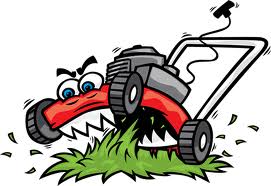
“There are three kinds of people in the world. First, there are the well-poisoners, who discourage you and stomp on your creativity and tell you what you can’t do. Then there are the lawn-mowers, people who are well-intentioned but self-absorbed. They tend to their own needs, mow their own lawns, and never leave their yards to help another person. Finally, there are life-enhancers, people who reach out to enrich the lives of others, to lift them up and inspire them.
Walt had his share of well-poisoners and lawn-mowers in his life, but hopefully, he had plenty of life-enhancers too. His creativity produced some of the best-loved movies my kids grew up on and my grandkids still enjoy.
Be Selective
The words of others do have an impact on us, whether positive or negative, so be aware of this. As much as possible, limit the time spent with the doom-and-gloom naysayers in your life (or don’t share your writing dreams with them).
You will know, after a few attempts, which people will support you and who will deflate your dreams. Protect your dreams at every stage of your career from those who, for whatever reasons, are discouraging.
On the flip side of this coin, make a concerted effort to find supportive friends. It doesn’t always have to be another writer who understands “writing issues,” but someone who will simply encourage your dreams. If you find an encouraging writer–or joy of joys, a whole critique group of writers!–consider yourself blessed. Hang onto them for dear life.
Weeding and Feeding
One of the quickest ways to weed out the negative well-poisoners, I’ve found, is to agree with them. “Yes, you’re right! Very few people make a living by writing novels, but I’m still going to try.” [SMILE] “Yes, you’re right. My routines have changed. Now I use my best time in the morning for writing and use my tired brain time later in the day for housework.” “Yes, it’s quite possible that my first sale was a fluke and it won’t happen again. But I love to write, so I’ll keep writing anyway.”
For the lawn-mowers in your life, who focus on their own needs but don’t notice you’d like some help too, it’s easiest to just ignore them. Drop your expectations that they will notice your need and volunteer. Make your writing plans independent of them. If you have small children, write when they sleep or trade babysitting time with another mom or write while the kids have swim lessons. Make plans to carry out your goals as if it only depended on you–because in the end, it does.
When you meet other writers, encourage them in their writing attempts. Granted, a small number might turn out to be well-poisoner writers. Thankfully, they are few and far between. More will be lawn-mower writers, those who want and need and welcome your encouragement, but don’t give much back.
Hold out for the life-enhancer type of writer, someone who won’t just take encouragement, but give some back as well. These are your keepers. These are the writers you want in your inner circle. These are “your people.” Then you can have those “crucial conversations” needed for your creativity.”
Research indicates that the average person has about 50,000 conversations with himself a day. (I bet writers do it even more!) Most of that ruminating is about yourself, and according to the psychological researchers, the inner self-talk is 80% negative.
While much of the negativity comes from criticizing ourselves (I don’t like my new jeans… They don’t like me… I can’t ever seem to get organized…), a lot of the negativity we sensitive creatives feel is picked up from other people. We tend to take on the emotional states of other people–and if they’re negative, it impacts us.
Kinds of Conversations
I found three great articles on the types of conversations we have and the impact on us as creative people.
“Are Invisible Conversations Preventing Your Success?” tells us about the invisible conversations we’re often in without knowing it, especially the kind where we’ve picked up on someone else’s bad mood. This type of invisible conversation is called “emotional contagion.” It can be especially detrimental to creative people. This includes the YouTube videos watched, the online news, and the ranting political diatribes on websites (including Facebook). Pay serious attention to the general emotional states of the people you surround yourself with because they foster invisible conversations. These things can play a major role in helping create or (destroying) the mindset needed to do your writing.
“You Become the Network You Hang With“ had this to say in the second half of the article: “When my first book was published they told me they [my friends] could also publish a book if they had time. When I suggested they would have time if they quit going to the pub and watching so much TV, it was made clear they did not tolerate such talk…I started to see real progress when I made a new network. When I sought out people who were a positive, nurturing influence. People who would help me up rather than finding ways to knock me down.” [This is called a “crab bucket mentality.”] “Rather than hold me back my new network expanded my horizons, expanded my opportunities, and expanded my reach.”
“The Introvert’s Guide to Making Great Connections“ had this to say before giving his “guide” recommendations: “People will tell you that meeting and mixing with others – networking, hanging out, socializing, tribe-building, whatever you want to call it – is a vital part of the path to… something. Greatness, maybe, or creativity. Perhaps just contentedness…Honestly, I haven’t found that to be so. In fact, I find most of the connect-y, conference-circuity, business-socializing stuff to be vacuous, painfully false and a waste of time.” He goes on to say what kind of conversations work for introverts–and what happens between conversations.
Your creativity is impacted (positively or negatively) by the kinds of people in your life and the conversations you hear. This is of vital importance to writers and other creatives.
If you have another tip for dealing with it, share that too! I personally find that prayer and devotional reading can get my mind back on track fairly quickly. What things work for you?
“Doing our best has limits,”says Richard Swenson, author ofMargins. “Our rush toward excellence in one quadrant of life must not be permitted to cause destruction in another.”Those who go “all out” for success in one area – even writing – risk failure in other important areas of life.
The tug of war happens when we are trying to be excellent in so many roles: writers, parenting children and grandchildren, caring for elderly parents, neighbors, church members, and more. It can be overwhelming!
From Stuck to Unstuck
The sense of being overwhelmed can quickly solidify into being stuck. We want to get off the merry-go-round, but we feel stymied in our attempts to do so. We often can’t see the forest for the trees. Enter a lovely little book called Simple Acts of Moving Forward: 60 Suggestions for Getting Unstuck by Vinita Hampton Wright. As she says, when you have too many things on your plate,“Sometimes you have to give yourself permission to just not care so much about how something will turn out.”
It’s all right to set your own priorities. It’s all right not to care about some things–no matter WHO thinks you should (including me). Why? Because if you care deeply about everything, you’ll burn out now and live an exhausted life.
And exhausted writers have a terrible time writing.
All on Your Shoulders?
Often we feel like everything is up to us. Sometimes, though, it really isn’t. Even with those projects or jobs that are totally up to you, they may not really need to be done (like kids’ big birthday parties.) Or they can be done with help (like moving it to a McDonalds Play Place). Only you can decide what things really matter to you.
As Ms. Wright says,“You can decide what is most important, what is next in importance, what you can take or leave, and what has nothing to do with you. Others may think you should care, but it’s not their job to decide what your priorities should be.” (This includes your writing! NO ONE else gets to decide where it belongs on your list of priorities!)
What To Do
What can you do if you’re sinking under responsibilities that choke out your writing time? Ms. Wright advises, “If you are overwhelmed, find one thing to stop caring about and stop caring right now.“
I have some things I need to stop caring about, and some things I can stop caring so much about. For example, this week I wrote up the minutes of a meeting at church, but there was no need to take 90 minutes to do it. Proofreading is one thing, but revising and rewording things several times was a waste of what could have been writing time.
A few years ago, I had to stop caring so much about family dinners for the holidays. Living on the farm in Iowa, everything was homemade from scratch, and much of what we ate was also homegrown. Moving to a city down south, and getting older, meant those cooked-from-scratch meals for the extended family were taking more time than I wanted to give at the holidays. The change was hard, but now I have no problem fixing huge frozen lasagnas from Costco’s!
Whatever!
Most of all, we probably need to stop caring so much what people think about us: about how we look, about our choices in life, about our political opinions, about what we want to write, and where we set our priorities. And we need to care a lot less about other people’s opinions and preferences, and learn to live and let live a bit more.
Certainly, you want to care deeply about certain things. But caring deeply about everything–about things that don’t warrant it–will rob you of precious energy needed for your true desires. And, hopefully, one of those desires is pursuing your writing dream.
As a writer, don’t ever underestimate the power of self-discipline. Talent, passion, and discipline are needed—but the greatest of these is discipline.
Best-selling author Elizabeth George speaks to this point on the first day she faces her students in her creative writing classes. Study this quote from her book, Write Away—and read through to the zinger at the end. This multi-published, mega award-winning author tells them:
“You will be published if you possess three qualities—talent, passion, and discipline.
You will probably be published if you possess two of the three qualities in either combination—either talent and discipline, or passion and discipline.
You will likely be published if you possess neither talent nor passion, but still have discipline. Just go the bookstore and pick up a few ‘notable’ titles and you’ll see what I mean.
But if all you possess is talent or passion, if all you possess is talent and passion, you will not be published. The likelihood is you will never be published. And if by some miracle you are published, it will probably never happen again.”
Be Encouraged!
This is great news for all writers, I believe. We worry sometimes that we don’t have enough talent, that we have nothing original to say, that our voices won’t attract today’s readers. But as Ms. George says above—and after writing and teaching for thirty years, I totally agree–discipline is what will make you or break you as a writer.
Why is this good news? Because self-discipline can be mastered, bit by bit, day by day, until it’s a habit. Talent is a gift over which we have no control, and passion comes and goes with our feelings and circumstances. But your necessary ingredient to success—discipline—can belong to anyone.
Do whatever you have to do to develop the writing habit. Let that be your focus, and see if the writing—and publishing—doesn’t take care of itself!
If you want to go fast, go alone; if you want to go far, go with a group. (African proverb)
It’s the end of the first week of Camp NaNoWriMo, where a writer friend and I created a private two-person cabin and set some hefty writing goals (hefty, considering what else is going on in our lives). Using my kitchen timer, I marked on my calendar each hour that I spend writing this week. I wrote more in three days than I had written in the previous three weeks.
Why?
Accountability
What’s so important about accountability? If you click on the tag to the right called accountability, you’ll see that I’ve written about this topic five or six times in the past already, mostly when running accountability challenges. If you haven’t tried an accountability challenge or group before, you might want to consider it. Knowing that someone “out there” is waiting for your check-in at the end of the day is very motivating.
For Inspiration This Weekend
For this weekend’s reading pleasure, I’m going to give you other writers’ perspectives on the subject. This just might be the missing piece you need to get your book written.
Maintaining Accountabilityby Tasha Seegmiller provides writing trackers, plus a quiz to find out your particular accountability style.
I appreciate the notes I’ve received since re-starting the blog this month. I was asked a number of times, “Where have you been the last two years?” Because my Writer’s First Aid blog is all about helping writers hang in there and not quitting and not giving up on writing dreams, it’s certainly a legitimate question. As one person asked, “When writers disappear, where do they go?”
So this post is more about me and my life than most posts I write. Hopefully, you will be encouraged not to quit when life “happens,” as it does to us all. The last two years, it just happened that a LOT of life happened. Some events were quite painful, some intensely annoying, and some brought great joy. In each case, I learned valuable lessons. So . . . here are main events since I disappeared!
My Mom’s Sudden Passing
Mom and Dad’s engagement picture, 1948
Two years ago this month, at the time of my last new blog post, I was battling some symptoms (losing eyesight, exhaustion, hair falling out, not sleeping), plus I’d signed too many book contracts and was struggling to keep up. My mom in Florida (88) had had major heart surgery and other hospitalizations. Then my sister called to say Mom (who had recovered SO well and was even back to ballroom dancing) had died suddenly. So the summer of 2016 passed in a blur as we dealt with estate matters, cleaned out her house where she’d lived for 41 years, and got it sold. As those of you who have been through this process know, it takes a while to recover.
Sign on Gravestone: I Told You I Was Sick
During this time, I continued to get sicker, but doctors kept writing the symptoms off as “aging” issues that I needed to accept. Not very helpful! I burned the midnight oil Googling symptoms. Long story short on the health issues: when you are sure there is something wrong and doctors aren’t/won’t/can’t order the tests you need, find an independent lab nearby and order the tests yourself. I’m so glad I did!
By the time I could convince doctors that there was something seriously wrong with me, I had had the lab work done, got a diagnosis, and started a treatment program of my own found through reading online, watching conference videos, and studying current medical research. By the time doctors diagnosed my main issue, I had been on a treatment program of supplements and major dietary changes and was starting to see improved lab results. Be proactive in your ownhealthcare!It’s an ongoing learning process, but I am thrilled to feel better now than I have in years.
New Books Out
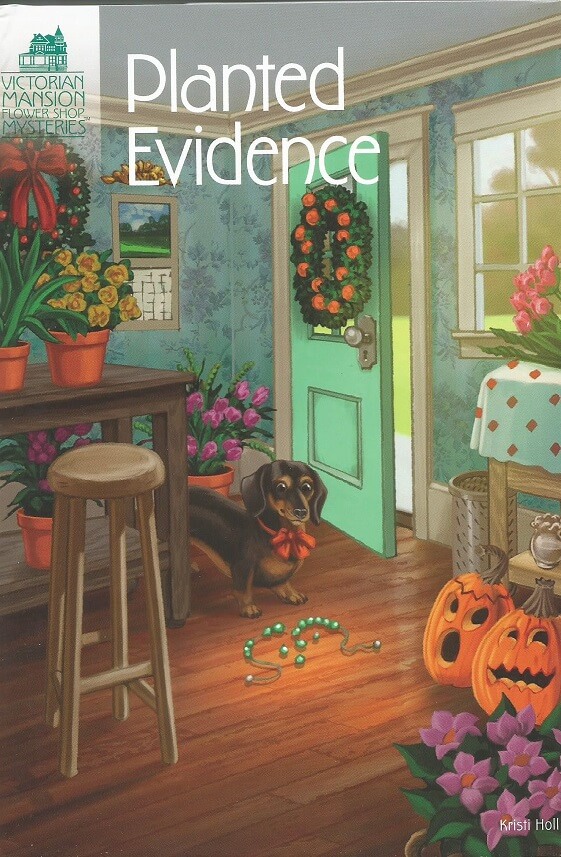
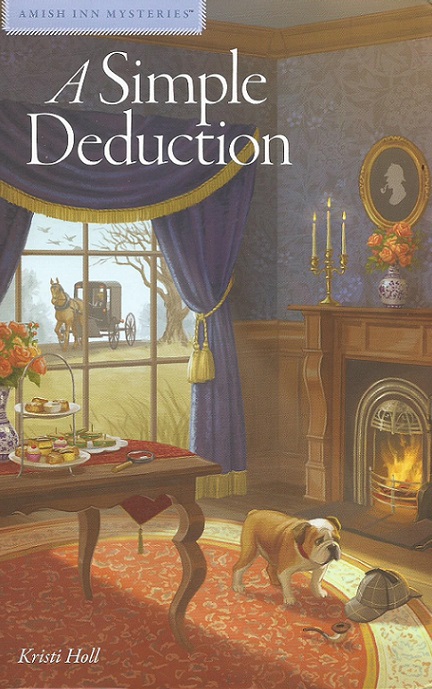
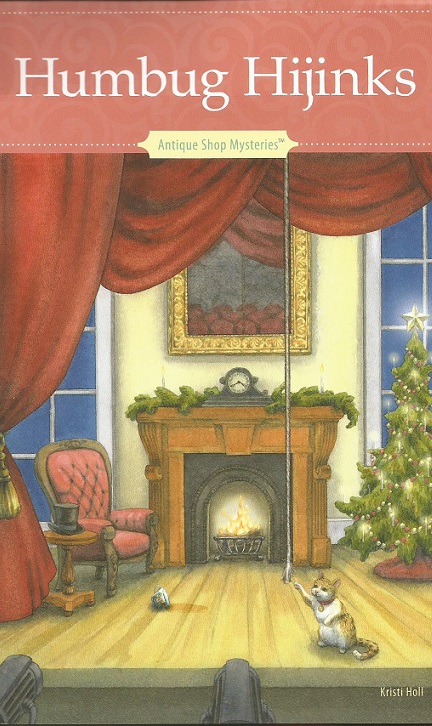
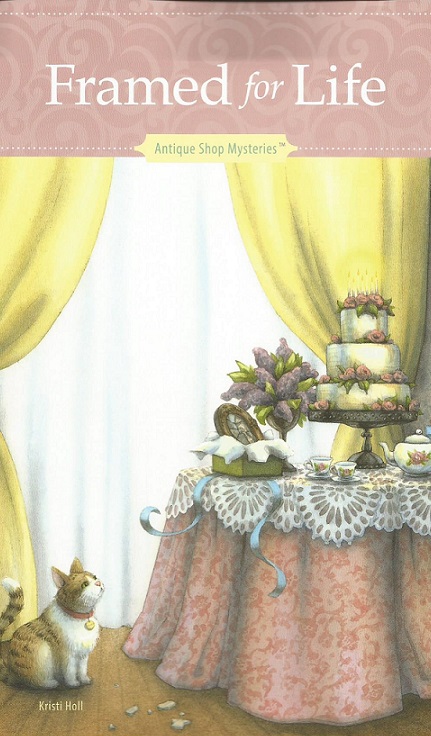
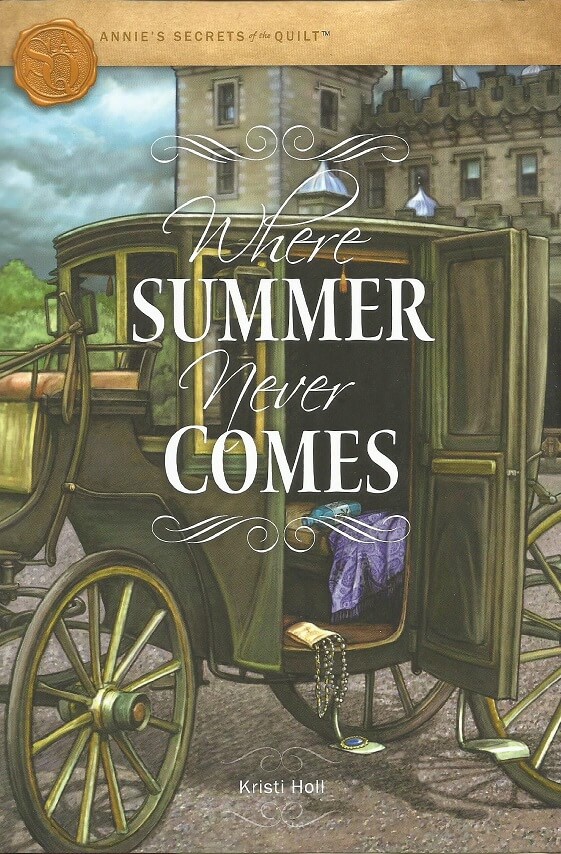
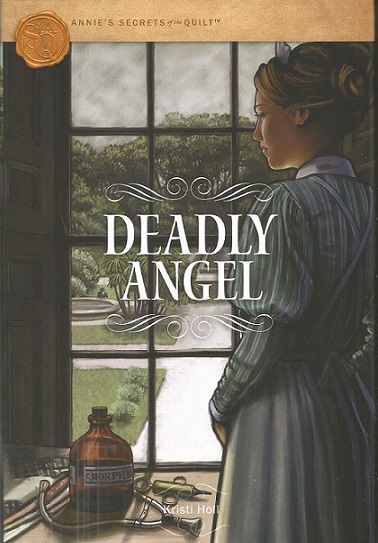
I was writing a lot during this time, and here are the last six adult mysteries I have had published by Annie’s Publishing. [I had someone ask if this was self-publishing. No, it isn’t. This company does many mystery series, and I have written for four of their series. They publish in hardcover, and now ebooks too, I’ve heard. https://www.anniesfiction.com/]
I have thoroughly enjoyed writing for my own age group after only writing fiction for children nearly thirty years. The only mistake I made was signing too many contracts at first, not taking into account the length difference between adult and children’s books. That sounds like a no-brainer, I know, but it didn’t register till later. You can read about them here if you want to know the plots: https://www.kristiholl.com/mysteries-for-adults-and-children/
Watch Your Step!
In April of 2017, I was gardening in the back yard, stepped backward without thinking, and tripped over a full watering can. I went down hard on our rocky dry Texas soil, tried to brace my fall, and broke my left wrist in four places and popped out my left shoulder. I avoided surgery but had to have three casts over eleven weeks, as they put me in traction and lined up each bone so it would attach. (I have tiny bones, without enough to attach steel plates and rods to, so I’m glad they avoided surgery.) They have a saying at the hospital: “crooked arm equals straight bone.” It was hard to believe when I saw the finished casts, but the x-rays did indeed show all the bone pieces in straight lines. [After seeing the shape of the cast, it made sense that physical therapy had to follow.]
I still had contracts to fulfill, and thankfully I had broken the left wrist. I used to enjoy writing by hand, so that’s what I did, filling up spiral notebooks and writing 55,000 words by hand in a couple of weeks. [I actually DID enjoy writing with no distractions that come with a computer. Your paper and pen don’t ding, squeak, ring or crash.]
Where There’s a Will, There’s a Way
Once the last cast came off, I had to start typing, but after all summer in casts, my wrist was frozen in a position with the thumb pointing up. I couldn’t rotate my wrist so that the palm faced up or down. I knew that the physical therapy later for my wrist would correct this, but in the meantime, I couldn’t type on a regular keyboard.
However, I found a new keyboard online that looked like something out of a Star Wars movie. It didn’t matter that my wrist was frozen in place because with this keyboard, you type with your thumbs pointed up. It is for people to cure carpal tunnel syndrome or who have had a broken wrist or wrist surgery. My speed was very slow, and I had to do a lot of one-finger correcting, but the book got turned in on time, and I took a break then.
Blessings in the Brokenness
I had had a lot of thinking time when in my casts since I couldn’t drive, and for a long time it was painful to ride anywhere in a car. It gave me time to think, to evaluate my frenetic writing lifestyle, and make some changes.
I remembered a book project that I’d put on the back burner for more than five years, one of those projects that you’re not sure will sell, but you’d love to write anyway. I decided it was now or never. Who knew when I might encounter another deadly watering can? So that’s the project I’m working on now.
Wedding Bells!
The most joyous event in recent years happened just two months ago. My middle daughter, Laurie, was married outdoors at a ranch in Tucson, and she was just the most beautiful bride. All four of my grandkids had parts in the wedding. I try to respect my kids’ privacy, but I’m going to post just one photo of the girls and me. Our whole family welcomed her husband, Jeff, with open arms. Isn’t it wonderful how a joyous event like this can totally eclipse the tougher events?
I’m Going to Summer Camp! Are You?
Camp NaNoWriMo is a writing challenge that happens in July. It’s different from NaNoWriMo in November because you can work on ANY type of creative project of any length, not just a 50,000-word novel. First drafts or revision, scripts or stories or poems or essays… all are welcome! You track your goals based on word count, hours, or pages, and they welcome word-count goals between 30 and 1,000,000 words.
You join an online cabin with up to 20 other writers. It starts tomorrow, and it’s still not too late to create a cabin or join someone else’s cabin. I like small groups myself. My cabin has only two people in it: my long-time writer friend and accountability partner and me. If you’re interested in joining a cabin of your own, check it out: https://campnanowrimo.org
I’m glad to be back in contact with you all. And thank you for notes I’ve received this month after I resurfaced. Writers make the best community!
Have you ever considered the fact that unhappiness is the first step along the writer’s path?
“Toddlers are bursting with the anxiety and helplessness of having feelings that they can’t get anybody around them to understand. They don’t even have the right words in their heads yet—it’s all emotion and frustration. That’s also an accurate description of writers in step one.” This is how Nancy Pickard and Lynn Lott describe the first of their Seven Steps on the Writer’s Path: the Journey from Frustration to Fulfillment. [I highly recommend this book, by the way.]
This unhappiness may feel like an itchy feeling under your skin. It may feel like an urge to change something. Call it restlessness or discontent or creative tension. “Unhappiness,” say the authors, “to one degree or another, is where all creativity begins.”
Message in the Misery
If you’re starting to feel that itch to change something in your life, you’re moving into Step One. Maybe you don’t feel unhappy exactly. Maybe you’re just restless. But if this tension is trying to tell you that you’re a writer who should be writing, it can very quickly turn into discomfort and then misery if you don’t pay attention to it.
Even published writers in a long-time career can feel this unhappiness or tension when it’s time to make a change. “Every important turn on my writer’s path has been preceded by unhappiness,” Nancy Pickard admits. “The more major the turn, the worse the misery.” (I can certainly identify with that! I get bored first, after writing in the same genre or on the same subjects for years. I itch to try something new or more challenging, something fresh that will stretch me again.)
Brands of Writer Unhappiness
If you’ve been writing for a long time, this unhappy first step on the writer’s path may have more specific origins. It might be the misery of being in a day job you’d give anything to quit so you could write full-time. Or it’s the misery of a writer’s block that just won’t budge—perhaps for months. It might be the misery of when your proposal has been rejected by a dozen editors or agents—and your spouse has told you to get “a real job.”
What About You?
There are many signs, according to these authors, that you are in the first step along the writer’s path (the first of seven very identifiable steps, in which the authors offer practical solutions). I had always assumed that the beginning stages (for other writers) was a time of great excitement, a happy eager time. I was glad to find that I wasn’t the only one who was boosted into action for the opposite reason!
How about YOU? How do YOU know when it’s time to get creative?
Back in high school, I watched people transform from shy wallflowers to social butterflies by drinking. They grew talkative and tried things they would never have done sober. Being under the influence didn’t truly help them, although they swore it did.
Being under the influence doesn’t help a writer’s creativity either. [And that includes many other things we’re dependent on for dopamine hits, including sugar, chocolate, and Netflix bingeing.]
Why do we binge on our favorite things when the words are slow to come? Do we somehow think it will speed things up and make the words flow better? That has been the folklore surrounding many famous writers in the past.
Mental Evacuation
Recently I re-read one of the very best books on writing that I own. If You Want to Writeby Brenda Ueland is a classic. In one chapter she talked about how creative words and our really good ideas come slowly–and how impatient writers try to “hurry” the words in unproductive, artificial ways.
“…good thoughts come slowly. And so it is nothing for you to worry about or to be afraid of, and it is even a bad plan to hurry them artificially. For when you do so, there may be suddenly many thoughts, but that does not mean that they are especially good ones or interesting. It is just as when you give a thoughtful, slightly tired person a stiff drink. Before the drink, he says nothing but what seems to him interesting and important. He mentally discards the thoughts that are not important enough to make up for the fatigue of saying them. But after the drink, all his thoughts come out head over heels, whatever crosses his mind. There are suddenly many thoughts; but they are just like the flutter of thoughts that come out of one of those unfortunate people who cannot keep from talking all the time. This kind of talking [or writing, I might add] is not creation. It is just mental evacuation.”
Drug of Choice
Although I never drank, I had my own stimulants to shift my mind into gear. I wasn’t a coffee drinker or smoker, but at one point in my early days of writing when my four children were very young, I had a four-candy-bar-a-day habit, and my day started with two Diet Cokes. When I got bogged down and blocked and didn’t know what to write next, a sugar rush and caffeine jolt could get me producing again. It took me years to see that the quality of the writing suffered during such times.
Ueland quotes Tolstoy (Anna Karenina, War and Peace) on this subject of being quiet and thinking, and waiting for the words and “tiny, tiny alterations of consciousness” to come:
“It is at such times that one needs the greatest clearness to decide correctly the questions that have arisen, and it is just then that one glass of beer, or one cigarette [or candy bar or donut or Coke, I might add] may prevent the solution of the question, may postpone the decision, stifle the voice …”
Creativity Rewarded by Quiet Patience
We get in such a hurry to write, to revise, to submit. When the words don’t come quickly, we use stimulants to force the issue, and often end up with something (Ueland calls) “superficial and automatic, like children yelling at a birthday party,” not something tried and tested and true.
I know I’ve been guilty of this “hurry” habit with my writing in the past, but yesterday I made a conscious effort NOT to do so. I gave it time, and when the words didn’t come readily, I waited (instead of making my usual trip to the fridge or to check out Britbox.) It was uncomfortable at times. But I ended up writing for over two solid hours without interruption, and I’m excited about what I wrote. It may not be War and Peace, but it’s not “superficial and automatic” either.
What do you consider a healthy creative life? Is it hard for you to write without artificial help? Does being under the influence of something affect your writing–or had you thought about it? Try writing “with” and “without,” and see if it makes a difference.
Women are givers. Women writers are some of the most giving people I know.
We tend to have stronger relationships because of it–with babies, grown children, grandchildren, friends, and extended family.
But unless you learn how to balance all this giving with replenishment found in solitude, you’ll find it nearly impossible to write. Every time in the 35 years of my career that I reached burnout, it was for this very reason.
Gift from the Sea
Each of those seasons of life contained particularly busy family times, with little sleep and even less time to write. I wouldn’t go back and change any of it either–very rewarding times. But there comes a time when you realize you’re close to being drained. This past year I hit two such periods, once after an illness, another one after breaking my wrist in four places and being in casts for eleven weeks. Pay attention to those times, or you’ll pay for it later (in your health, in your lack of writing, and in lack of patience with those around you).
This morning I was reading a bit in one of my favorite little books, Anne Morrow Lindbergh’s book, Gift from the Sea. I re-read it at least once a year. Here are a few snippets that might speak to you giving women:
What a circus act we women perform every day of our lives. It leads . . . to fragmentation. It does not bring grace; it destroys the soul.
Eternally, woman spills herself away in driblets to the thirsty, seldom being allowed the time, the quiet, the peace, to let the pitcher fill up to the brim.
Only when one is connected to one’s own core is one connected to others, I am beginning to discover. And, for me, the core, the inner spring, can best be refound through solitude.
One must lose one’s life to find it. Woman can best refind herself by losing herself in some kind of creative activity of her own.
Finding Solitude
If you find yourself feeling fragmented and agitated today, find a way to steal away from everyone for even ten minutes of total solitude (and if possible, silence). Breathe deeply. Bring the energy spilled on everyone else back inside for a few minutes. Re-focus. Relax.
If you have a couple hours, get a copy of Gift from the Seaand read straight through it. You’ll love it!
 “How old would you be if you didn’t know how old you were?” –Satchel Paige
 Youth isn’t everything–not in physical endeavors, nor mental ones.
  The blog post earlier this week,
  The words of others do have an impact on us, whether positive or negative, so be aware of this. As much as possible, limit the time spent with the doom-and-gloom naysayers in your life (or don’t share your writing dreams with them).
  On the flip side of this coin, make a concerted effort to find supportive friends. It doesn’t always have to be another writer who understands “writing issues,” but someone who will simply encourage your dreams. If you find an encouraging writer–or joy of joys, a whole critique group of writers!–consider yourself blessed. Hang onto them for dear life.


 I appreciate the notes I’ve received since re-starting the blog this month. I was asked a number of times, “Where have you been the last two years?” Because my Writer’s First Aid blog is all about helping writers hang in there and not quitting and not giving up on writing dreams, it’s certainly a legitimate question. As one person asked, “When writers disappear, where do they go?”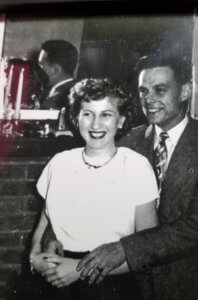
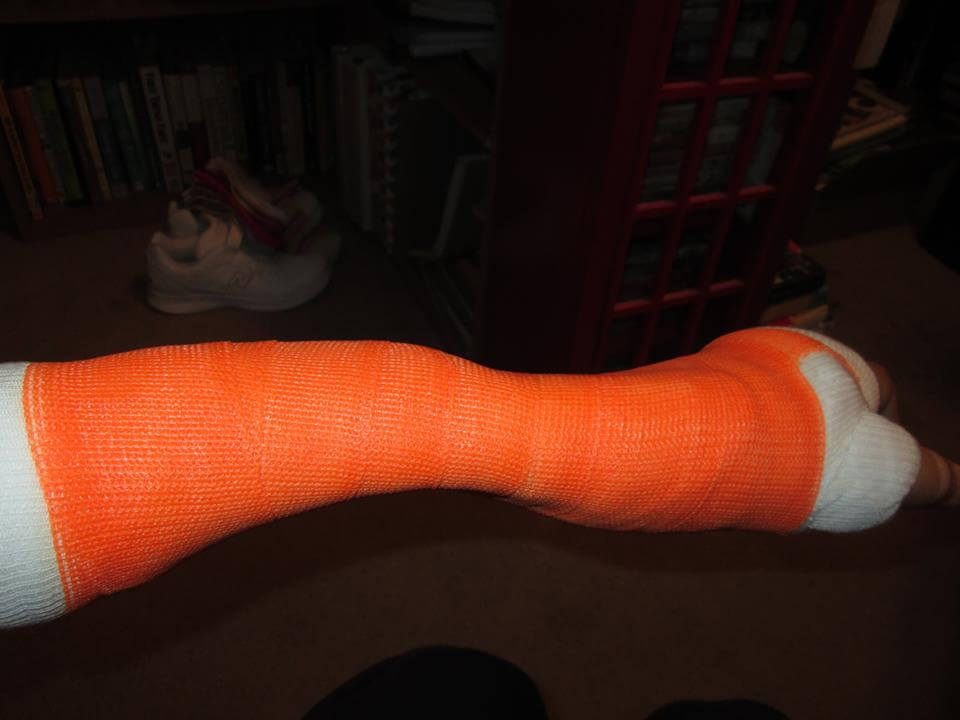 In April of 2017, I was gardening in the back yard
 Once the last cast came off, I had to start typing, but after all summer in casts, my wrist was frozen in a position with the thumb pointing up. I couldn’t rotate my wrist so that the palm faced up or down. I knew that the physical therapy later for my wrist would correct this, but in the meantime, I couldn’t type on a regular keyboard.
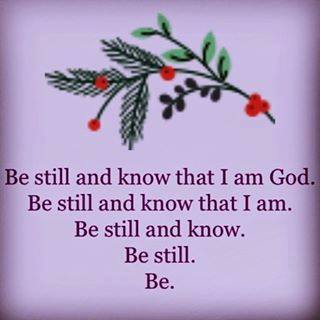 I had had a lot of thinking time when in my casts since I couldn’t drive, and for a long time it was painful to ride anywhere in a car. It gave me time to think, to evaluate my frenetic writing lifestyle, and make some changes.
 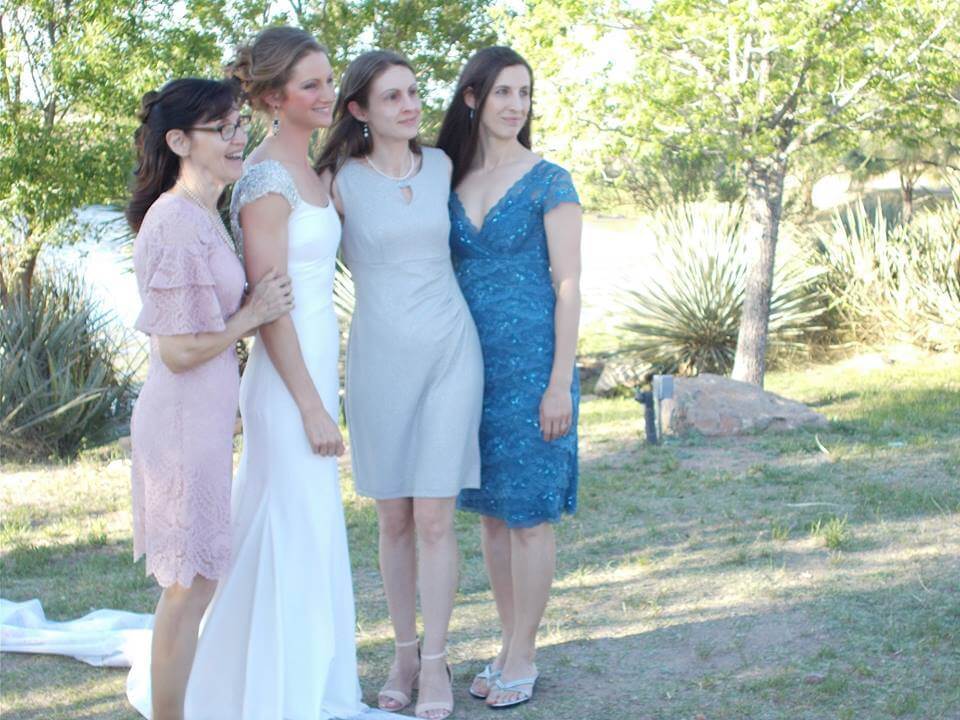 The most joyous event in recent years happened just two months ago. My middle daughter, Laurie, was married outdoors at a ranch in Tucson, and she was just the most beautiful bride. All four of my grandkids had parts in the wedding. I try to respect my kids’ privacy, but I’m going to post just one photo of the girls and me. Our whole family welcomed her husband, Jeff, with open arms. Isn’t it wonderful how a joyous event like this can totally eclipse the tougher events?